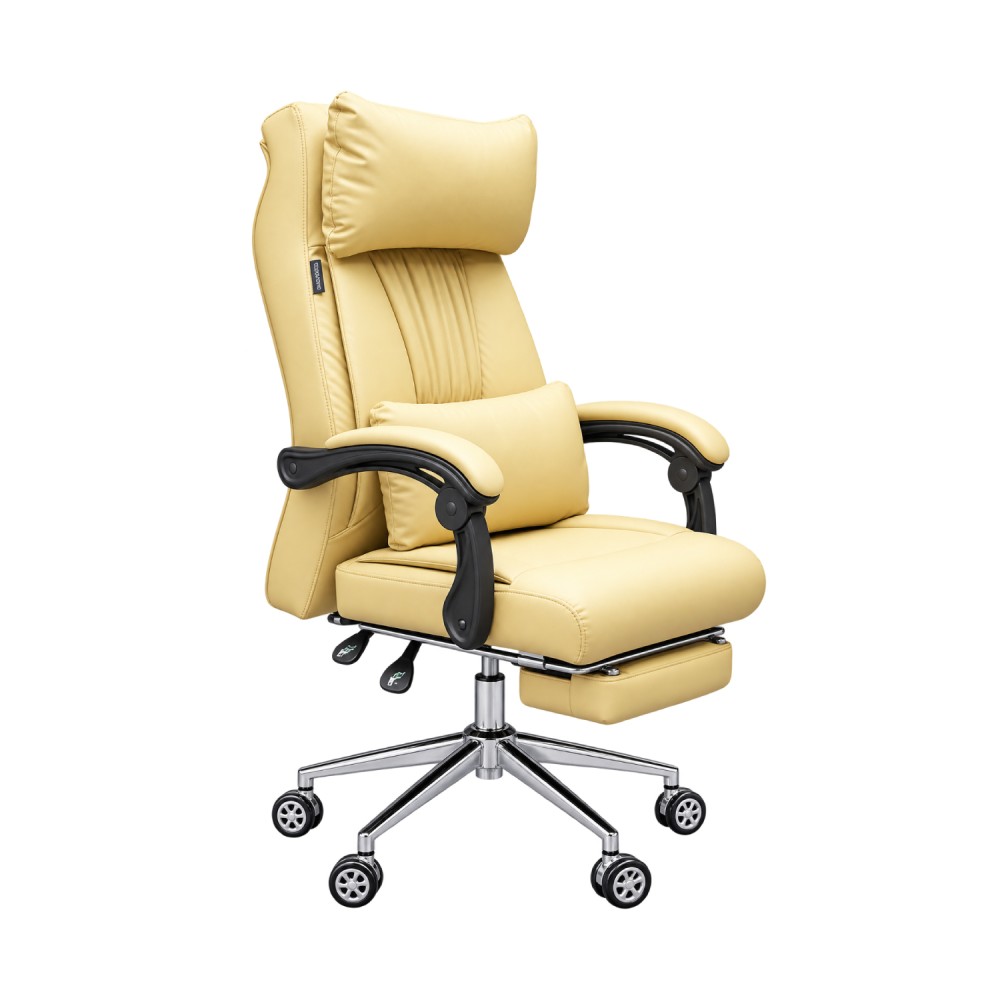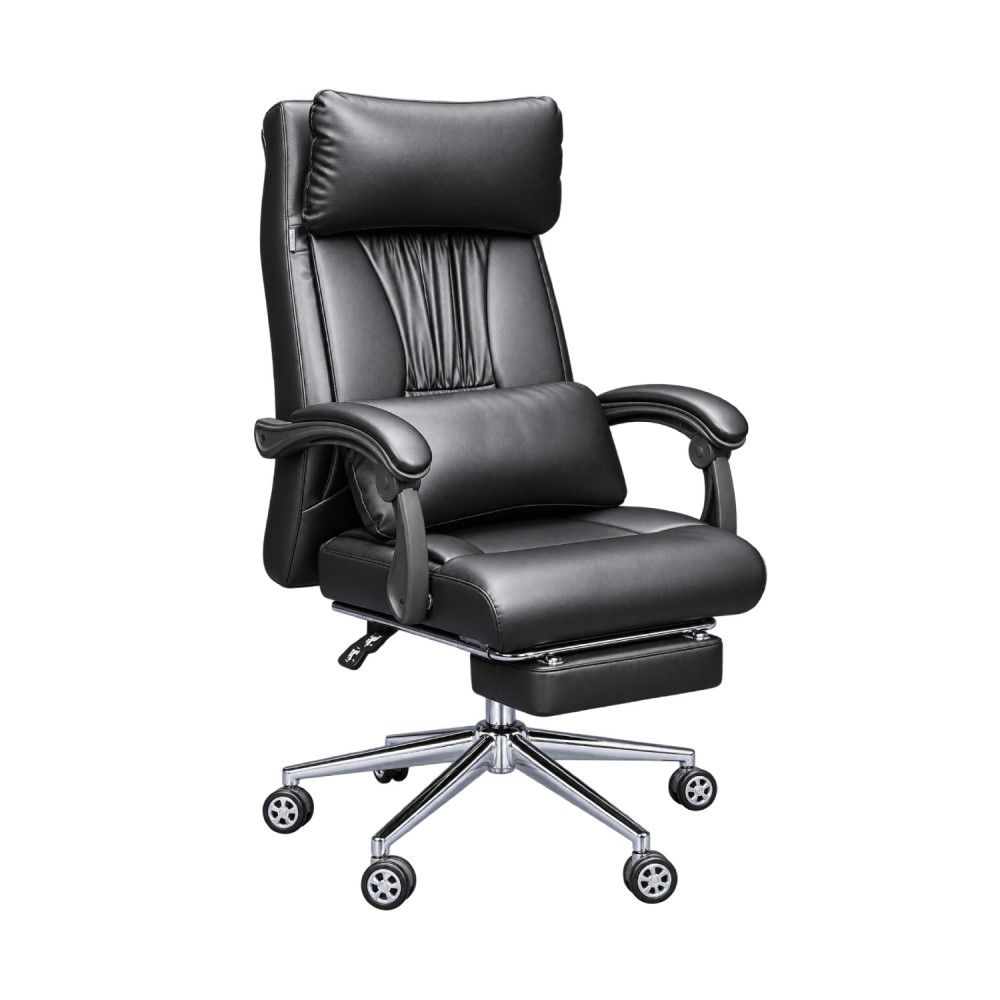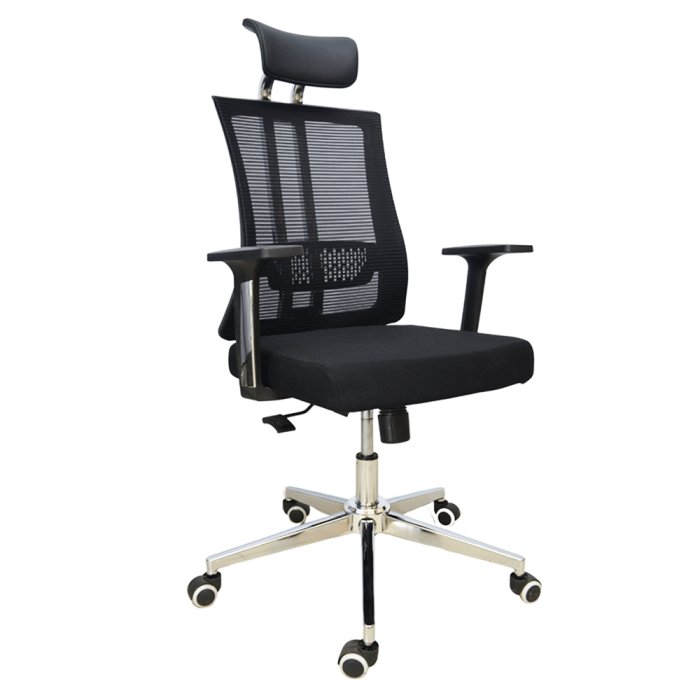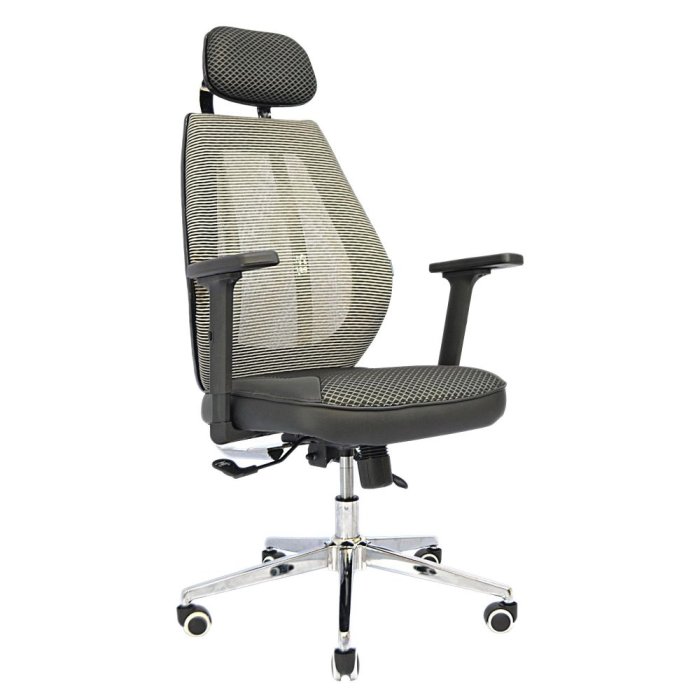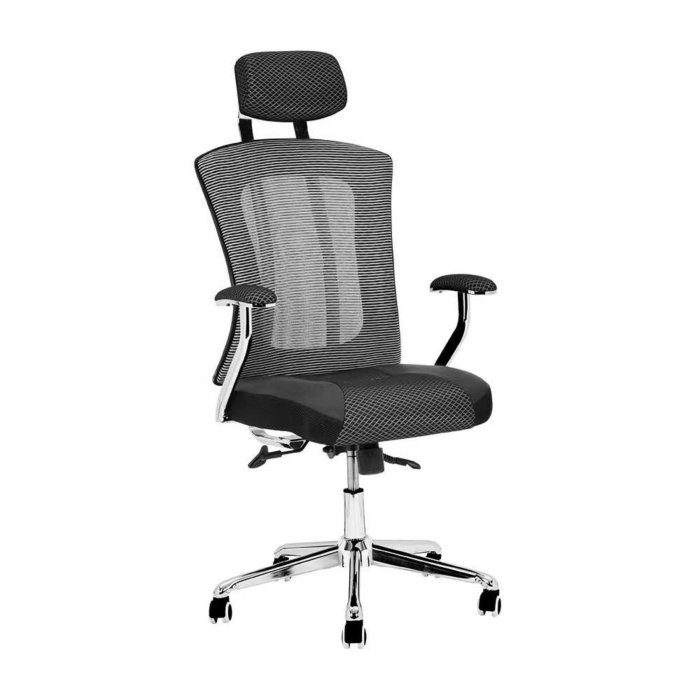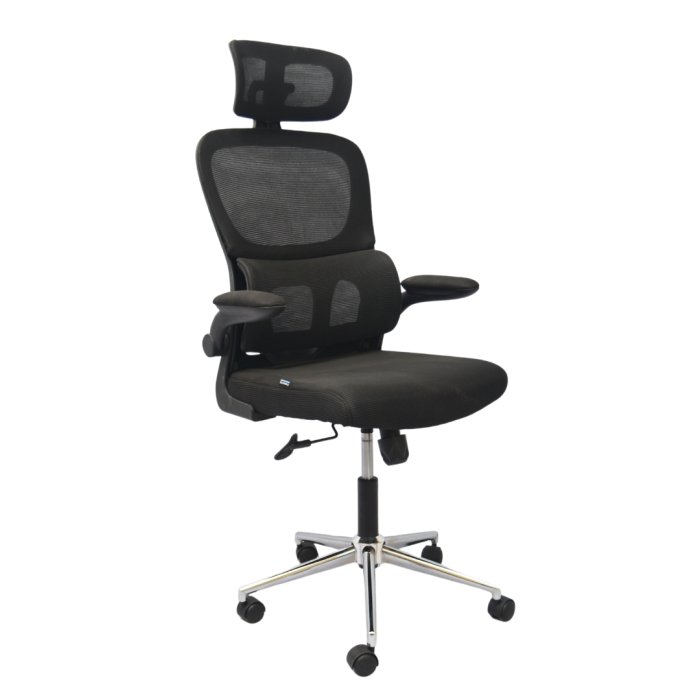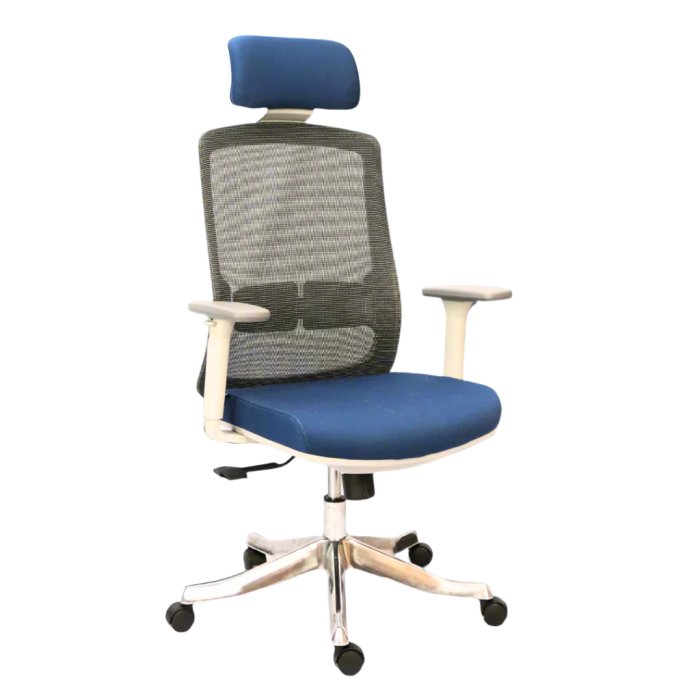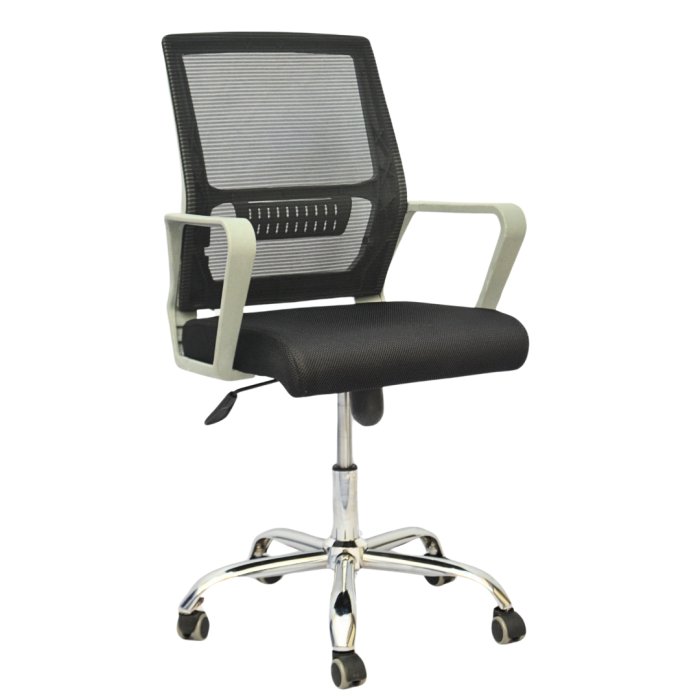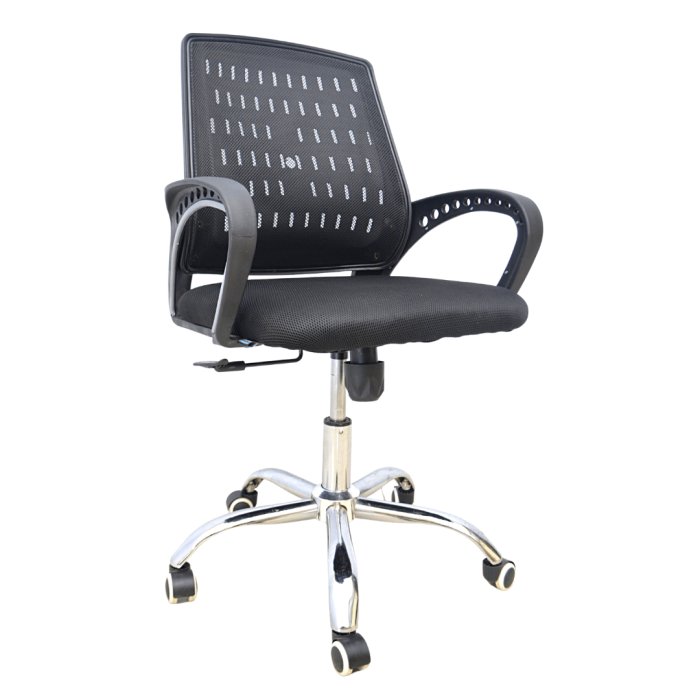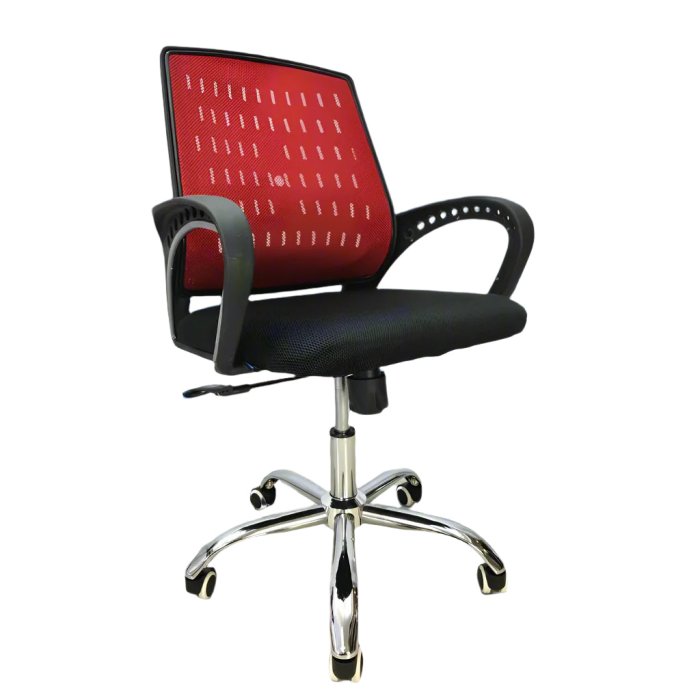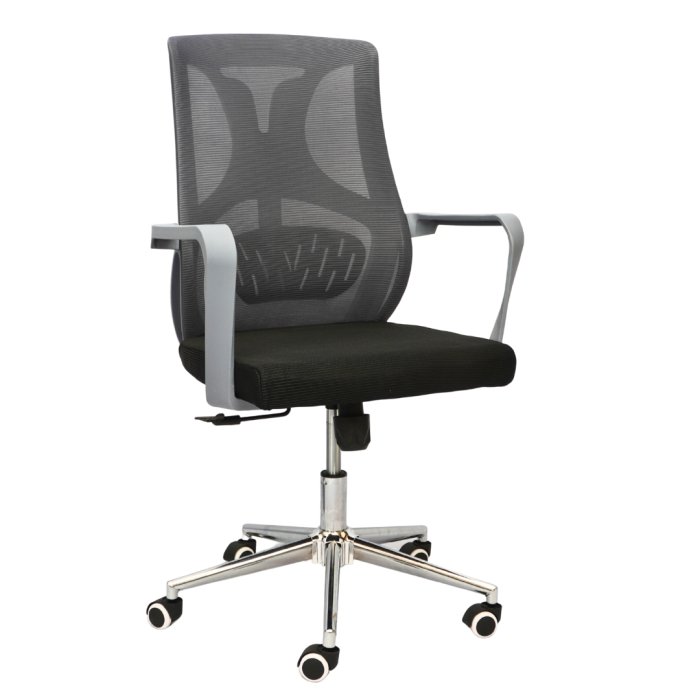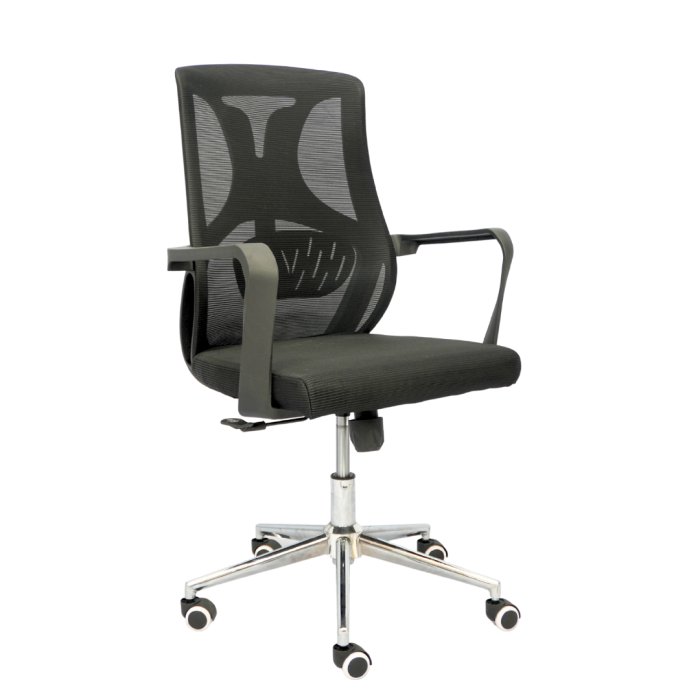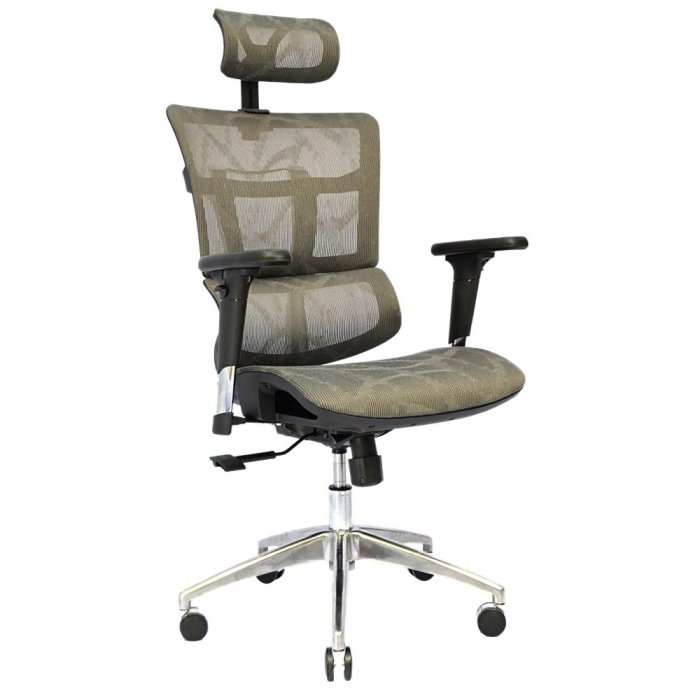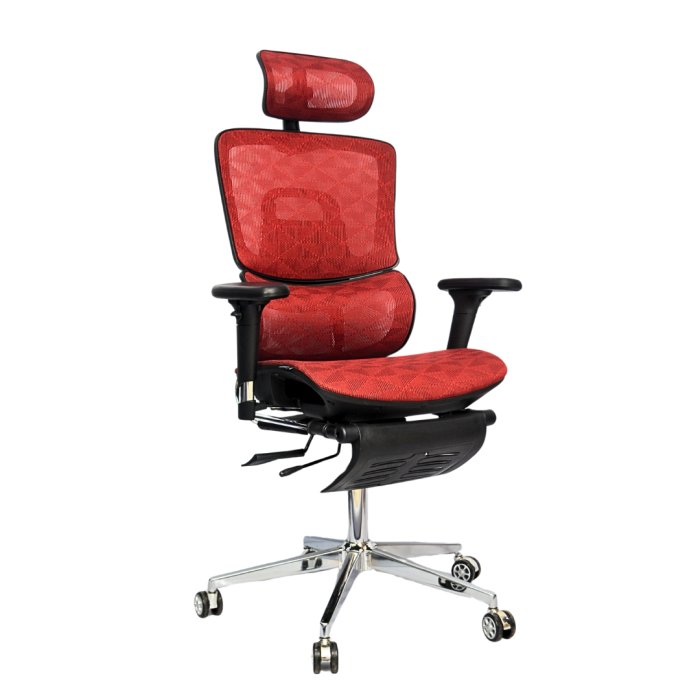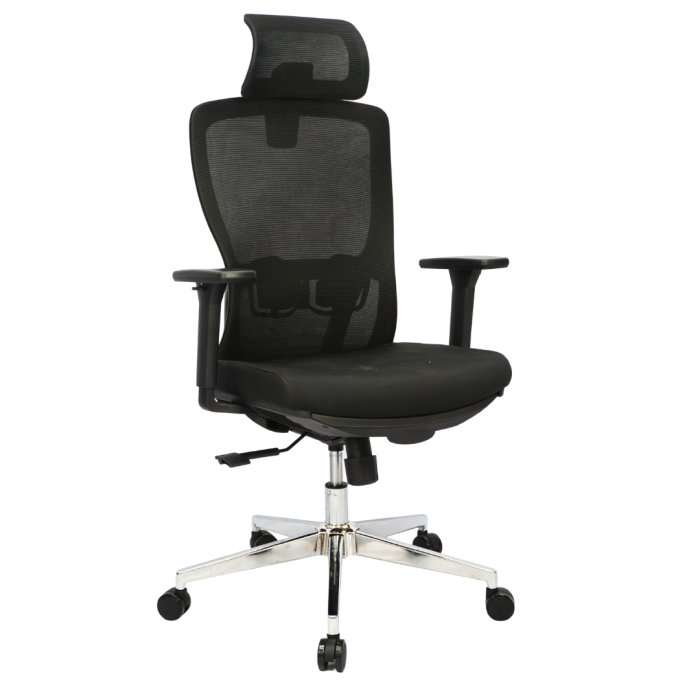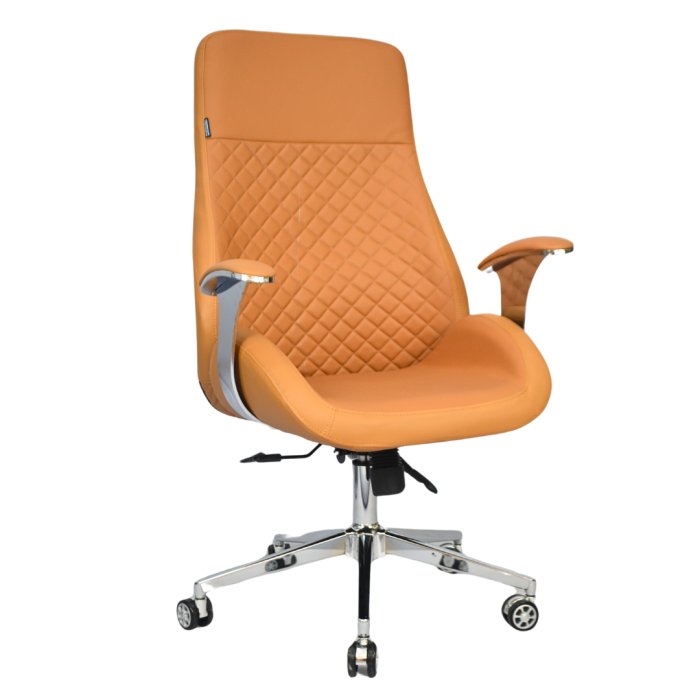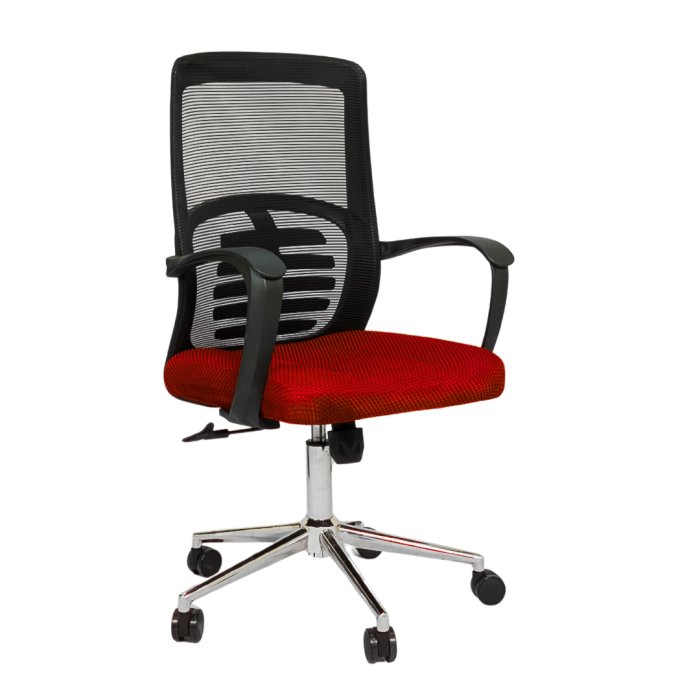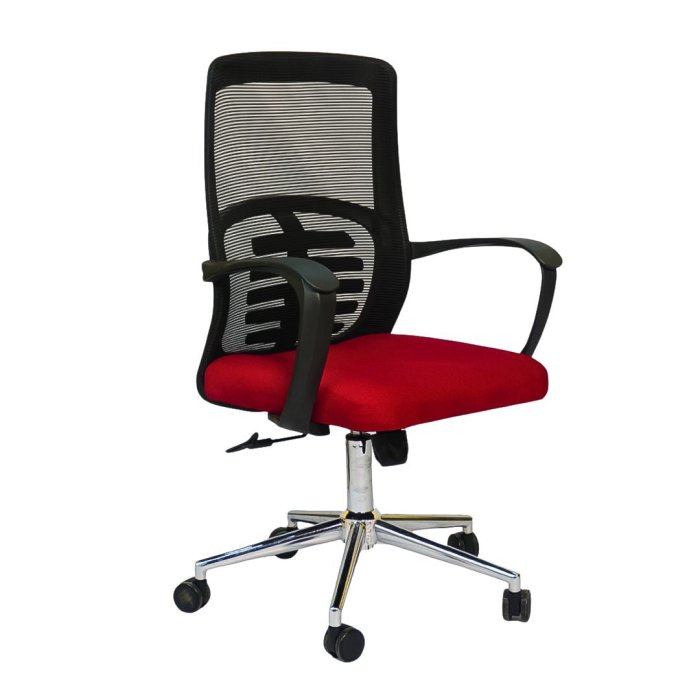
Hydraulic Chair (FT-J166-B) Red Fabric
7748 tk 8414 tk
প্রোডাক্ট কোড: 572
| ঢাকার ভিতরে ডেলিভারি | ৳ 60 |
| ঢাকার বাইরে ডেলিভারি | ৳ 130 |
পন্যের বিবরণ
Hydraulic Chair FT-J166-B: Built for Your Workday
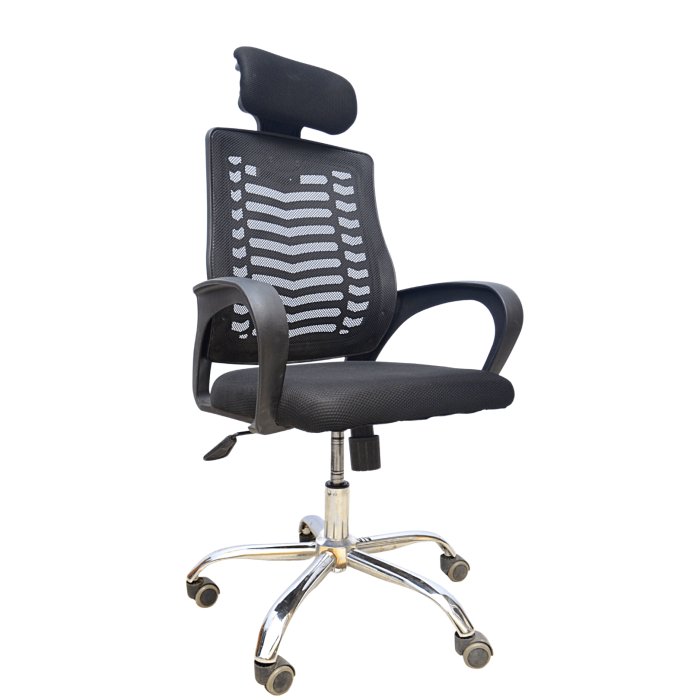
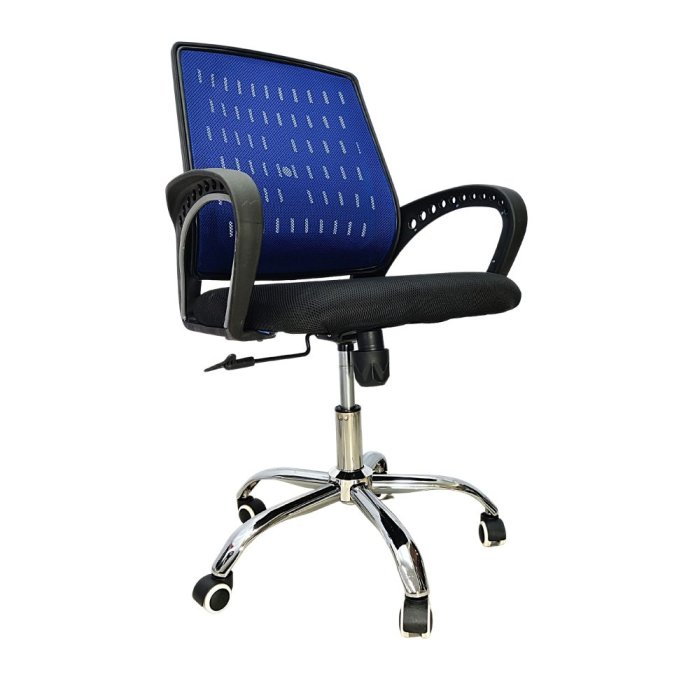
The Hydraulic Chair (FT-J166-B) in red fabric is purpose-built for professionals who spend hours at a desk. This chair combines practical hydraulic height adjustment with a sturdy frame designed to handle daily office use. Whether you're setting up a home office or furnishing a corporate workspace, this model delivers reliable seating that adapts to your body and your desk setup.
Height adjustment is the core feature here. The hydraulic mechanism lets you raise or lower the seat smoothly, so you can match the chair to your desk height and your own proportions. No tools needed—just pump the lever beneath the seat to find your ideal working position. This matters for comfort during an 8-hour workday and for maintaining proper posture at your desk.
Sizing and Fit at Your Desk
The FT-J166-B is sized as a general-purpose office chair, suitable for standard desk heights and most adult users. The seat width and depth are calibrated for seated work—you're meant to stay anchored at your desk rather than move around. Red fabric upholstery covers the cushioned seat and backrest, giving the chair a professional appearance that works in open offices and private rooms alike.
The base rolls on five casters, letting you move between desk, filing cabinet, and monitor without standing up. This mobility is central to workspace efficiency. The backrest provides support for your spine during typing, video calls, and document review—the tasks that fill a typical work shift.
Build and Daily Use
This chair is built to be used every workday. The hydraulic cylinder handles repeated up-and-down adjustments without losing responsiveness. The frame is engineered to support the weight and movement of an office worker across months and years of use. Red fabric resists visible dust better than lighter colors and hides minor marks that show up on beige or grey upholstery.
Maintenance is straightforward. Wipe down the fabric with a dry cloth or mild damp cloth as needed. The hydraulic system is sealed, so there's nothing to oil or maintain on your end. If the chair stops adjusting after months of use, the hydraulic cylinder can be serviced or replaced—a common and affordable repair for office furniture.
Workspace Practicality
In a busy office, this chair performs. It doesn't demand special care. It adjusts quickly when you need a different height. The wheels move freely across tile, concrete, and carpet. The red color holds up visually in high-traffic areas. If your team shares desks or hot-desks, this chair adapts to whoever sits down next, courtesy of the hydraulic height range.
The chair works alone or as part of a matched workspace. Pair it with a standard desk, and you've got a functional workstation. Stock multiple units across your office, and you have consistency in comfort and appearance. For anyone building or upgrading an office space in Bangladesh, this is a straightforward, no-nonsense seating choice.
Specifications and Details
Model: FT-J166-B. Upholstery: Red fabric. Adjustment: Hydraulic height mechanism. Base: Five-caster rolling base. Backrest: Cushioned, fixed angle. Seat: Cushioned, width suitable for most adult users. The chair is ready to assemble upon delivery—base attaches to the seat column with standard bolts, a 10-minute process.
This is a chair for work. It prioritizes function, durability, and the daily comfort you need to focus on your tasks rather than your seat.
হাইড্রলিক চেয়ার FT-J166-B: আপনার অফিসের জন্য বাস্তবসম্মত সমাধান
এই লাল ফ্যাব্রিকের হাইড্রলিক চেয়ার (FT-J166-B) বাংলাদেশের অফিস-কর্মীদের কথা মাথায় রেখে ডিজাইন করা হয়েছে। যারা দিনের বেশিরভাগ সময় ডেস্কে বসে কাজ করেন, তাদের জন্য এটি একটি নির্ভরযোগ্য পছন্দ। চেয়ারটি উচ্চতা সামঞ্জস্যের জন্য হাইড্রলিক সিস্টেম ব্যবহার করে, যা আপনার ডেস্ক এবং শরীরের সাথে মানানসই হয়। কোনো যন্ত্রপাতি ছাড়াই সিটের নিচে লিভার চেপে উচ্চতা বাড়ান বা কমান। এটি দীর্ঘ কর্মদিবসে সঠিক ভঙ্গি বজায় রাখতে সাহায্য করে এবং আপনার কাজে ফোকাস বাড়ায়।
লাল ফ্যাব্রিকের উপরিভাগ ধুলা এবং দাগ লুকিয়ে রাখতে সাহায্য করে, বিশেষ করে ব্যস্ত অফিস পরিবেশে। সিটের প্রস্থ এবং গভীরতা স্ট্যান্ডার্ড অফিস কাজের জন্য তৈরি, যাতে আপনি আরামদায়কভাবে ঘণ্টার পর ঘণ্টা কাজ করতে পারেন। পাঁচটি কাস্টার সহ বেস আপনাকে ডেস্ক, ফাইল ক্যাবিনেট এবং মনিটরের মধ্যে সহজে চলাচল করতে দেয়।
এই চেয়ারটি দৈনন্দিন ব্যবহারের জন্য তৈরি করা হয়েছে। হাইড্রলিক সিলিন্ডার বারবার উপরে-নিচে সামঞ্জস্যের চাপ সামলাতে পারে। ফ্রেমটি শক্তিশালী এবং একজন অফিস কর্মচারীর ওজন বহন করতে ডিজাইন করা হয়েছে। রক্ষণাবেক্ষণ সহজ—শুধু ফ্যাব্রিক একটি শুকনো বা হালকা আর্দ্র কাপড়ে মুছুন। হাইড্রলিক সিস্টেম সিল করা থাকে, তাই আপনার পক্ষ থেকে কোনো তেল লাগানোর প্রয়োজন নেই। ঢাকা বা সারাদেশের যেকোনো অফিসে এই চেয়ার নির্ভরযোগ্যভাবে কাজ করবে।