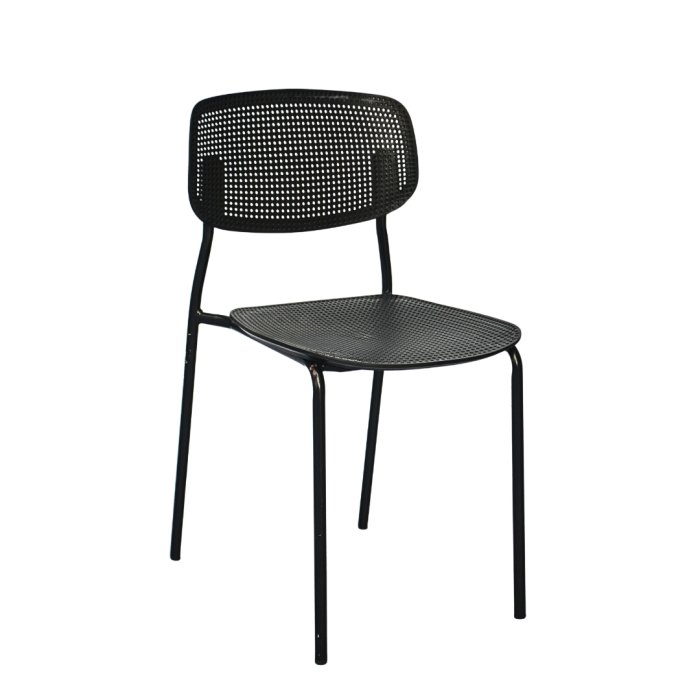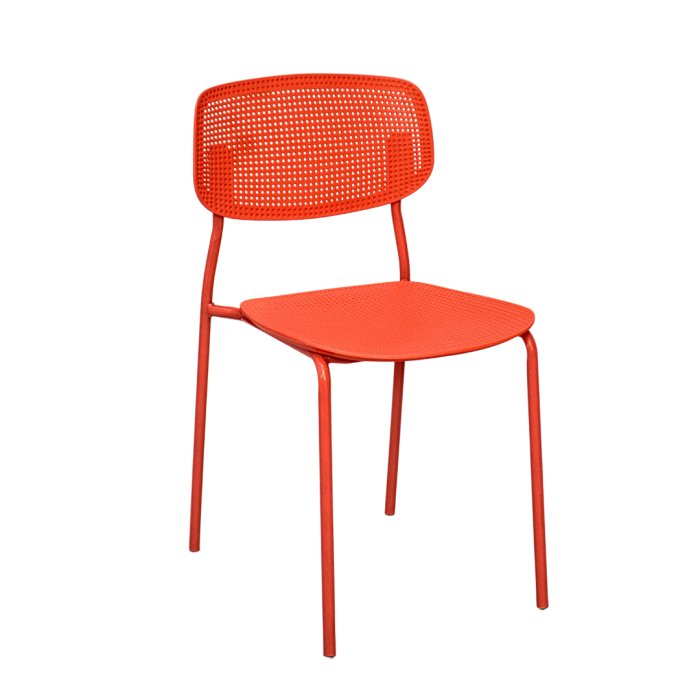
Plastic Ace Restaurant Chair (FT-PCC02) Red
3494 tk 3494 tk
প্রোডাক্ট কোড: 604
| ঢাকার ভিতরে ডেলিভারি | ৳ 60 |
| ঢাকার বাইরে ডেলিভারি | ৳ 130 |
পন্যের বিবরণ
Durable Plastic Design for Office and Workspace Use
The Plastic Ace Restaurant Chair (FT-PCC02) in Red is built as a practical seating solution for busy office environments, cafeterias, and workspace settings. Its plastic construction makes it lightweight and easy to move around your desk area or meeting space. Unlike heavier chairs, this model won't strain your back when repositioning it throughout the day. The durable plastic frame resists wear from daily use and is simple to clean when spills happen at your workspace.
Sizing and Fit for Standard Desk Work
This chair is sized to work at standard office desks and dining tables. The seat height and back support are proportioned for people of average build working at typical desk heights. Before ordering, measure your desk height—most office desks sit around 28-30 inches, and this chair should align properly with that range. The backrest provides basic support during seated work, making it suitable for short to medium-length desk sessions. If you're planning extended 8-hour workdays at a single desk, pair this with good posture habits and occasional standing breaks.
Build Quality and Daily Maintenance
The plastic seat and back are molded as one piece, meaning there are no fabric seams or upholstery to wear out. This design choice makes the chair ideal for high-traffic office kitchens, shared workspaces, and training rooms where chairs take a beating. Wipe it down with a damp cloth to remove dust or food marks—no special cleaning products needed. The plastic won't absorb stains the way fabric would, keeping your chair looking fresher longer. The frame is designed to handle the weight of regular adult use without creaking or flexing excessively.
Practical Features for Workspace Deployment
The red color provides visual distinction in open office layouts, making it easy to identify your assigned chair in shared seating areas. Its compact footprint means you can stack multiple chairs for storage when not in use, saving valuable floor space in smaller offices. The design works equally well in cafeteria settings, break rooms, training centers, and open-plan workspaces. This is a no-frills chair focused on function: sit, work, clean, repeat. It's not designed for executive offices or customer-facing reception areas where you need softer aesthetics, but for practical daily workspace use, it delivers straightforward value.
কর্মক্ষেত্রের জন্য ব্যবহারিক প্লাস্টিক চেয়ার
প্লাস্টিক এস অফিস চেয়ার (FT-PCC02) লাল রঙে আপনার কর্মক্ষেত্রের জন্য একটি নির্ভরযোগ্য আসন সমাধান। এর প্লাস্টিক তৈরি কাঠামো হালকা এবং টেবিলের নিচে বা অফিসের এক কোণ থেকে অন্য কোণে সহজে নিয়ে যাওয়া যায়। দৈনন্দিন ব্যবহারে এটি মজবুত থাকে এবং যখন আপনার ডেস্কে চা বা পানীয় ছিটে পড়ে তখন একটি ন্যাপকিন দিয়ে সহজেই পরিষ্কার করা যায়। ফ্যাব্রিক আপহোলস্ট্রি নেই বলে দাগ লাগার চিন্তা নেই এবং চেয়ারটি দীর্ঘদিন টাটকা দেখায়।
এই চেয়ারটি সাধারণ অফিস ডেস্ক এবং খাবার টেবিলের সাথে খাপ খায়। আপনার ডেস্কের উচ্চতা প্রায় ২৮-৩০ ইঞ্চি হলে এই চেয়ার সঠিক উচ্চতায় বসবে এবং আপনার কাজ করতে আরামদায়ক হবে। পিঠের অংশ মৌলিক সমর্থন দেয় যাতে আপনি স্বাচ্ছন্দ্যে কাজ করতে পারেন। শেয়ার্ড অফিস, প্রশিক্ষণ কেন্দ্র, ক্যান্টিন এবং উন্মুক্ত কর্মক্ষেত্রের জন্য এটি আদর্শ।
লাল রঙ আপনার চেয়ারকে খোলা অফিসে সহজে চেনা যায় এমনভাবে তোলে। একাধিক চেয়ার একসাথে স্ট্যাক করে সংরক্ষণ করা যায়, যা ছোট অফিসে জায়গা বাঁচায়। এটি একটি সোজাসাপ্টা, নির্ভরযোগ্য চেয়ার যা আপনার দৈনন্দিন কাজের দাবি পূরণ করে।