Modern Wooden Round Side Table with Geometric Base
6448 tk 6448 tk
প্রোডাক্ট কোড: 626
| ঢাকার ভিতরে ডেলিভারি | ৳ 60 |
| ঢাকার বাইরে ডেলিভারি | ৳ 130 |
পন্যের বিবরণ
Professional Side Table for Your Workspace
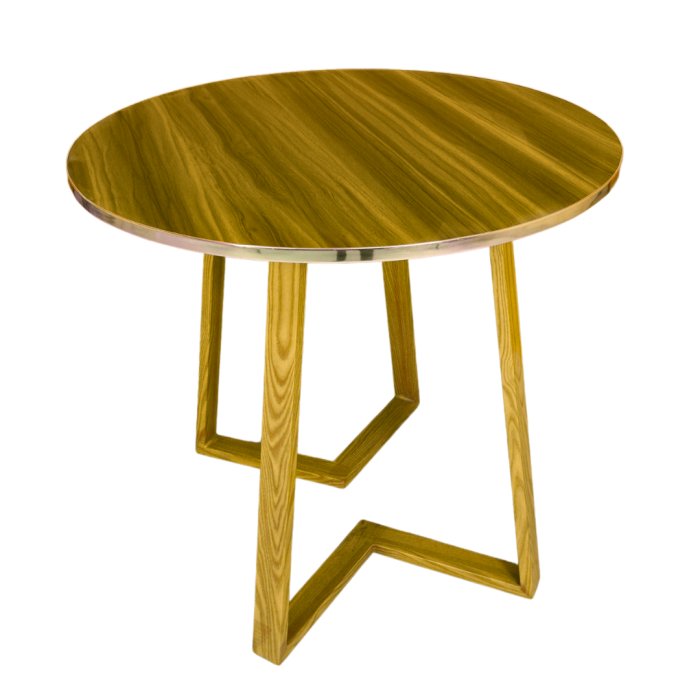
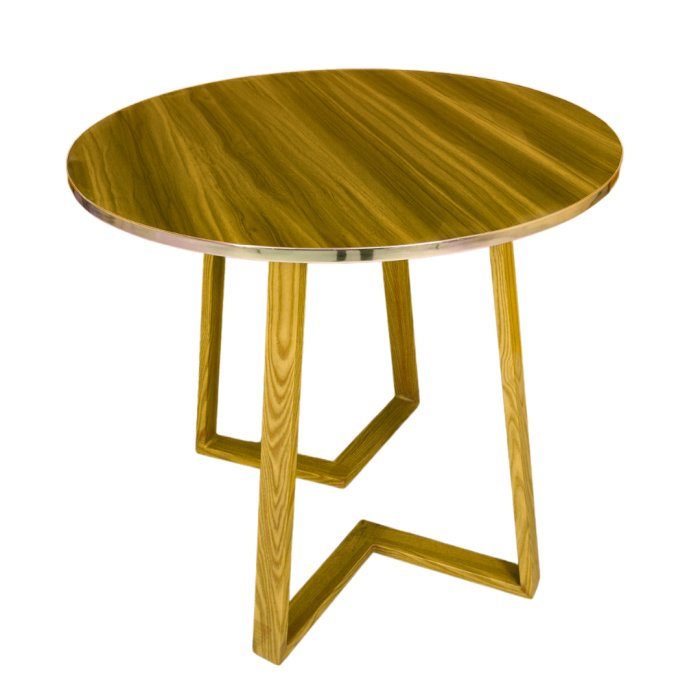
The Modern Wooden Round Side Table with Geometric Base brings clean, functional design to your office or desk setup. Built with a solid round tabletop and distinctive geometric base, this side table fits naturally beside your main desk, workstation, or meeting area. Whether you need a spot for your laptop, documents, coffee cup, or workspace accessories, this table delivers practical storage and surface space without taking up unnecessary floor area.
Ideal for professionals who work from home or manage compact office environments, the round shape makes it easy to move around furniture arrangements and access items from multiple angles. The geometric base design adds visual interest while maintaining a contemporary, business-appropriate aesthetic that suits modern workplaces.
Sizing and Desk Integration
This round side table is designed to work alongside standard desk heights, making it perfect for placing next to your main work surface. The compact footprint means it won't crowd your workspace or block movement paths in smaller offices. The round top provides comfortable reach distance for frequent items you need within arm's length during the workday.
Measure your available floor space before ordering to ensure proper placement next to your desk setup. The geometric base, while sturdy and stable, requires a small dedicated area. Consider positioning it where you typically keep reference materials, a printer, or other daily-use items that benefit from a separate surface.
Build Quality and Everyday Use
Constructed from wood, this table is built to handle the daily demands of office life. The solid construction supports typical workspace items—laptops, folders, plants, desk organizers, and personal accessories—without wobble or instability. The wooden surface can accommodate both work materials and decorative pieces that make your workspace feel professional yet personal.
With regular use in an office environment, wooden furniture develops character while maintaining function. Keep the surface clear of spills where possible, and use a soft cloth for routine cleaning. The geometric base design provides reliable footing on level flooring, ensuring your table stays put during the workday.
Workspace Flexibility
Beyond desk-side placement, this side table works as an accent piece in meeting areas, break rooms, or collaborative spaces. The modern design complements contemporary office décor while the round shape promotes a softer, more approachable feel than rectangular tables. It's practical enough for busy workdays yet refined enough for client meetings or formal office settings.
Whether your workspace is a dedicated home office, a shared desk in a co-working space, or a corporate office, this table adapts to your layout needs. The combination of functional design and visual appeal makes it a reliable choice for professionals who value both form and function in their work environment.
Geometric Base Design
The distinctive geometric base sets this table apart from standard cylindrical pedestal designs. The structured base adds contemporary flair while providing stable support for daily workplace demands. This base design is both visually striking and practical, offering the stability professionals need without appearing heavy or industrial.
The geometric pattern complements modern office interiors, minimalist workspaces, and contemporary home offices. This design choice shows that functional workspace furniture can also be thoughtfully designed, making it a solid investment for anyone building out a professional work area.
আধুনিক কর্মক্ষেত্রের জন্য কাঠের বৈশিষ্ট্যময় পাশ টেবিল
মাশরুমশপ থেকে আমাদের আধুনিক কাঠের গোলাকার পাশ টেবিল আপনার ডেস্ক এবং কর্মক্ষেত্রের জন্য একটি ব্যবহারিক সমাধান। এই টেবিলটি আপনার মূল কর্মসারফেসের পাশে রেখে ল্যাপটপ, কাগজপত্র, কফি কাপ এবং অন্যান্য দৈনন্দিন কর্মসরঞ্জাম রাখার জন্য ডিজাইন করা হয়েছে। গোলাকার শীর্ষ সব দিক থেকে সহজ প্রবেশাধিকার নিশ্চিত করে, যখন জ্যামিতিক ভিত্তি এটিকে আধুনিক এবং পেশাদার দেখায়। ছোট অফিস বা বাড়ির কাজের জন্য এটি আদর্শ, কারণ এটি কম জায়গা নেয় কিন্তু সর্বোচ্চ কার্যকারিতা প্রদান করে।
এই কঠিন কাঠের টেবিলটি প্রতিদিনের ব্যবহারের চাপ সহ্য করতে তৈরি। ল্যাপটপ, ফাইল, গাছপালা, ডেস্ক অর্গানাইজার এবং ব্যক্তিগত জিনিসপত্র রাখার জন্য এর শক্ত পৃষ্ঠ যথেষ্ট শক্তিশালী এবং স্থিতিশীল। জ্যামিতিক ভিত্তি নিশ্চিত করে যে টেবিলটি সমতল মেঝেতে দৃঢ় থাকে, যাতে আপনার কর্মদিবসে কোনো ঝামেলা না হয়।
আপনার কর্মক্ষেত্র যাই হোক না কেন—সাহসী বাড়ির অফিস, শেয়ার্ড ডেস্ক, বা কর্পোরেট পরিবেশ—এই আধুনিক পাশ টেবিল আপনার প্রয়োজন পূরণ করে। পেশাদার চেহারা এবং ব্যবহারিক ডিজাইন একসাথে এটিকে যে কোনো আধুনিক কর্মক্ষেত্রের জন্য একটি দুর্দান্ত পছন্দ করে তোলে।