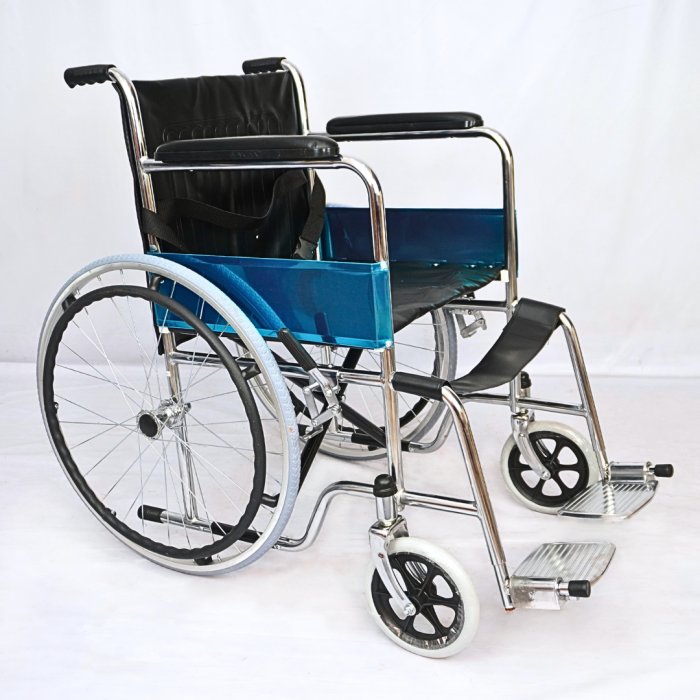
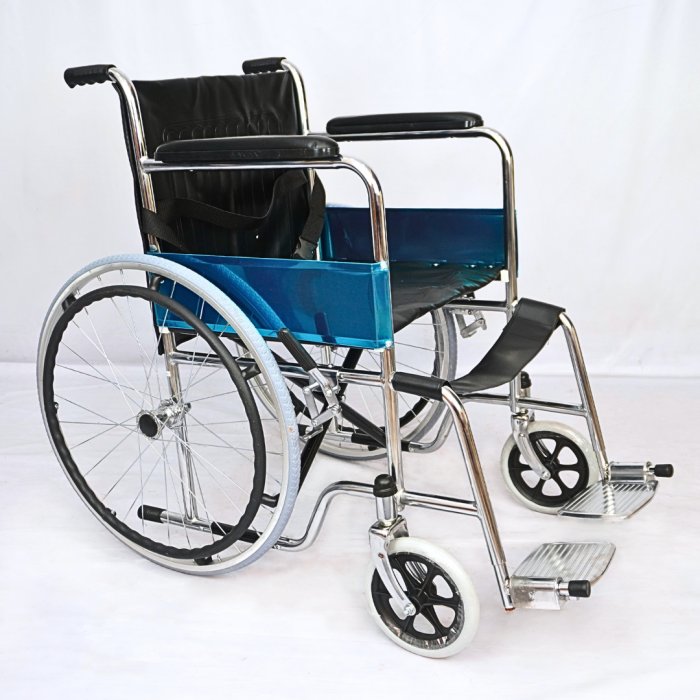
FURNITEX Safety Belt Manual Self-propelled Wheelchair (FT-WC2)
9376 tk 9870 tk
প্রোডাক্ট কোড: 635
| ঢাকার ভিতরে ডেলিভারি | ৳ 60 |
| ঢাকার বাইরে ডেলিভারি | ৳ 130 |
পন্যের বিবরণ
Manual Self-Propelled Design for Independent Mobility
The FURNITEX Safety Belt Manual Self-propelled Wheelchair (FT-WC2) is built for users who need reliable, hands-on control throughout their day. With manual propulsion, you operate the wheels directly, giving you full command over speed, direction, and stopping. This design works well in office spaces, workplaces, and shared environments where you need to move between desks, meeting rooms, and common areas without depending on assistance.
The self-propelled mechanism means you can navigate tight office corridors, position yourself at workstations, and move around your workspace at your own pace. No motors, no batteries to charge—just straightforward mechanical operation that's ready whenever you are.
Safety Belt System for Secure Seating
This wheelchair includes a safety belt to keep you secure and stable while seated. During daily desk work, transitions between spaces, or movement across the office floor, the safety belt helps maintain your position and reduces shifting during normal use. The belt is a practical addition for anyone spending extended periods seated and moving throughout a workplace environment.
The belt system is designed to be easy to fasten and unfasten, so you can secure yourself quickly when you're ready to move and release easily when you need to get up or transfer.
Sizing and Fit for Workplace Use
Proper sizing ensures comfort during your workday and safe operation. The FT-WC2 comes in a general sizing category, which suits standard workplace needs. When you receive your wheelchair, check that the seat height allows your feet to rest flat on the footrests and that your arms can reach and operate the wheel rims comfortably. Correct positioning at your desk or workstation is important for productivity and to reduce strain during long hours of seated work.
Measure your seating space in your office or work area before ordering. Consider the width of doorways, hallways, and the clearance around your desk or workspace where you'll be using the wheelchair most frequently.
Daily Use at Your Desk and Workplace
For office-based work, this wheelchair supports your daily routine. You can roll yourself to and from your desk, position yourself at the right height for your work surface, and move independently between different areas. The manual operation means no electrical components to maintain or recharge—you simply use it as needed throughout your workday.
The straightforward design also means fewer moving parts to break down, reducing maintenance demands in a busy workplace setting. Whether you're in a traditional office, a shared workspace, or a workplace with mixed layouts, the FT-WC2 gives you the independence to manage your own movement and positioning.
This wheelchair is intended for regular daily use by individuals who have the upper body strength and coordination to operate manual wheel propulsion. If you have questions about whether this model suits your specific workplace setup or physical needs, consult with your healthcare provider or mobility specialist.
উপাদান এবং ব্যবহার
FURNITEX Safety Belt Manual Self-propelled Wheelchair (FT-WC2) একটি ম্যানুয়াল হুইলচেয়ার যা আপনি নিজেই চালাতে পারবেন। এটি অফিস এবং কর্মক্ষেত্রে দৈনন্দিন ব্যবহারের জন্য ডিজাইন করা হয়েছে। আপনি যখন চান তখনই এটি চালাতে পারবেন, কারণ এতে কোন মোটর বা ব্যাটারি নেই। এটি আপনার ডেস্ক, মিটিং রুম এবং অফিসের অন্যান্য স্থানে সহজেই চলে। সেফটি বেল্ট আপনাকে বসার সময় নিরাপদ রাখে এবং স্থির রাখে।
এই হুইলচেয়ারটি আপনার কর্মক্ষেত্রের জন্য উপযুক্ত হতে পারে। আপনার অফিস স্পেসের সাইজ এবং দরজার প্রস্থ পরিমাপ করুন যাতে হুইলচেয়ারটি সহজে চলাচল করতে পারে। ম্যানুয়াল অপারেশন মানে আপনার সম্পূর্ণ নিয়ন্ত্রণ এবং স্বাধীনতা। প্রতিদিনের কাজের সময় আপনি নিজেই এটি পরিচালনা করতে পারবেন এবং যেকোনো জায়গায় যেতে পারবেন।
যদি আপনার স্বাস্থ্য বা শারীরিক অবস্থা সম্পর্কে কোন প্রশ্ন থাকে তাহলে একজন বিশেষজ্ঞের পরামর্শ নিন। এই হুইলচেয়ারটি সাধারণ ব্যবহারের জন্য বানানো এবং এটি আপনার দৈনন্দিন কাজকর্মে সহায়তা করবে।