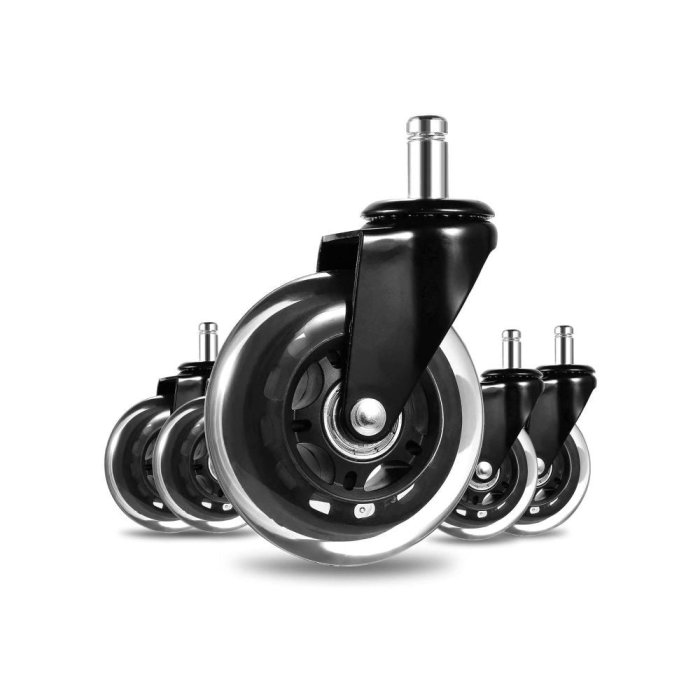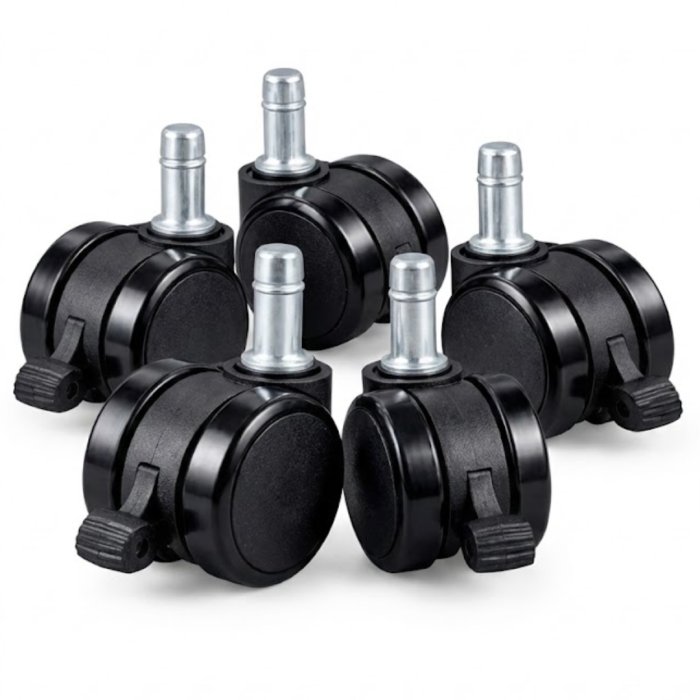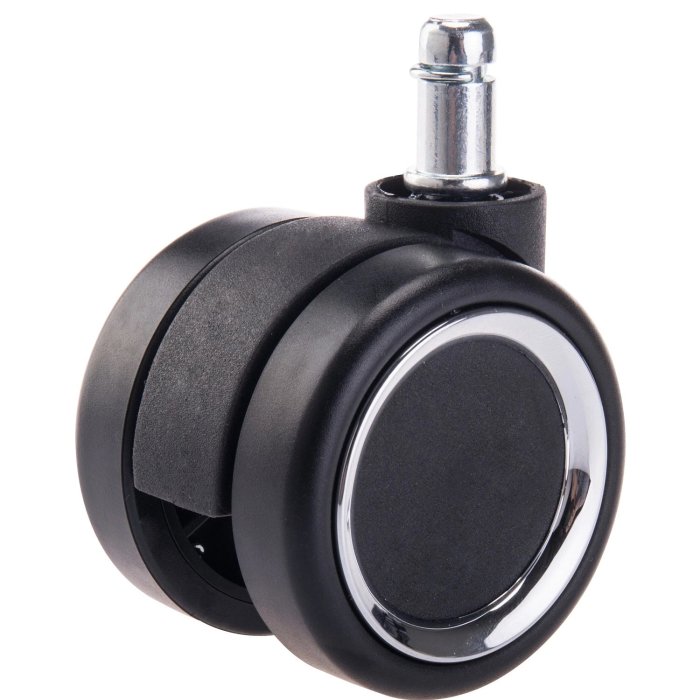
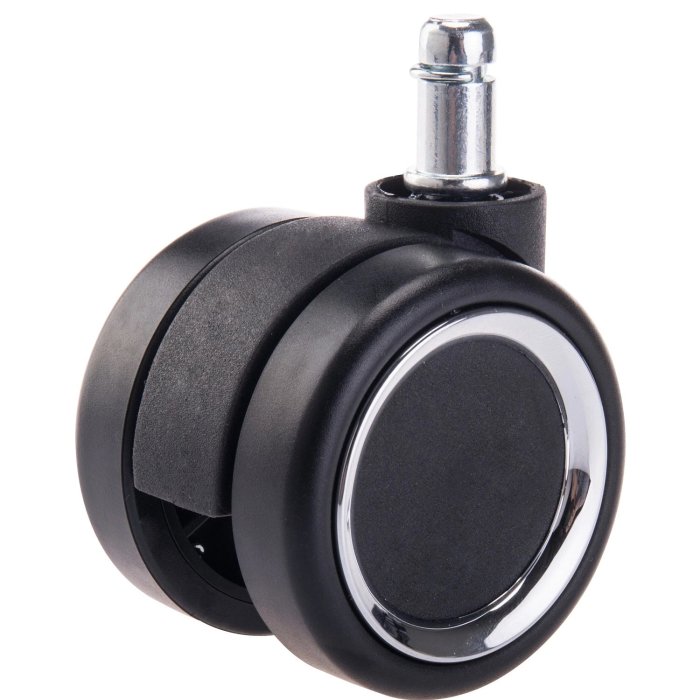
Caster Wheels for High Lever Office Chair 60mm PU Soft Noise Free x5
1518 tk 1768 tk
প্রোডাক্ট কোড: 433
| ঢাকার ভিতরে ডেলিভারি | ৳ 60 |
| ঢাকার বাইরে ডেলিভারি | ৳ 130 |
পন্যের বিবরণ
Heavy-Duty 60mm Caster Wheels for Your Office Chair
Upgrade your workspace setup with this set of five 60mm PU soft caster wheels designed specifically for high-lever office chairs. These wheels are built for daily desk work, offering smooth movement across your office floor without the noise and friction that worn-out wheels create. Whether you're rolling between your desk and filing cabinet or adjusting your seating position throughout the workday, these casters deliver reliable, quiet performance.
The 60mm diameter is the standard sizing for most executive and task chairs used in modern workspaces. Each wheel features a soft polyurethane coating that grips flooring—carpet, tile, or laminate—while minimizing the squeaks and rattles that disrupt concentration. You get five wheels in this pack, which is the complete set needed to replace all casters on a typical five-wheeled office chair base.
Noise-Free Operation for Your Daily Desk Work
In a busy office or shared workspace, noise matters. These PU soft wheels are engineered to roll quietly, allowing you to move your chair without disturbing colleagues or breaking your own focus. The soft material absorbs vibration and reduces the harsh rolling sounds that come from hard plastic or worn casters. This is particularly valuable if you're moving your chair frequently throughout the day—from reaching files to adjusting for video calls to shifting position during long work sessions.
Proper Sizing and Compatibility
The 60mm wheel diameter is the industry standard for high-lever and mid-back office chairs. Before ordering, confirm that your current chair uses this size—it's the most common specification for workplace seating. The wheels attach via standard stem connections found on virtually all office chair bases. This is a direct replacement part: remove your existing wheels and press the new ones into the same sockets. No tools required for installation.
Built for the Desk Environment
Office chairs take daily wear from rolling across different floor types. These caster wheels are built to handle the repetitive motion of workspace use—moving forward, backward, and side-to-side without flat-spotting or losing their soft grip. The PU material resists the hardening and cracking that plastic wheels experience over months of office use. Five wheels means one complete chair replacement set, so you can maintain consistent rolling behavior across all five points of contact with your floor.
অফিস চেয়ারের জন্য ৬০মিমি কাস্টার হুইল সেট
আপনার অফিস চেয়ারের যদি শব্দ বেশি হয় বা গতিবেগ কমে গেছে, তাহলে এই ৫টি নতুন কাস্টার হুইল দিয়ে সমস্যার সমাধান করুন। ৬০মিমি সাইজ হল অধিকাংশ অফিস চেয়ারের স্ট্যান্ডার্ড মাপ—এটি আপনার উচ্চমানের লিভার চেয়ারের জন্য পুরোপুরি খাপ খায়। পিইউ নরম উপাদান দিয়ে তৈরি এই চাকাগুলো আপনার ডেস্কের নিচে নিরবে চলে, যা আপনার কাজের পরিবেশকে শান্ত রাখে।
প্রতিদিন অফিসে কাজ করার সময় আপনার চেয়ার বারবার নড়াচড়া করে—ফাইল আনতে, টেবিল সামঞ্জস্য করতে, বা দীর্ঘ সভায় বসে থাকার সময়। এই কাস্টার হুইলগুলো সেই ধরনের ক্রমাগত ব্যবহারের জন্য ডিজাইন করা হয়েছে। নরম পিইউ উপাদান কঠিন প্লাস্টিকের মতো কঠোর নয়, তাই এটি মাসের পর মাস টিকে থাকে এবং আপনার মেঝে (কার্পেট, টাইলস বা ল্যামিনেট) রক্ষা করে।
এই সেটে পাঁচটি চাকা রয়েছে—এটি একটি সম্পূর্ণ চেয়ার প্রতিস্থাপন সেট। আপনার পুরানো চাকাগুলো বের করে শুধু নতুনগুলো প্রেস করে লাগিয়ে দিন। কোনো সরঞ্জাম বা জটিল ইনস্টলেশন লাগে না। আপনার চেয়ারটি আবার নতুনের মতো গতিশীল এবং শান্ত হয়ে উঠবে।