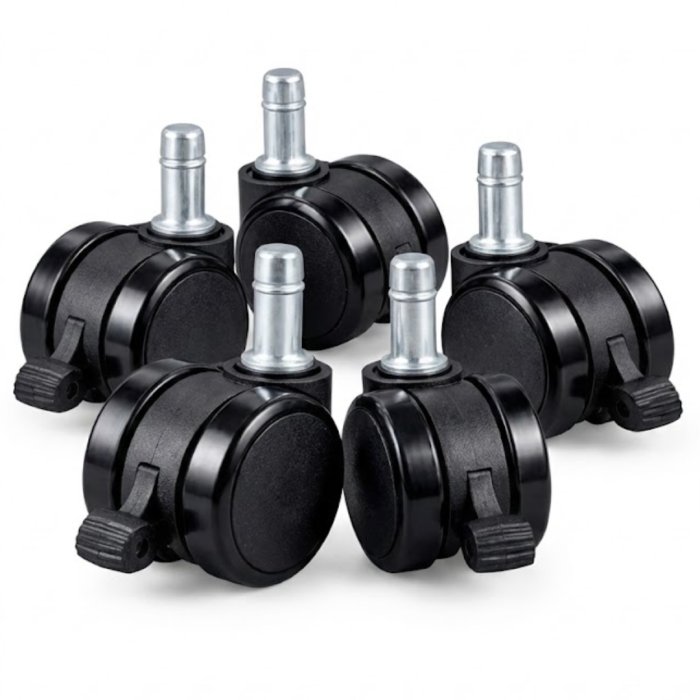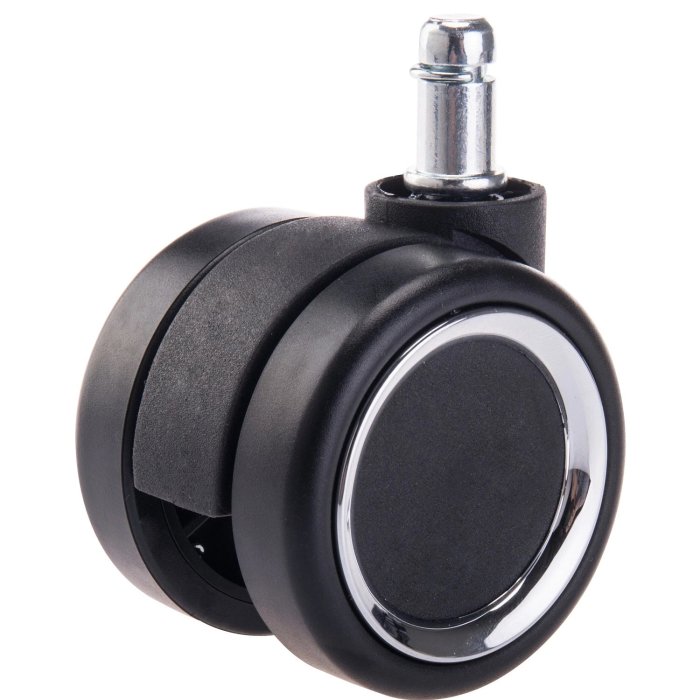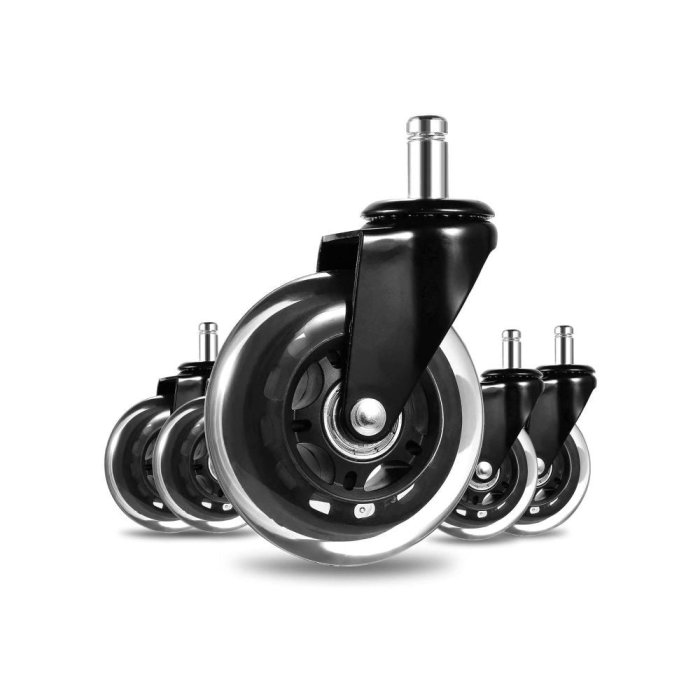
Rubber Caster Set x5 for Hydraulic Chair
1623 tk 1768 tk
প্রোডাক্ট কোড: 623
| ঢাকার ভিতরে ডেলিভারি | ৳ 60 |
| ঢাকার বাইরে ডেলিভারি | ৳ 130 |
পন্যের বিবরণ
Replace Your Worn Hydraulic Chair Casters
Your office chair takes a beating every workday. Daily rolling across the floor, constant weight shifts, and months of use wear out the casters underneath. When your hydraulic chair no longer glides smoothly—when it sticks, squeaks, or rolls unevenly—it's time for a caster replacement. This Rubber Caster Set x5 gives you five replacement wheels sized to fit standard hydraulic office chairs, restoring smooth movement and stable seating at your desk.
Five Casters for Complete Coverage
Office chairs sit on a five-point base, and this set includes exactly what you need. Each rubber caster is built to handle daily rolling on office floors—carpet, tile, and hardwood. You'll replace all five wheels at once, ensuring your chair rolls evenly in every direction. No more wobbling or uneven seat height as you move around your workspace.
Sizing and Installation for Standard Hydraulic Chairs
These casters are sized for typical hydraulic office chairs sold across Bangladesh. The rubber wheels fit into the standard stem holes found on most five-point chair bases. Installation is straightforward—remove the old worn casters by pulling or prying them out, then press the new ones firmly into place. No tools required. Within minutes, your chair rolls smoothly again. Measure your chair base before ordering to confirm compatibility with your model.
Practical, Long-Lasting Performance at Your Desk
Rubber casters are the workplace standard. They grip the floor without leaving marks, roll quietly across office surfaces, and last through months of daily use. When you're working eight hours a day at a desk, smooth chair movement matters—no more fighting resistance when you need to adjust position or reach across your workspace. Replace these wheels once or twice a year depending on how heavily your chair is used, and you'll keep your seat functioning as designed.
হাইড্রলিক চেয়ারের রাবার কাস্টার সেট ৫টি
আপনার অফিস চেয়ার প্রতিদিনের কাজে অনেক চাপ পায়। মাসের পর মাস টেবিলের পাশে ঘোরাঘুরি করতে করতে নিচের চাকাগুলো খারাপ হয়ে যায়। যখন আপনার চেয়ার আর মসৃণভাবে চলে না, যখন এটা আটকে যায় বা কাত হয়ে যায়, তখন নতুন কাস্টার লাগানোর সময় এসেছে। এই সেটে পাঁচটি রাবার চাকা রয়েছে যা বাংলাদেশে পাওয়া সাধারণ হাইড্রলিক চেয়ারে লাগে। সব পাঁচটা চাকা একসাথে বদলে ফেলুন এবং আপনার চেয়ার আবার নতুনের মতো ঘুরবে।
রাবার কাস্টার অফিসের যেকোনো মেঝেতে কাজ করে—কার্পেট, টাইলস বা কাঠের উপর। এগুলো কোনো দাগ ফেলে না এবং চুপচাপ চলে। অফিসে যখন আপনি আট ঘণ্টা টেবিলে বসে থাকেন, তখন মসৃণভাবে চলার ব্যাপারটা গুরুত্বপূর্ণ। কাজের সময় যখন আপনি পাশে কিছু নিতে চান বা অবস্থান বদলাতে চান, তখন চেয়ারটা সহজে চলতে হবে।
ইনস্টলেশন সহজ—পুরানো চাকাগুলো খুলে বের করুন এবং নতুনগুলো ঢুকিয়ে দিন। কোনো যন্ত্রপাতি লাগবে না। কয়েক মিনিটের মধ্যে আপনার চেয়ার আবার ঠিক অবস্থায় চলবে। চেয়ারের তলার সাইজ যাচাই করে নিন যাতে এই কাস্টারগুলো আপনার চেয়ারে লাগে।