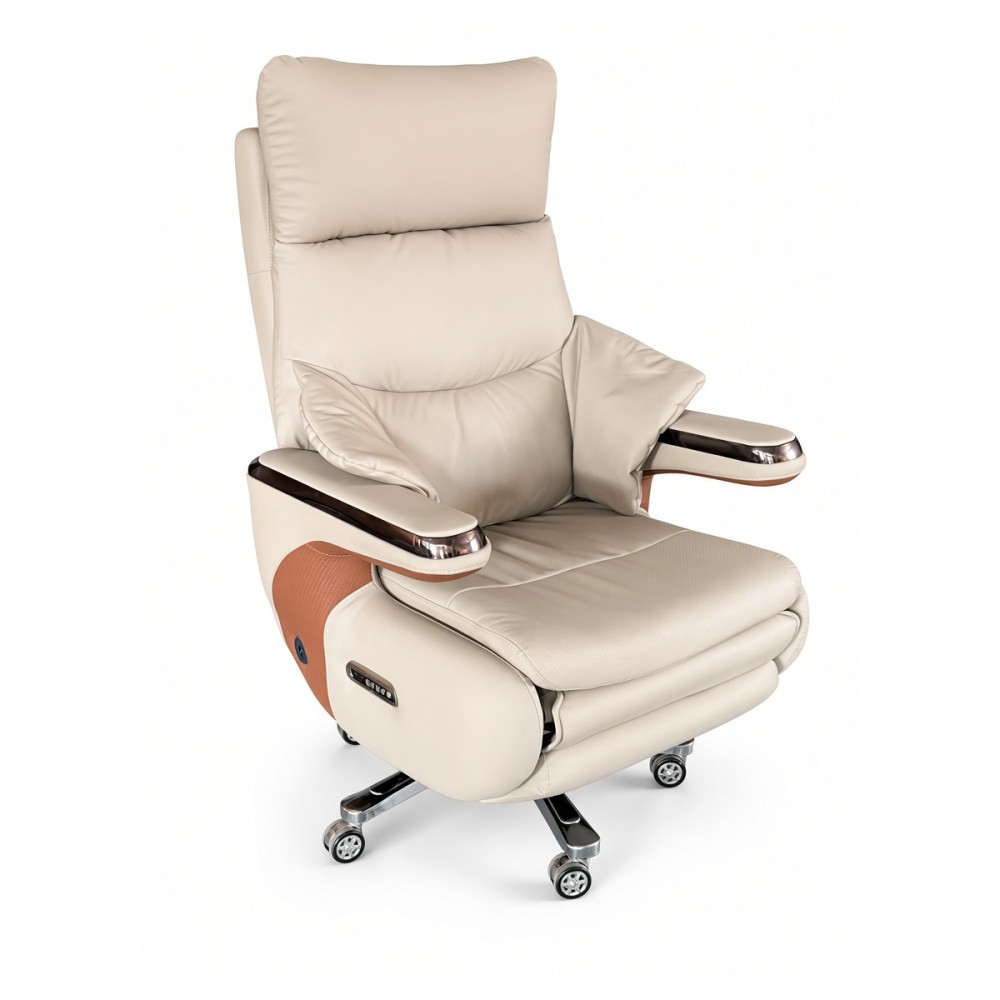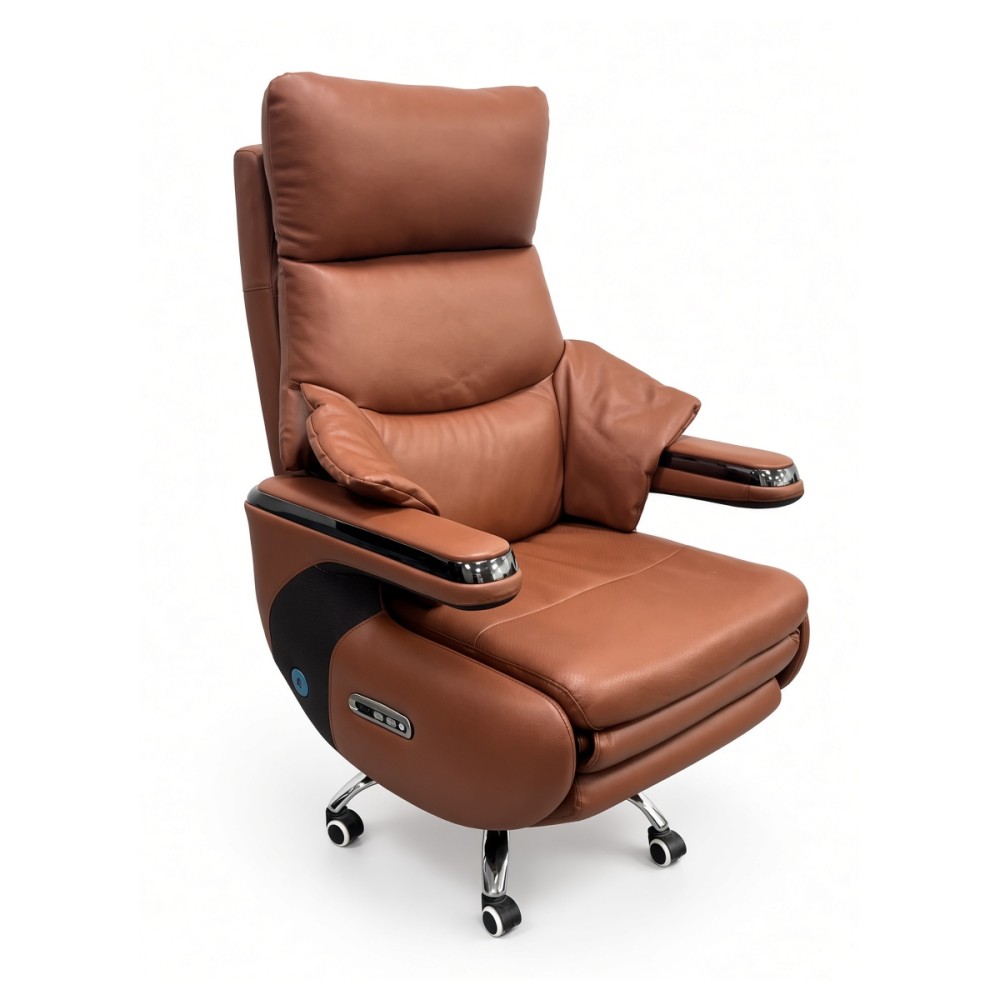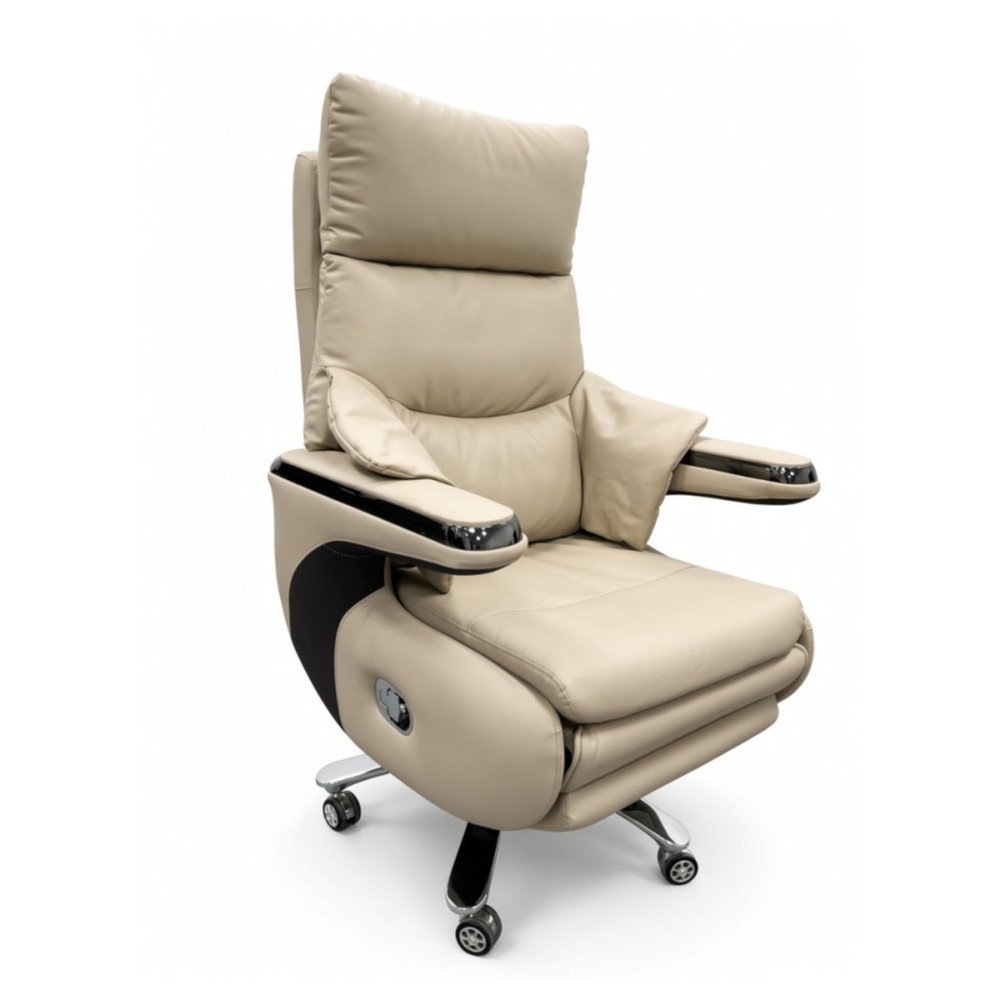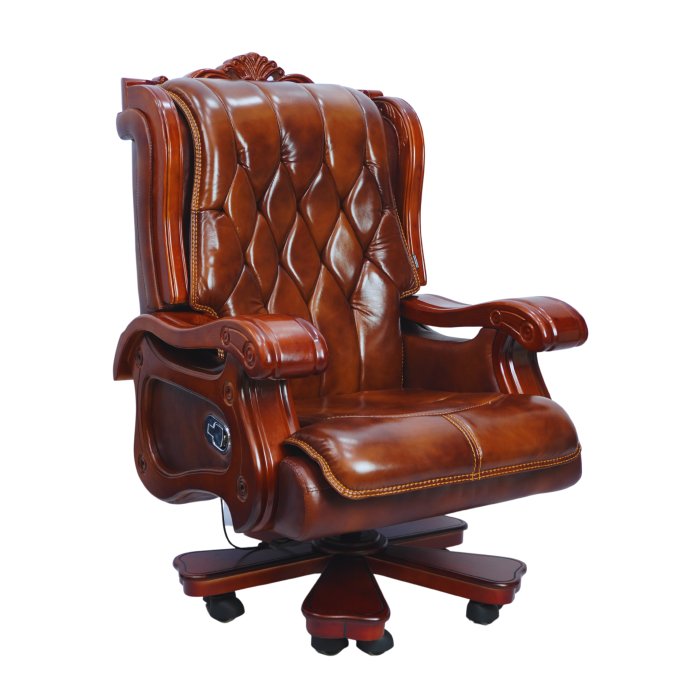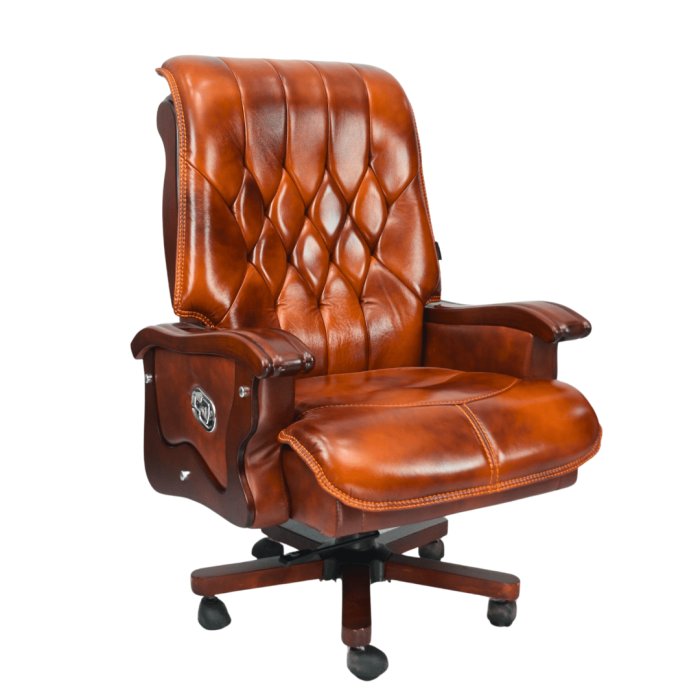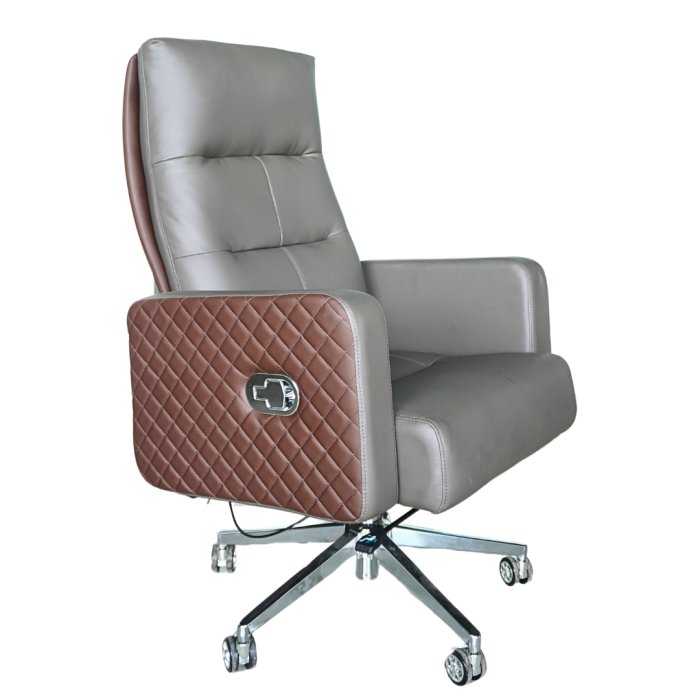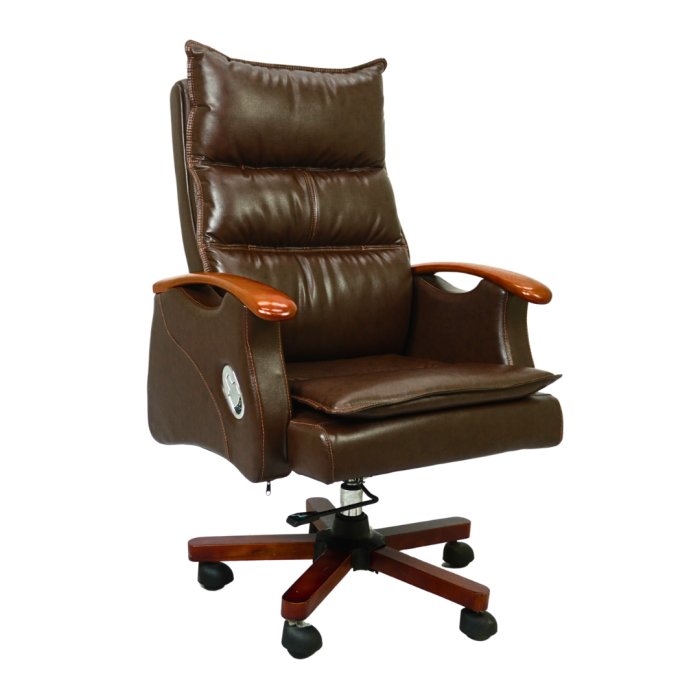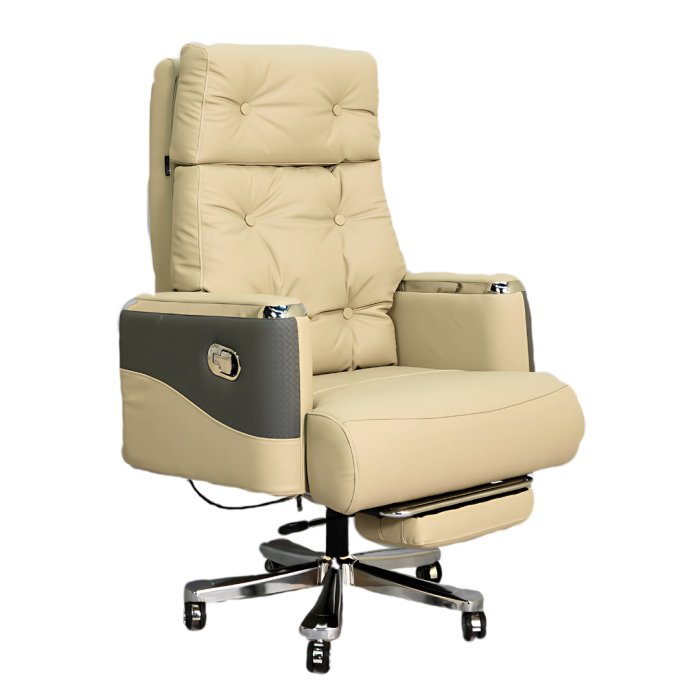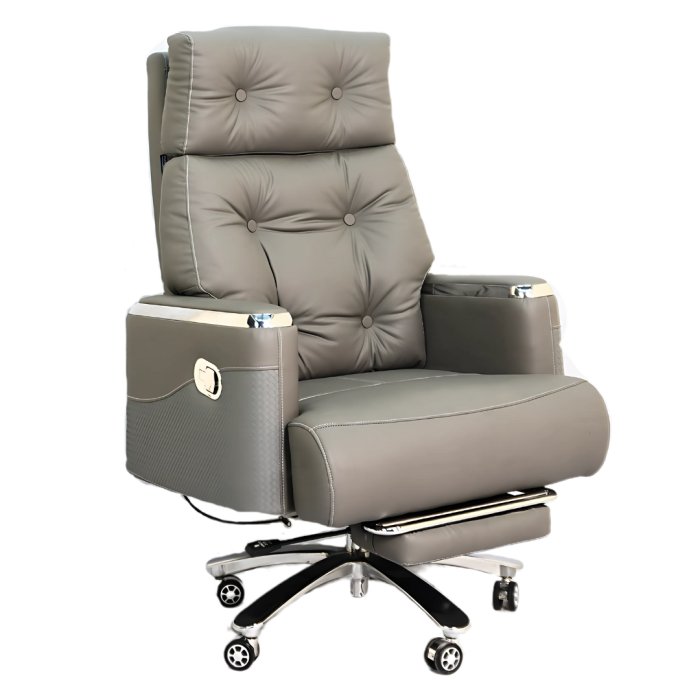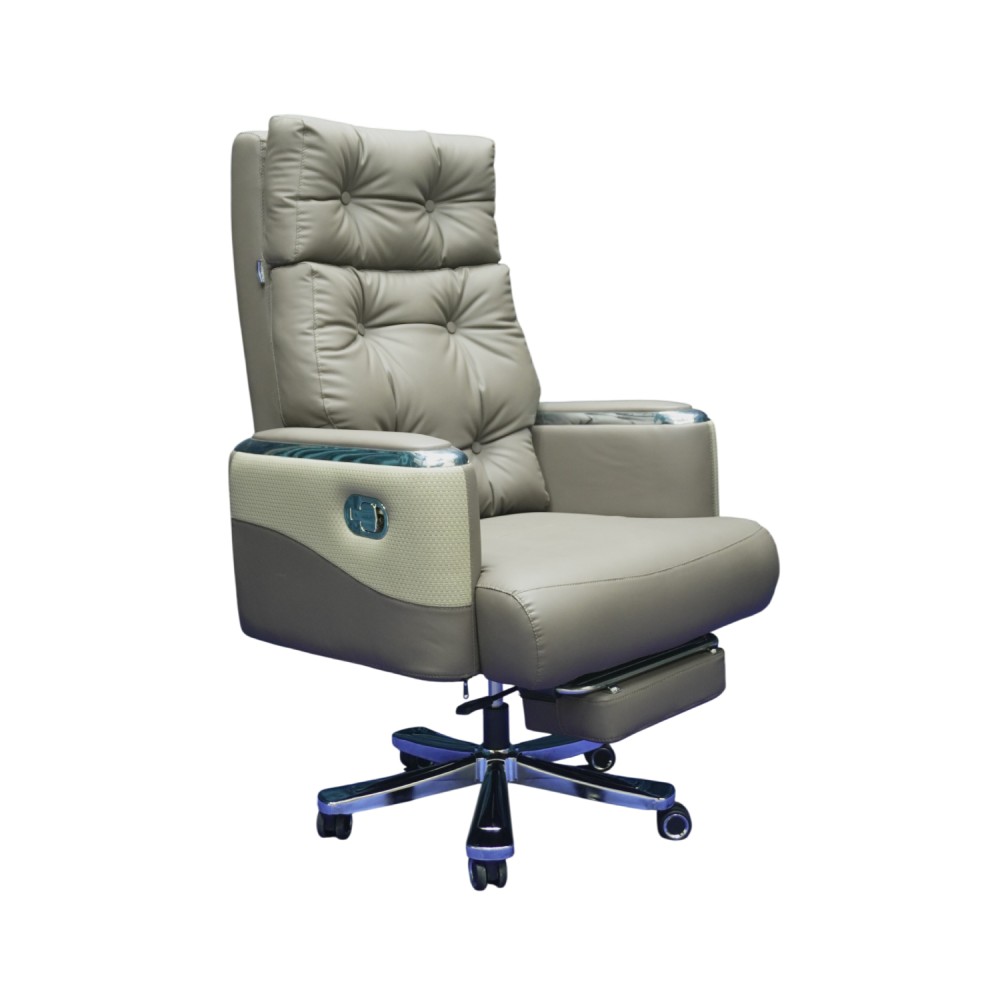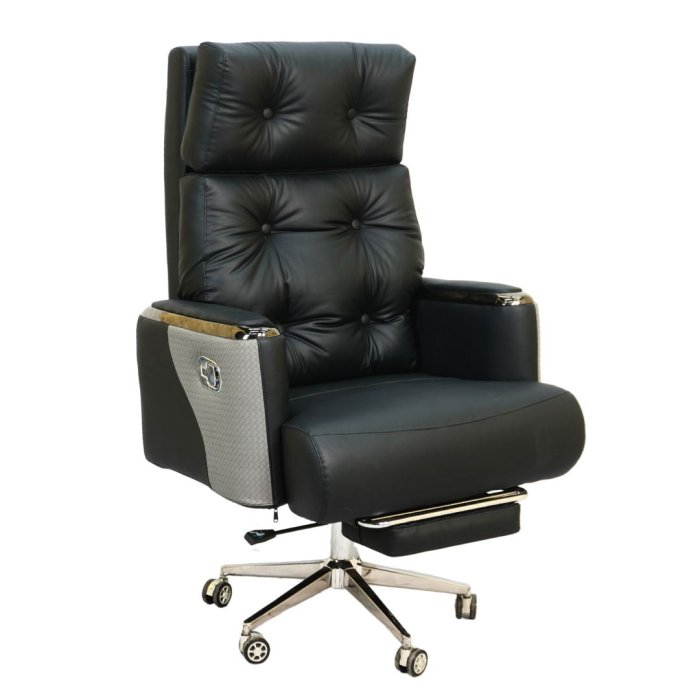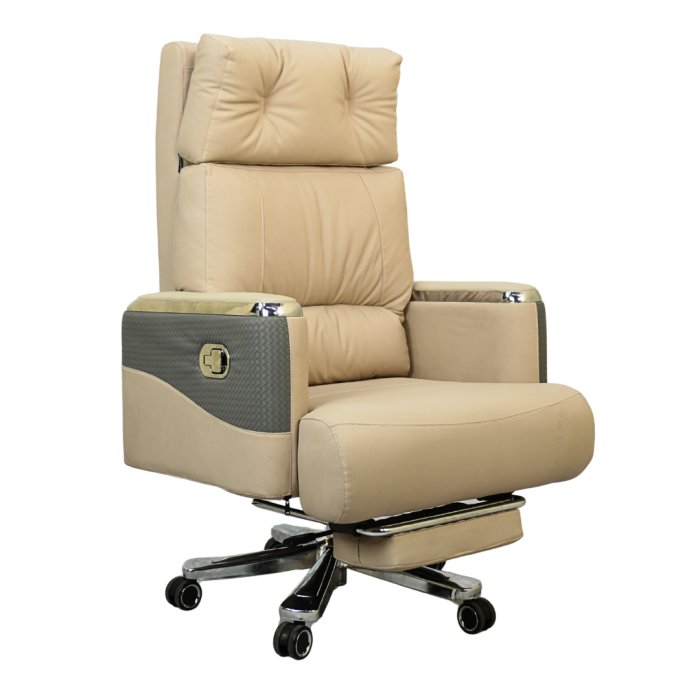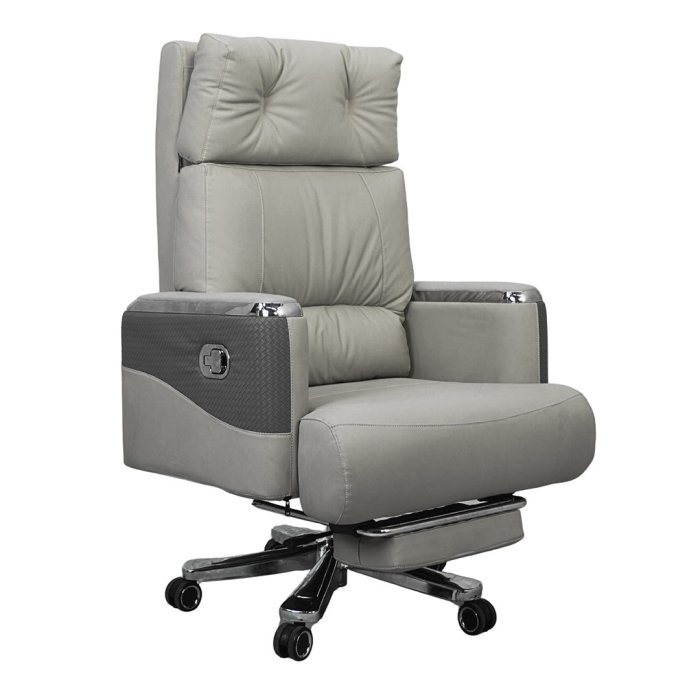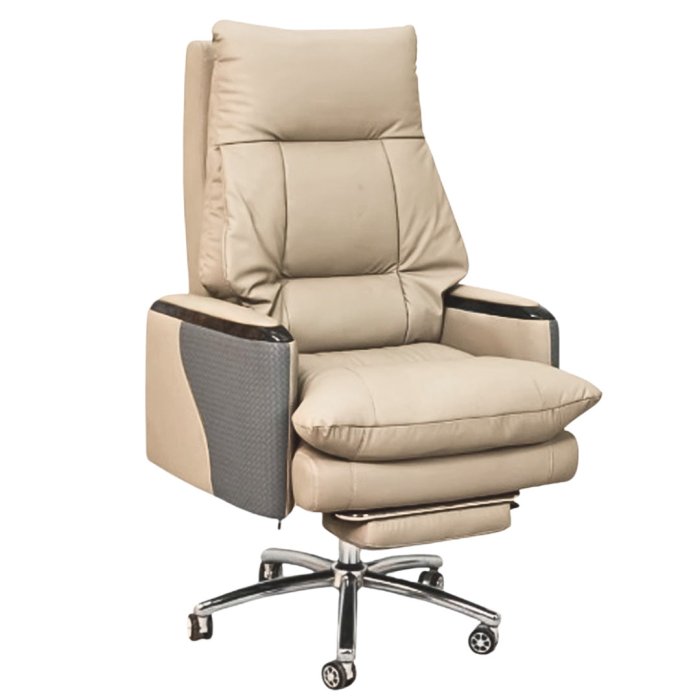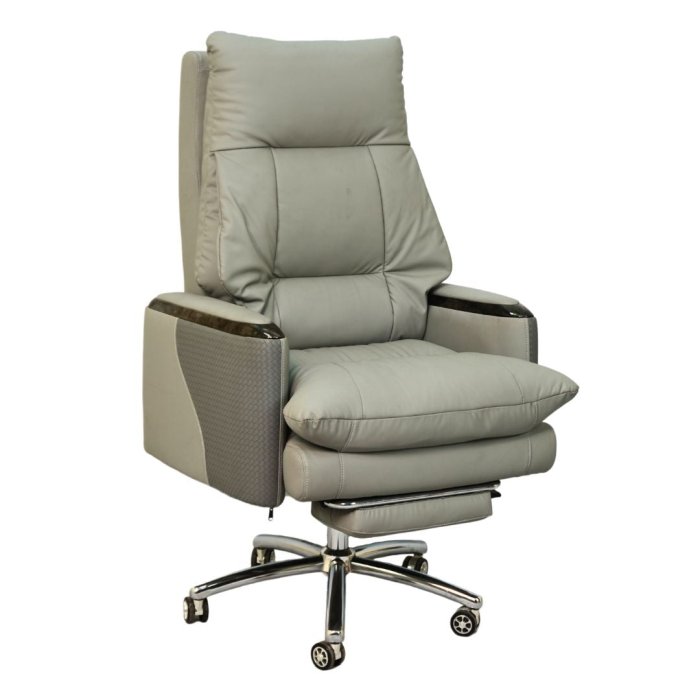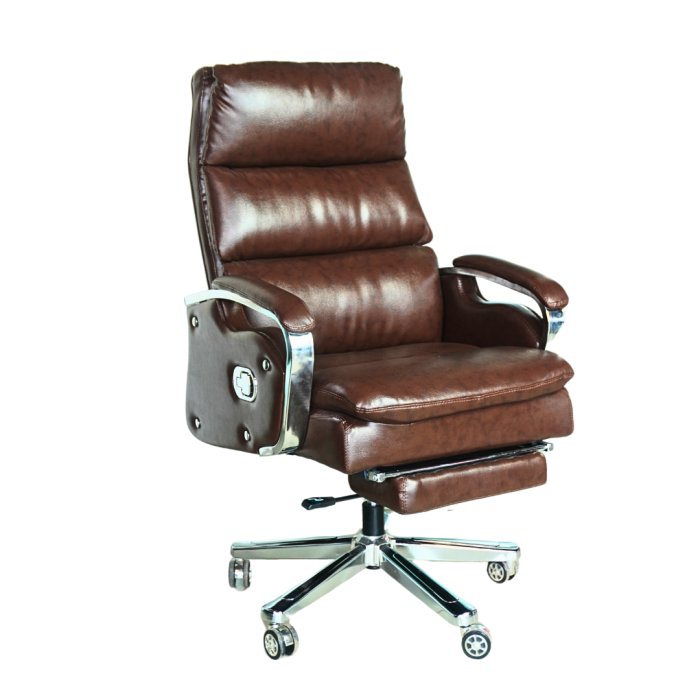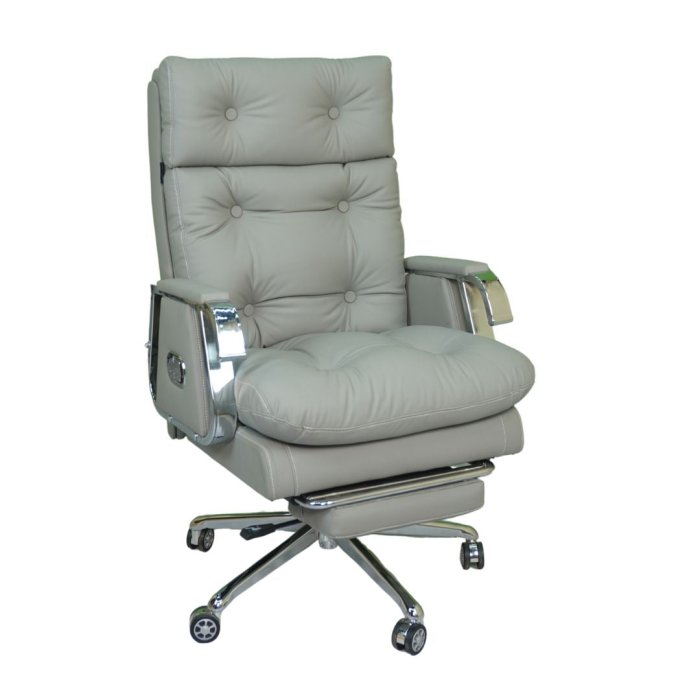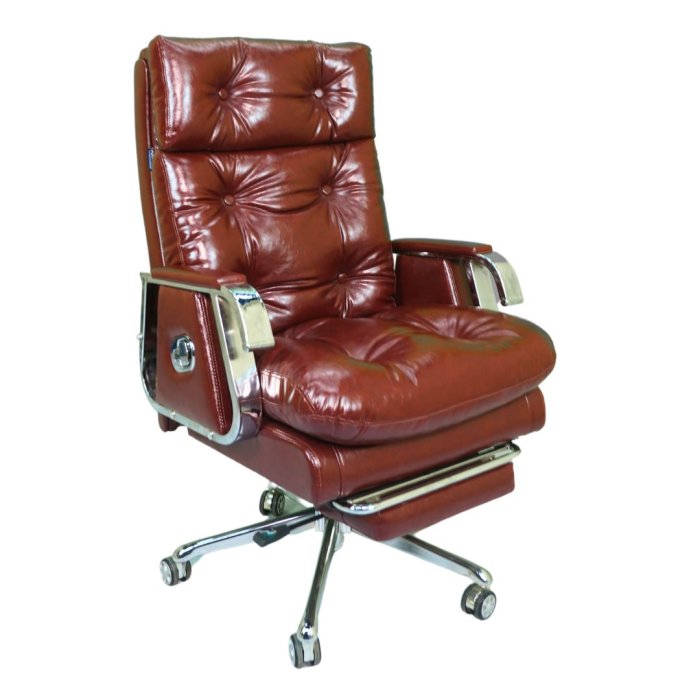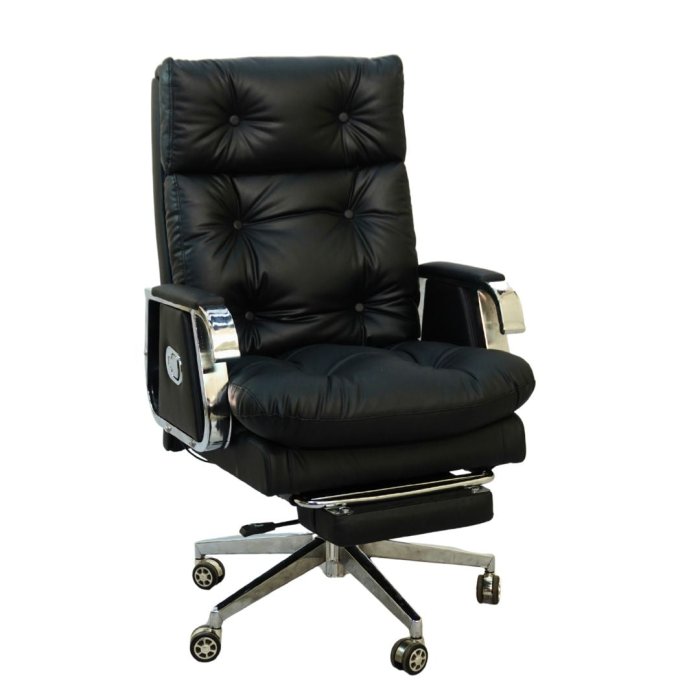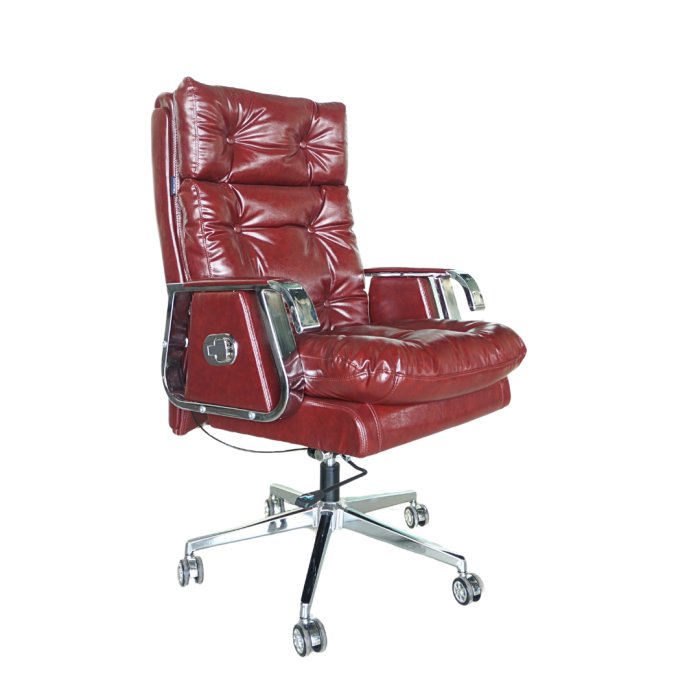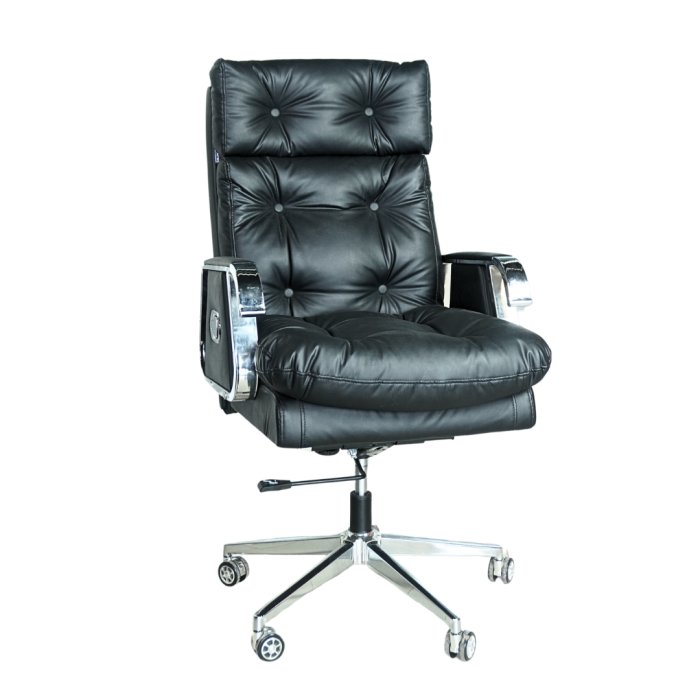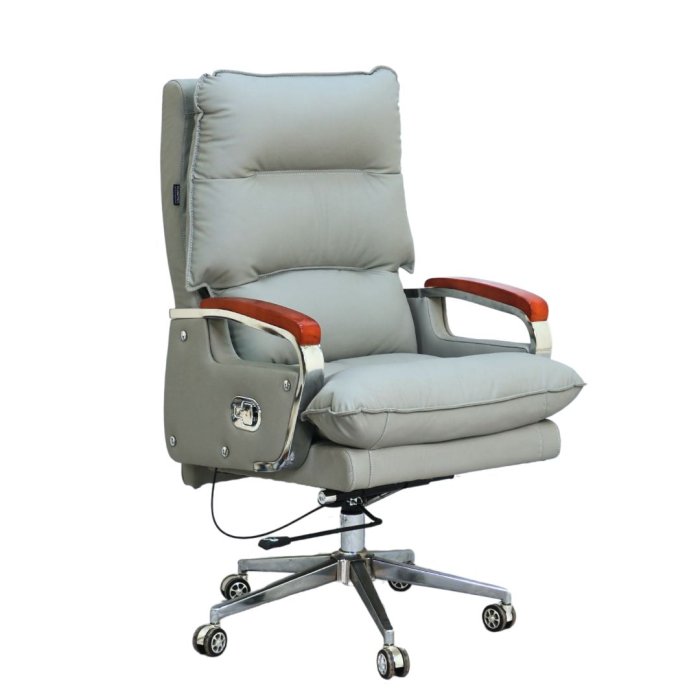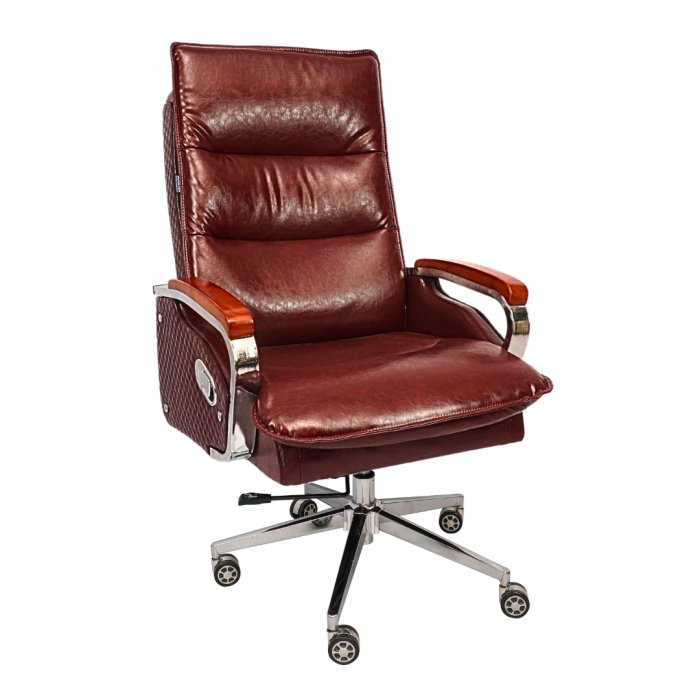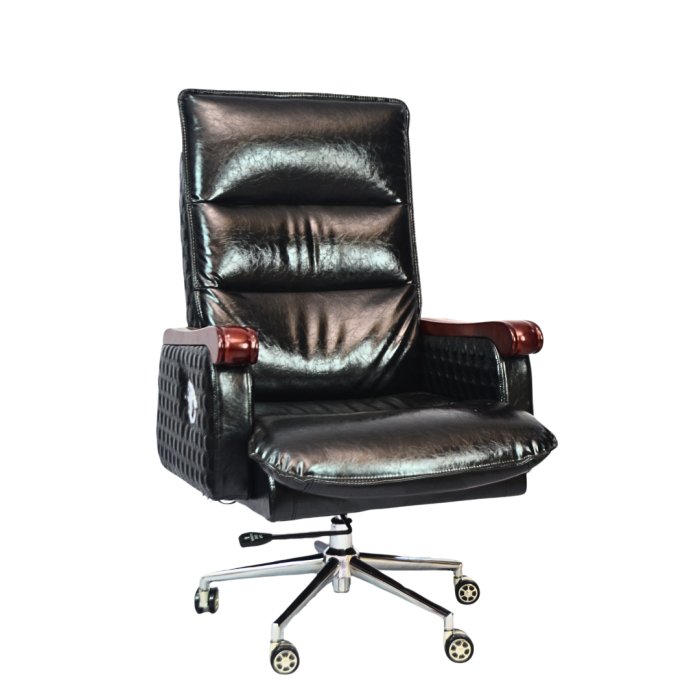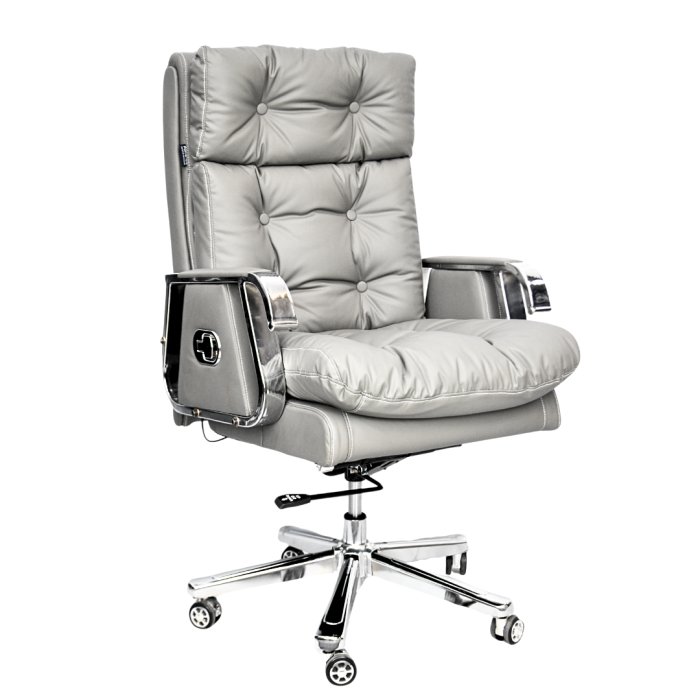
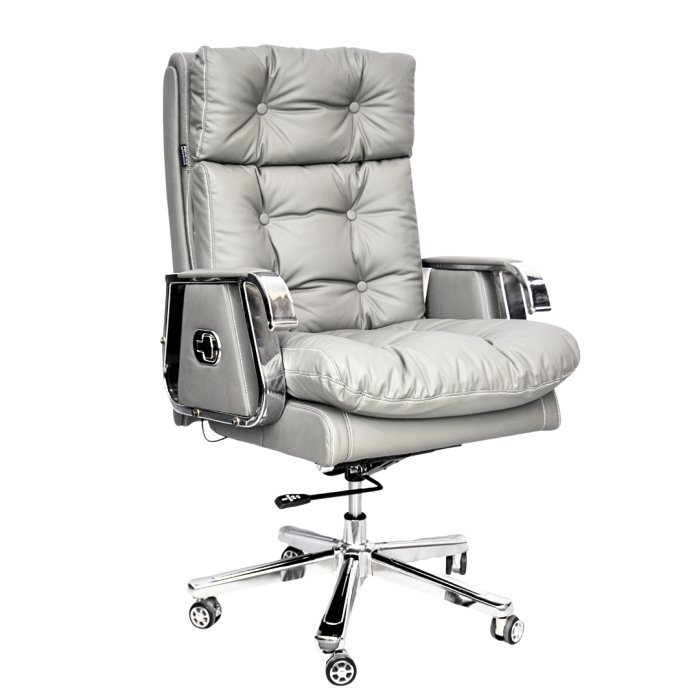
Comfortable Luxury Boss Chair (FT-HM09) gray
34424 tk 88400 tk
প্রোডাক্ট কোড: 446
| ঢাকার ভিতরে ডেলিভারি | ৳ 60 |
| ঢাকার বাইরে ডেলিভারি | ৳ 130 |
পন্যের বিবরণ
Professional Office Chair Built for Long Work Days
The Comfortable Luxury Boss Chair (FT-HM09) in gray is engineered for professionals who spend extended hours at their desk. Whether you're managing spreadsheets, attending back-to-back video calls, or handling administrative tasks, this chair provides the structured support your workspace demands. The neutral gray finish integrates seamlessly into any modern office environment—from corporate settings to home offices where professionalism matters.
Designed with daily desk use as the priority, this boss chair balances comfort with durability. The build quality reflects what you need for consistent, all-day seating without compromise. When you're working through projects or presentations, proper chair ergonomics can make the difference between an engaged, focused workday and one marked by distraction and fatigue.
Sizing and Fit for Standard Workspaces
This chair comes sized for typical office desk heights and standard user frames. Before purchasing, verify that your desk height pairs well with this model—most office desks work at 28-30 inches high, and this chair's proportions are built around that standard. The seat pan width and backrest dimensions follow conventional office furniture sizing, making it suitable for most workplace settings in Bangladesh, from Dhaka corporate offices to regional business centers.
The gray upholstery and neutral aesthetic mean this chair works across different office styles. It won't clash with minimalist workspaces or traditional setups. Place it at your desk, and it simply belongs—no jarring color transitions or design friction with your existing furniture.
Daily Use and Practical Durability
An office chair isn't just furniture; it's where you spend a significant portion of your working life. The Comfortable Luxury Boss Chair is built to handle regular, daily use without developing wobbles, squeaks, or structural issues within months. The frame and mechanisms are designed for the practical demands of a busy office—rolling between tasks, adjusting position throughout the day, and supporting your weight during focused work sessions.
Maintenance is straightforward. The gray fabric resists showing dust and minor marks common in workplace environments. If spills happen—coffee, tea, or ink—spot cleaning is manageable. This is practical furniture for real offices where things happen, not showroom pieces that require careful handling.
Why This Chair Works in Bangladesh Offices
Bangladeshi workplace culture values furniture that performs reliably without excessive fuss. Long work hours are common, particularly in Dhaka's corporate sector, manufacturing offices, and growing tech hubs. This chair supports that work culture with solid construction and a professional appearance that aligns with office norms across the country. Whether your workspace is air-conditioned or naturally ventilated, the gray upholstery and standard sizing adapt to local office conditions.
The FT-HM09 model designation indicates this is part of a recognized product line with consistent manufacturing standards, offering reassurance that parts and support are stable for the long term.
Investment in Your Workspace
Choosing the right office chair is an investment in your daily work experience. This chair asks you to spend time in a space where comfort and support matter, where your focus stays on your work rather than on physical discomfort. The gray color, neutral styling, and professional build make it a chair you'll use for years without feeling the need to replace it for aesthetic or functional reasons.
আপনার অফিসের জন্য পেশাদার বসার ব্যবস্থা
কমফোর্টেবল লাক্সারি বস চেয়ার (FT-HM09) ধূসর রঙে বাংলাদেশের অফিসে কাজ করা পেশাদারদের কথা মাথায় রেখে তৈরি। দিনভর ডেস্কে বসে কাজ করার সময় এই চেয়ারটি আপনাকে ঠিক সেই সাপোর্ট দেয় যা প্রয়োজন। ঢাকার কর্পোরেট অফিস থেকে শুরু করে দেশের বিভিন্ন প্রান্তের ব্যবসায়িক কেন্দ্র পর্যন্ত, এই চেয়ারটি সকল ধরনের পেশাদার পরিবেশে খাপ খায়। ধূসর রঙ এবং সাধারণ ডিজাইন মানে এটি আপনার অফিসের যেকোনো জায়গায় রাখতে পারবেন, এবং এটি সেখানে স্বাভাবিকভাবে মানানসই দেখাবে।
এই চেয়ারের নির্মাণ মান দৈনন্দিন দীর্ঘ কাজের কথা চিন্তা করে করা হয়েছে। বাংলাদেশের অফিস কালচারে দীর্ঘ কর্মঘণ্টা একটি বাস্তবতা, বিশেষ করে ঢাকার আইটি সেক্টর, ম্যানুফ্যাকচারিং এবং প্রশাসনিক অফিসে। এই চেয়ারটি সেই দাবির সাথে খাপ খায়—মজবুত তৈরি, নির্ভরযোগ্য এবং পেশাদার চেহারার। ধূসর ফ্যাব্রিক অফিসের দৈনন্দিন ব্যবহারে দাগ এবং ধুলো খুব বেশি দেখায় না, তাই পরিষ্কার রাখা সহজ।
আপনার ডেস্কে সারাদিন বসে থাকা একটি বড় ব্যাপার। এই চেয়ার নিশ্চিত করে যে আপনার মনোযোগ আপনার কাজে থাকে, শারীরিক অস্বস্তিতে নয়। FT-HM09 মডেল মানে এটি একটি স্থাপিত পণ্য লাইনের অংশ যেখানে রক্ষণাবেক্ষণ এবং দীর্ঘমেয়াদী সেবা নির্ভরযোগ্য থাকে। এটি আপনার অফিসে একটি বিনিয়োগ যা বছরের পর বছর টিকে থাকবে।