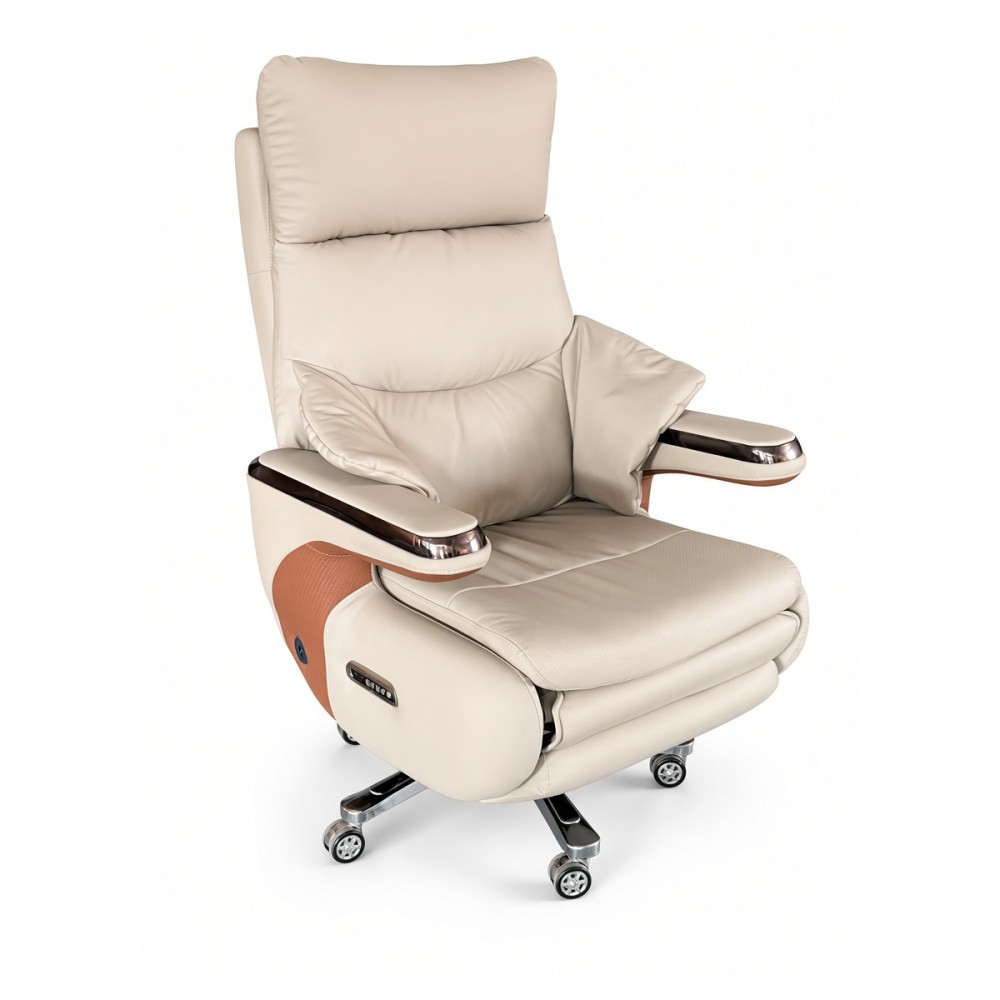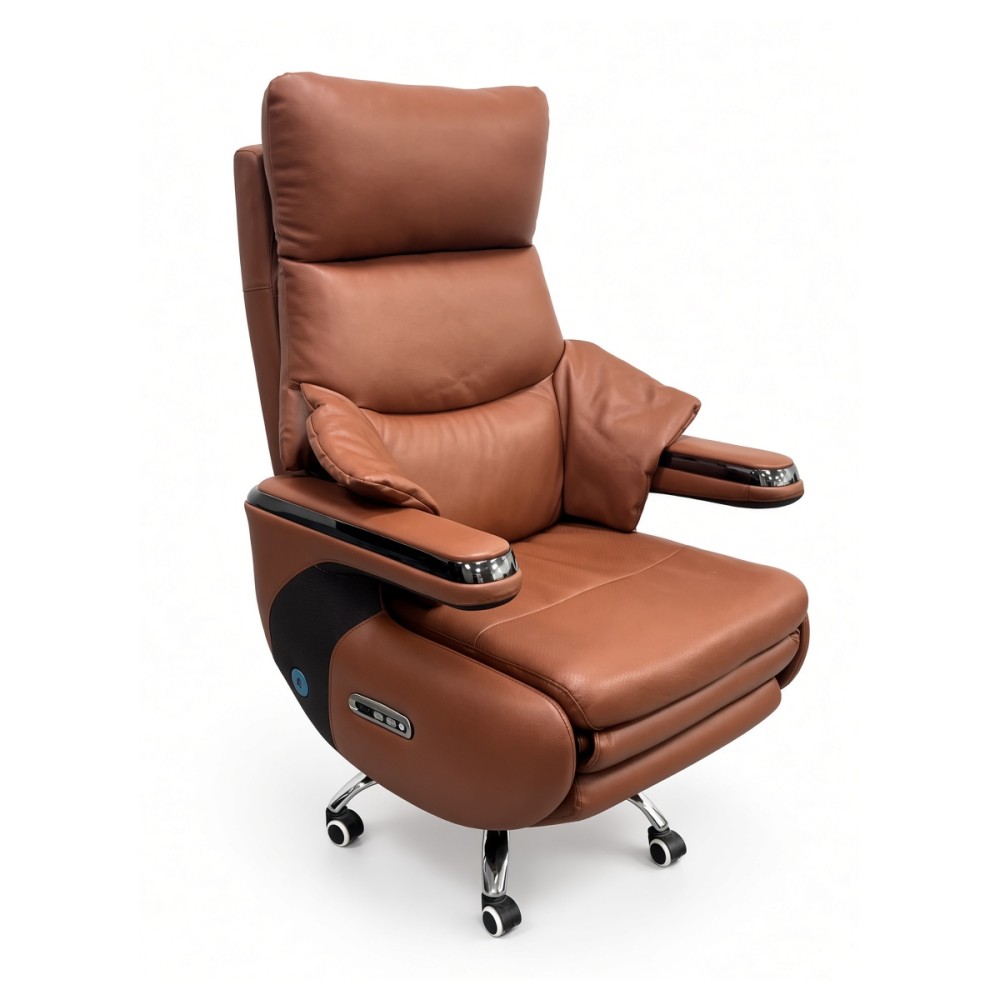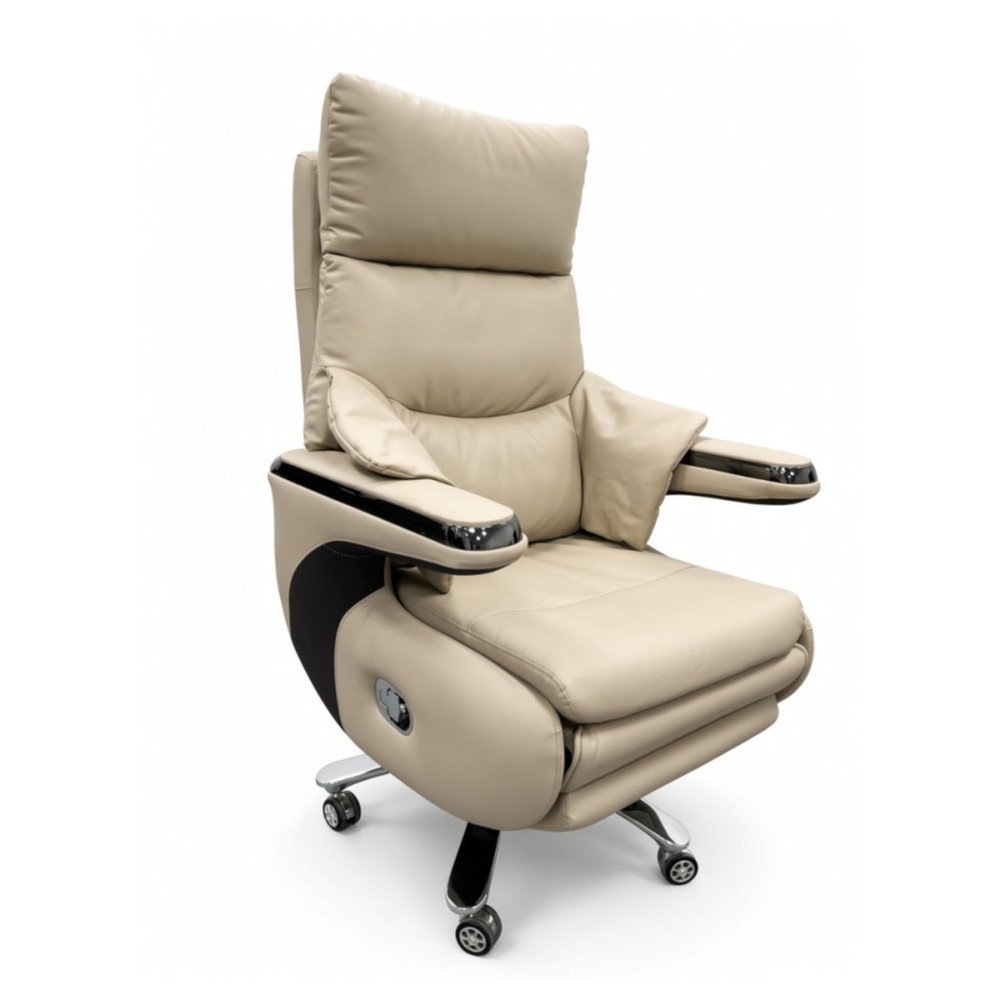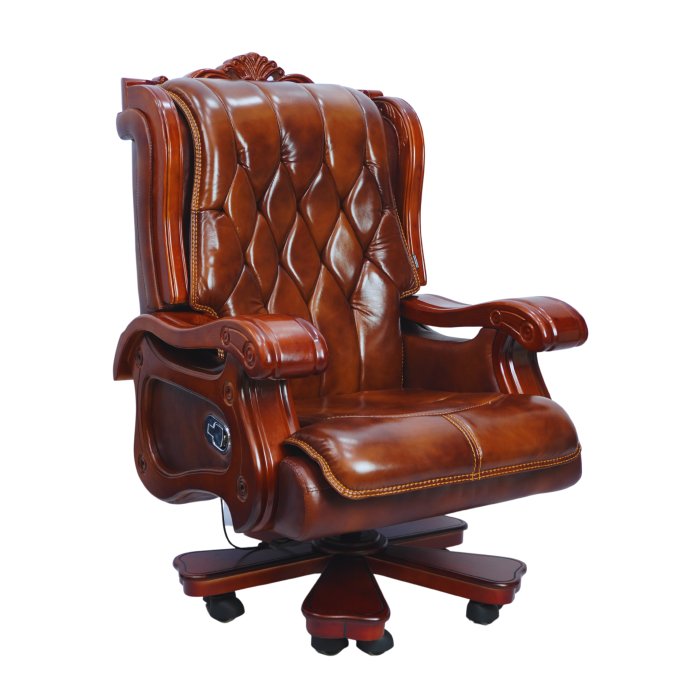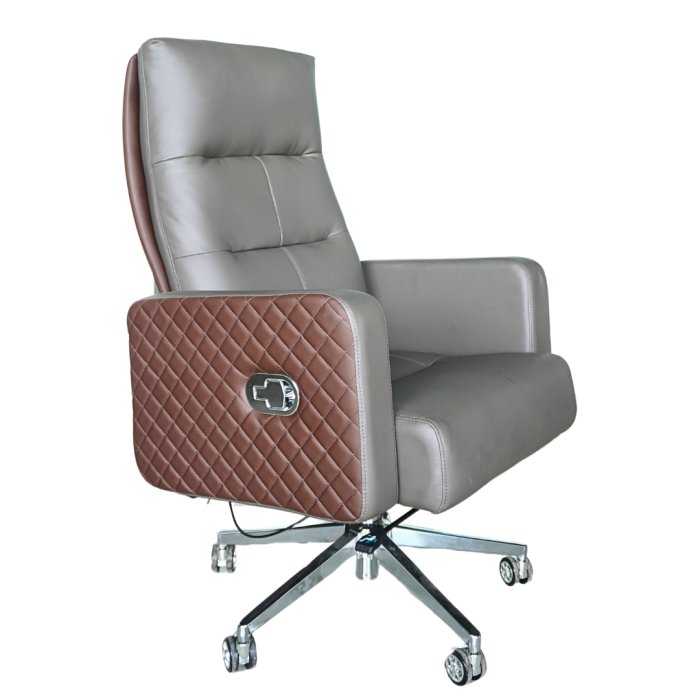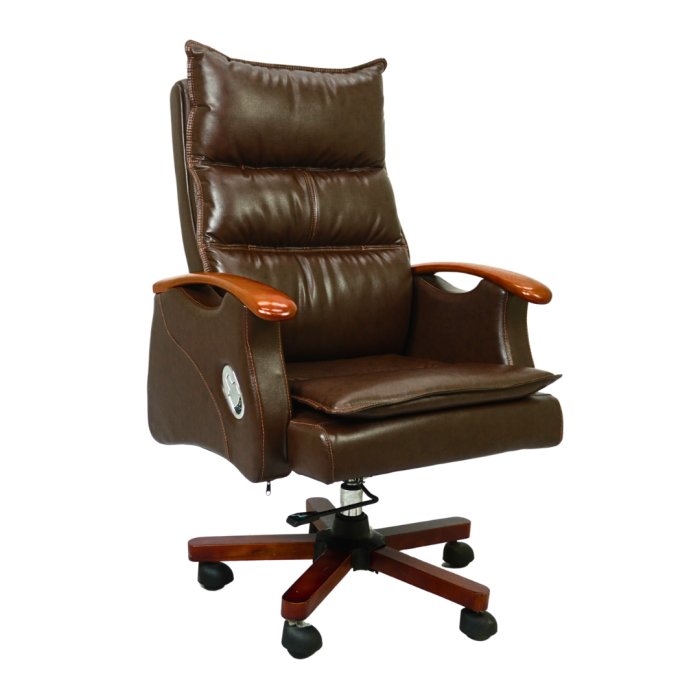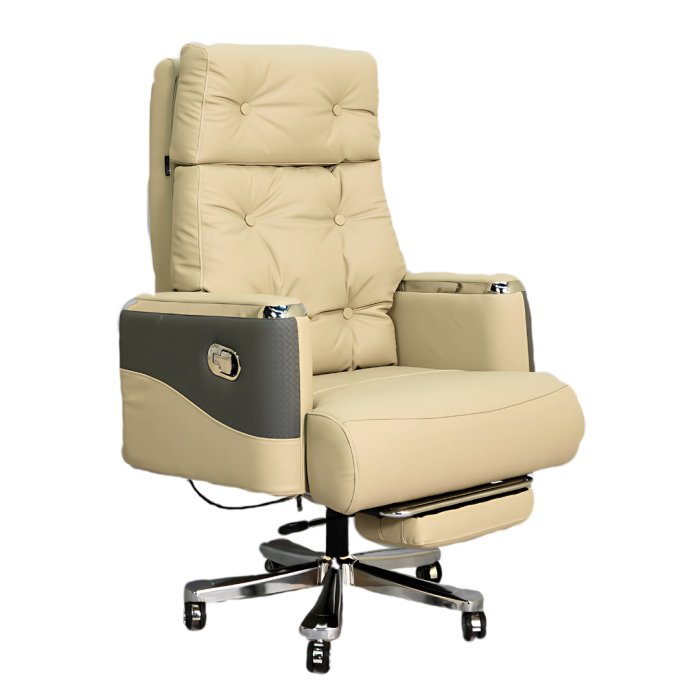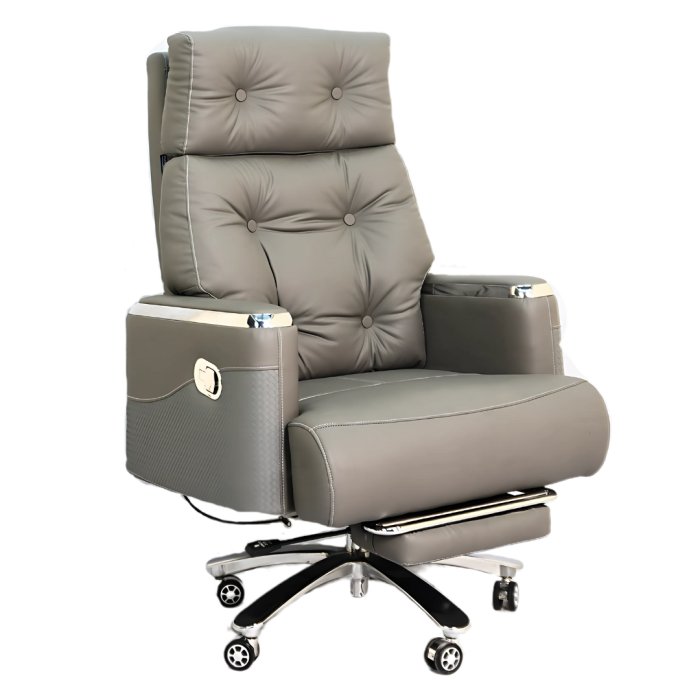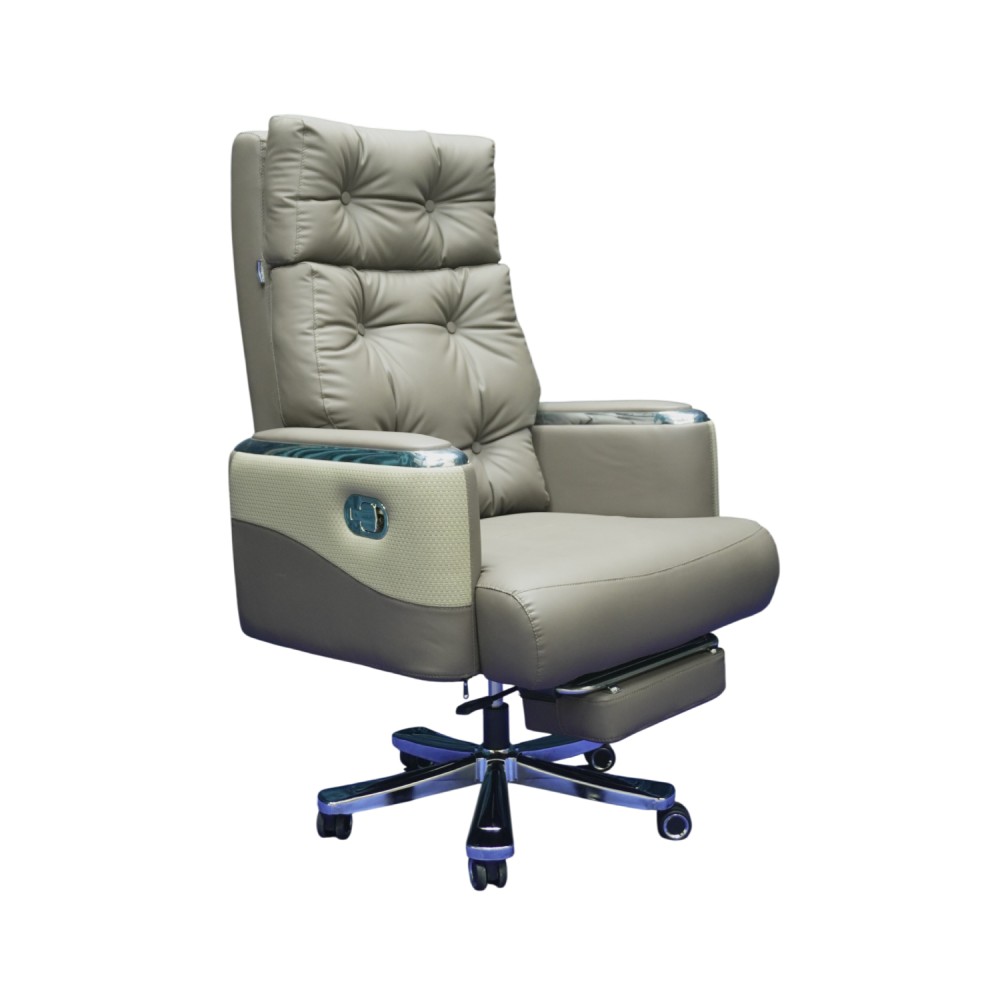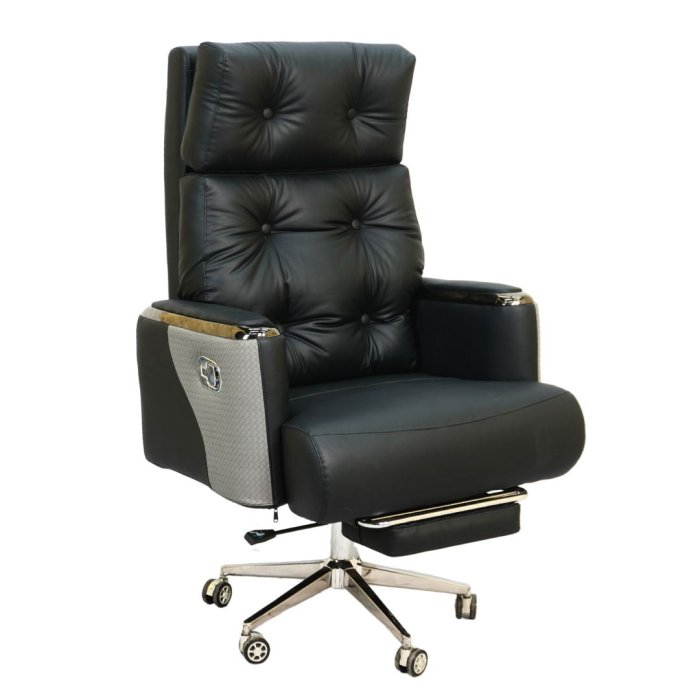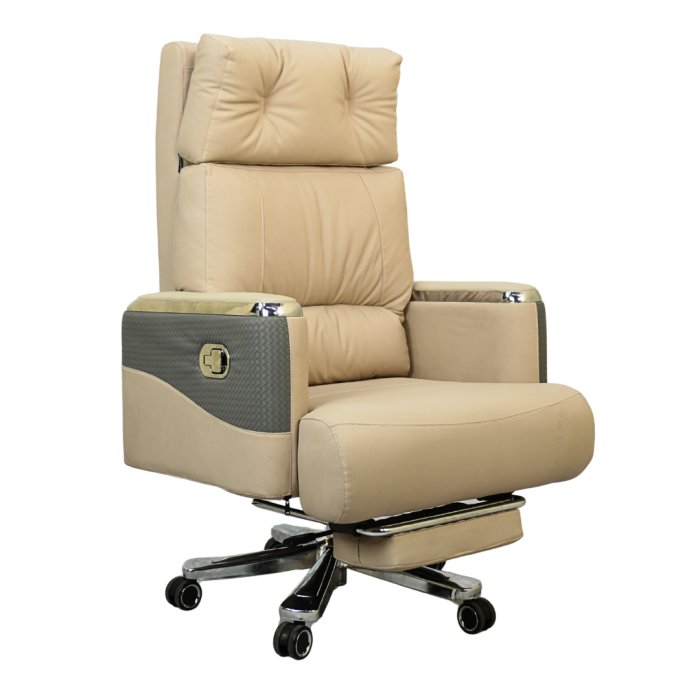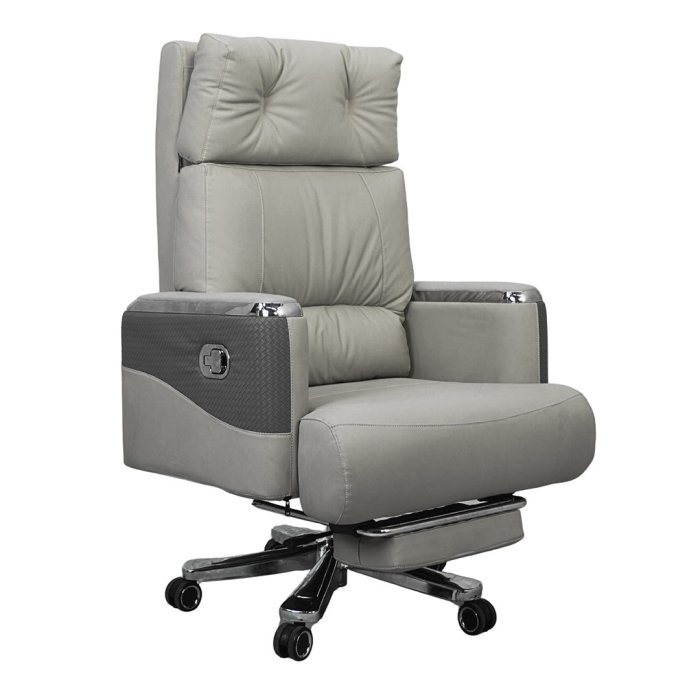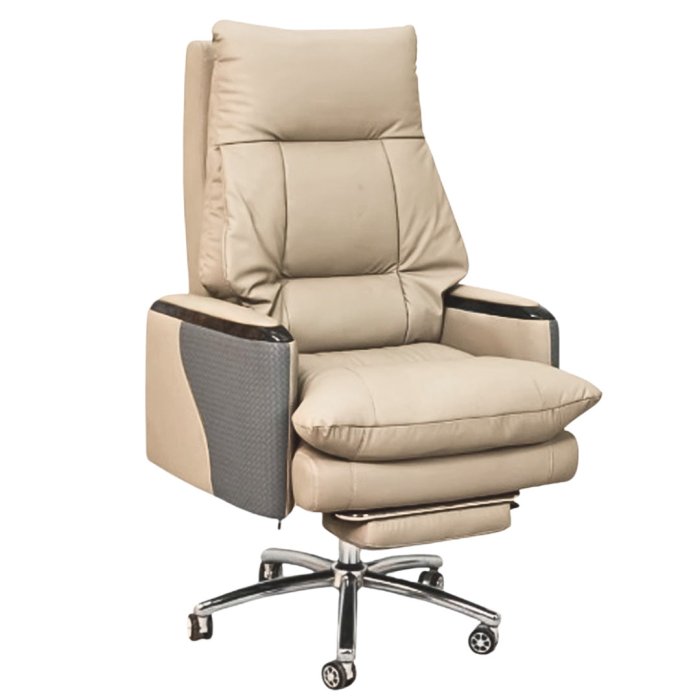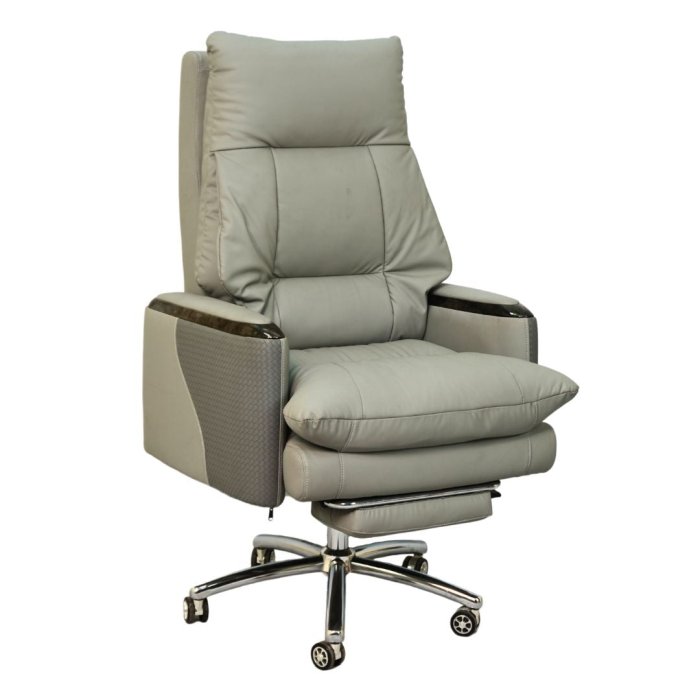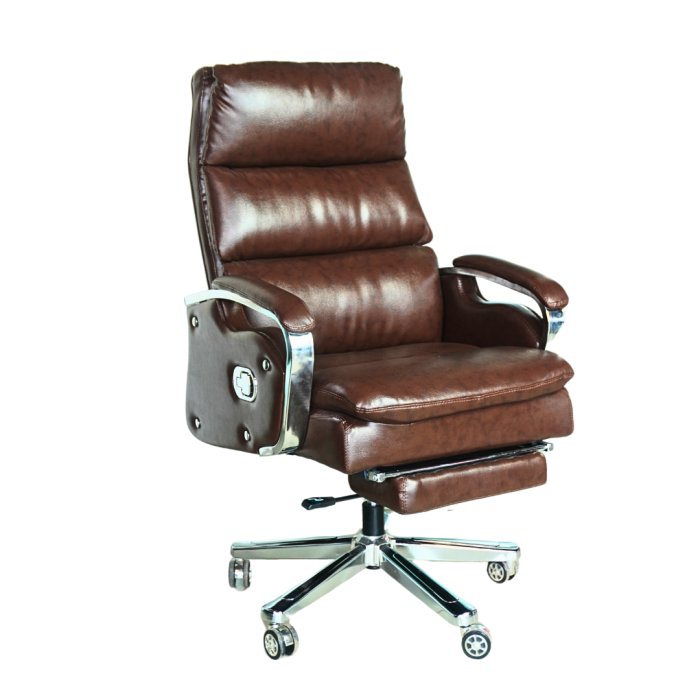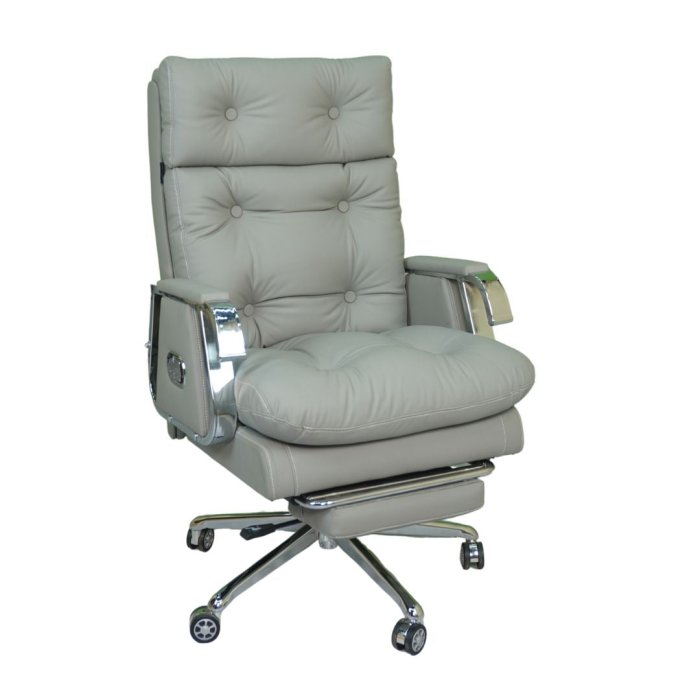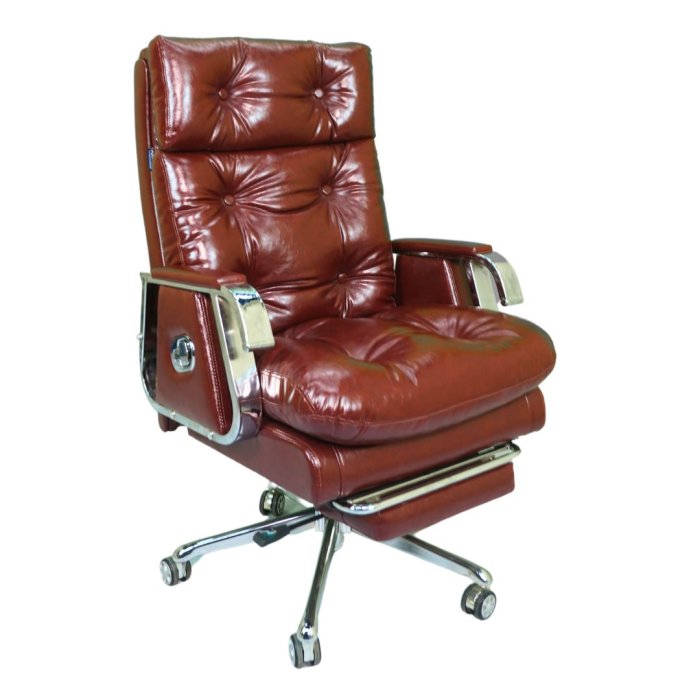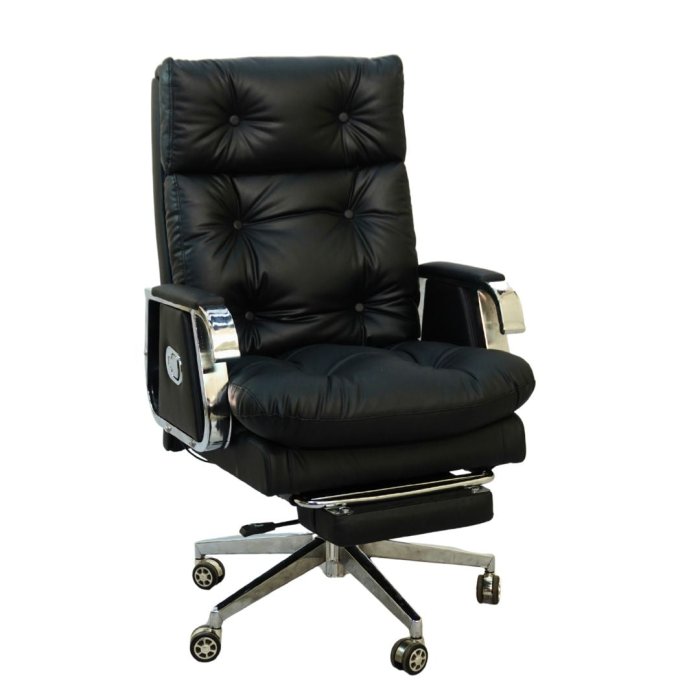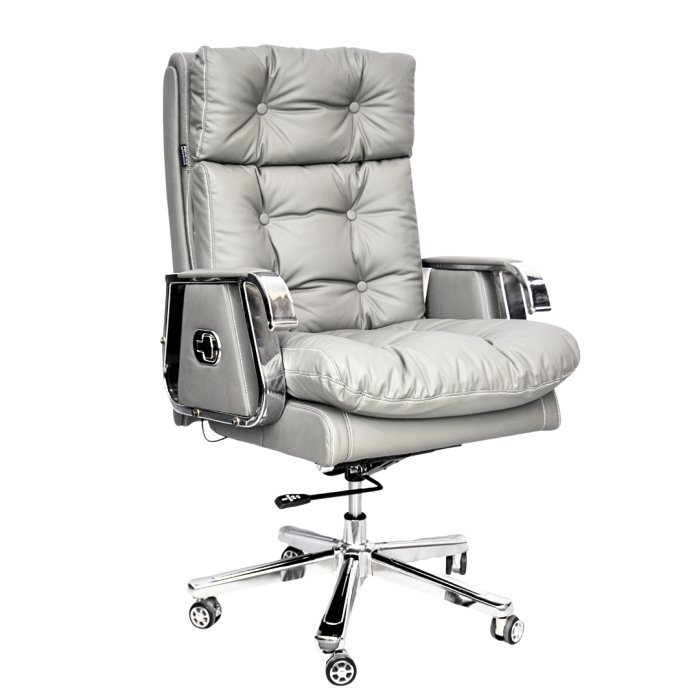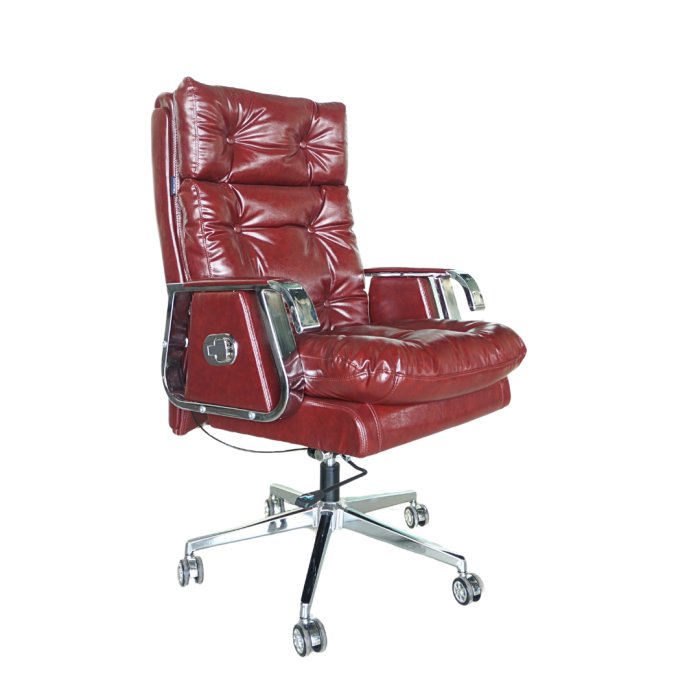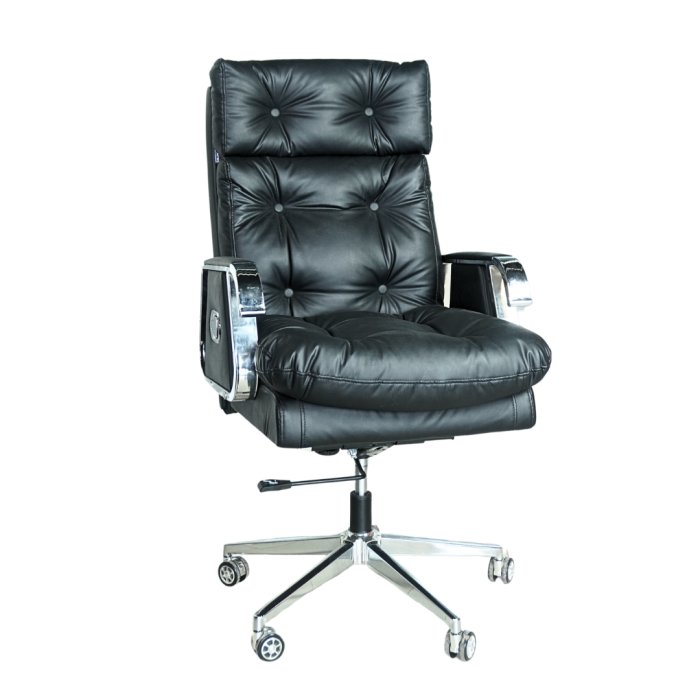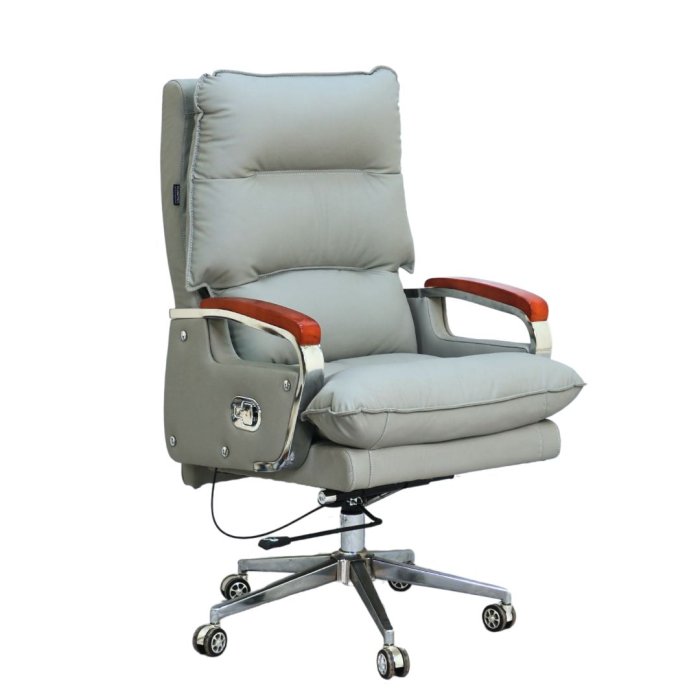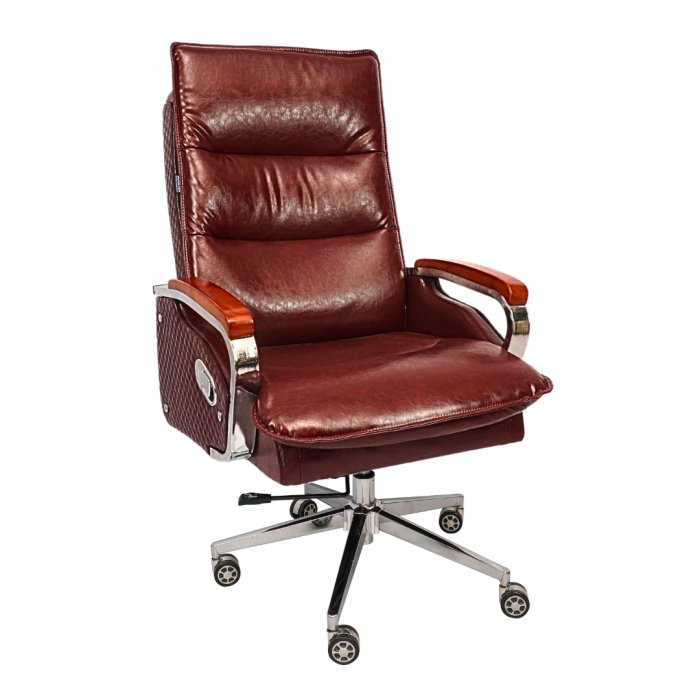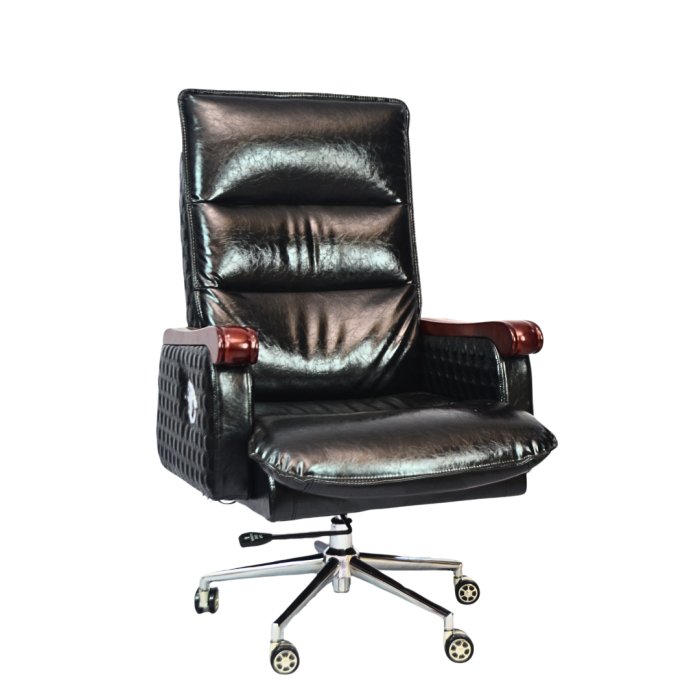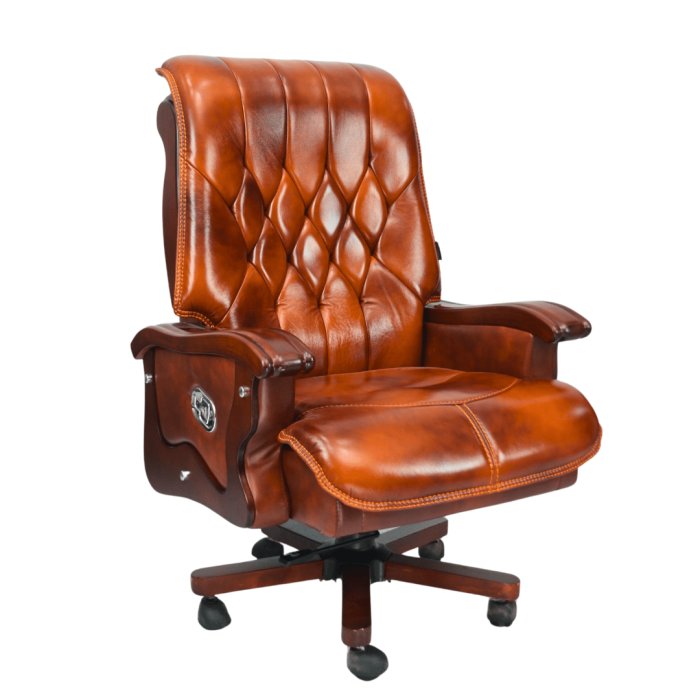
Royal Cowhide Leather Boss Chair (FT-H8052)
77532 tk 88400 tk
প্রোডাক্ট কোড: 621
| ঢাকার ভিতরে ডেলিভারি | ৳ 60 |
| ঢাকার বাইরে ডেলিভারি | ৳ 130 |
পন্যের বিবরণ
Premium Cowhide Leather Construction for Daily Office Use
The Royal Cowhide Leather Boss Chair (FT-H8052) is built for the workspace professional who spends long hours at a desk. Genuine cowhide leather covering provides durability and a professional appearance that suits any office environment. The material resists wear from daily contact and cleaning, making it a practical choice for busy workplace settings where furniture takes consistent use.
Cowhide leather develops a natural patina over time, meaning your chair will age gracefully rather than show premature damage. This makes it a sensible investment for your workspace setup, whether you're furnishing a corporate office, a home desk, or a shared coworking environment.
Sizing and Desk Positioning
This boss chair is engineered for standard desk heights and office layouts. The seat height and backrest dimensions are calibrated for typical workspace setups, allowing you to position yourself comfortably at your desk for document work, computer use, and meetings. When ordering, verify your desk height to ensure the chair sits at a proper working level—your forearms should rest parallel to your desk surface when seated with good posture.
The chair's footprint and base width are designed to fit within standard office floor plans without requiring excessive space around your workstation. Check your available floor area to confirm clearance when the chair is rolled back from your desk.
Build Quality and Structural Design
The FT-H8052 features a sturdy frame built to withstand the repeated use of a busy workday. The leather upholstery is paired with a solid construction beneath, ensuring the chair maintains its shape and support through months of daily use. Stitching on cowhide leather seams is a critical durability point—quality stitching prevents splitting and edge failure that can occur with cheaper alternatives.
The base and casters are designed for typical office flooring. Roll the chair smoothly across your workspace without catching or resistance. Over time, like any office furniture, moving parts may require maintenance to keep the chair rolling freely.
Care and Maintenance for Workplace Durability
Cowhide leather requires basic upkeep to maintain appearance. Regular light dusting removes surface particles. For spills, wipe promptly with a dry or slightly damp cloth. Avoid soaking the leather or using harsh chemicals, as these can damage the finish. Most office environments will not expose the chair to extreme conditions, but keep it away from direct prolonged sunlight if possible, as UV exposure can fade leather color over time.
Your workplace cleaning routine should include periodic wiping of the seat, backrest, and armrests. This simple habit extends the life of the leather and keeps the chair looking professional. As the leather ages naturally, minor scuffs and marks are normal and do not affect function—they are part of the cowhide's character.
Workspace Integration and Professional Appearance
A boss chair in genuine cowhide leather conveys professionalism in any office setting. The classic styling works with modern and traditional desk arrangements alike. Whether you're setting up a private office, a shared workspace, or a home desk for professional work, this chair presents a polished appearance suitable for client meetings and daily productivity.
The neutral tone of cowhide leather pairs easily with existing office décor, from minimalist desks to traditional conference room setups. Consider the color and finish when coordinating with your workspace's overall aesthetic.
রাজকীয় গরুর চামড়ার বস চেয়ার - কর্মক্ষেত্রের জন্য নির্ভরযোগ্য সমাধান
রয়্যাল কাউহাইড লেদার বস চেয়ার (FT-H8052) আপনার অফিসের ডেস্কে দীর্ঘ ঘণ্টা কাজ করার জন্য তৈরি করা হয়েছে। এটি খাঁটি গরুর চামড়ায় মোড়ানো, যা দৈনন্দিন ব্যবহারে টেকসই এবং পেশাদার চেহারা নিশ্চিত করে। অফিসের ব্যস্ত পরিবেশে ক্রমাগত ব্যবহারের বিরুদ্ধে এই চেয়ার ভালোভাবে প্রতিরোধ করতে পারে। গরুর চামড়া স্বাভাবিকভাবে সময়ের সাথে রঙ পরিবর্তন করে, যা আপনার চেয়ারকে আরও সুন্দর করে তোলে এবং দ্রুত ক্ষতির ঝুঁকি কমায়।
এই চেয়ারটি আপনার সাধারণ অফিস ডেস্কের সাথে পুরোপুরি মানানসই হওয়ার জন্য ডিজাইন করা হয়েছে। আপনি যখন বসবেন, আপনার বাহু ডেস্কের সমান্তরালে থাকা উচিত। চেয়ারটি আপনার অফিসের পরিসীমার মধ্যে ঘোরাফেরা করার জন্য যথেষ্ট কমপ্যাক্ট এবং স্ট্যান্ডার্ড অফিস মেঝের উপর মসৃণভাবে চলে। দৈনিক কাজের চাপ সামলাতে শক্ত ফ্রেম এবং মানসম্পন্ন সেলাই নিশ্চিত করে যে আপনার চেয়ার মাসের পর মাস নির্ভরযোগ্য থাকবে।
গরুর চামড়ার যত্ন সহজ - নিয়মিত হালকা ঝাড়ান এবং দাগ পড়লে শুকনো কাপড় দিয়ে মুছুন। কঠোর রাসায়নিক ব্যবহার এড়িয়ে চলুন। আপনার অফিস পরিচ্ছন্নতার অংশ হিসেবে নিয়মিত চেয়ারটি পরিষ্কার রাখলে এটি দীর্ঘদিন পেশাদার চেহারা বজায় রাখবে। একটি পেশাদার কর্মক্ষেত্রে এই ধরনের চেয়ার সর্বদা উপযুক্ত এবং বিশ্বাসযোগ্যতার প্রতীক হিসেবে কাজ করে।