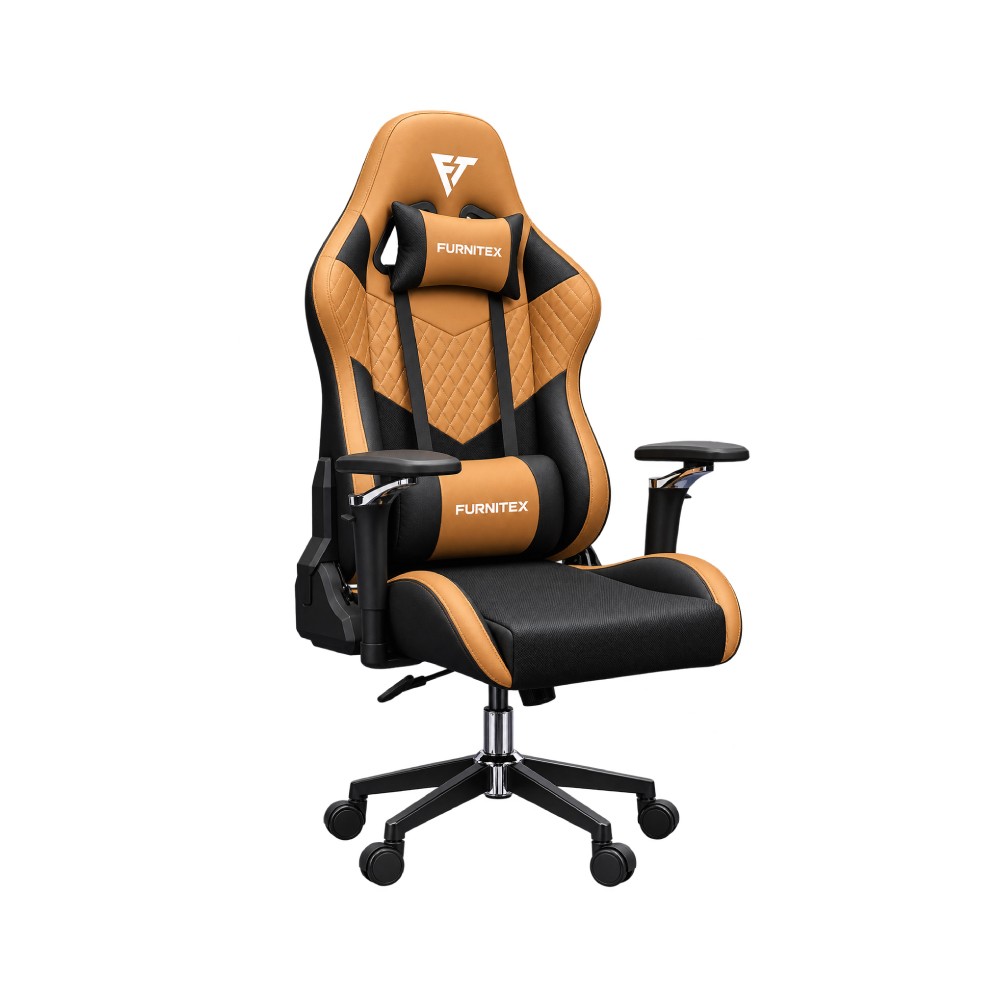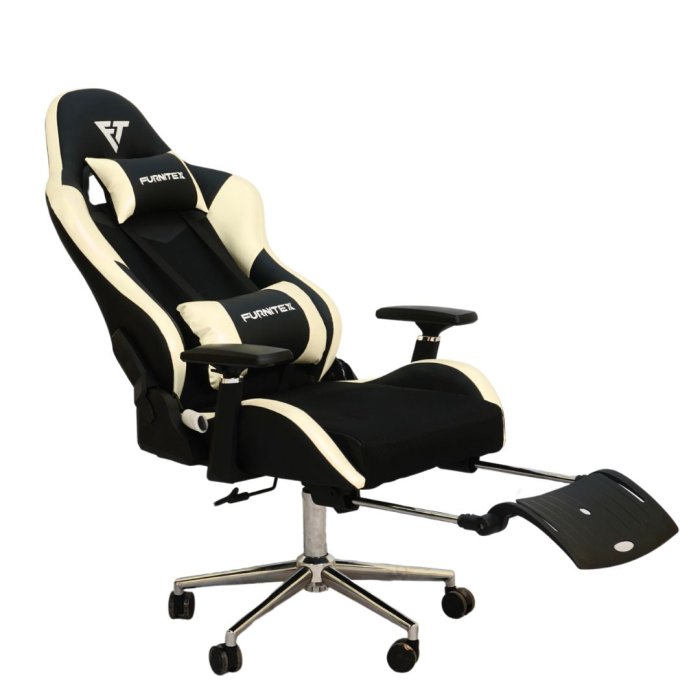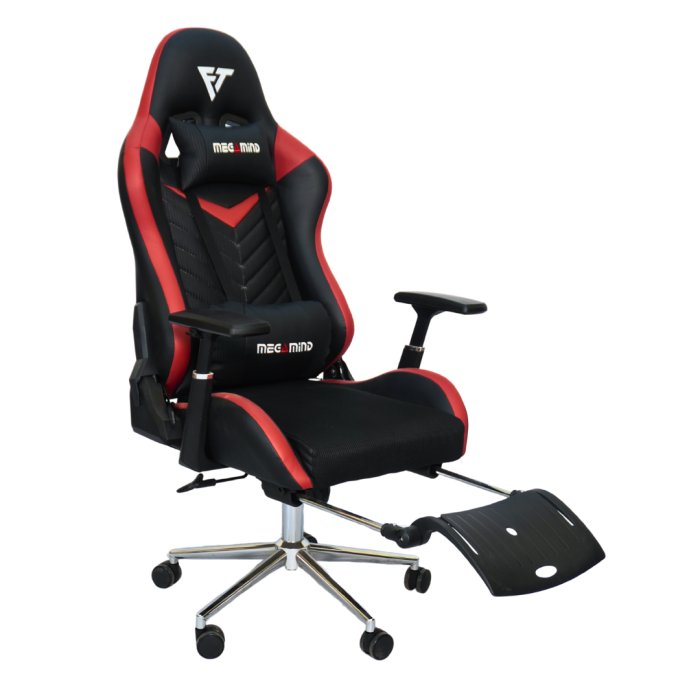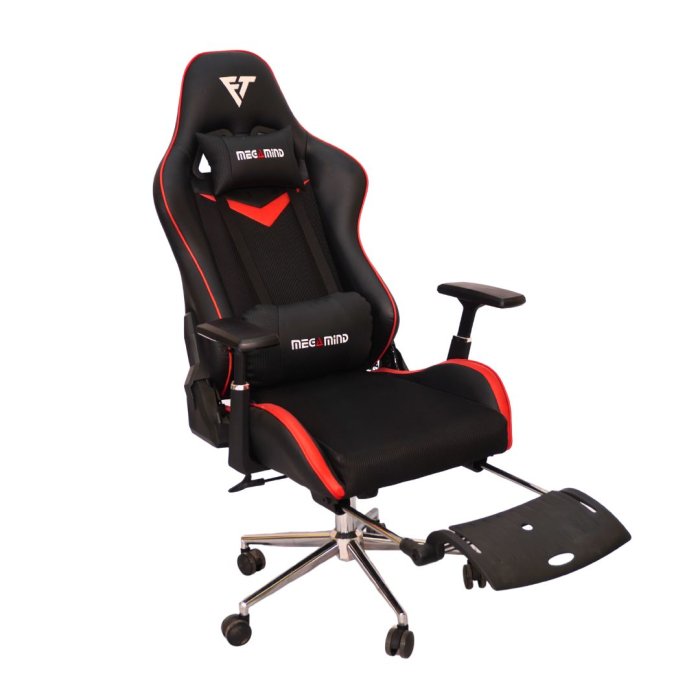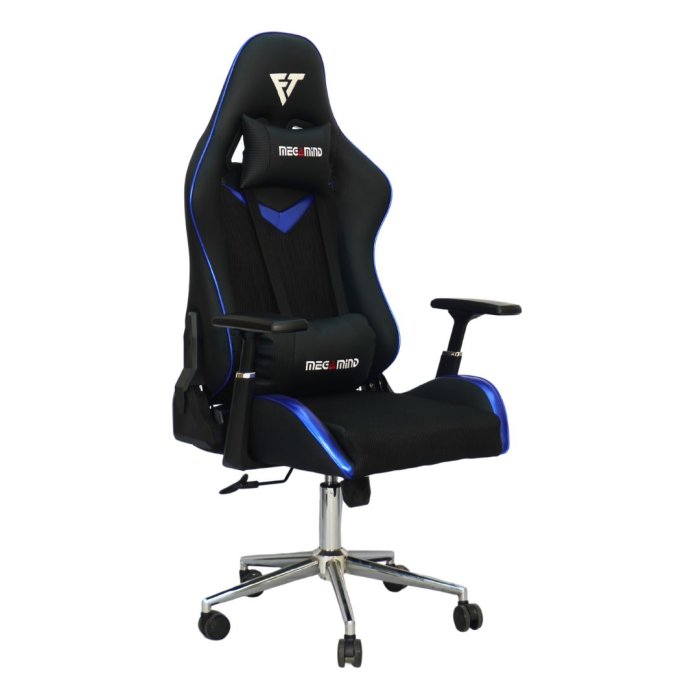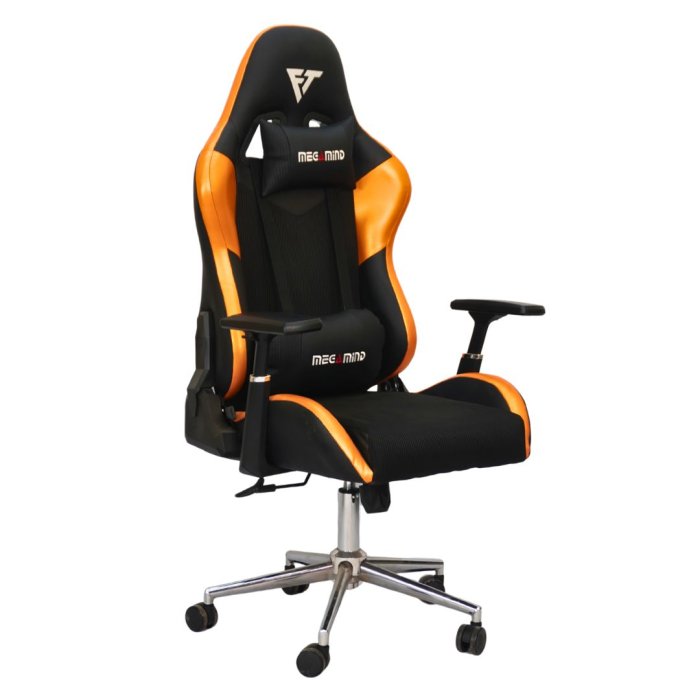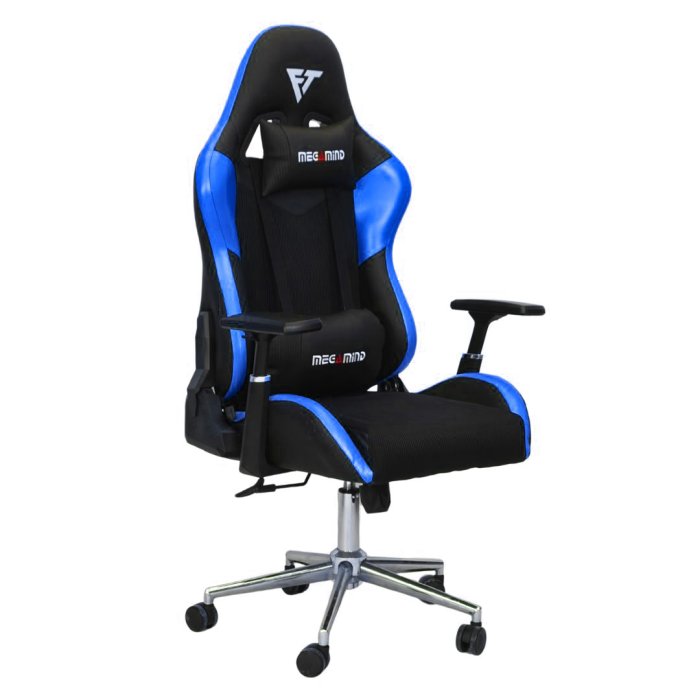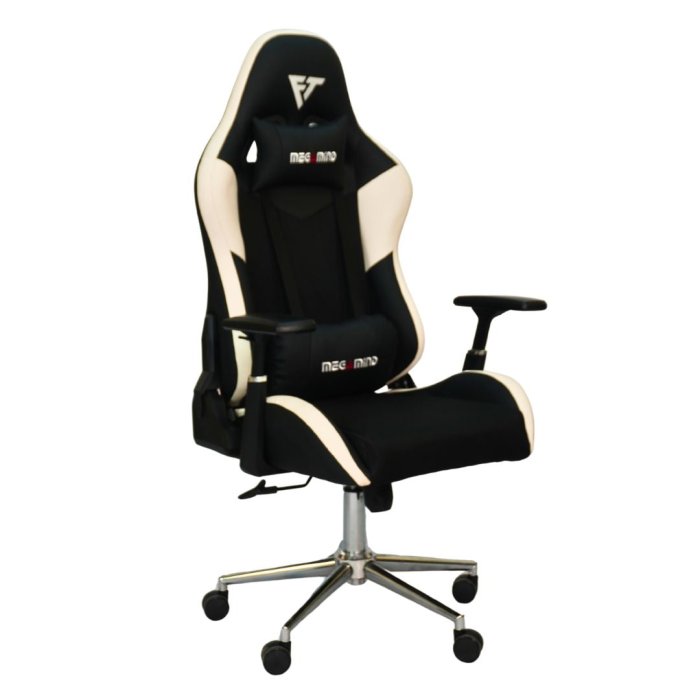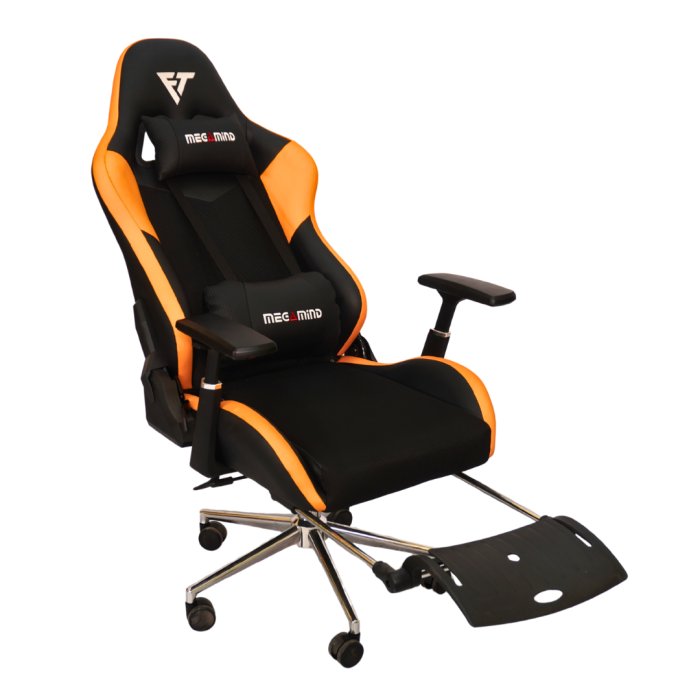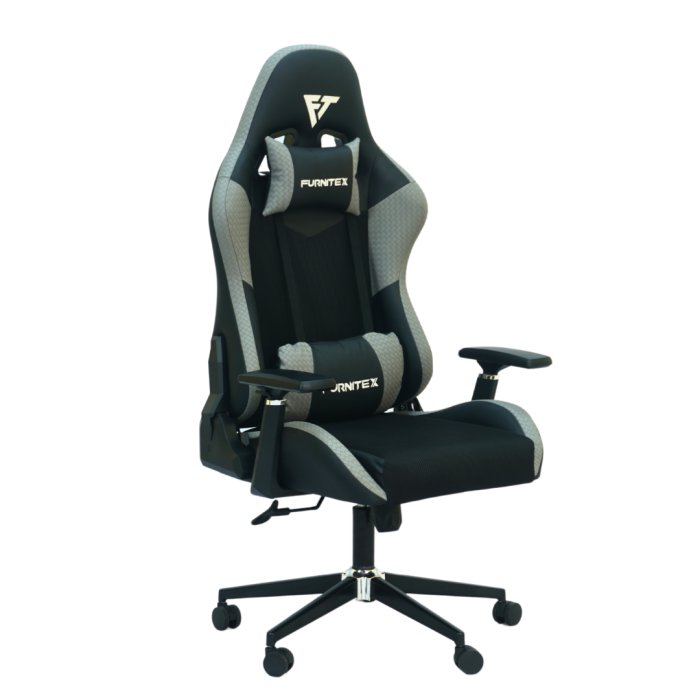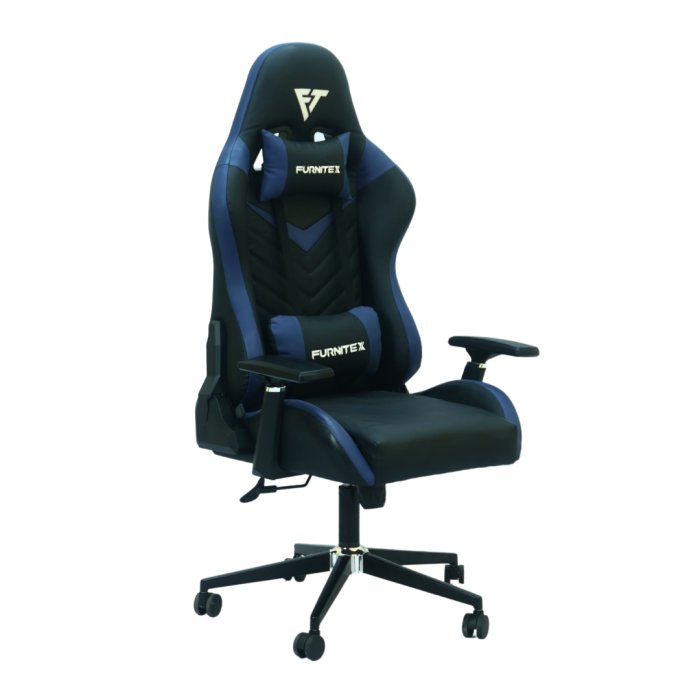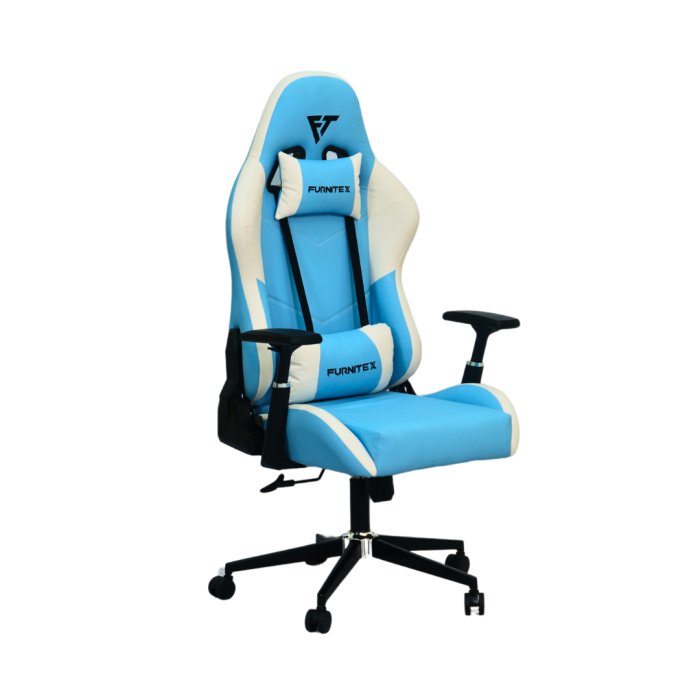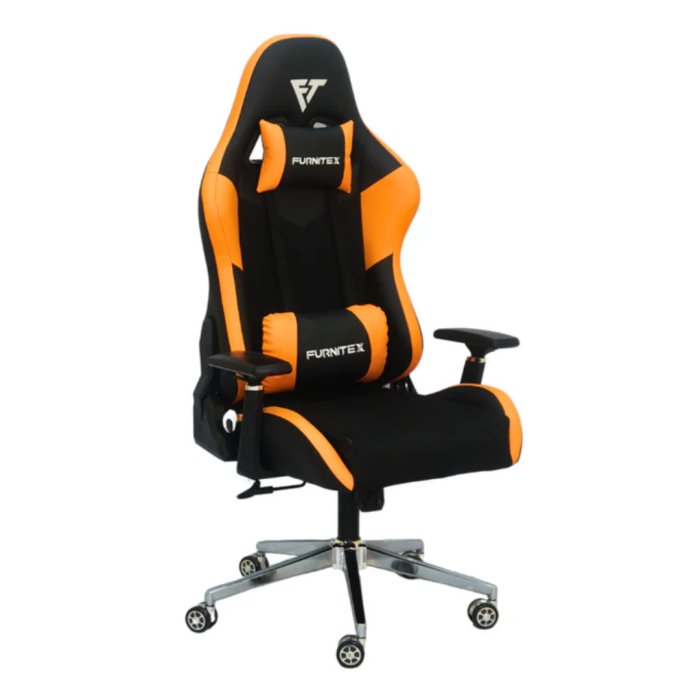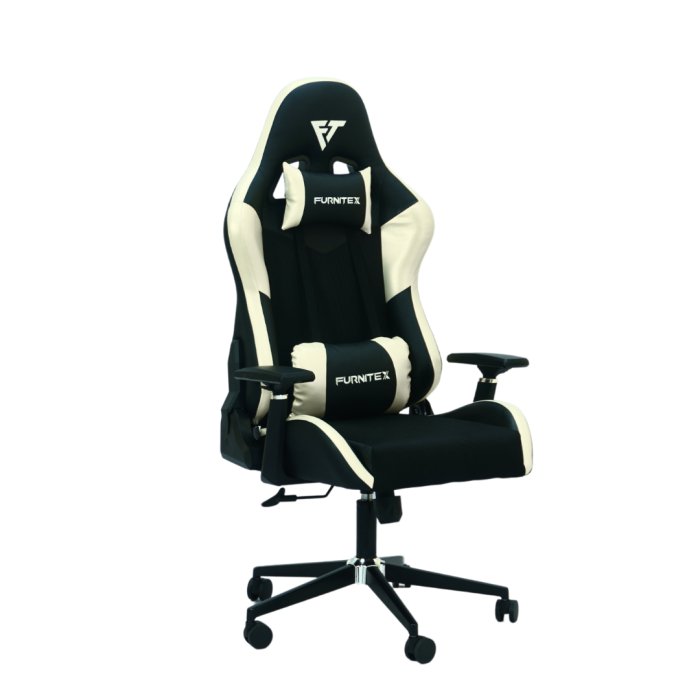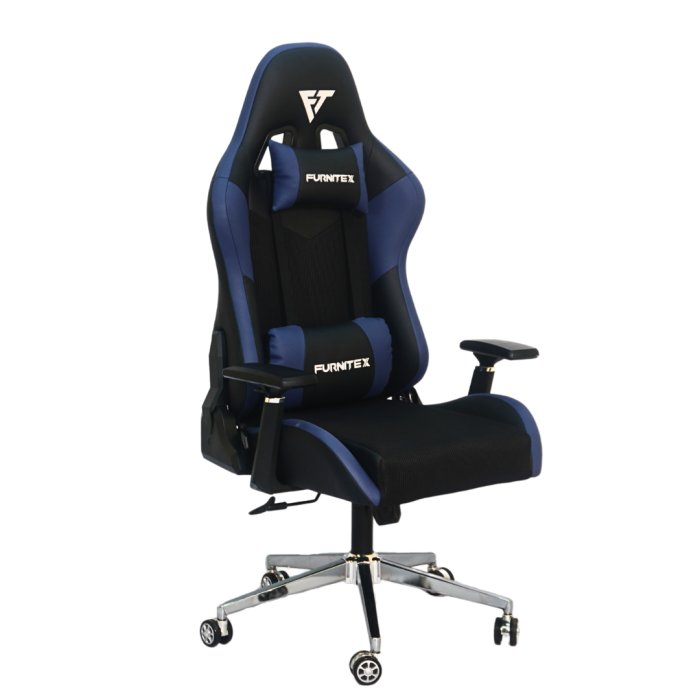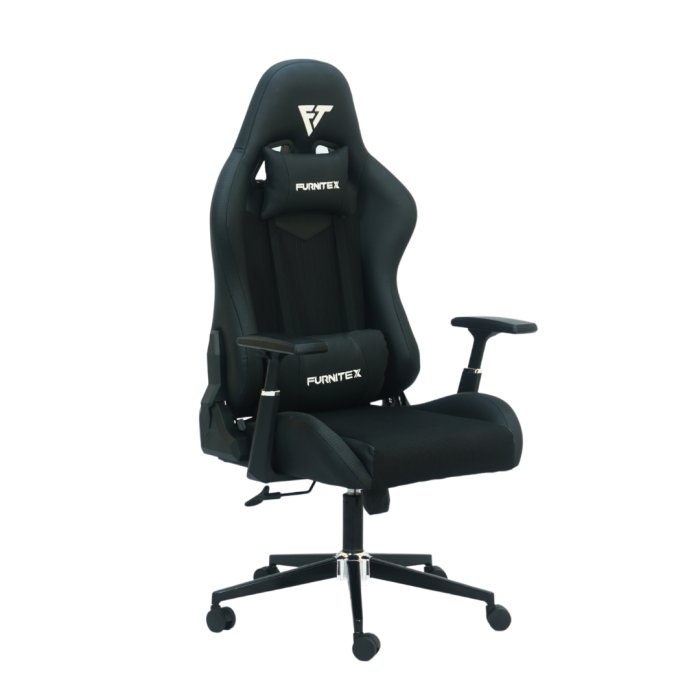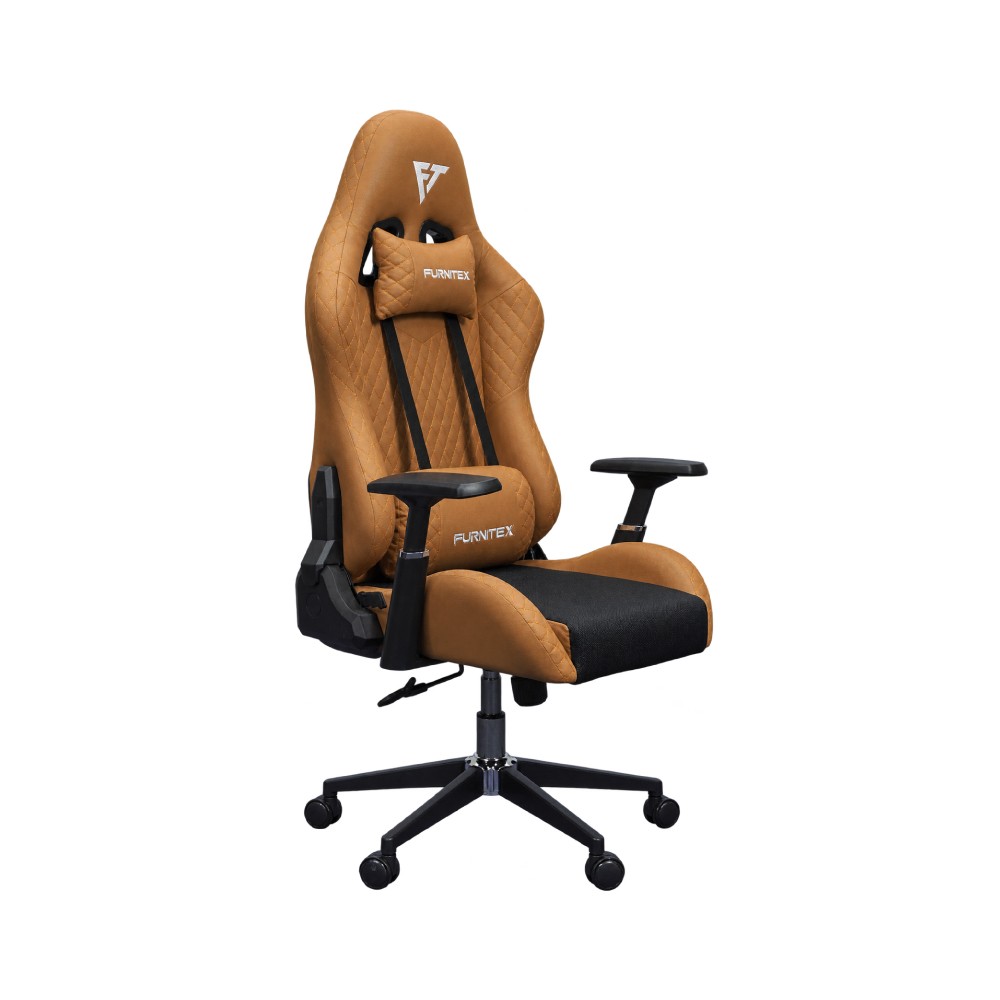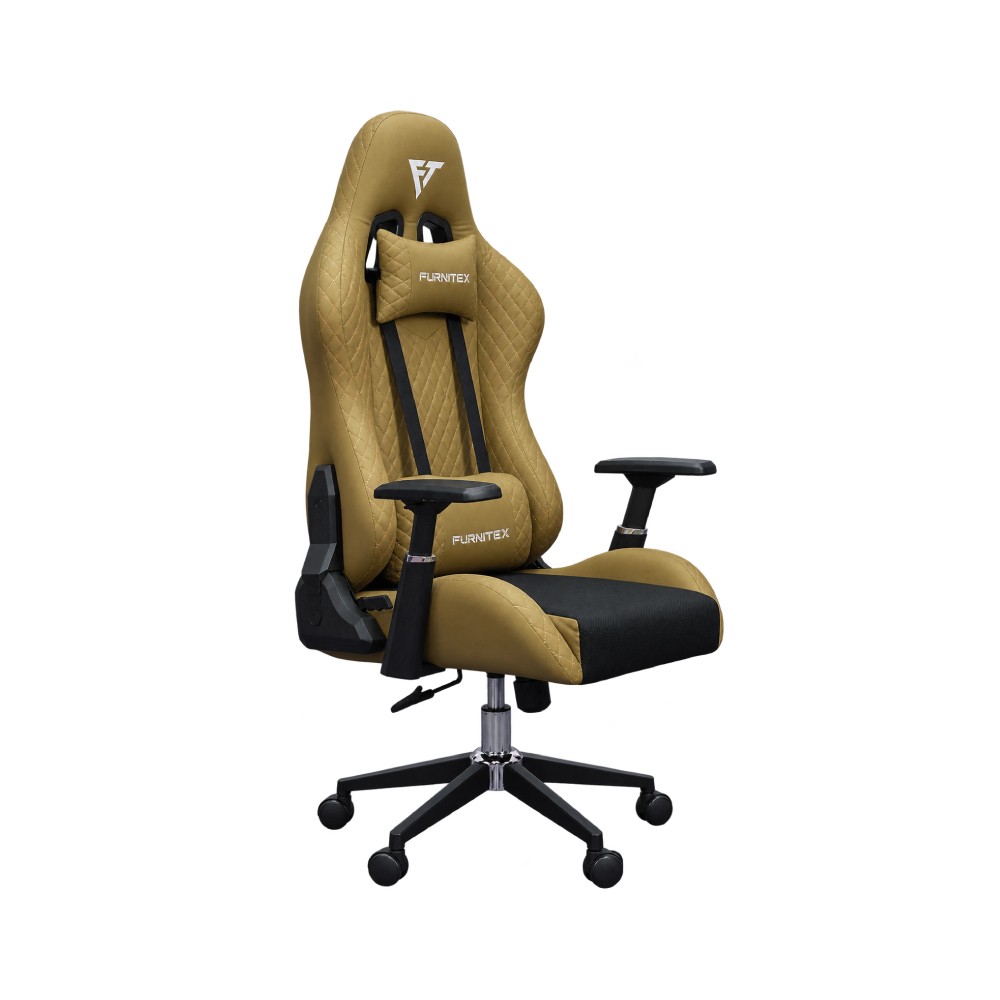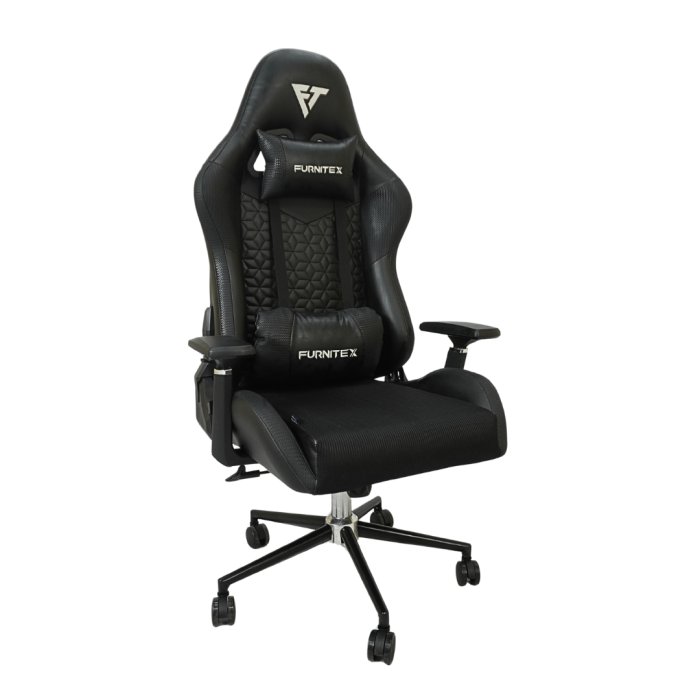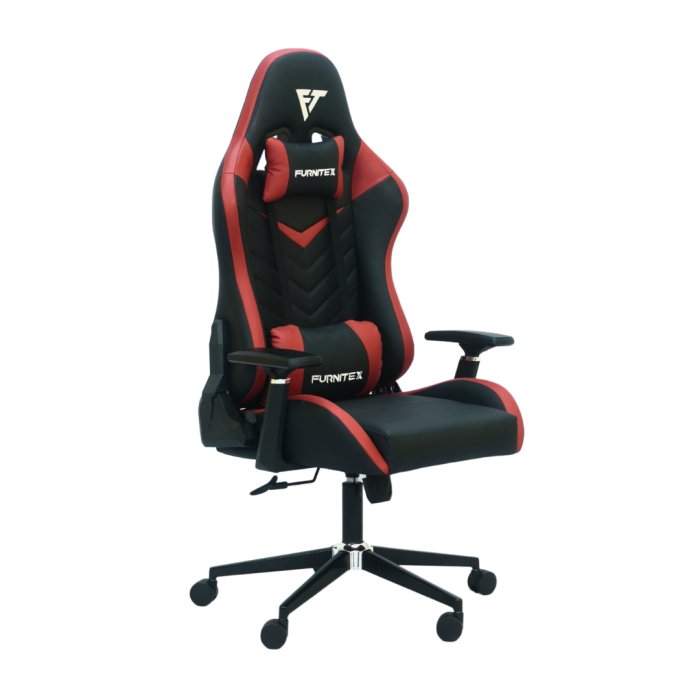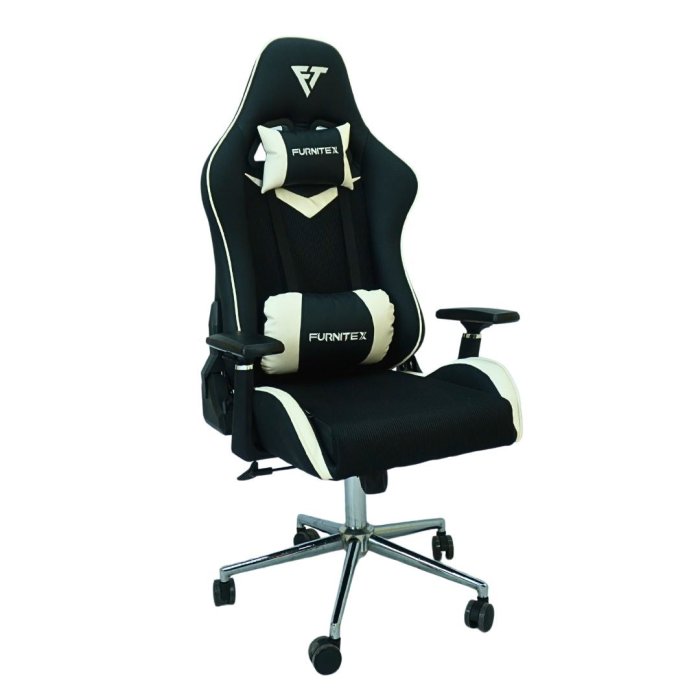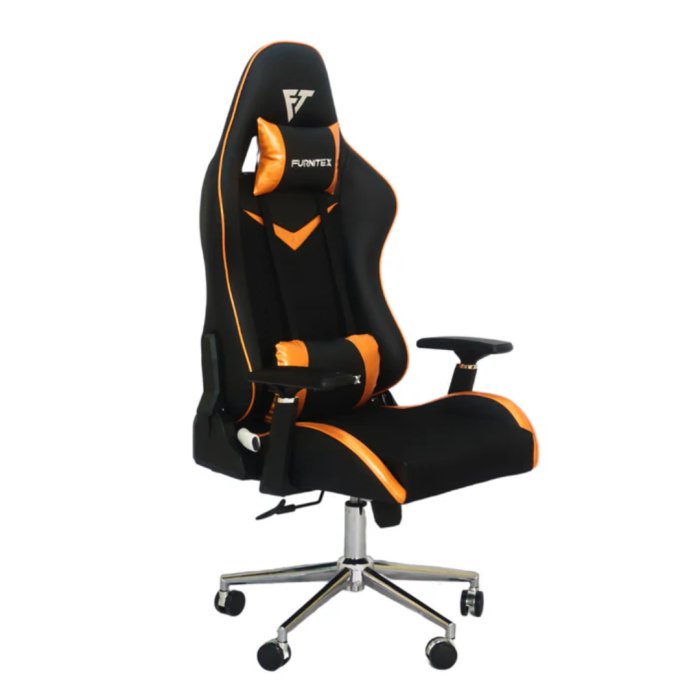
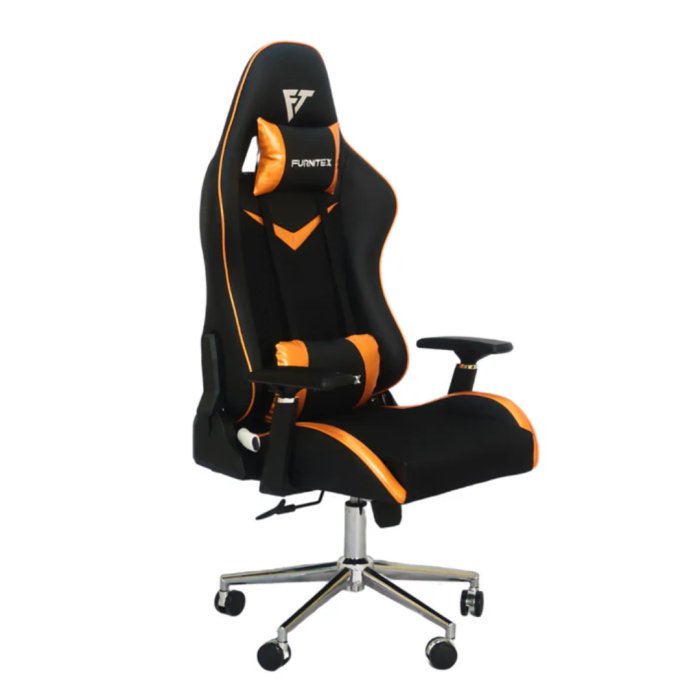
FURNITEX - Gaming Chair with 4D Armrest (FT-G2) Glossy Orange
24128 tk 24128 tk
প্রোডাক্ট কোড: 548
| ঢাকার ভিতরে ডেলিভারি | ৳ 60 |
| ঢাকার বাইরে ডেলিভারি | ৳ 130 |
পন্যের বিবরণ
FURNITEX Gaming Chair FT-G2: Built for Extended Desk Work
The FURNITEX FT-G2 is a gaming chair designed with the modern workplace in mind. Whether you're managing back-to-back meetings, working through spreadsheets, or spending long hours at your desk, this chair delivers the support and comfort you need for a full workday. The glossy orange finish adds a professional yet dynamic touch to any office setup.
Gaming chairs have evolved beyond their original purpose—they now serve as practical seating solutions for anyone who spends significant time seated. The FT-G2 is engineered for comfort during extended desk sessions, making it suitable for home offices, corporate workspaces, and collaborative environments across Bangladesh.
4D Armrest Technology for Workplace Flexibility
The standout feature of the FT-G2 is its 4D armrest system. Unlike standard fixed armrests, 4D armrests move in four directions: up and down, left and right, forward and backward, and rotation. This flexibility allows you to position the armrests to match your desk height, keyboard placement, and personal reach—critical for maintaining proper posture during long work sessions.
For office workers juggling multiple tasks—typing, note-taking, video calls—adjustable armrests reduce strain on your shoulders and arms throughout the day. You can fine-tune placement without replacing the chair or compromising your workspace layout.
Sizing and Daily Use at Your Desk
Before purchasing, consider your desk height and workspace dimensions. The FURNITEX FT-G2 is proportioned for standard office desks and cubicles. The chair's base footprint is compact enough for tight spaces, while the height adjustment range accommodates users of varying builds. When seated, your feet should rest flat on the floor or footrest, with your knees at approximately 90 degrees.
The glossy orange color is bold and distinctive—ideal if you want your workspace to stand out or prefer a vibrant aesthetic. Ensure it complements your office décor and doesn't clash with existing furniture. The glossy finish is easier to wipe clean than textured surfaces, practical for busy workspaces where spills and dust accumulate.
Build Quality and Long-Term Reliability
The FT-G2 uses a sturdy frame designed to handle regular daily use. The 4D armrest mechanism should operate smoothly with repeated adjustments—essential since you'll be fine-tuning positions throughout your workday. Check that all adjustment levers, height controls, and base wheels function properly upon arrival. Regular maintenance, such as tightening bolts and cleaning, extends the chair's lifespan in office environments.
For teams outfitting multiple workstations or individuals upgrading their home office setup, the FT-G2 represents a practical investment in seating infrastructure. It's built to perform consistently across seasons and across the year-round work cycle in Bangladesh's climate.
Workspace Integration and Practical Considerations
When integrating the FT-G2 into your workspace, measure clearance between the chair and desks, filing cabinets, or walls. The base wheels should roll smoothly on your floor type—carpet, tile, or concrete. If you're setting up a shared office or hot-desking arrangement, ensure the chair's height and armrest adjustments are intuitive enough for multiple users to customize quickly.
Pair the FT-G2 with an ergonomic desk layout: monitor at eye level, keyboard and mouse within easy reach, and proper lighting overhead. The 4D armrests work best when your desk height is appropriate—too high or too low, and even adjustable armrests cannot fully compensate.
কর্মক্ষেত্রের জন্য FURNITEX গেমিং চেয়ার FT-G2
FURNITEX FT-G2 হল একটি আধুনিক কর্মক্ষেত্রের জন্য ডিজাইন করা গেমিং চেয়ার যা দীর্ঘ সময় ডেস্কে বসে কাজ করার জন্য উপযুক্ত। আপনি যখন সারাদিন অফিসে অনলাইন কাজ করেন, মিটিং নিতে থাকেন বা কম্পিউটারে ডাটা এন্ট্রি করেন, তখন এই চেয়ারটি আপনার পিঠ এবং কাঁধকে সঠিক সাপোর্ট দেয়। চকচকে কমলা রঙটি যেকোনো আধুনিক অফিস বা হোম ওয়ার্কস্পেসে একটি প্রাণবন্ত এবং পেশাদার চেহারা যোগ করে।
FT-G2 এর সবচেয়ে গুরুত্বপূর্ণ বৈশিষ্ট্য হল এর 4D আর্মরেস্ট সিস্টেম। সাধারণ চেয়ারের আর্মরেস্টের মতো স্থির নয়, এই আর্মরেস্ট চারটি দিকে সরানো যায়—উপরে-নিচে, বাম-ডান, সামনে-পিছনে, এবং ঘোরানো যায়। এটি আপনাকে আপনার ডেস্কের উচ্চতা, কীবোর্ডের অবস্থান এবং আপনার হাতের নাগালের সাথে সামঞ্জস্য করে আর্মরেস্ট সঠিক জায়গায় রাখার সুযোগ দেয়। এই নমনীয়তা ঘণ্টার পর ঘণ্টা বসে কাজ করার সময় আপনার কাঁধ এবং বাহুর চাপ কমায় এবং আপনাকে সুস্থ থাকতে সাহায্য করে।
আপনার ডেস্কের উচ্চতা এবং কর্মক্ষেত্রের আকার বিবেচনা করে এই চেয়ারটি বেছে নিন। FT-G2 বাংলাদেশের সাধারণ অফিস টেবিলের সাথে মানানসই উচ্চতা এবং আকার নিয়ে আসে। যখন আপনি বসেন, আপনার পা মেঝেতে সমতল থাকা উচিত এবং আপনার হাঁটু ৯০ ডিগ্রি কোণে থাকা উচিত। চেয়ারের উচ্চতা সামঞ্জস্যযোগ্য এবং বিভিন্ন ধরনের ব্যবহারকারীর জন্য উপযুক্ত। চকচকে কমলা ফিনিশ সহজেই মুছে পরিষ্কার করা যায়, যা ব্যস্ত অফিসের জন্য অনেক বেশি ব্যবহারিক।