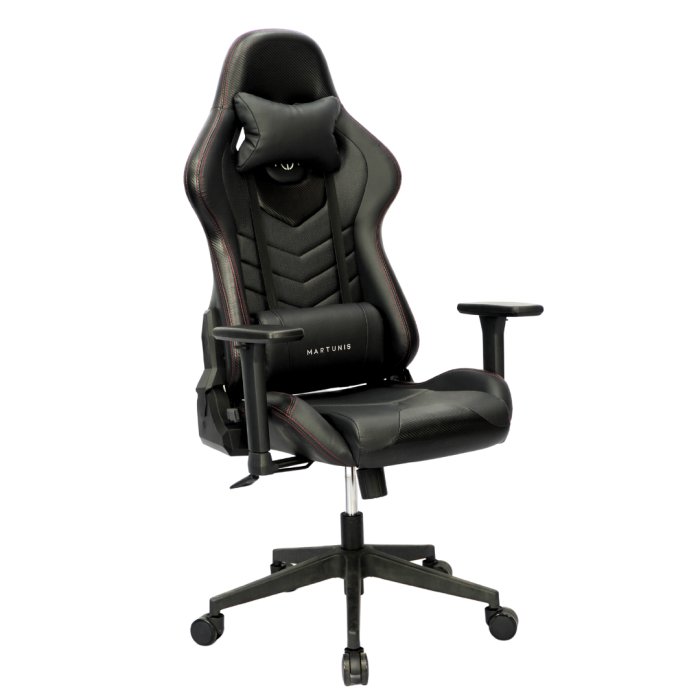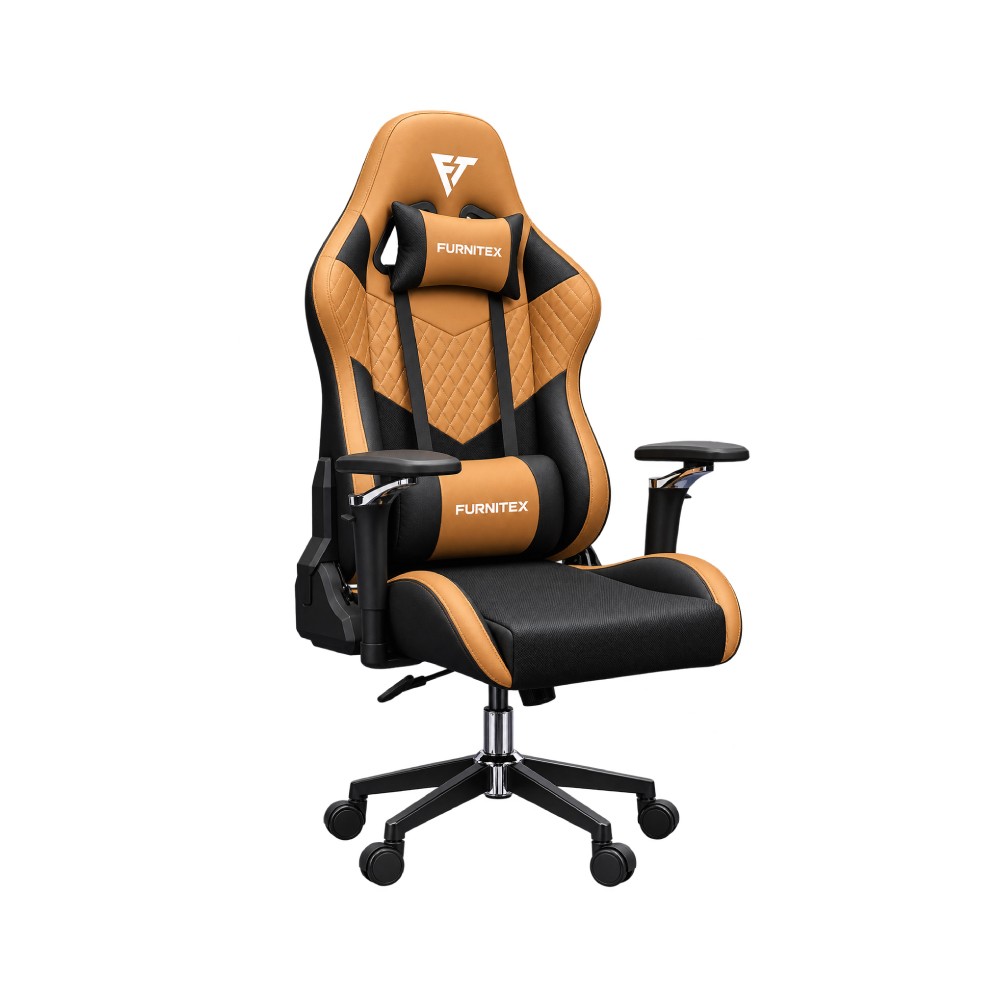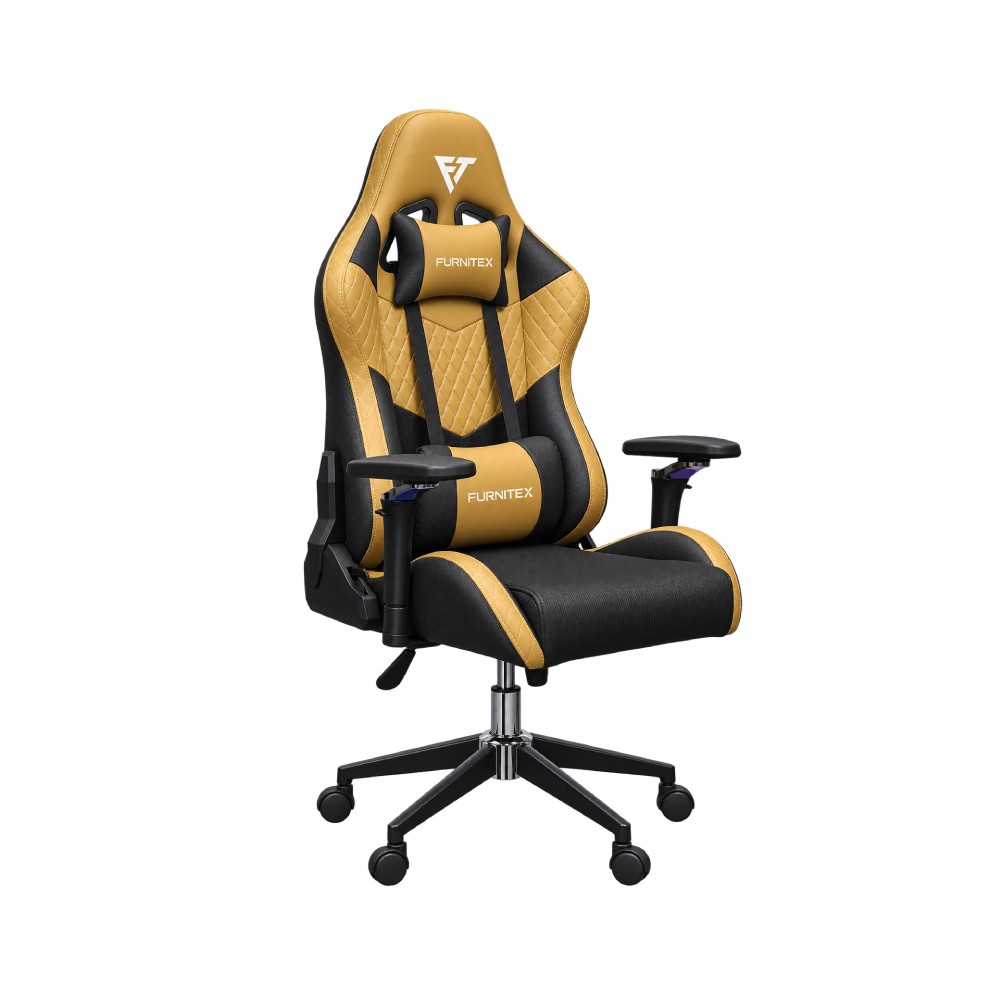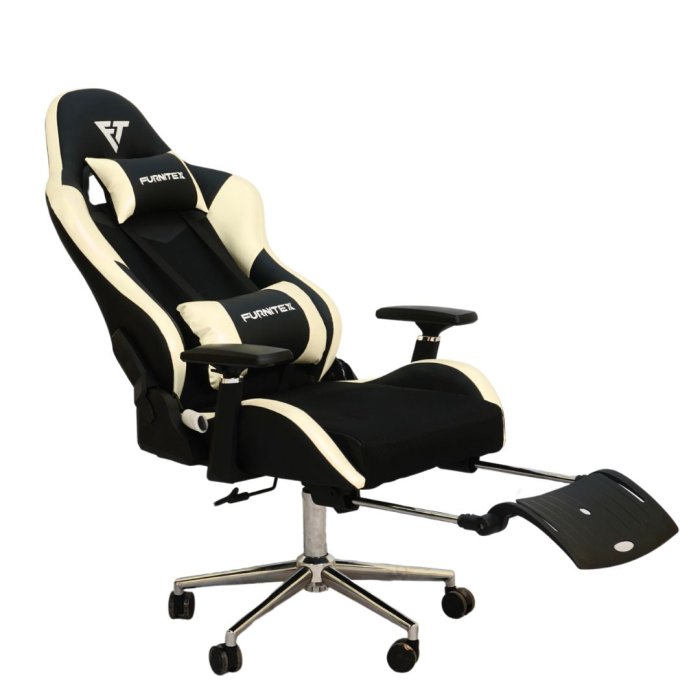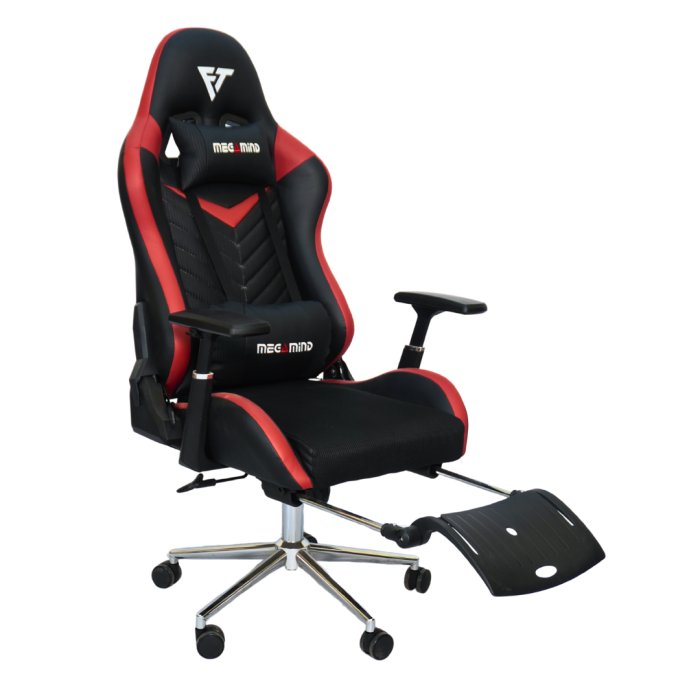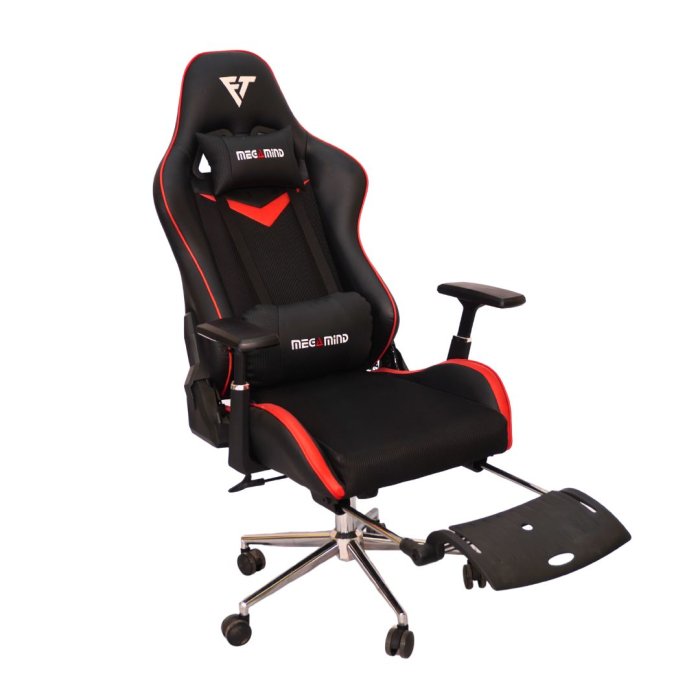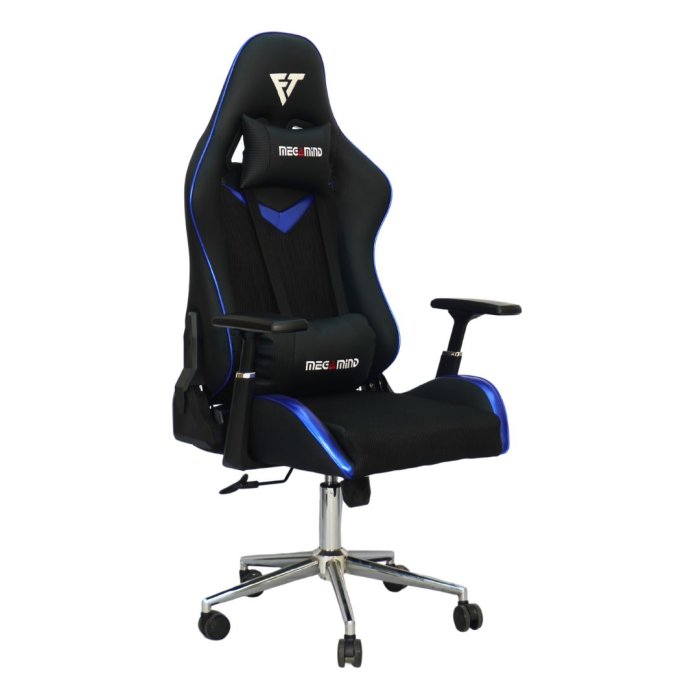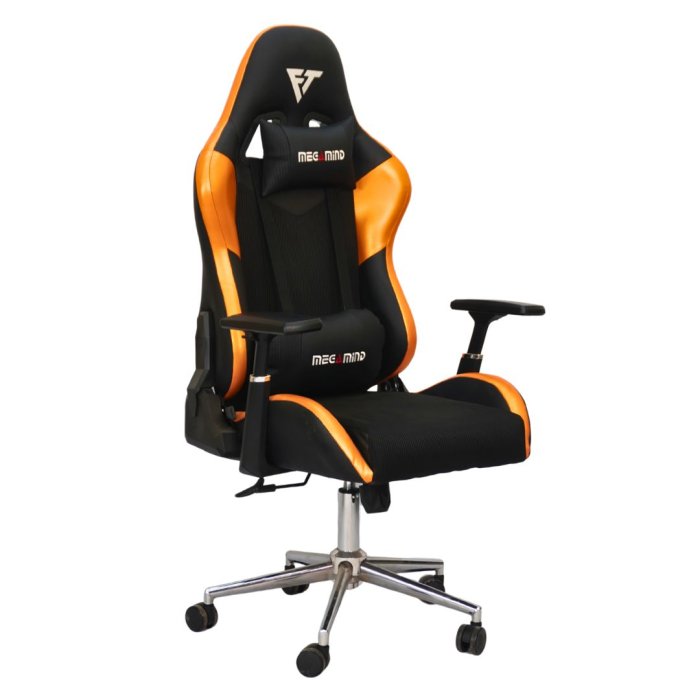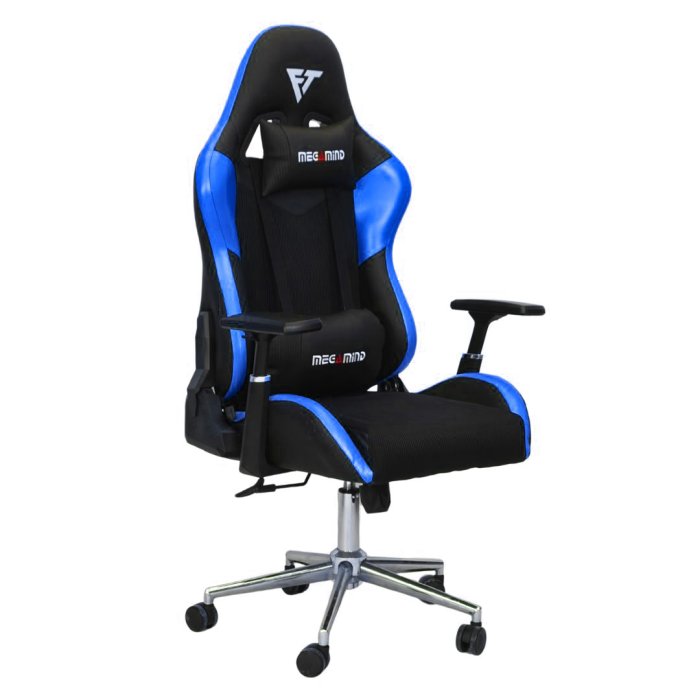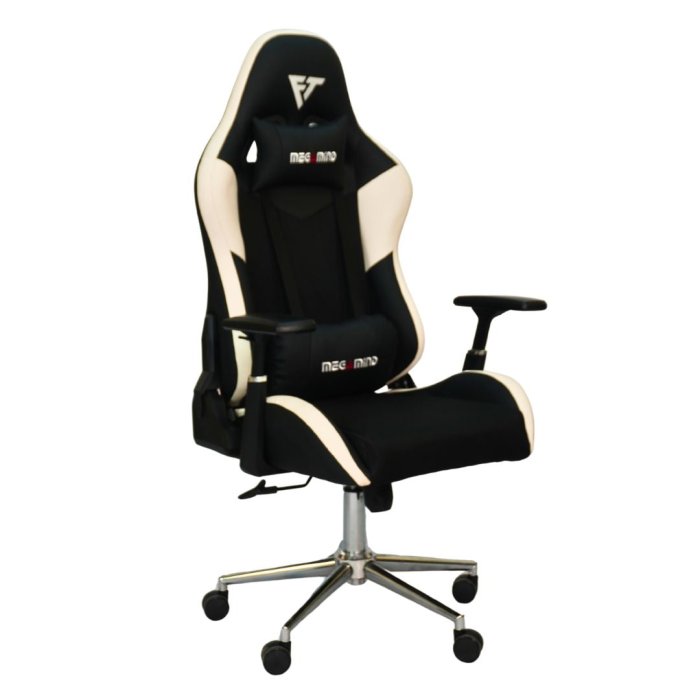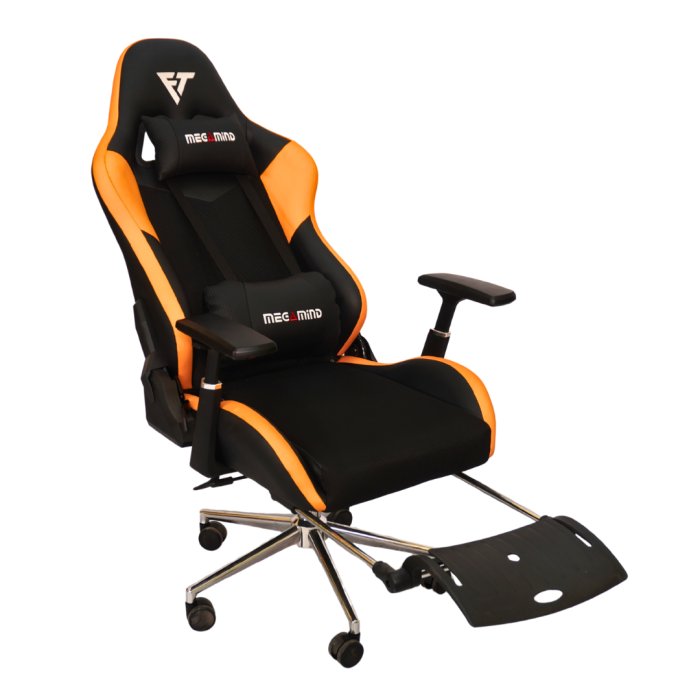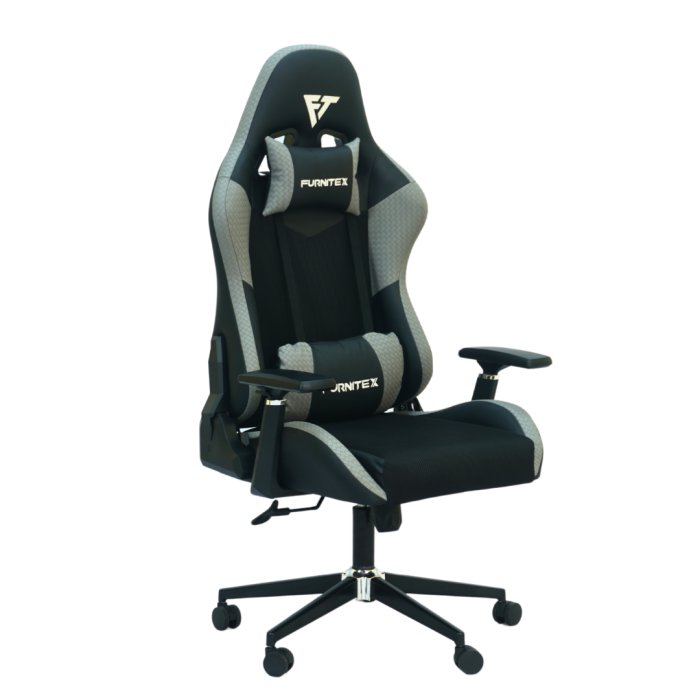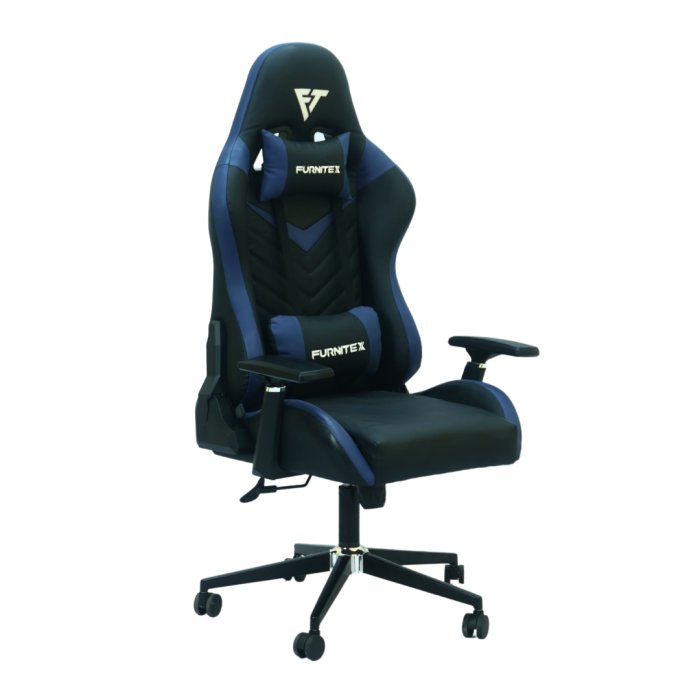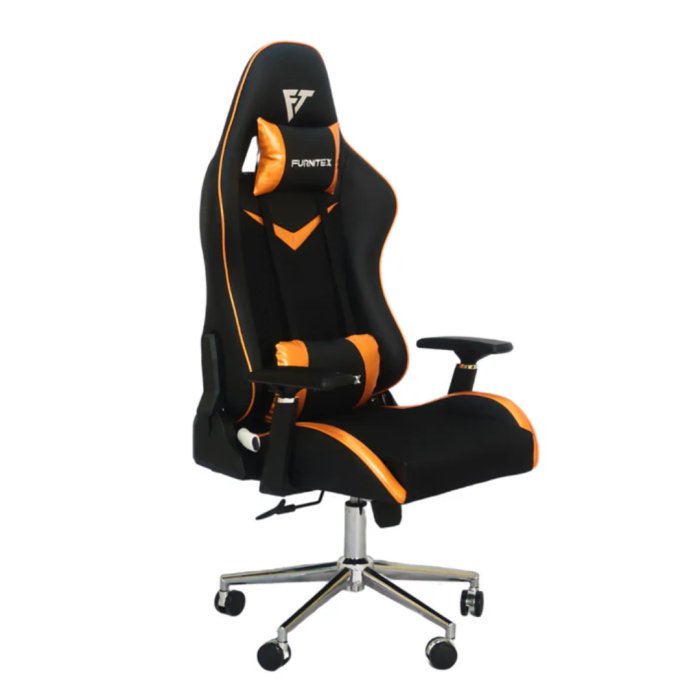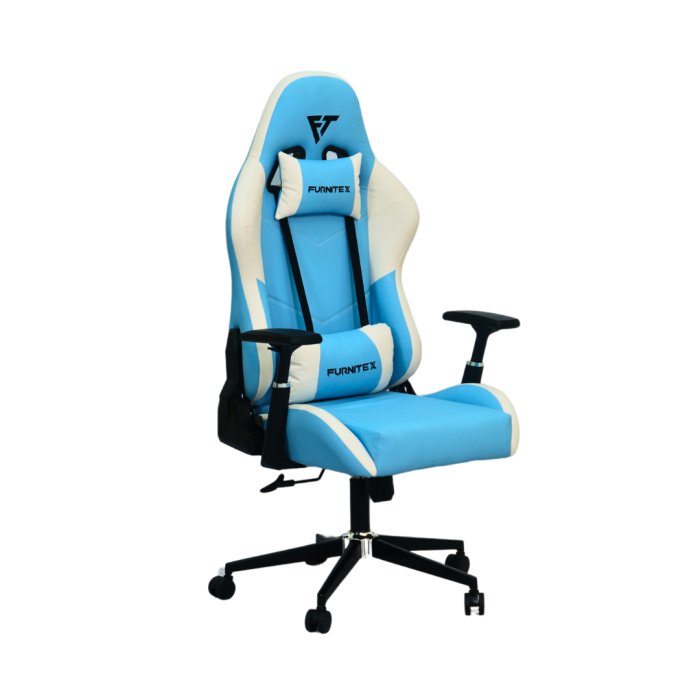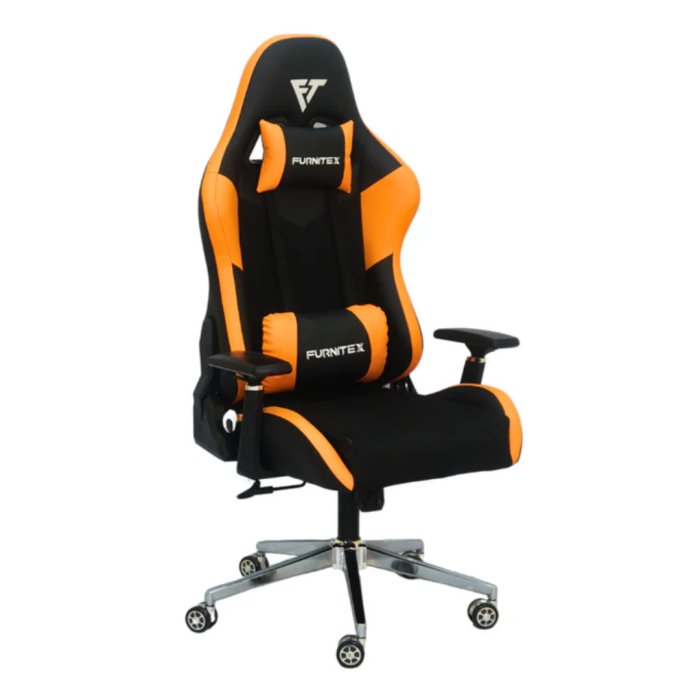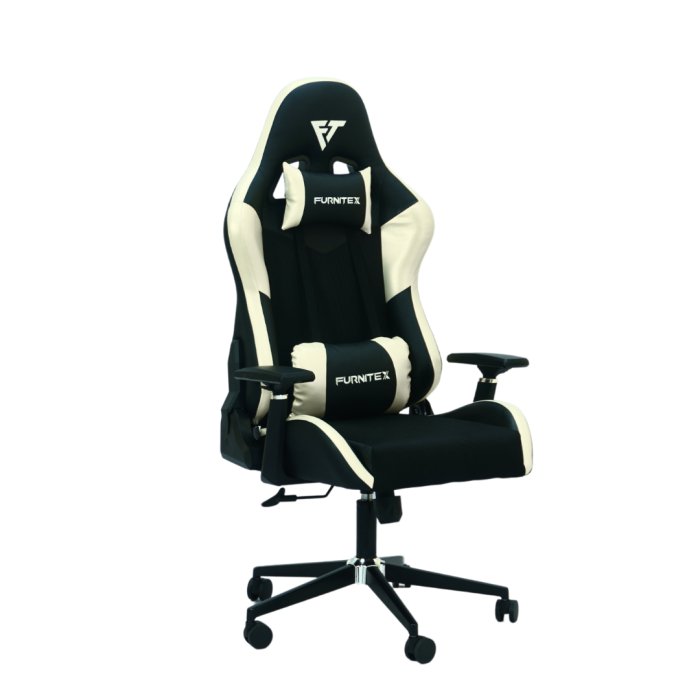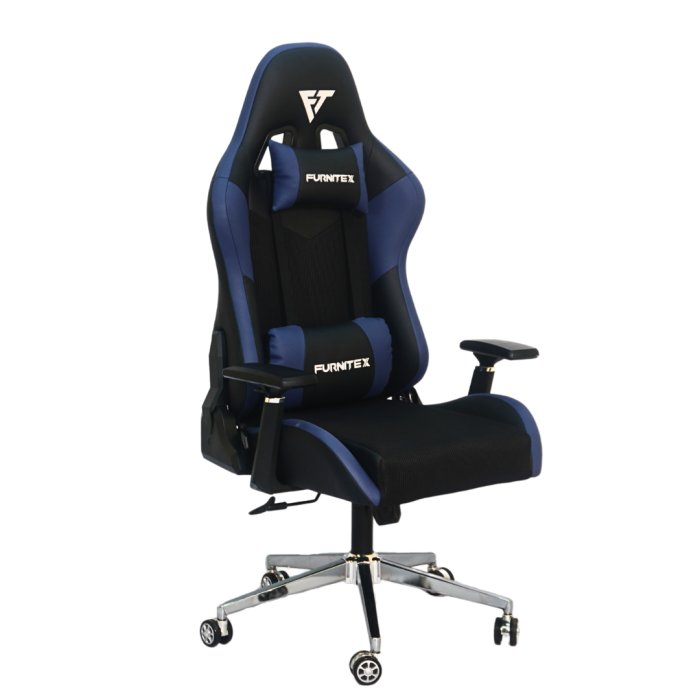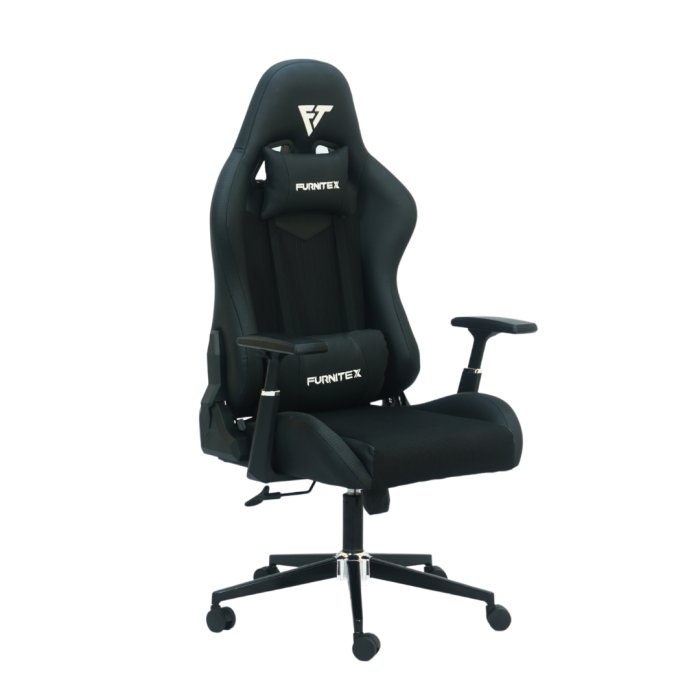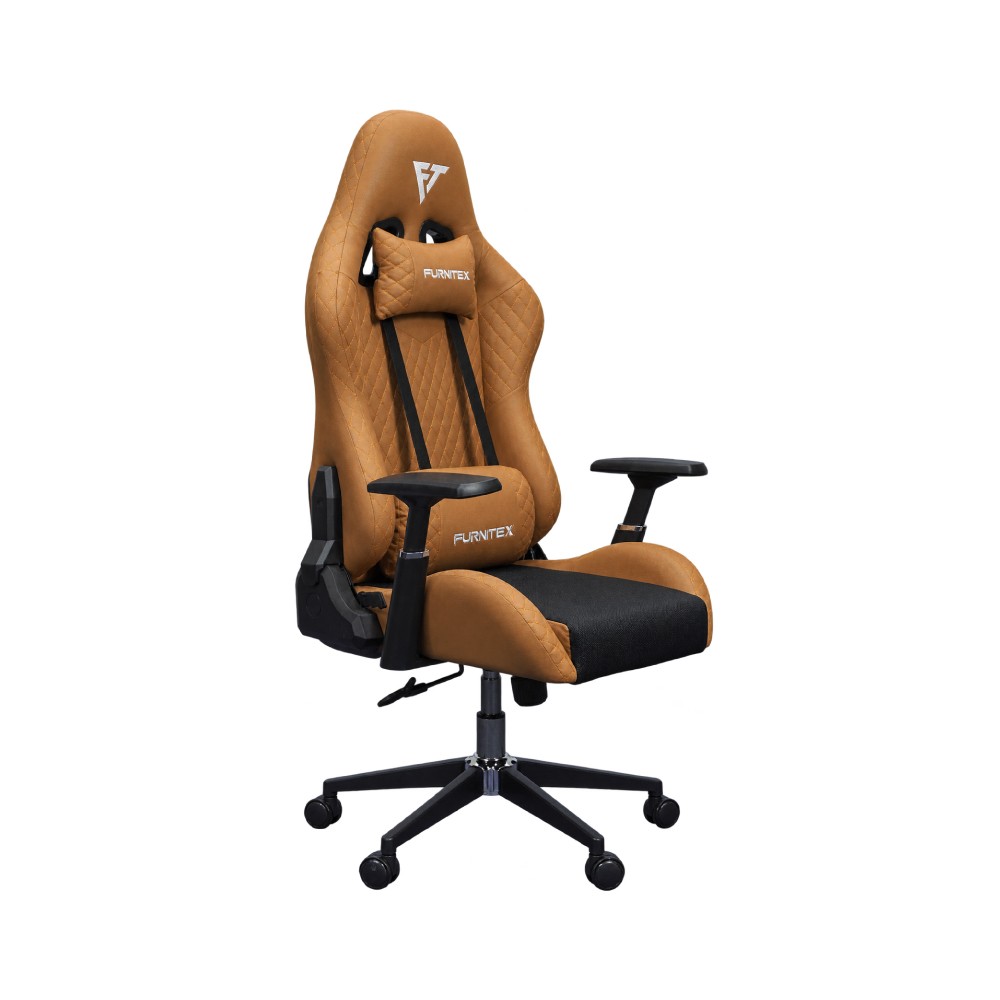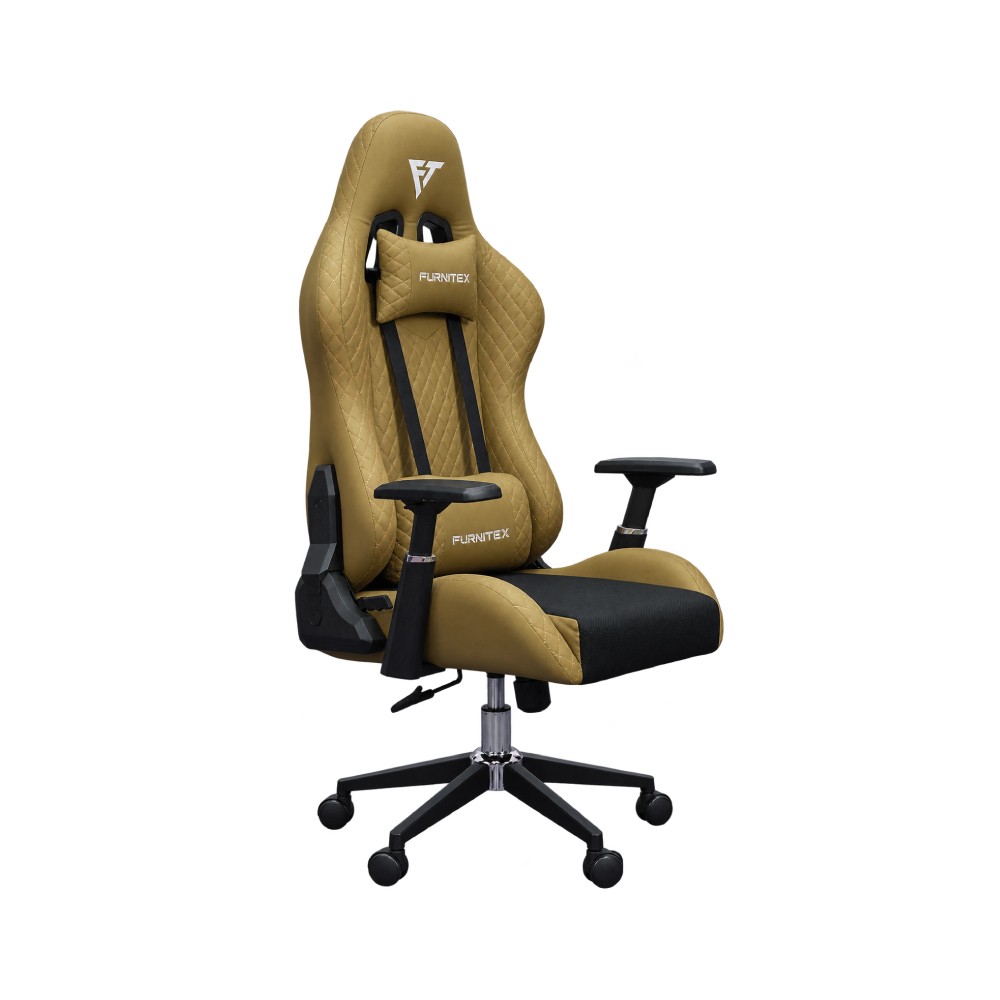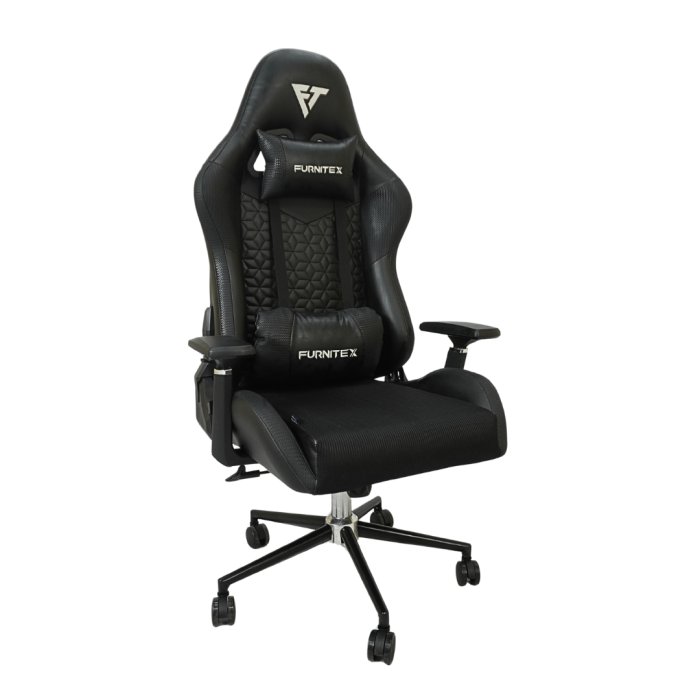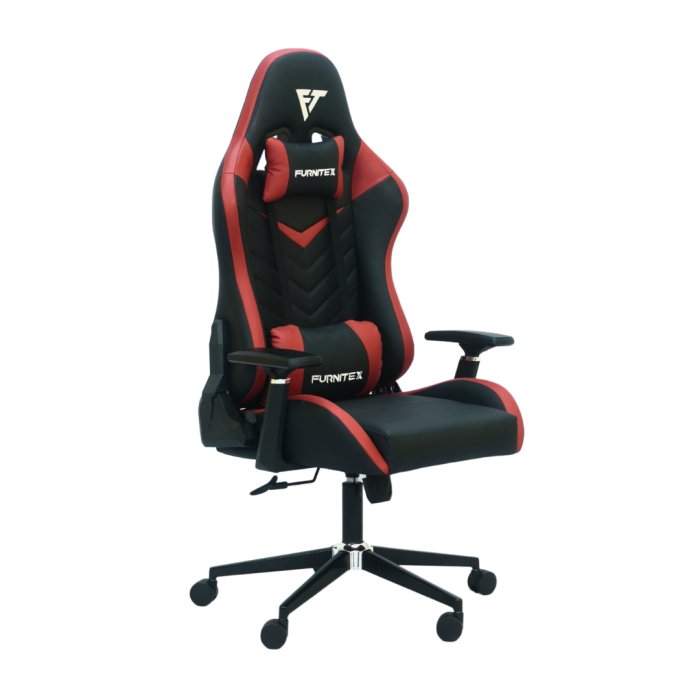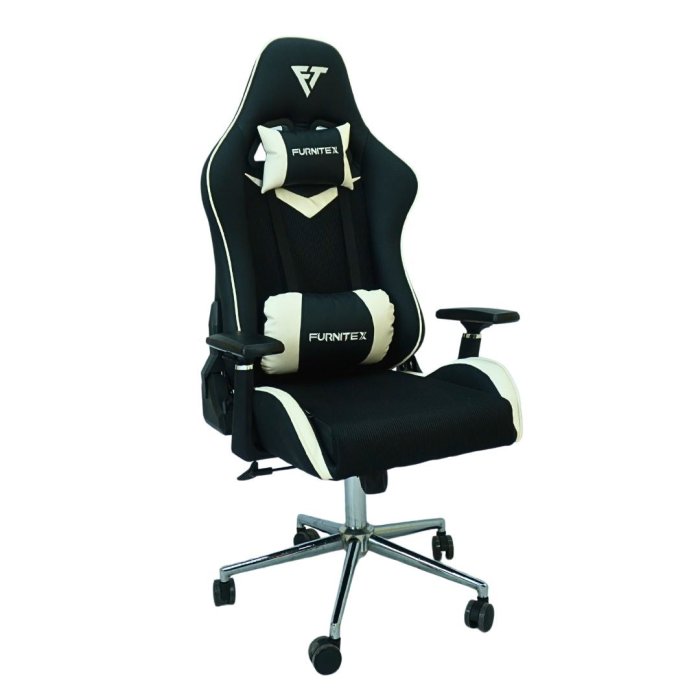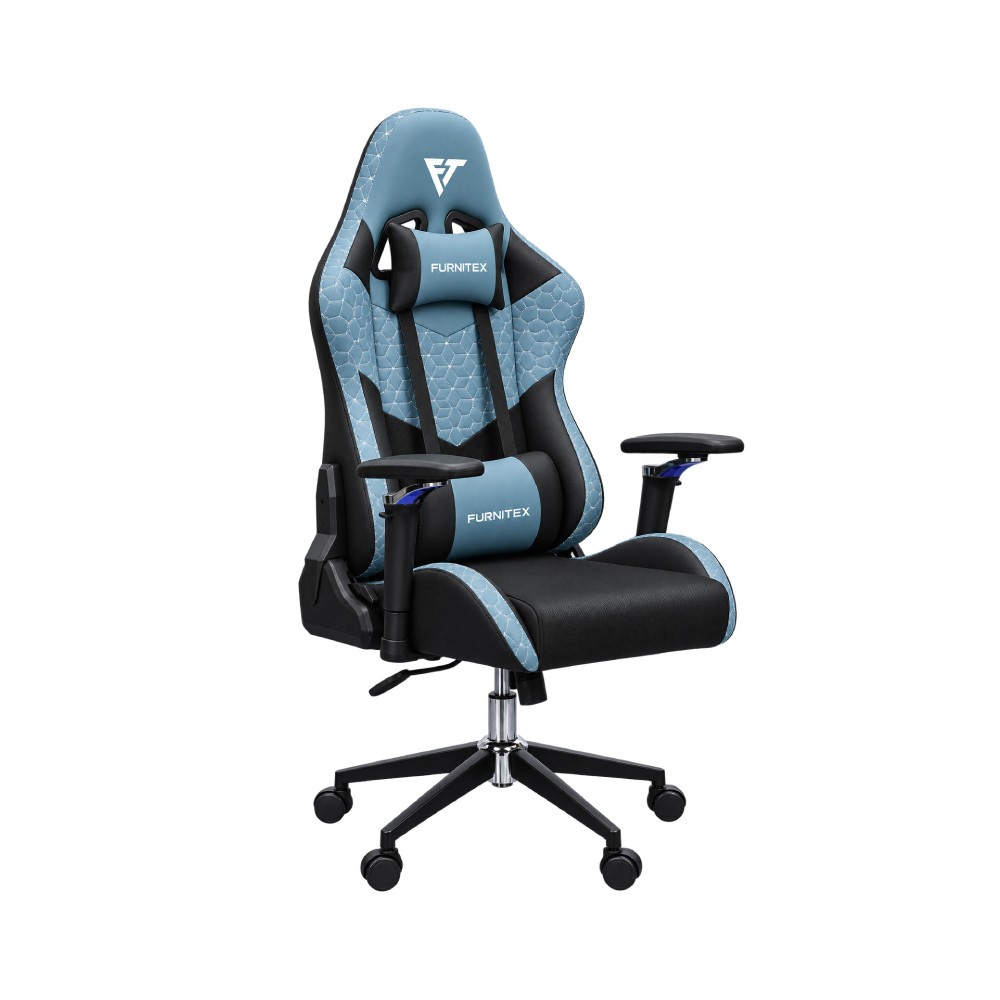
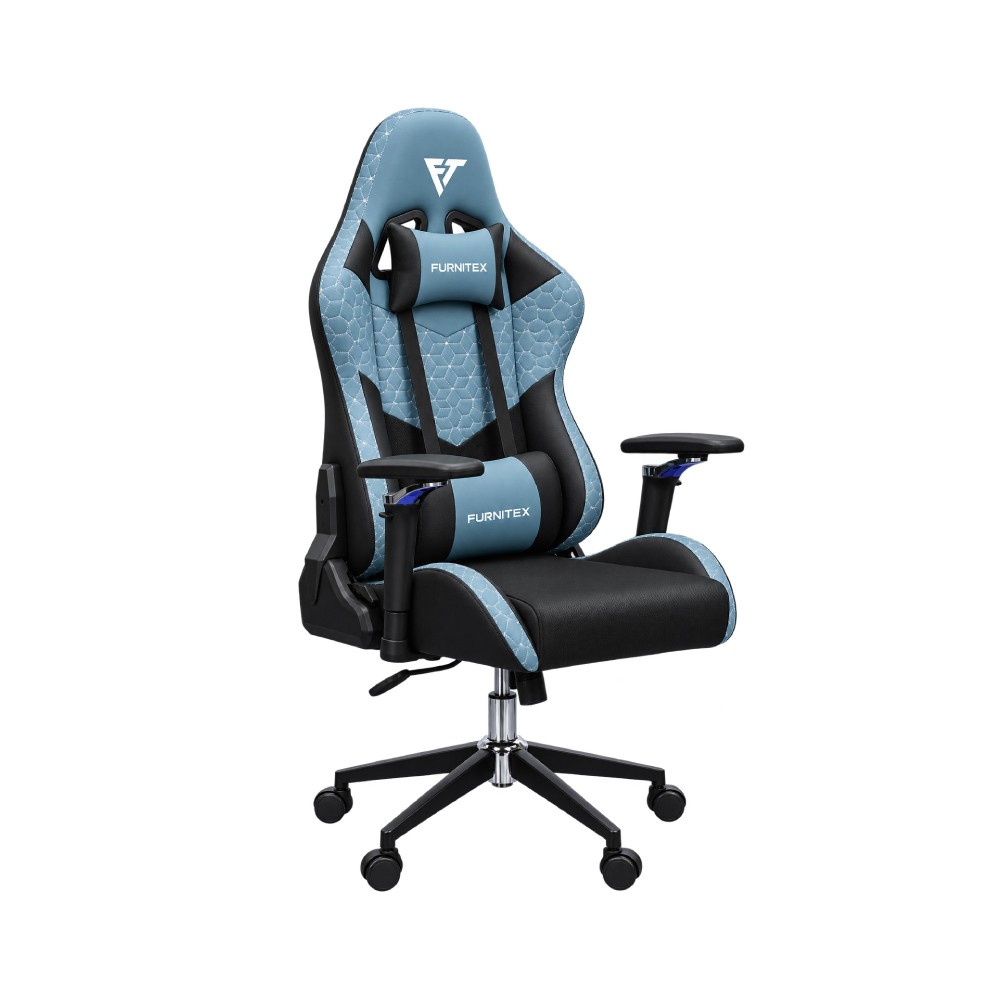
Gaming Chair with 4D Armrest (FT-Tectonic 001) Slate Blue
29952 tk 29952 tk
প্রোডাক্ট কোড: 559
| ঢাকার ভিতরে ডেলিভারি | ৳ 60 |
| ঢাকার বাইরে ডেলিভারি | ৳ 130 |
পন্যের বিবরণ
Professional Gaming Chair Built for Workspace Comfort
The FT-Tectonic 001 gaming chair in Slate Blue is engineered for professionals who spend extended hours at their desk. Whether you're working from a home office, corporate workspace, or gaming setup, this chair combines ergonomic design with practical adjustability to support your daily work routine.
Gaming chairs have evolved beyond their original purpose. Modern workplace professionals recognize that a quality gaming chair offers superior lumbar support, adjustable positioning, and durable construction that standard office chairs often lack. The FT-Tectonic 001 delivers this professional-grade support without compromise.
4D Armrest System for Daily Desk Work
The defining feature of this chair is its 4D armrest technology. Unlike fixed or single-axis armrests, the 4D system moves in four directions: height, width, depth, and angle. This flexibility means you can position your armrests to match your exact desk height, keyboard position, and working posture.
During an 8-hour workday, your arm and shoulder positioning matters significantly. The 4D armrests adjust to support your forearms as you type, reducing strain on your shoulders and wrists. You can move them closer or farther from your body, raise or lower them to desk level, and tilt them for optimal support. This adaptability accommodates different desk sizes, monitor heights, and individual body proportions.
Sizing and Setup for Your Workspace
Before purchasing, consider your desk dimensions and your sitting height. The chair's base footprint and backrest height should fit comfortably within your workspace without obstruction. The Slate Blue color is neutral enough for professional office environments while remaining visually distinct in gaming or creative workspaces.
Assembly is straightforward. The chair arrives with all necessary components and hardware. Basic tools are typically sufficient for setup. Once assembled, the chair is ready for immediate use—no special configuration required. The casters roll smoothly on most floor types, allowing you to move between different areas of your workspace without friction.
Build Quality and Daily Use
This chair is constructed to withstand regular daily use. The frame and structural components are designed for stability during extended sitting sessions. The materials resist wear from constant adjustment of the armrests and recline functions. The Slate Blue upholstery is practical for workplace environments where spills and dust are inevitable—easier to maintain than lighter colors.
The chair's design supports practical workplace habits: rolling between tasks, reaching for items on your desk, adjusting position throughout the day, and maintaining alertness during long work sessions. The recline and height adjustments let you customize your seating position, which is important for preventing fatigue during a full day of desk work.
Technical Features for Workspace Integration
The gaming chair category typically includes features like pneumatic height adjustment, multi-position recline, and locking mechanisms. These translate directly to workspace benefits: quick height changes when sharing a desk, recline angles that accommodate different tasks (focused typing versus collaborative discussion), and locked positions when you've found your optimal setup. The chair integrates smoothly into any office or home workspace setup.
কর্মক্ষেত্রের জন্য গেমিং চেয়ার: FT-Tectonic 001 স্লেট ব্লু
FT-Tectonic 001 গেমিং চেয়ার একটি পেশাদার-গ্রেড ডেস্ক চেয়ার যা দীর্ঘ সময় বসে কাজ করা অফিস কর্মচারী এবং ফ্রিল্যান্সারদের জন্য ডিজাইন করা হয়েছে। স্লেট ব্লু রঙটি যেকোনো আধুনিক অফিস বা হোম ওয়ার্কস্পেসে পেশাদার দেখায়। এই চেয়ারটি দৈনন্দিন ব্যবহারের জন্য টেকসই, এবং এর প্রধান বৈশিষ্ট্য হল ৪D আর্মরেস্ট যা আপনার ডেস্ক উচ্চতা এবং কাজের ধরনের সাথে খাপ খায়।
চেয়ারের ৪D আর্মরেস্ট সিস্টেম চারটি দিকে সামঞ্জস্যযোগ্য: উচ্চতা, প্রস্থ, গভীরতা এবং কোণ। আপনি যখন টাইপ করছেন বা ডেস্কে কাজ করছেন, তখন আপনার বাহু এবং কাঁধের অবস্থান গুরুত্বপূর্ণ। এই আর্মরেস্টগুলি আপনার ডেস্ক উচ্চতার সাথে মেলাতে পারে, যা ঘাড় এবং কাঁধের উপর চাপ কমায়। একটি সম্পূর্ণ কর্মদিবসে এই ধরনের নমনীয়তা আরাম এবং উত্পাদনশীলতা উভয়ই বৃদ্ধি করে।
চেয়ারটি নিয়মিত দৈনন্দিন ব্যবহারের জন্য নির্মিত। এটির একটি স্থিতিশীল ভিত্তি রয়েছে যা পুরো কর্মদিবস জুড়ে আপনাকে সমর্থন করে। আর্মরেস্টগুলি সহজে সামঞ্জস্যযোগ্য, এবং উচ্চতা এবং রিক্লাইন ফাংশনগুলি মসৃণভাবে কাজ করে। স্লেট ব্লু কভার পরিষ্কার করা সহজ এবং দাগ লুকায়, যা একটি ব্যস্ত অফিস পরিবেশের জন্য ব্যবহারিক। আপনি যখন আপনার সর্বোত্তম বসার অবস্থান খুঁজে পান, আপনি এটি লক করতে পারেন এবং পরের দিন একই সেটআপে ফিরে যেতে পারেন।