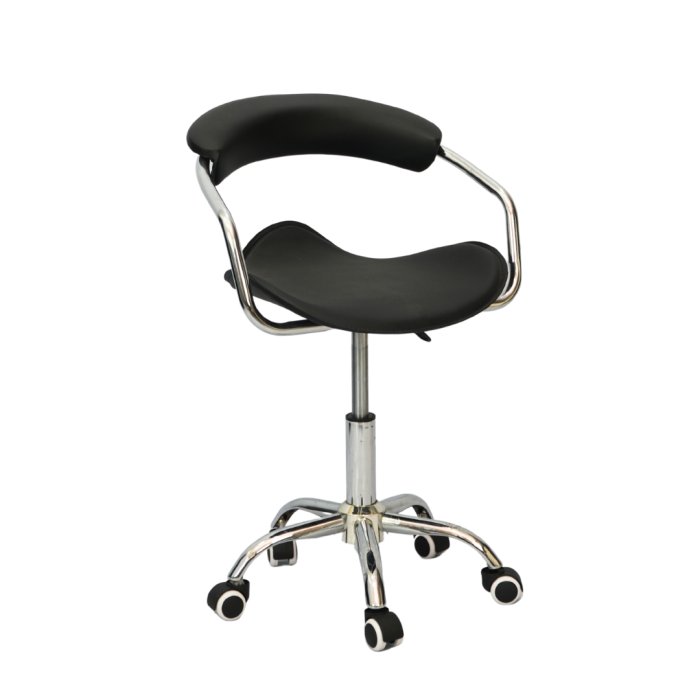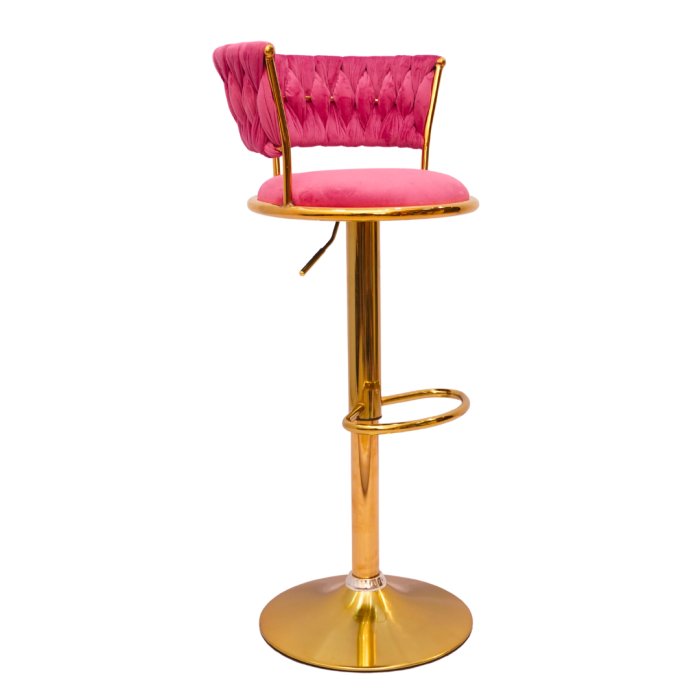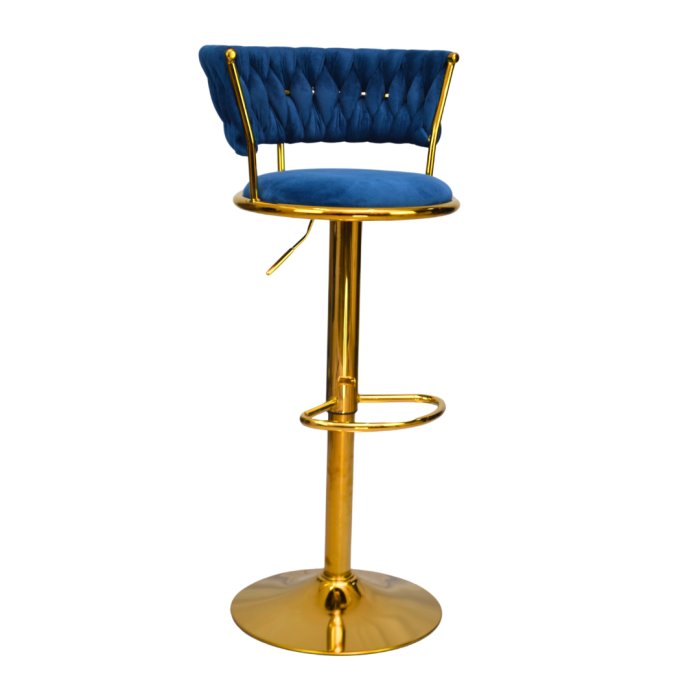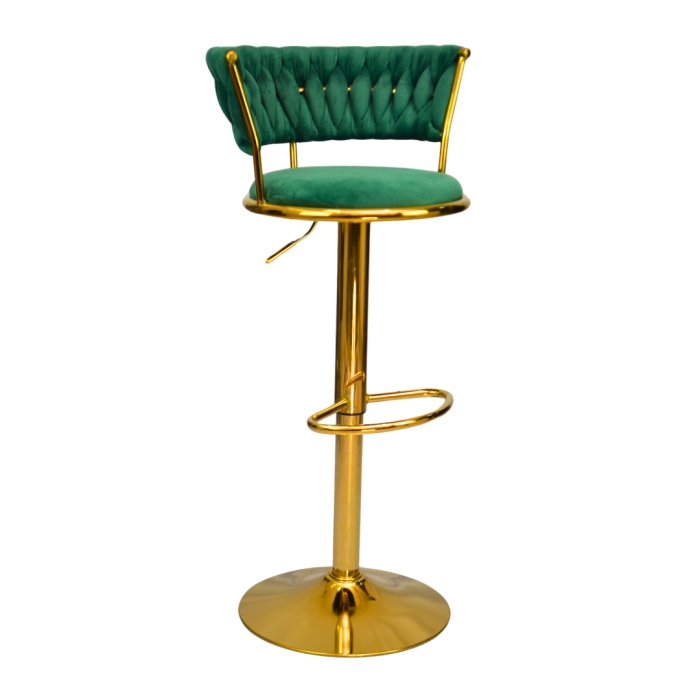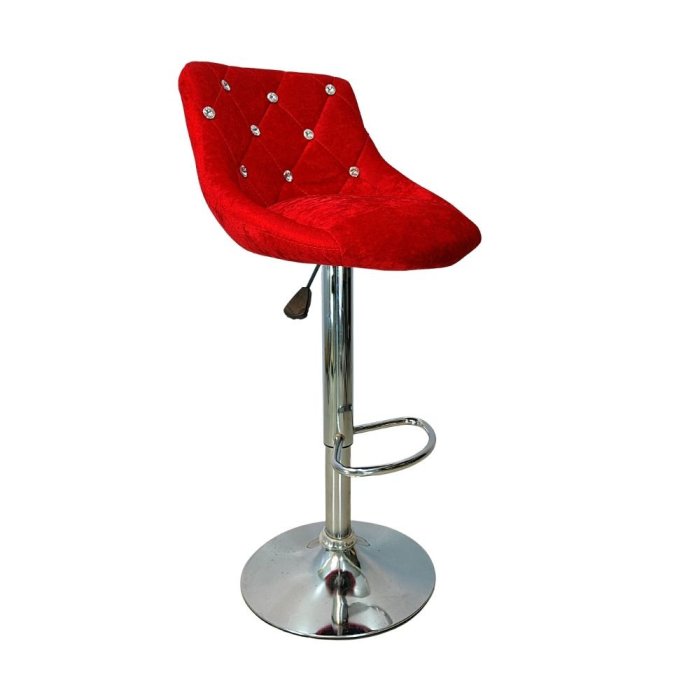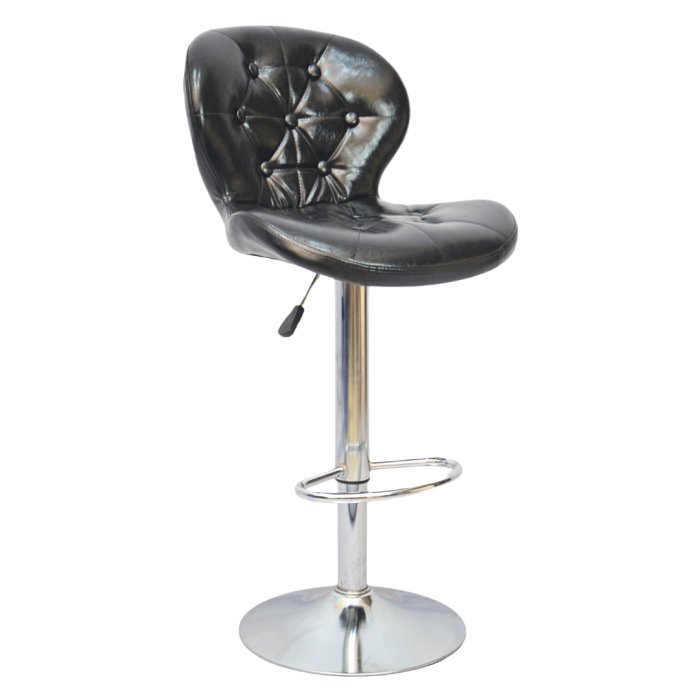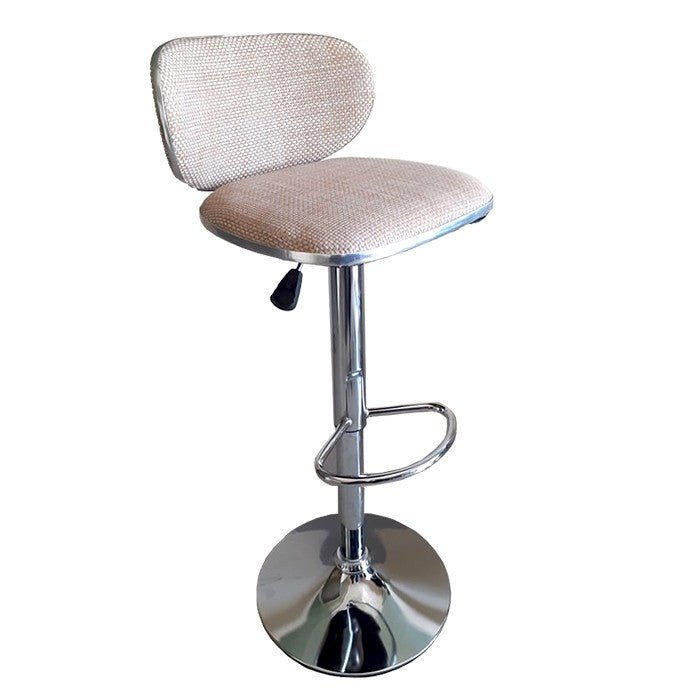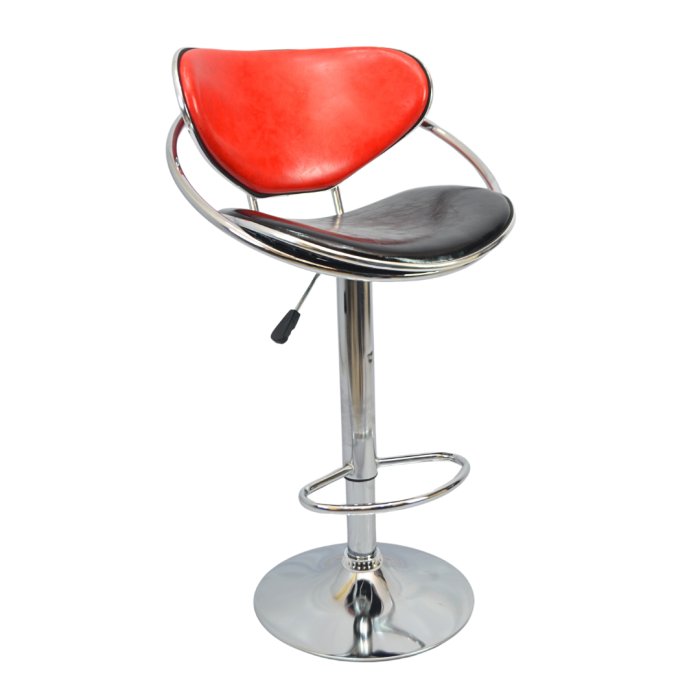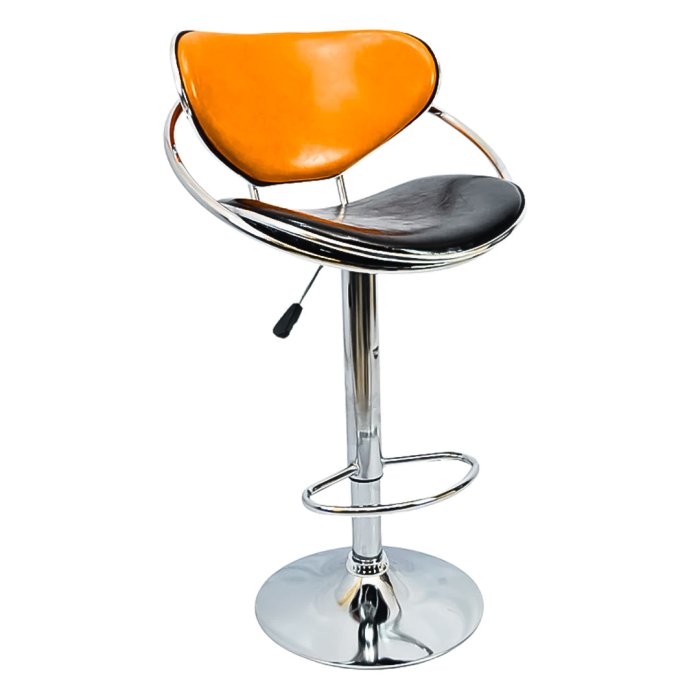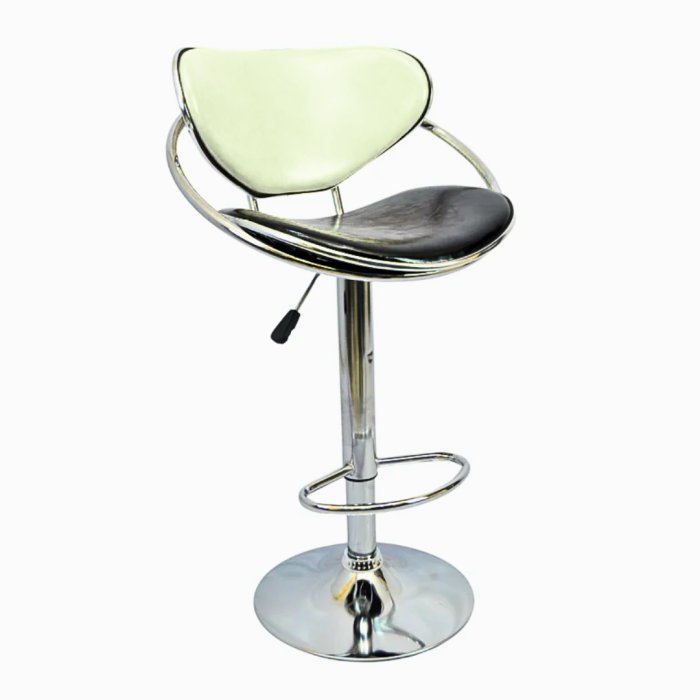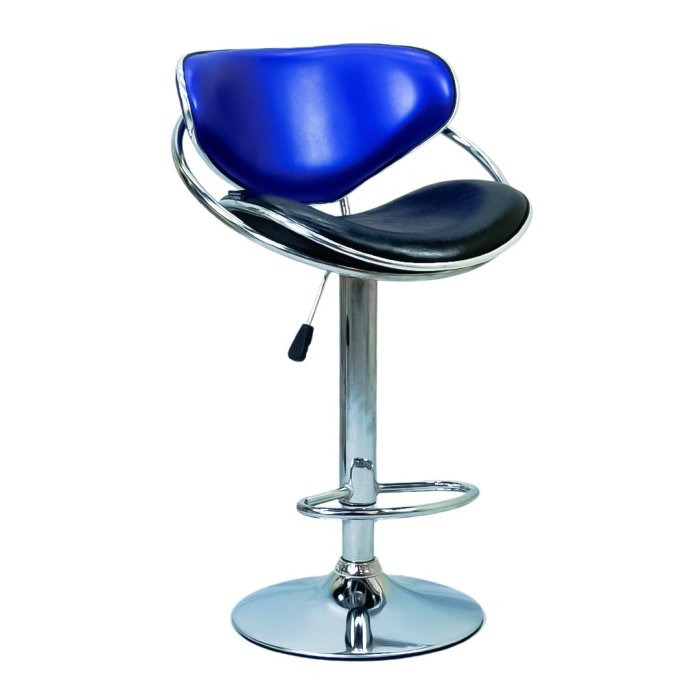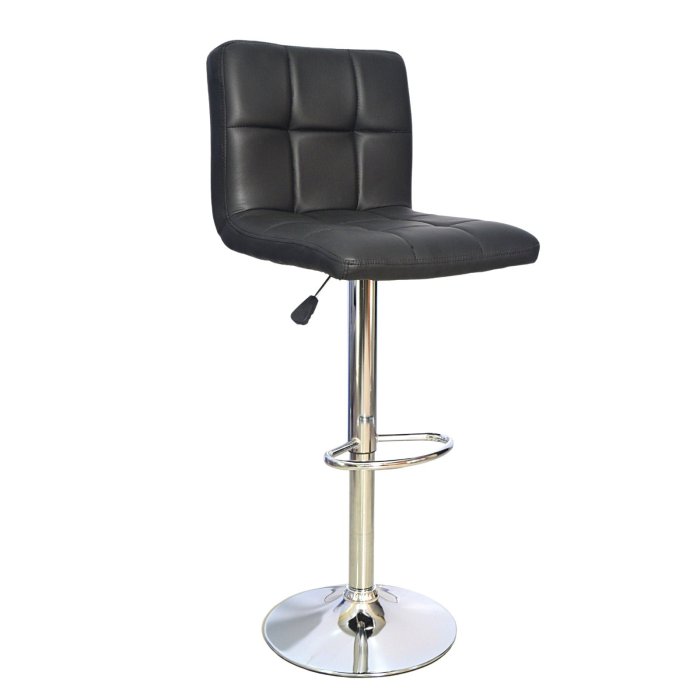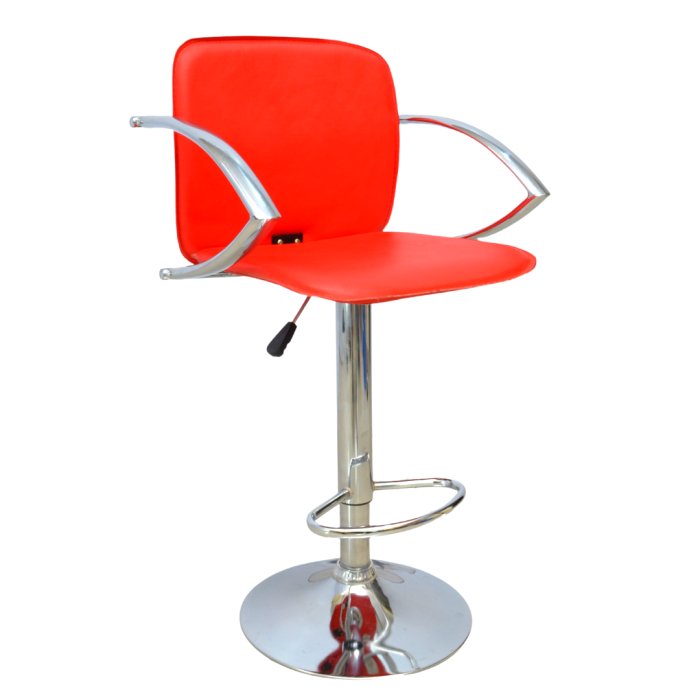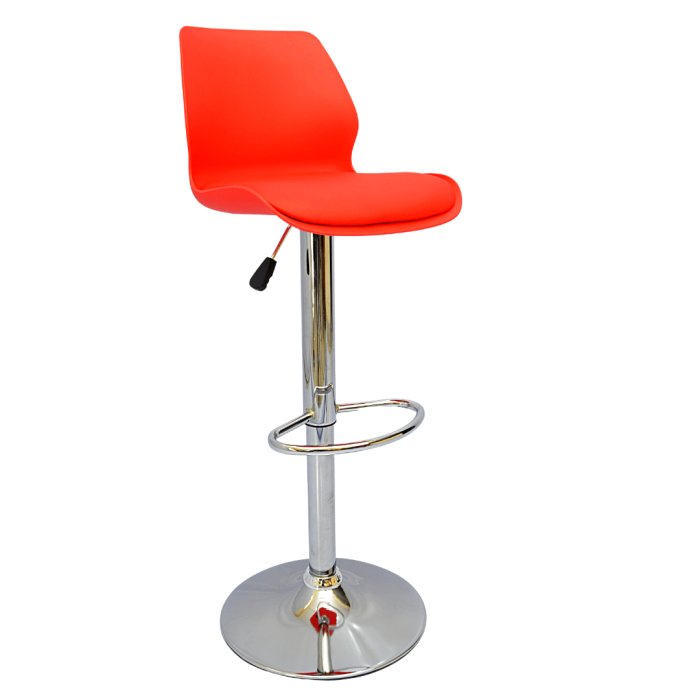
Bar Stool (FT-B133) Red
6149 tk 10390 tk
প্রোডাক্ট কোড: 422
| ঢাকার ভিতরে ডেলিভারি | ৳ 60 |
| ঢাকার বাইরে ডেলিভারি | ৳ 130 |
পন্যের বিবরণ
Practical Red Bar Stool for Your Office Workspace
The Bar Stool (FT-B133) in red is built for daily use in office environments, break rooms, and collaborative workspaces. This straightforward seating solution fits naturally into modern office layouts where you need flexible, space-efficient furniture. The compact footprint makes it ideal for standing desks, high counters, or casual meeting areas where employees gather throughout the workday.
Red styling keeps your workspace visually distinct and energetic without being overwhelming. The bold color works well in contemporary office designs, startup environments, and casual business settings. It's the kind of piece that adds character to a workspace while remaining practical and professional.
Build and Sizing for Daily Desk Work
This bar stool is constructed to handle regular office use. The FT-B133 model delivers stable, reliable seating for employees who alternate between sitting and standing throughout their shift. Sizing is calibrated for standard office counter heights and bar-height desks, so measure your work surface before purchase to confirm proper fit. The seat height and legroom are designed to support comfortable positioning at elevated workstations.
The build emphasizes durability under typical workplace conditions. Whether placed in a kitchen breakroom, beside a standing desk, or in a collaboration zone, the stool maintains its structure through consistent daily use. No special maintenance is required—standard office cleaning practices keep it looking fresh.
Space-Efficient Seating for Modern Workplaces
In busy office environments where square footage matters, bar stools stack or tuck away efficiently. They're perfect for open-plan offices that need flexible seating that doesn't consume permanent floor space. Use them at high-top tables for informal meetings, position them at kitchen counters during breaks, or move them between zones as your team's needs change.
The red finish remains visible across the workspace, making it easy to identify your seating at a glance. This practical visibility matters in shared office spaces where multiple pieces of furniture circulate throughout the day.
Integration with Workplace Furniture Systems
The Bar Stool (FT-B133) pairs with standing desks, high counters, and bar-height work surfaces. Its design complements modern office furniture approaches where teams need adaptable seating options. Combine multiple units to create casual seating clusters, or use single stools at individual work stations. The straightforward styling doesn't clash with other office pieces—it integrates smoothly into existing workspace layouts.
Consider this stool part of a broader workplace furniture strategy. In offices moving toward activity-based working or hot-desking models, bar stools provide quick, reliable seating that supports different work modes throughout the day.
নির্বাচন এবং ব্যবহার নির্দেশনা
বার স্টুল (FT-B133) লাল রঙে আপনার অফিসের জন্য একটি ব্যবহারিক পছন্দ। এটি উঁচু ডেস্ক, কাউন্টার এবং স্ট্যান্ডিং ওয়ার্কস্টেশনের সাথে ব্যবহারের জন্য ডিজাইন করা হয়েছে। অফিস ভাঙা রুম, মিটিং এরিয়া বা সহযোগিতার জন্য নির্দিষ্ট কর্মক্ষেত্রে এটি প্রতিদিন নির্ভরযোগ্যভাবে কাজ করে। আপনার কর্মক্ষেত্রের উচ্চতা পরিমাপ করুন এবং নিশ্চিত করুন যে স্টুলটি আপনার আসবাবপত্রের সাথে সঠিকভাবে মানানসই হয়।
লাল রঙ আপনার অফিসে একটি স্পষ্ট, পেশাদার চেহারা নিয়ে আসে যা আধুনিক ওয়ার্কস্পেস ডিজাইনের সাথে খাপ খায়। এই স্টুলটি নিয়মিত অফিসের ব্যবহারের জন্য তৈরি, এবং এটি একাধিক ব্যবহারকারীর দ্বারা বিভিন্ন স্থানে স্থানান্তরিত হতে পারে। কোনো বিশেষ রক্ষণাবেক্ষণ প্রয়োজন নেই—সাধারণ অফিস পরিষ্কার পদ্ধতি এটি সুন্দর রাখে।
আপনার দল যদি নমনীয় কর্মক্ষেত্রের ব্যবস্থা ব্যবহার করে বা বিভিন্ন কাজের মোডের মধ্যে চলাচল করে, তাহলে এই বার স্টুলটি আপনার আসবাবপত্র কৌশলের একটি গুরুত্বপূর্ণ অংশ হতে পারে। এটি স্থান সাশ্রয়ী, স্ট্যাক করা যায় এবং অন্যান্য অফিস পণ্যের সাথে সহজেই একীভূত হয়।