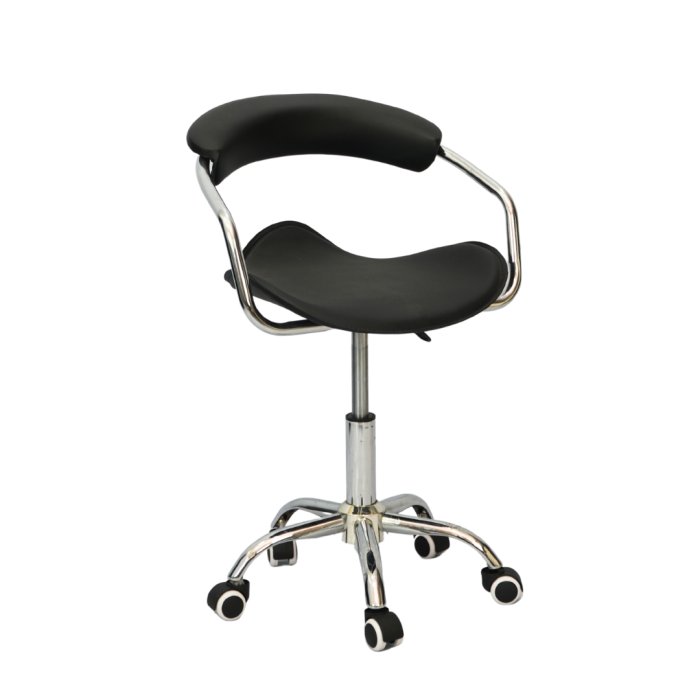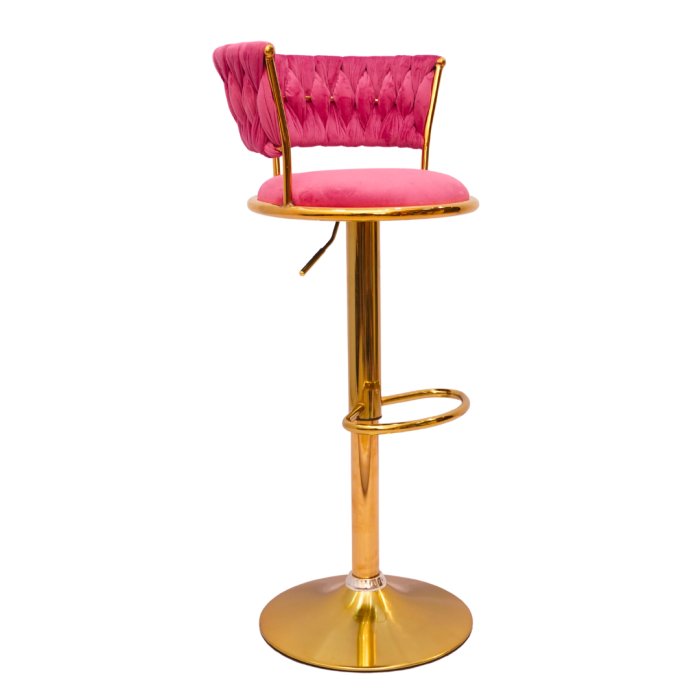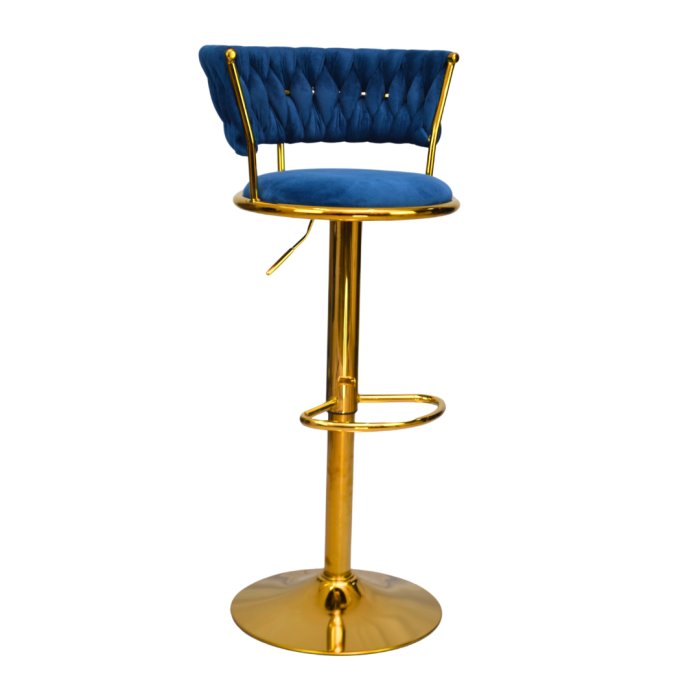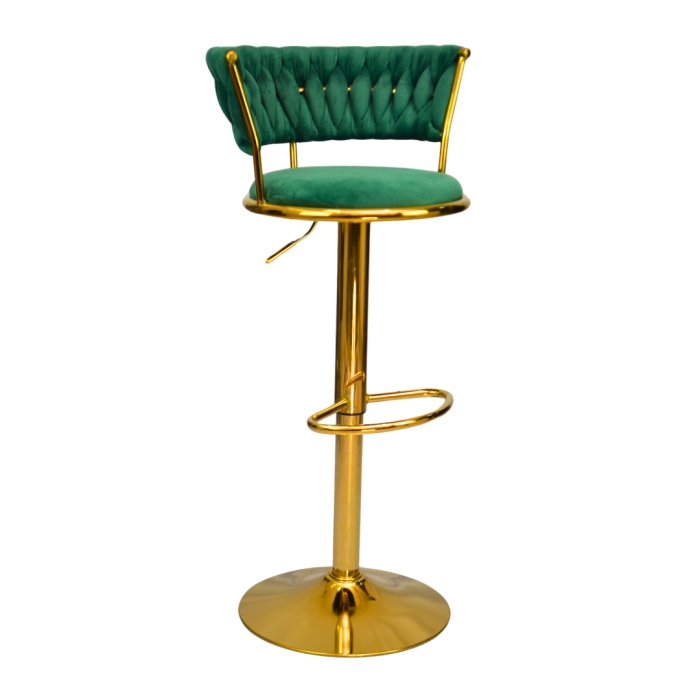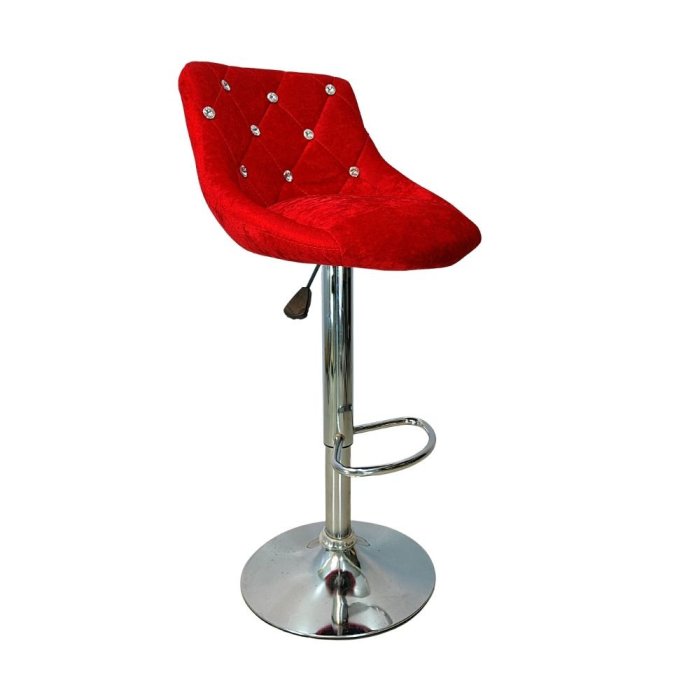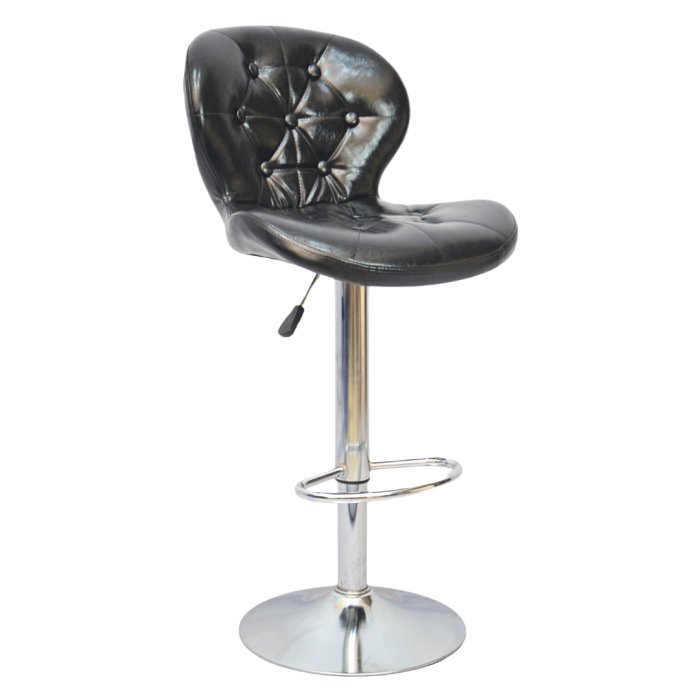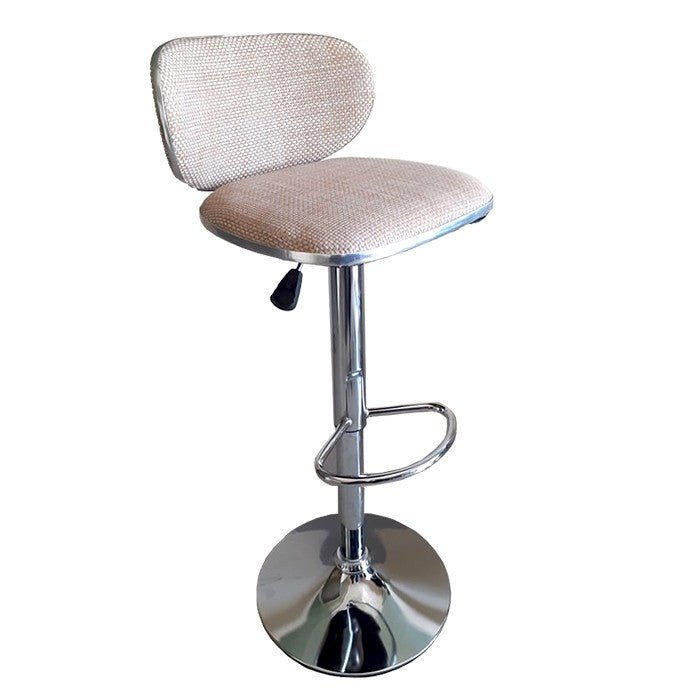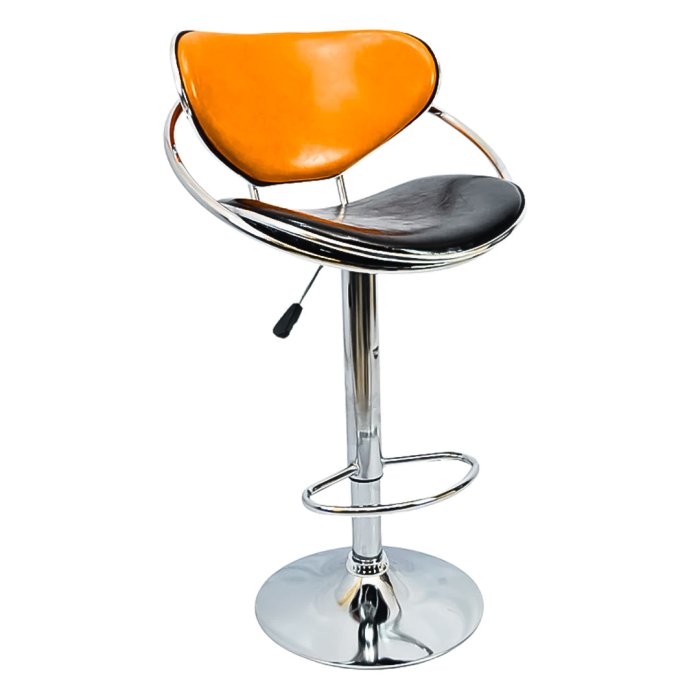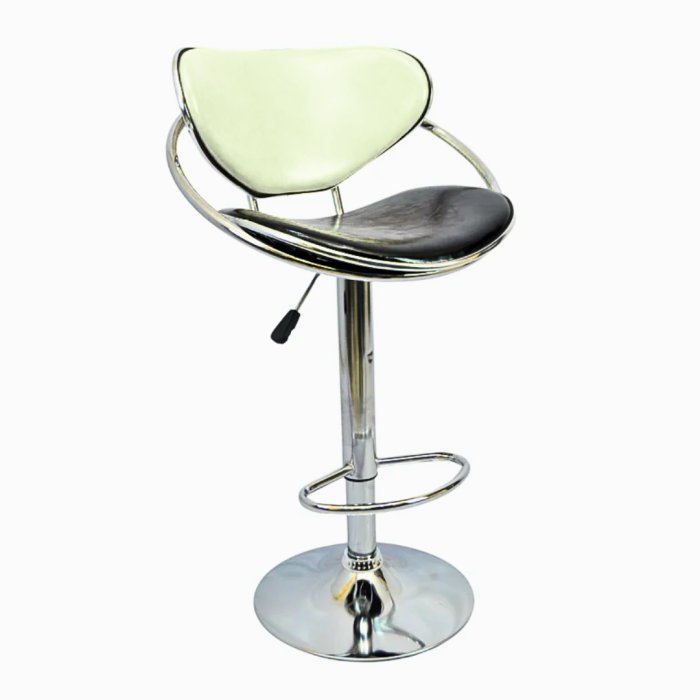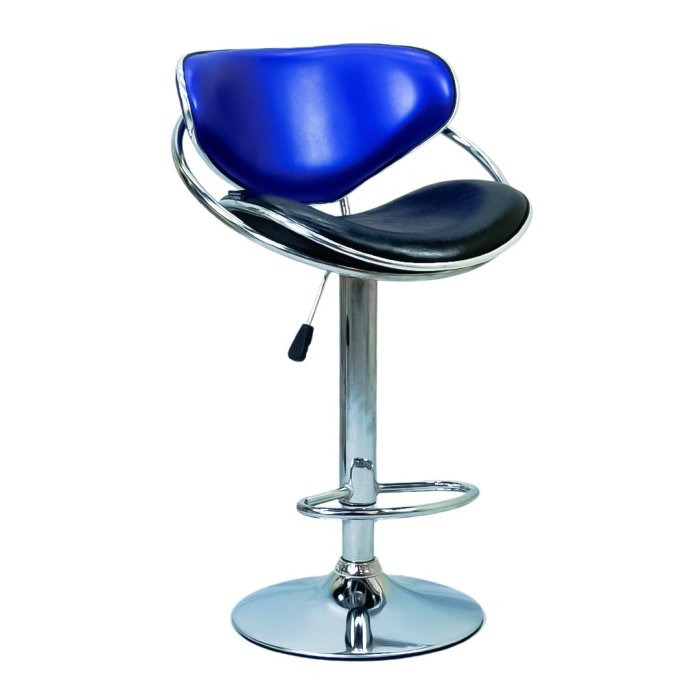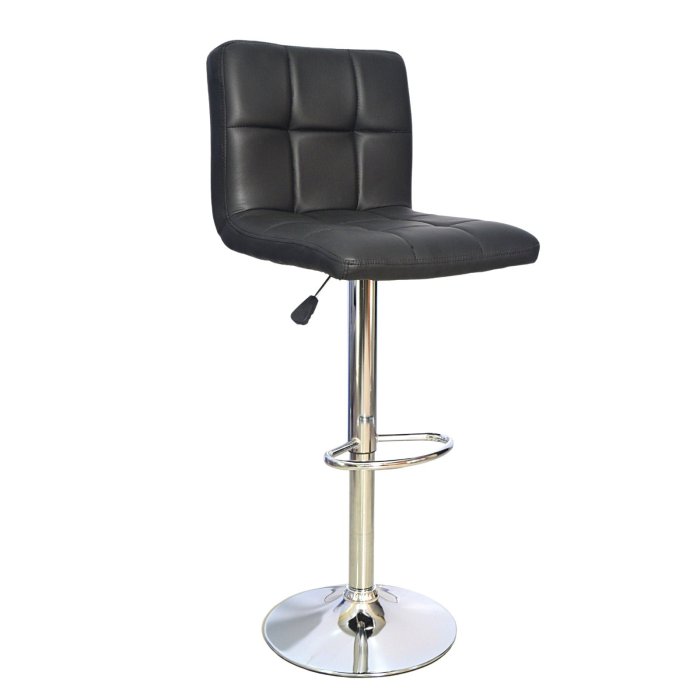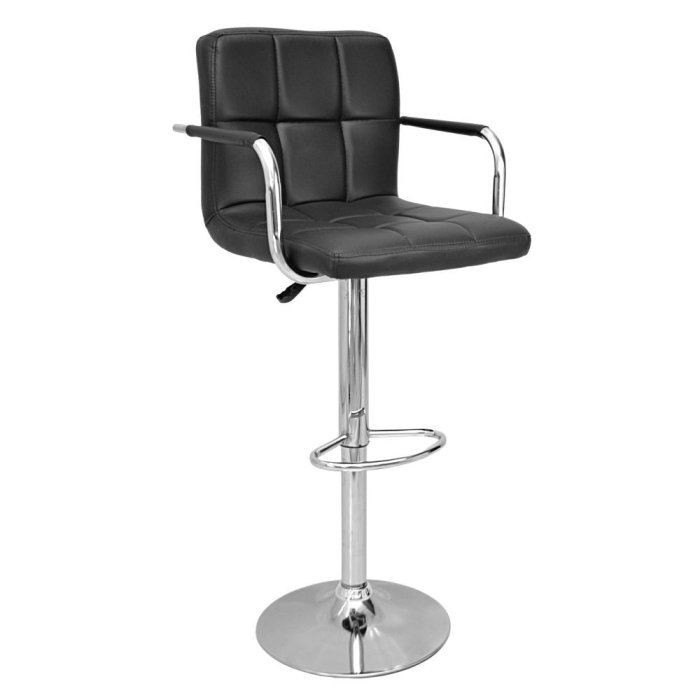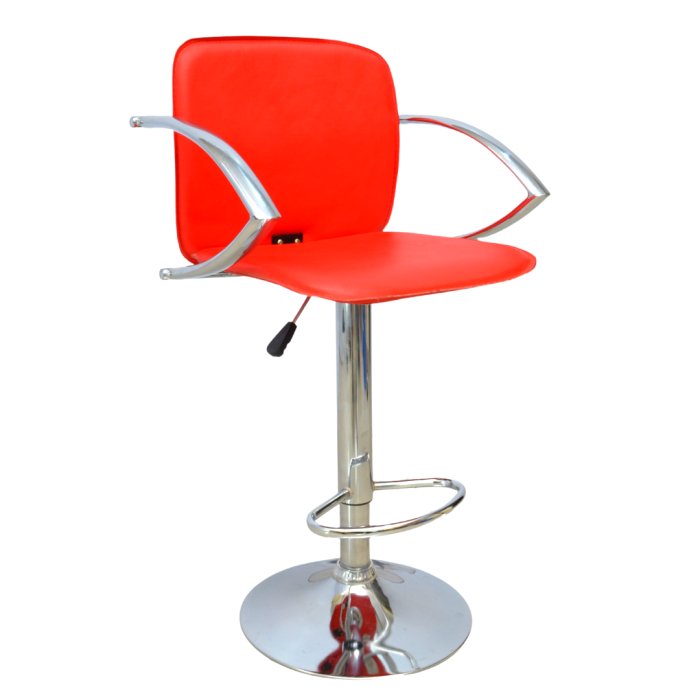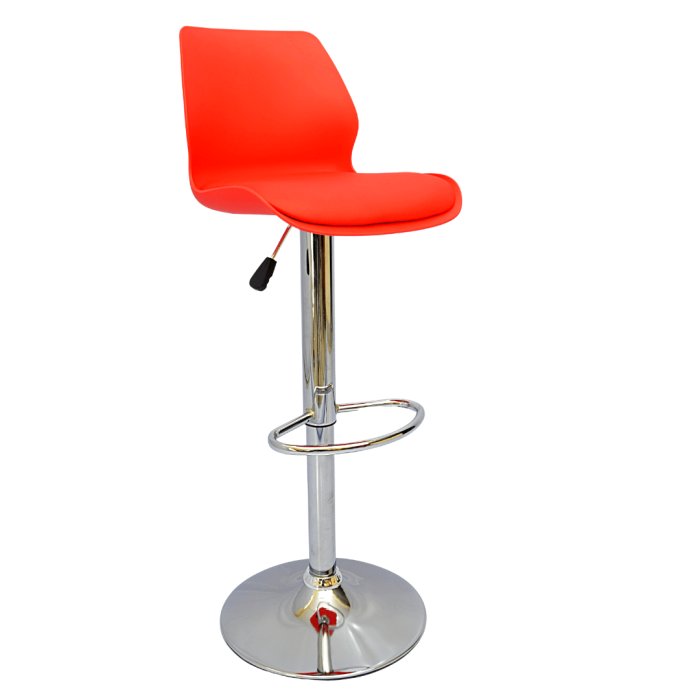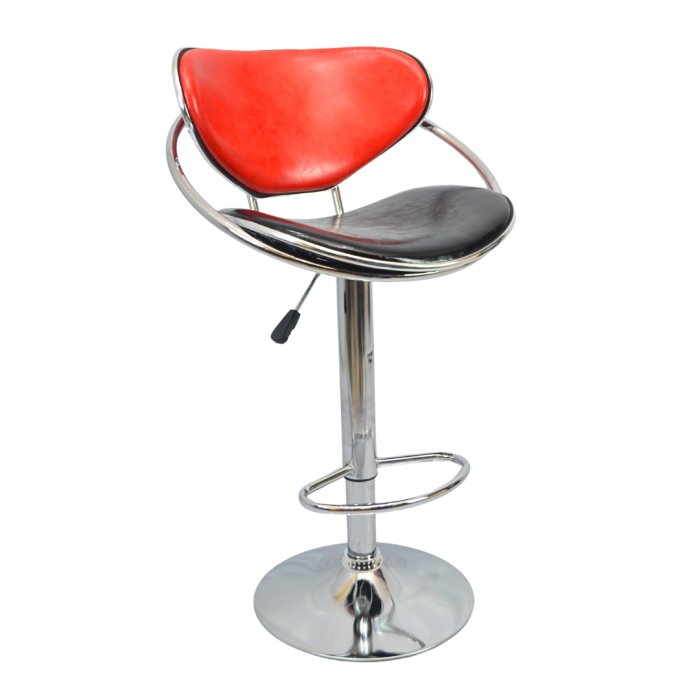
Bar Stool (FT-BL1) Red
5855 tk 7072 tk
প্রোডাক্ট কোড: 429
| ঢাকার ভিতরে ডেলিভারি | ৳ 60 |
| ঢাকার বাইরে ডেলিভারি | ৳ 130 |
পন্যের বিবরণ
The Bar Stool (FT-BL1) in red is a straightforward seating solution built for workspace and office environments where you need flexible, practical furniture. Whether you're outfitting a breakroom, standing desk area, or collaborative workspace, this stool delivers dependable height and stable support for daily use.
Build and Construction
This bar stool is engineered for regular workplace use. The frame is designed to handle consistent daily sitting without wobble or movement. The red finish gives it a clean, professional appearance that works well in modern office settings. The stool's construction focuses on durability—it's made to stand up to the demands of a busy workspace where multiple people may use it throughout the day.
Sizing and Dimensions
Bar stools serve a specific purpose in office layouts. The FT-BL1 is sized for use at counter-height surfaces, bar-height tables, or standing desks that require elevated seating. When selecting this stool for your workspace, measure your counter or desk height to ensure proper fit. The seat-to-floor height is optimized for typical bar and counter setups found in modern offices. This stool works especially well in breakrooms, kitchenettes, and collaboration zones where employees need quick, convenient seating without requiring a full desk chair.
Daily Use in the Office
In a workplace context, bar stools like this one excel where full desk chairs aren't practical. Use them for:
- Breakroom seating near high tables or counters
- Standing desk setups that need occasional seated breaks
- Casual meeting areas and collaboration zones
- Visitor seating in reception or waiting areas
- Kitchen or refreshment areas
The red color stands out in neutral office environments and helps define different work zones. Unlike desk chairs, bar stools take up less floor space and stack or tuck away easily when not in use.
Practical Workspace Considerations
For office and workplace use, consider where this stool will live. If it stays in one spot—at a counter or tall table—placement is straightforward. If it moves between locations, ensure your floor is smooth (wood, tile, or polished concrete work best). The stool's footprint is compact, making it useful in offices where space efficiency matters. In busy environments like shared kitchens or break areas, its sturdy build means it will tolerate frequent use without failing.
অফিস এবং কর্মক্ষেত্রের জন্য বার স্টুল
বার স্টুল (FT-BL1) লাল রঙের এই স্টুলটি বাংলাদেশের অফিস এবং কর্মক্ষেত্রের জন্য একটি নির্ভরযোগ্য পছন্দ। এটি কাউন্টার উচ্চতার টেবিল, স্ট্যান্ডিং ডেস্ক, বা ব্রেকরুম এলাকায় ব্যবহারের জন্য ডিজাইন করা হয়েছে। স্টুলটি দৈনন্দিন অফিস ব্যবহারের জন্য মজবুত এবং টেকসই, এবং এটি দীর্ঘমেয়াদী কর্মক্ষেত্রের প্রয়োজন মেটাতে তৈরি করা হয়েছে।
এই বার স্টুলটি বিশেষভাবে উপকারী যেখানে সম্পূর্ণ ডেস্ক চেয়ার প্রয়োজন নেই। ব্রেকরুম, রিসেপশন এলাকা, সহযোগিতা জোন, এবং কিচেনেট স্থানে এটি দুর্দান্ত কাজ করে। লাল রঙের ফিনিশ আধুনিক অফিস পরিবেশে পেশাদার দেখায় এবং বিভিন্ন কর্মক্ষেত্র অঞ্চল আলাদা করতে সাহায্য করে। স্টুলটি কম স্থান নেয় এবং প্রয়োজনে সহজেই সরিয়ে ফেলা যায় বা স্ট্যাক করা যায়।
আপনার অফিসের জন্য এই স্টুলটি নির্বাচন করার সময়, নিশ্চিত করুন যে এটি আপনার কাউন্টার বা ডেস্কের উচ্চতার সাথে মানানসই হয়। দৈনন্দিন ব্যবহারে এটি নির্ভরযোগ্য পারফরম্যান্স প্রদান করে এবং ব্যস্ত কর্মক্ষেত্রে একাধিক ব্যবহারকারীকে সামলাতে পারে। এর শক্ত নির্মাণ নিশ্চিত করে যে এটি কঠোর অফিস ব্যবহারের সাথে তাল মিলিয়ে চলতে পারে।