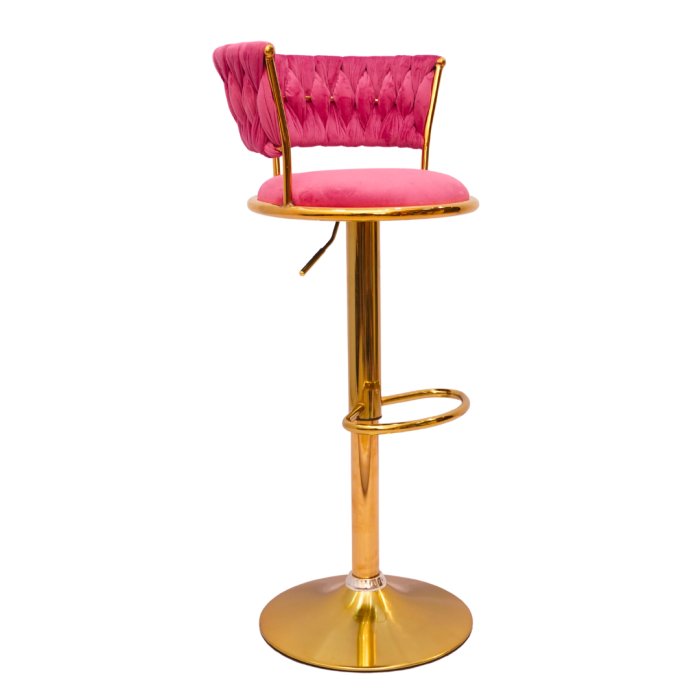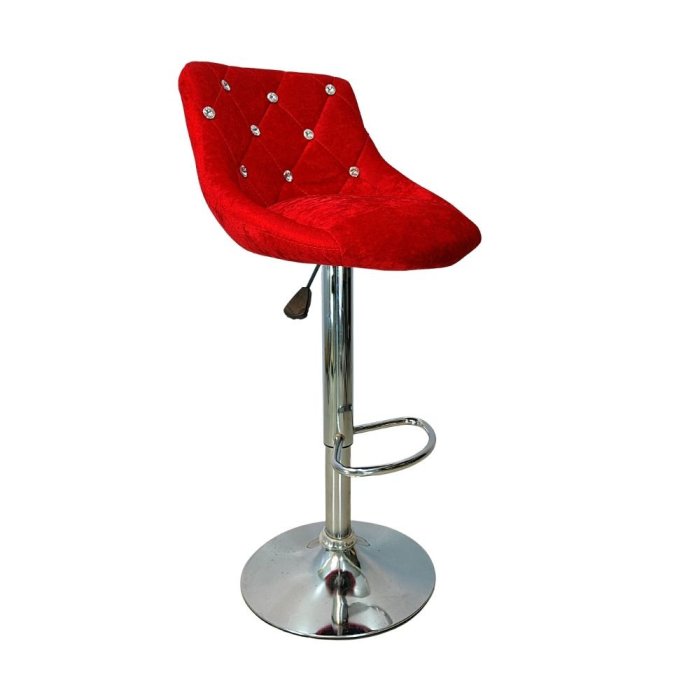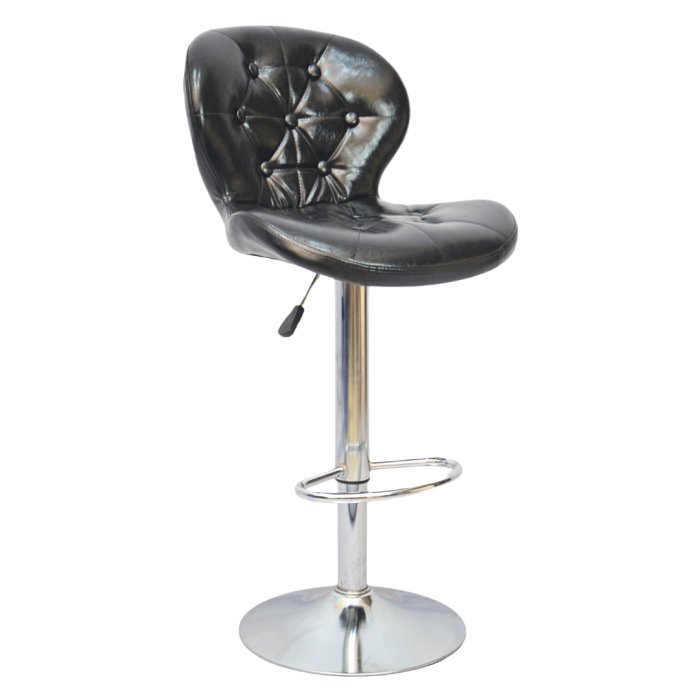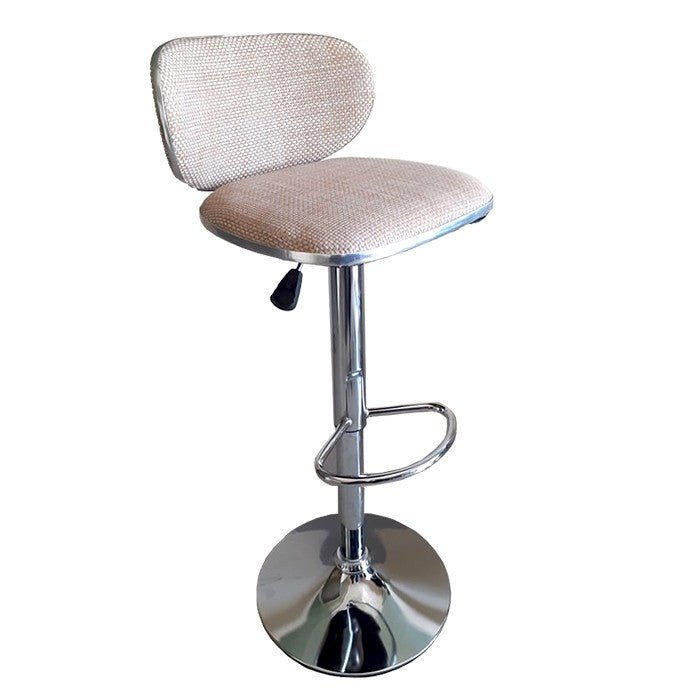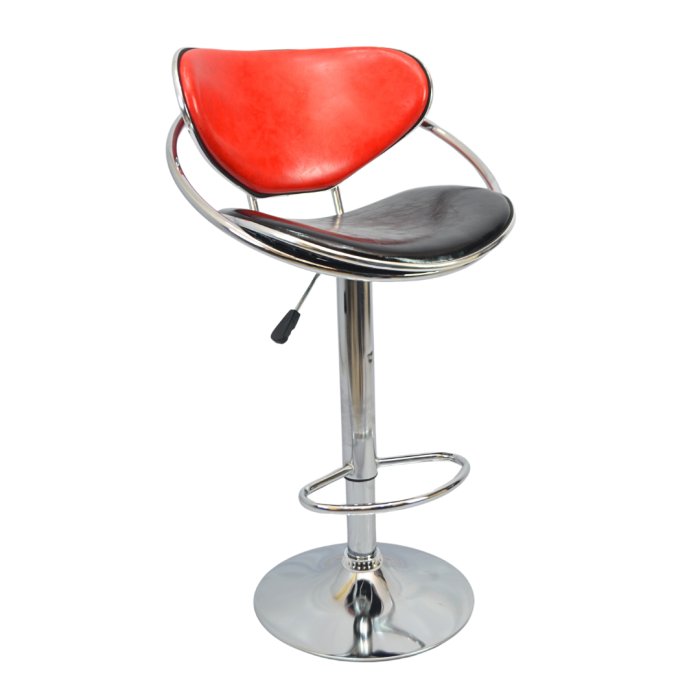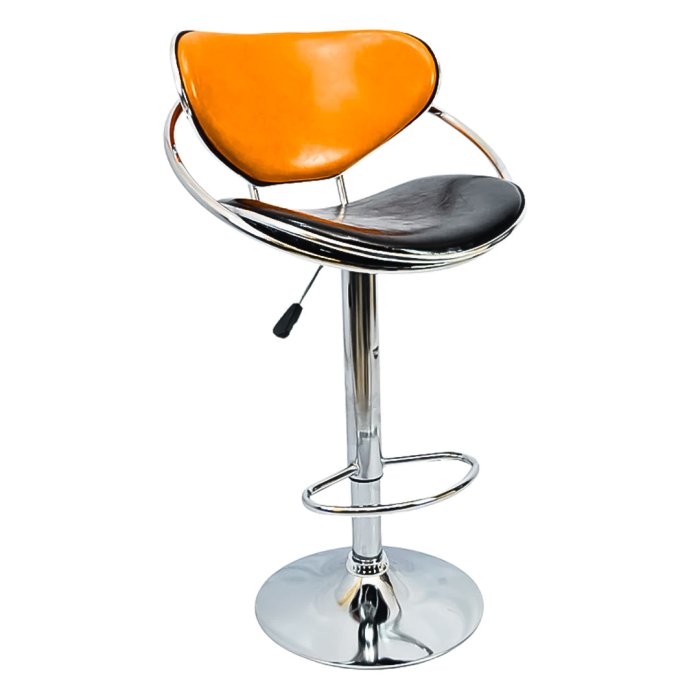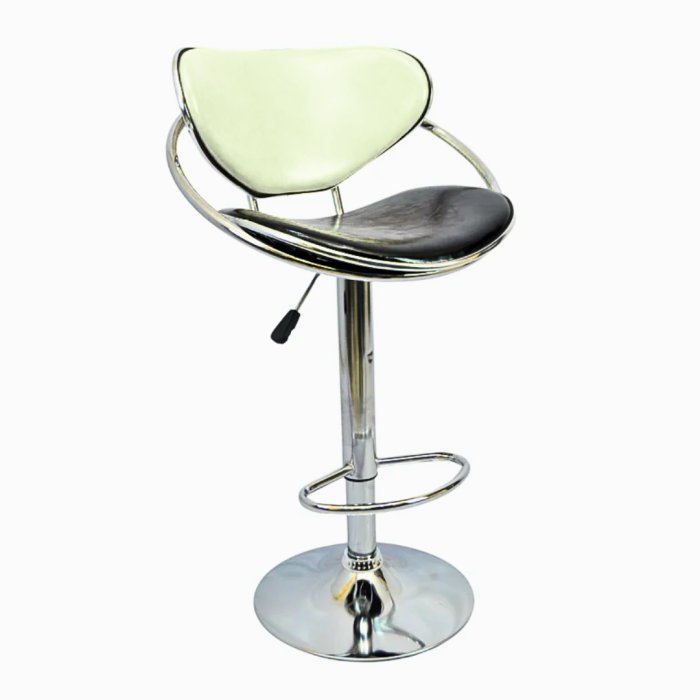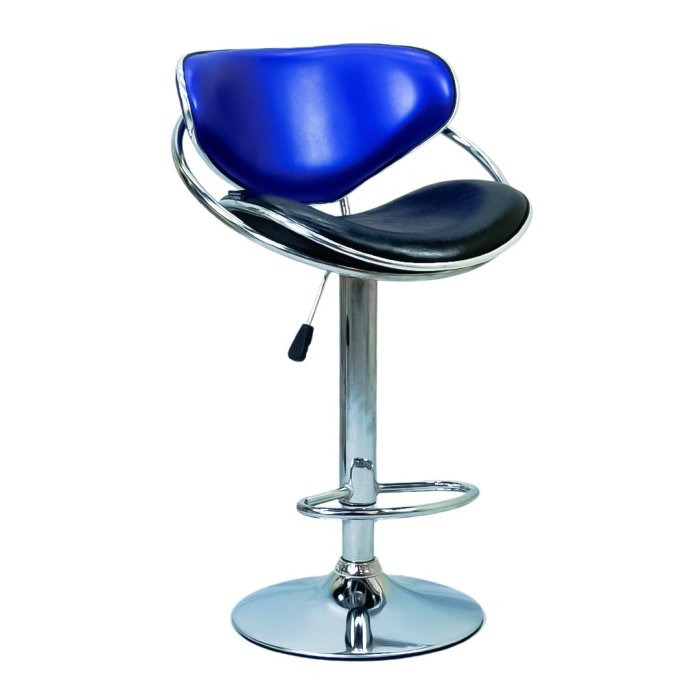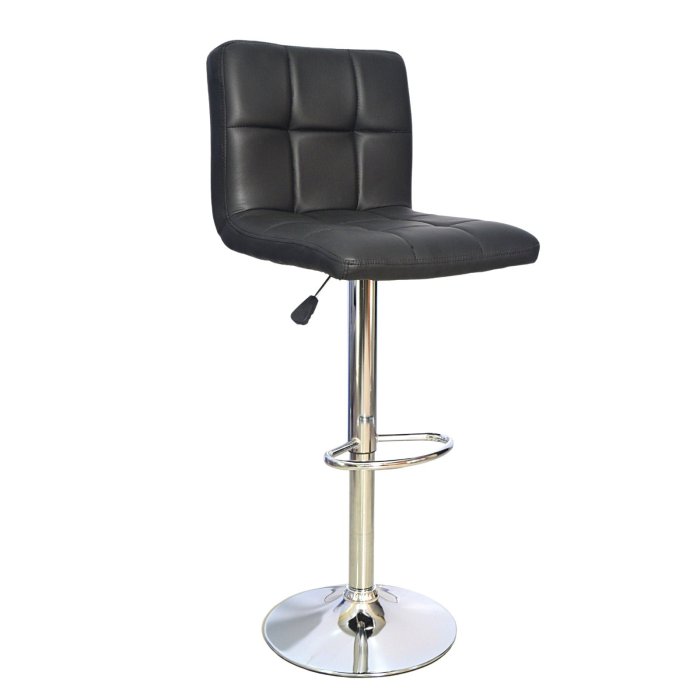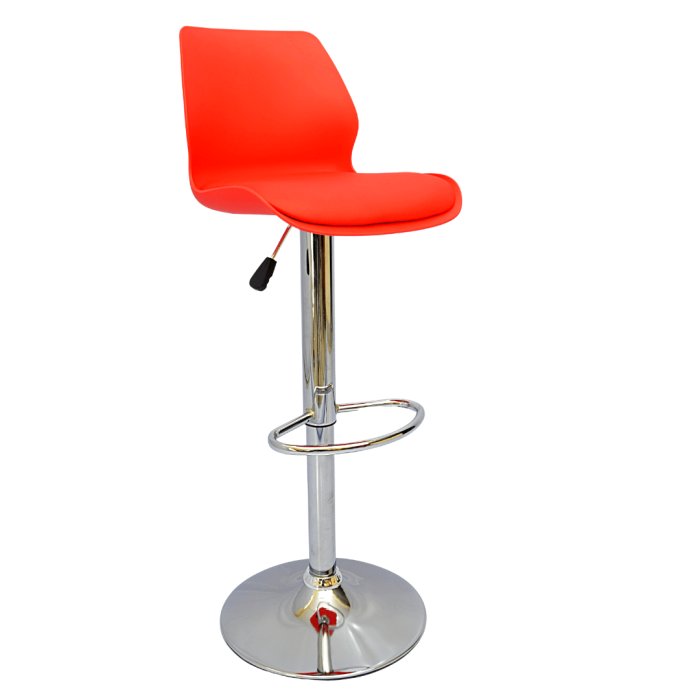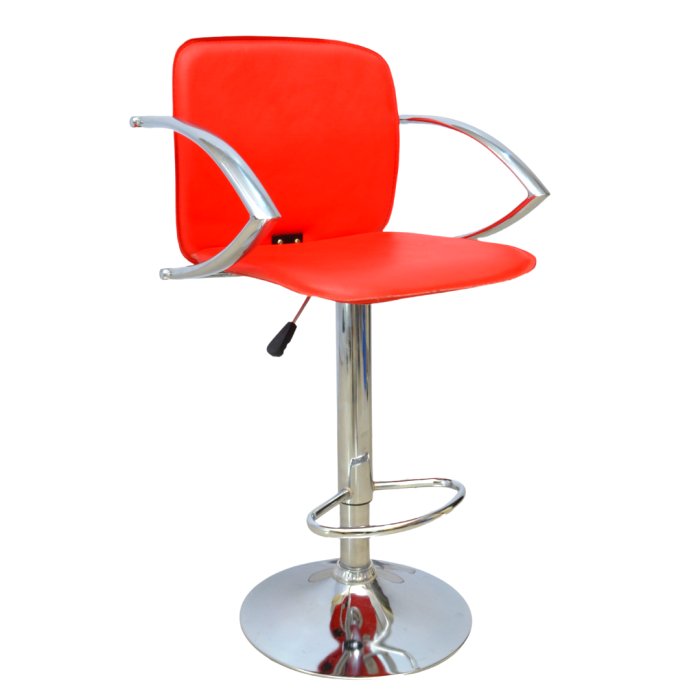
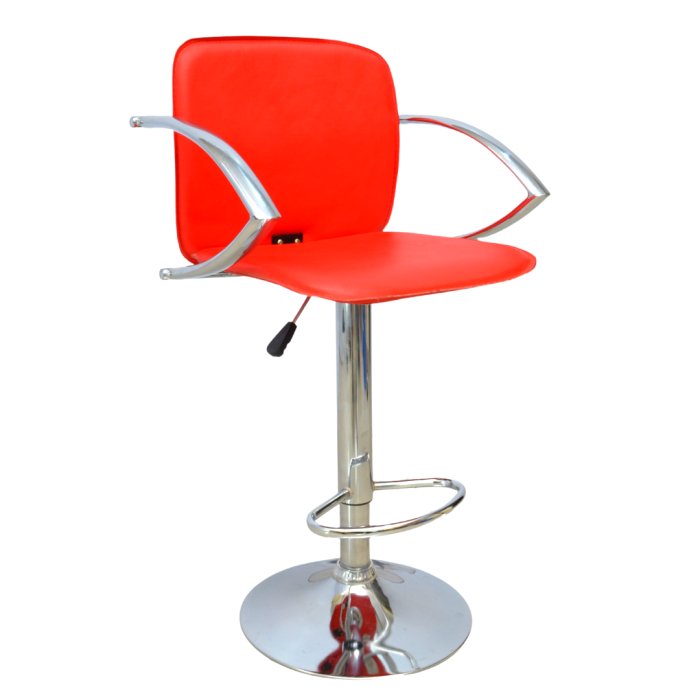
Bar stool ( FT-B214 ) Red
6292 tk 10390 tk
প্রোডাক্ট কোড: 423
| ঢাকার ভিতরে ডেলিভারি | ৳ 60 |
| ঢাকার বাইরে ডেলিভারি | ৳ 130 |
পন্যের বিবরণ
Professional Red Bar Stool for Your Office Workspace
The FT-B214 red bar stool is designed for professionals who need flexible seating solutions at their desk or workspace. Whether you're setting up a standing desk area, a reception counter, or a casual meeting zone in your office, this stool delivers practical comfort for extended sitting sessions. The bold red finish adds a professional accent to modern office environments while maintaining workplace practicality.
Built for daily desk work, this bar stool offers the right height and stability you need when working at elevated surfaces, high desks, or counter-height workstations. The compact footprint makes it ideal for offices where space management matters, fitting neatly under or beside your desk when not in active use.
Sizing and Height Considerations for Desk Use
The FT-B214 is engineered with office professionals in mind. When selecting a bar stool for your workspace, proper sizing ensures you can work comfortably throughout the day. This stool works best paired with desks or work surfaces that are 36 to 42 inches high, a standard measurement for counter-height and bar-height work areas. Measure your work surface before purchasing to ensure the seat height aligns with your daily tasks.
Proper sizing prevents strain during long work sessions. Your feet should rest flat on the floor or footrest when seated, with your knees at approximately a 90-degree angle. The seat height of the FT-B214 accommodates this positioning when used with appropriately sized work surfaces. If you're replacing an older stool or adding to existing furniture, take measurements of your current setup to maintain consistency across your workspace.
Daily Use at Your Desk: Practical Features
Office workers appreciate stools that deliver reliable performance day after day. The FT-B214 is built to handle regular workplace use without fuss. The red color resists showing daily wear better than lighter shades, making it practical for busy office environments where multiple users may occupy the seat throughout the day.
The stool's structure supports your work posture during document review, computer work, and collaborative tasks. Unlike traditional office chairs, a bar stool encourages active sitting and slight postural adjustments, which many desk workers find beneficial during long workdays. Position it at your standing desk, high-top meeting table, or reception counter for versatile workspace solutions.
Easy to clean and maintain, the FT-B214 fits seamlessly into office routines. A quick wipe-down keeps the red finish looking fresh in professional settings. The stable base design prevents tipping or wobbling, giving you confidence when settling into the seat or moving around your workspace.
Integration into Your Office Layout
The FT-B214 red bar stool works as part of a cohesive office design. Its compact form makes it suitable for small offices, collaborative zones, and transitional spaces where flexible seating adds functionality. Unlike bulky office chairs, this stool takes minimal floor space, allowing you to maximize your workspace for actual work surface area.
Pair the stool with adjustable desks, standing desk setups, or elevated work counters. The red color complements modern office aesthetics, from minimalist workspaces to creative office environments. Use it temporarily at a high desk or permanently at a dedicated workstation—the FT-B214 adapts to your office layout and changing needs.
শোরুম ও অফিসের জন্য লাল বার স্টুল
ফটি-বি২১৪ লাল বার স্টুল আপনার অফিস এবং কর্মক্ষেত্রের জন্য একটি ব্যবহারিক আসবাবপত্র। এই স্টুলটি উঁচু ডেস্ক, রিসেপশন কাউন্টার এবং উচ্চতর কাজের পৃষ্ঠের সাথে ব্যবহারের জন্য ডিজাইন করা হয়েছে। অফিসের পেশাদার পরিবেশে এর গভীর লাল রঙ একটি শক্তিশালী এবং আধুনিক চেহারা যোগ করে। দীর্ঘ কর্মদিবসে স্থিতিশীল এবং নির্ভরযোগ্য সমর্থন প্রদান করে এই স্টুলটি প্রতিদিনের অফিসের ব্যবহারের জন্য তৈরি।
আপনার অফিসের জায়গা সীমিত হলেও এই স্টুলের কমপ্যাক্ট আকার এটিকে নিখুঁত পছন্দ করে তোলে। যখন ব্যবহার করছেন না তখন এটি সহজেই ডেস্কের নিচে বা পাশে রাখা যায়। স্টুলটি আপনার কাজের সারফেসের উচ্চতার সাথে সঠিকভাবে সারিবদ্ধ হলে সারাদিন আরামদায়ক বসার অভিজ্ঞতা পাবেন। ৩৬ থেকে ৪২ ইঞ্চি উচ্চতার ডেস্ক বা কাউন্টারের সাথে এটি সেরা কাজ করে।
প্রতিদিনের ব্যবহারে এই স্টুলের স্থিতিশীল ভিত্তি আপনাকে নিরাপদ অনুভব করাবে এবং কোনো দুর্ঘটনার ঝুঁকি কমায়। অফিসে একাধিক ব্যবহারকারী থাকলেও লাল রঙ দৈনন্দিন পরিধান লুকিয়ে রাখে এবং পরিষ্কার করা সহজ। আপনার স্ট্যান্ডিং ডেস্ক, সভার টেবিল বা রিসেপশন এরিয়ার জন্য এটি একটি নমনীয় সমাধান হতে পারে।