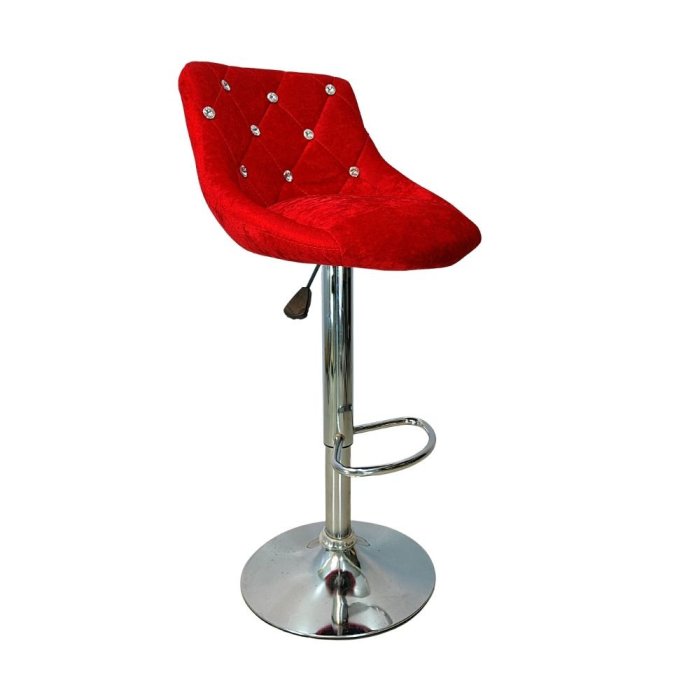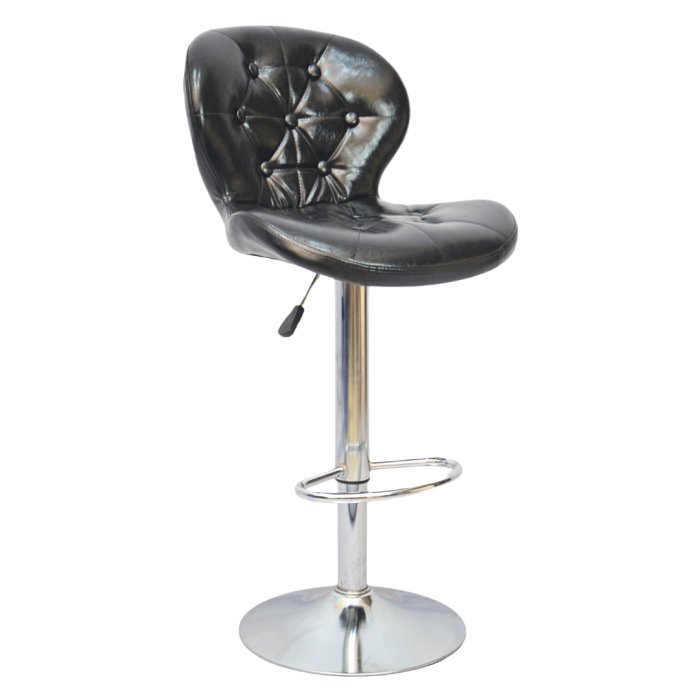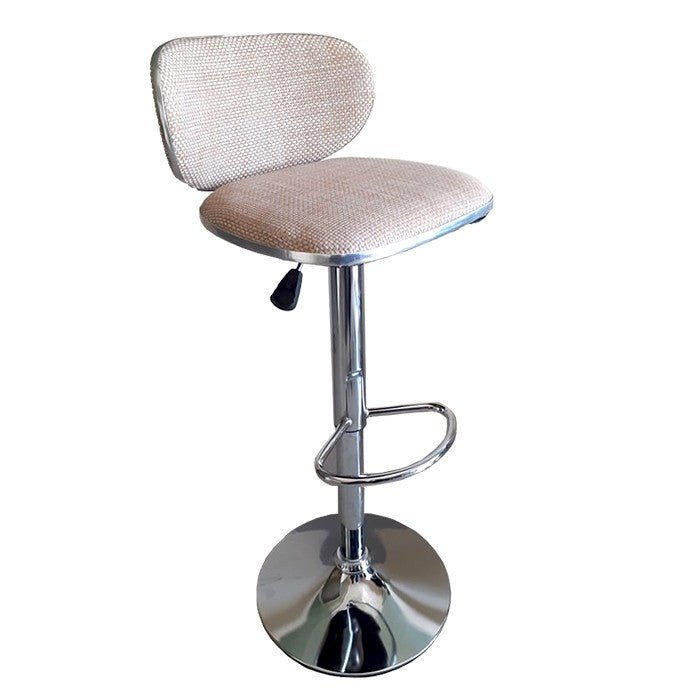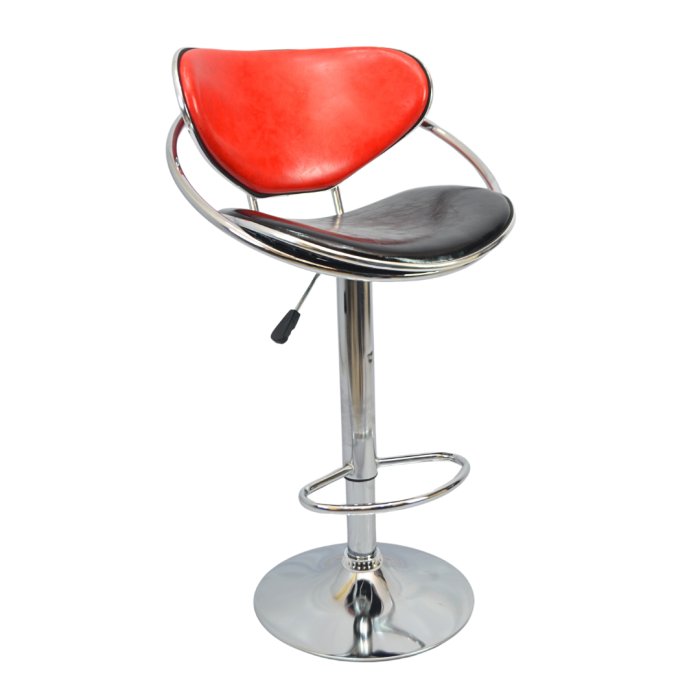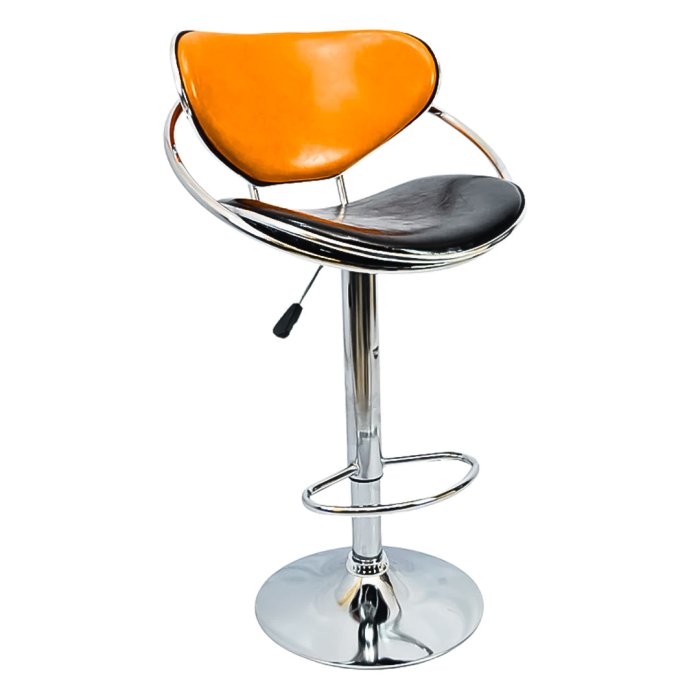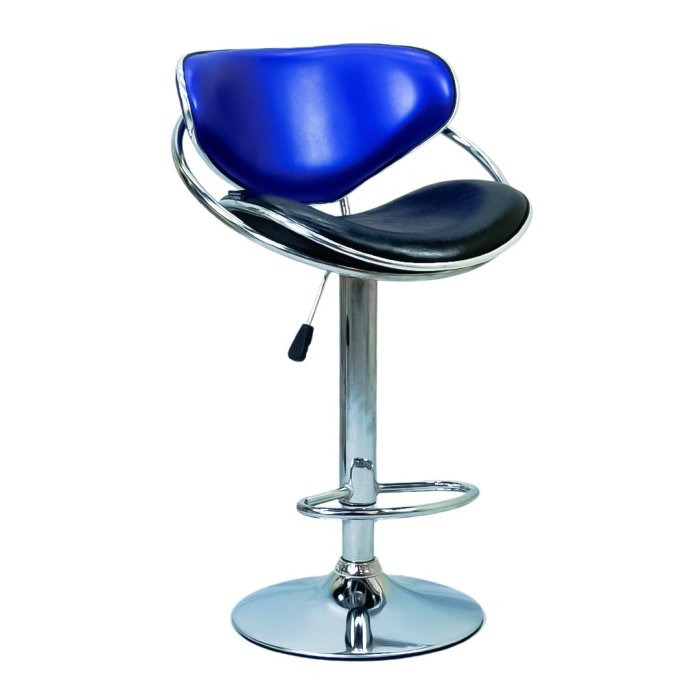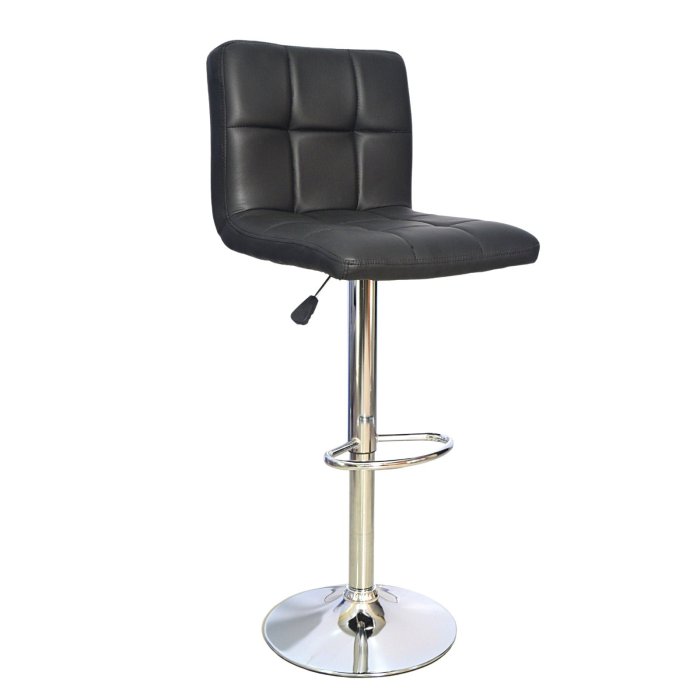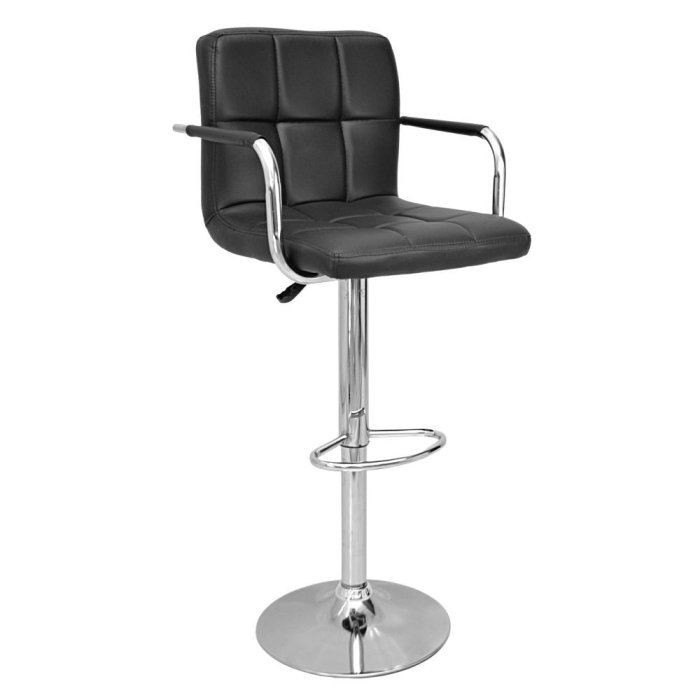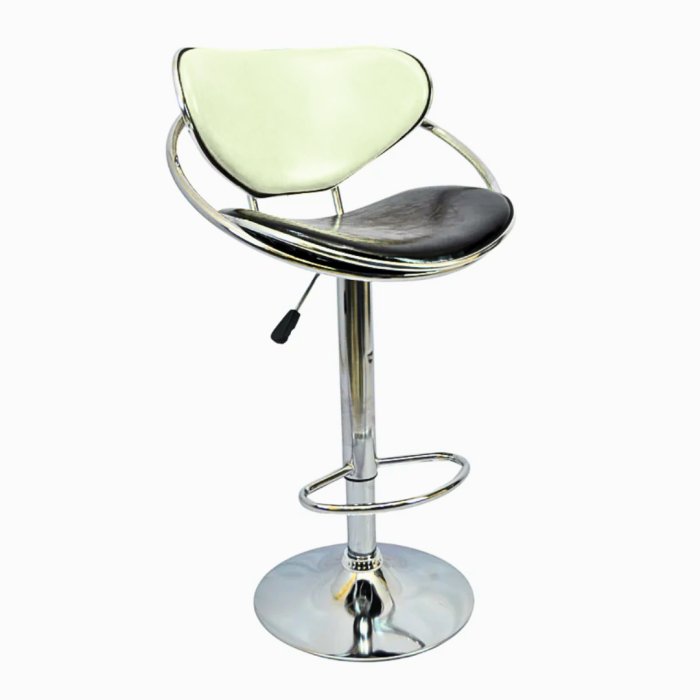
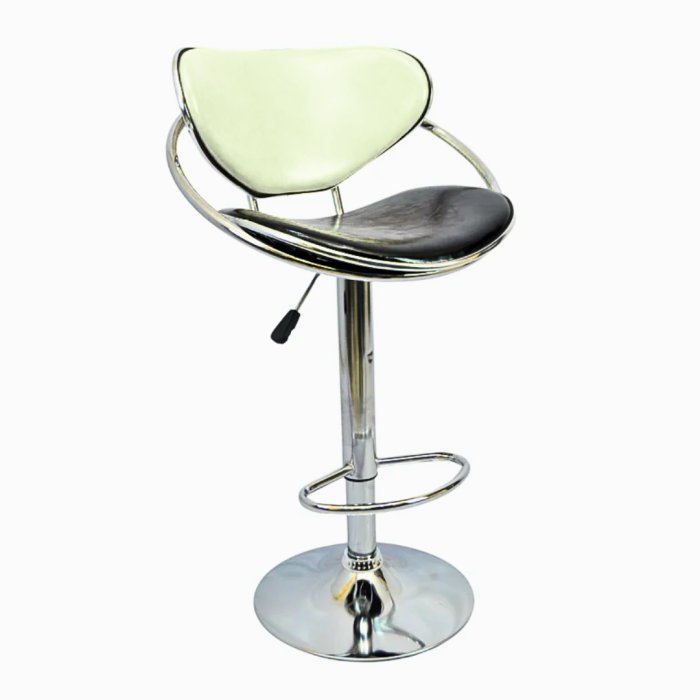
Bar Stool (FT-BL1) Glossy Off White
5855 tk 7072 tk
প্রোডাক্ট কোড: 427
| ঢাকার ভিতরে ডেলিভারি | ৳ 60 |
| ঢাকার বাইরে ডেলিভারি | ৳ 130 |
পন্যের বিবরণ
Practical Bar Stool for Your Workspace
The Bar Stool (FT-BL1) in Glossy Off White is built for office environments where you need flexible seating. Whether you're setting up a casual meeting area, a reception desk, or a high-table workspace, this stool delivers straightforward functionality. The glossy off-white finish keeps maintenance simple—a quick wipe keeps it looking fresh in busy office settings.
Designed with daily desk and workspace use in mind, this bar stool offers the right height for counter-level work surfaces and collaborative standing desks. The build is solid enough to handle regular use in professional environments without wobble or instability.
Build and Sizing for Desk Height Surfaces
This bar stool is engineered for standard counter and bar height surfaces, making it suitable for most office configurations. The frame is constructed to support consistent daily use in workplace settings. Sizing is straightforward—the seat height positions users comfortably at high-top desks and bar-height counters common in modern offices.
The stool's footprint is compact, so it stores neatly under surfaces or in corners when not in use. This makes it practical for offices with variable layouts or shared spaces where furniture needs to adapt to different tasks throughout the day.
Finish and Durability for Office Environments
The glossy off-white finish is selected for workplace practicality. It resists showing dust better than matte finishes and cleans easily with standard office cleaning methods. In busy workspaces where appearance matters, the clean, neutral tone fits seamlessly with contemporary office design.
Daily wear from regular office use—movement, adjustment, and occasional bumps from desk reorganization—is handled by a sturdy build designed for workplace endurance. The finish holds up to the typical demands of an active office setting.
Setup and Daily Use
Assembly is straightforward with no specialized tools required. Once set up, the stool requires no special maintenance beyond occasional cleaning. For offices managing multiple workstations or shared spaces, this stool's simplicity means it's easy to reposition, clean, and integrate into different desk configurations as needs change.
The stool works well in break rooms, standing meeting areas, reception zones, and high-table work areas. Its neutral finish and practical design make it a reliable choice for any professional workspace looking for flexible, no-fuss seating.
Workspace Flexibility and Value
Buying bar stool seating for an office is about solving practical problems—filling gaps in your workspace layout, adding flexibility to high-work-surface areas, and doing it without complications. This stool delivers on those basics. It's built to be part of a functional workspace, not a showpiece, and its off-white finish works in most contemporary office settings.
অফিস ও ওয়ার্কস্পেসের জন্য ব্যবহারিক বার স্টুল
বার স্টুল (FT-BL1) গ্লসি অফ হোয়াইট আপনার অফিস এবং ওয়ার্কস্পেসের জন্য ডিজাইন করা হয়েছে যেখানে আপনার নমনীয় সিটিং সমাধানের প্রয়োজন। ক্যাজুয়াল মিটিং এরিয়া, রিসেপশন ডেস্ক বা হাই-টেবিল ওয়ার্কস্পেস—যেকোনো জায়গায় এই স্টুল সরাসরি কাজ করে। গ্লসি অফ হোয়াইট ফিনিশ রক্ষণাবেক্ষণ সহজ করে—একটি দ্রুত মোছা ব্যস্ত অফিস পরিবেশে এটি নতুনের মতো রাখে। এটি কাউন্টার-লেভেল ওয়ার্ক সারফেস এবং কোলাবরেটিভ স্ট্যান্ডিং ডেস্কের জন্য সঠিক উচ্চতায় ডিজাইন করা হয়েছে।
স্টুলটির ফ্রেম নিয়মিত অফিস ব্যবহার সামলানোর জন্য শক্তিশালী, কোনো দুর্বলতা বা অস্থিরতা ছাড়াই। সাইজিং সরল—সিট উচ্চতা ব্যবহারকারীদের হাই-টপ ডেস্ক এবং বার-হাইট কাউন্টারে আরামদায়কভাবে অবস্থান করায় যা আধুনিক অফিসে সাধারণ। স্টুলের ফুটপ্রিন্ট কমপ্যাক্ট, তাই এটি সারফেসের নিচে বা কোণায় সংরক্ষণ করা যায়। এটি পরিবর্তনশীল লেআউট বা শেয়ার্ড স্পেসের অফিসের জন্য ব্যবহারিক যেখানে আসবাবপত্র পুরো দিন জুড়ে বিভিন্ন কাজে খাপ খাইয়ে নিতে হয়।
গ্লসি অফ হোয়াইট ফিনিশ ওয়ার্কপ্লেস ব্যবহারের কথা মাথায় রেখে নির্বাচন করা হয়েছে। এটি ম্যাট ফিনিশের চেয়ে ধুলো দেখা কঠিন এবং স্ট্যান্ডার্ড অফিস ক্লিনিং পদ্ধতিতে সহজে পরিষ্কার হয়। ব্যস্ত ওয়ার্কস্পেসে যেখানে চেহারা গুরুত্বপূর্ণ, পরিষ্কার, নিরপেক্ষ টোন সমসাময়িক অফিস ডিজাইনের সাথে নির্বিঘ্নে মানানসই হয়। নিয়মিত অফিস ব্যবহার থেকে দৈনিক ঘর্ষণ—আন্দোলন, সামঞ্জস্য এবং ডেস্ক পুনর্বিন্যাস থেকে মাঝেমধ্যে ধাক্কা—সবকিছু একটি শক্তিশালী, ওয়ার্কপ্লেস-টেকসই বিল্ড দ্বারা পরিচালিত হয়।