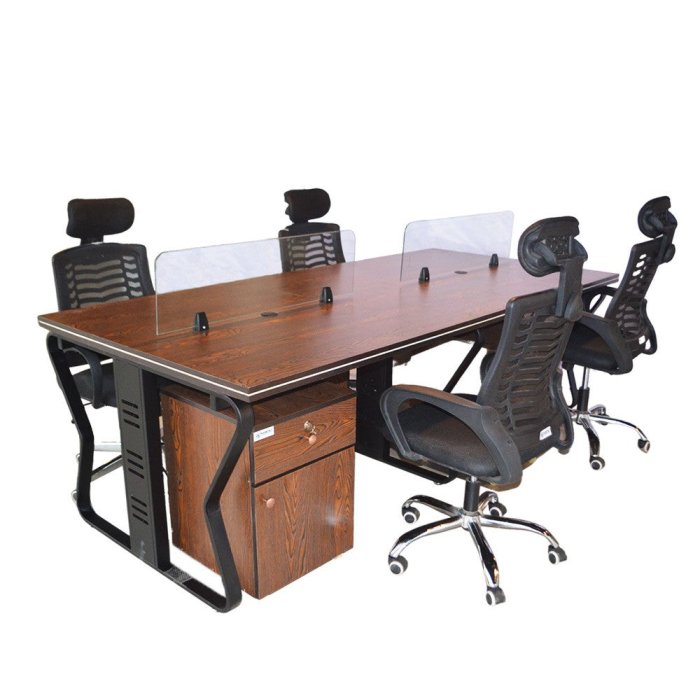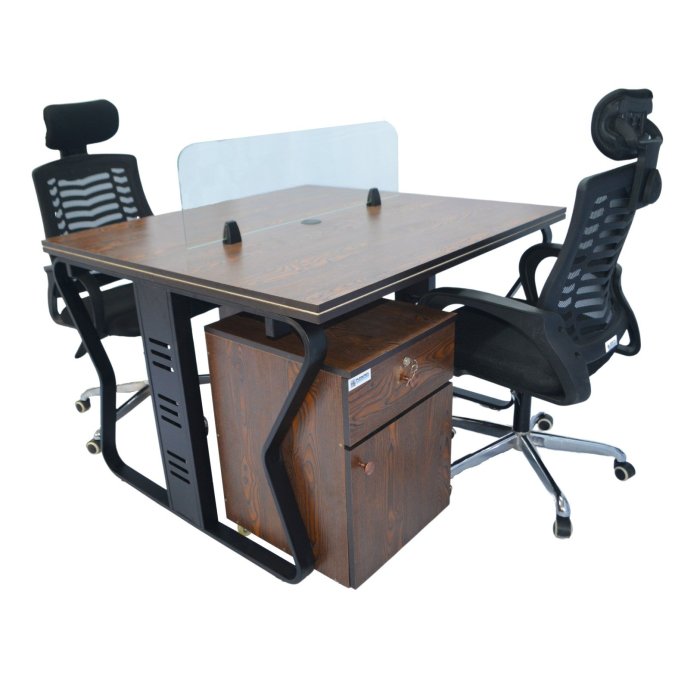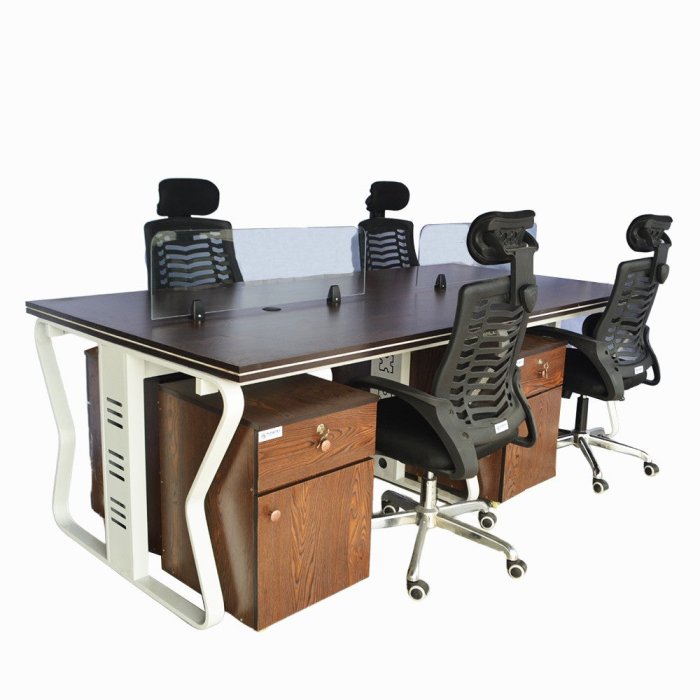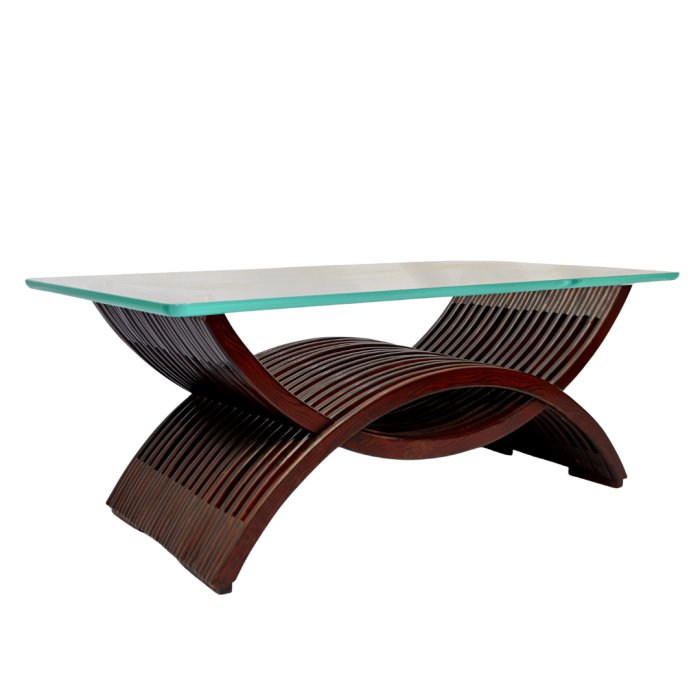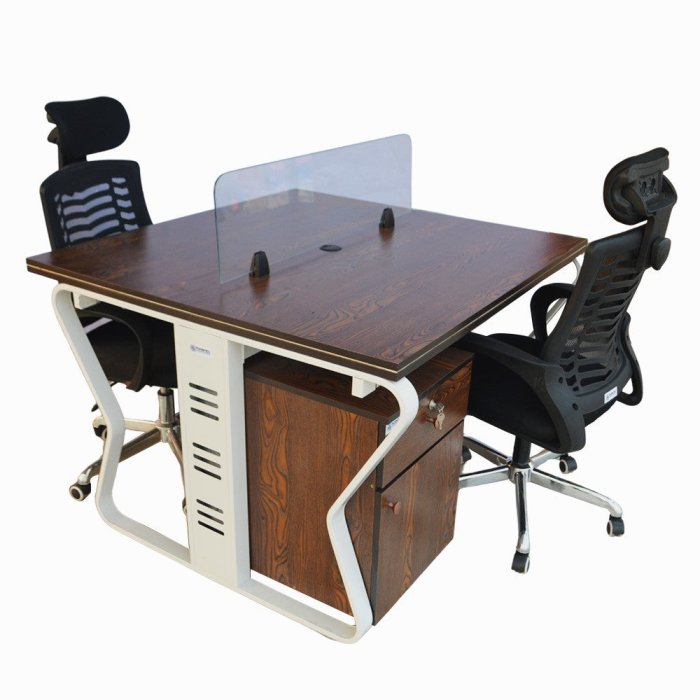
Workstation Office Table for 2 Person with Front Table(FT-001) White
31512 tk 31512 tk
প্রোডাক্ট কোড: 601
| ঢাকার ভিতরে ডেলিভারি | ৳ 60 |
| ঢাকার বাইরে ডেলিভারি | ৳ 130 |
পন্যের বিবরণ
Two-Person Workstation Design for Modern Offices
The FT-001 White Workstation Office Table is built from the ground up for teams and shared workspace environments. This two-person configuration gives you and your colleague dedicated work surfaces while maintaining a compact footprint on your office floor. The design recognizes that modern work often means sitting side-by-side—whether you're collaborating on projects, training, or simply sharing the same workspace during office hours.
Each user gets their own work zone with clear separation, eliminating the awkward shuffle for pens, papers, or elbow room. The front table component adds functional storage and organization without taking up additional floor space, keeping your daily desk essentials within arm's reach.
Sizing and Layout for Daily Desk Work
This two-person table is sized for standard office operations. The proportions work well for computers, documents, keyboards, and the daily tools you use at your desk. The front table extends your usable surface area—ideal for keeping reference materials, stationery organizers, or a second monitor setup within reach without cluttering your main work surface.
The layout encourages efficient workflow: each person has clear sight lines to their own work, the front table acts as a buffer zone for shared items or temporary storage, and the overall footprint fits naturally into small-to-medium office spaces, meeting rooms, or training areas.
White Finish for Professional Workspaces
The white finish delivers a clean, contemporary look that works in any office setting. White surfaces reflect light, making your workspace feel brighter and more open—practical for cubicles, open-plan offices, or meeting areas. The color is neutral enough to match existing furniture while maintaining a professional, organized appearance that reflects well on your work environment.
A white workstation reads as modern and minimal, avoiding the visual weight of darker woods or metal frames. This makes the table suitable for client-facing areas, startup offices, corporate departments, or any setting where visual clarity and professionalism matter.
Daily Use at Your Desk
This table is engineered for the realities of office work. Two people can sit comfortably for full workdays—attending meetings, writing emails, reviewing files, or using dual monitors. The front table keeps frequently used items organized and visible, reducing reach-and-search time and keeping your main work surface clear for focused tasks.
The structure supports standard office equipment: desktop computers, laptop docking stations, monitors, desk phones, and document holders. The design accommodates cable management and typical office workflows, whether you work in a corporate office, co-working space, or open-plan environment. Built for practical, day-to-day workplace use rather than specialized tasks.
সহজ এবং টেকসই অফিস টেবিল
এই দুই জনের ওয়ার্কস্টেশন টেবিল বাংলাদেশের অফিস স্পেসের জন্য উপযুক্ত। যখন আপনার অফিসে দুইজন কর্মচারী একসাথে কাজ করতে চান, তখন এই টেবিলটি পারফেক্ট সলিউশন। সামনের টেবিলটি ফাইল, ডকুমেন্ট এবং দৈনন্দিন জিনিসপত্র সংরক্ষণের জন্য অতিরিক্ত জায়গা দেয়, যাতে আপনার মূল কর্মক্ষেত্র পরিষ্কার থাকে। দুইজন ব্যক্তি আরামে সারাদিন বসে কাজ করতে পারবেন এবং একে অপরের কাজে বাধা সৃষ্টি হবে না।
সাদা রঙের ফিনিশিং যেকোনো আধুনিক অফিসে দুর্দান্ত দেখায় এবং এটি একটি পেশাদার চেহারা তৈরি করে। ছোট অফিস, মিটিং রুম বা ওপেন প্ল্যান স্পেসে এই টেবিলটি পুরোপুরি খাপ খায়। কম্পিউটার, মনিটর, কীবোর্ড এবং অফিস সরঞ্জাম সহজেই এর উপর রাখা যায়। টেবিলটি দৈনন্দিন অফিস কাজের জন্য ডিজাইন করা হয়েছে এবং এটি দীর্ঘস্থায়ী এবং নির্ভরযোগ্য।
আপনার অফিসের জন্য যদি সাশ্রয়ী এবং কার্যকর টেবিল খুঁজছেন, তাহলে এই দুই জনের ওয়ার্কস্টেশনটি আপনার সেরা পছন্দ হবে। এটি স্টার্টআপ, কর্পোরেট অফিস, শিক্ষা প্রতিষ্ঠান বা যেকোনো প্রকার কর্মক্ষেত্রে ব্যবহার করা যায়। সাদা রঙ এবং আধুনিক ডিজাইন আপনার অফিসকে আরও পেশাদার এবং আকর্ষণীয় করে তুলবে।