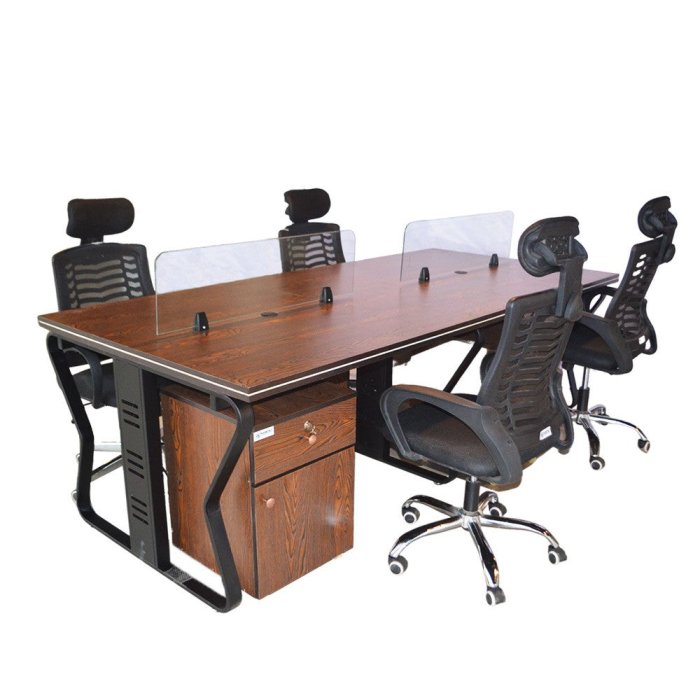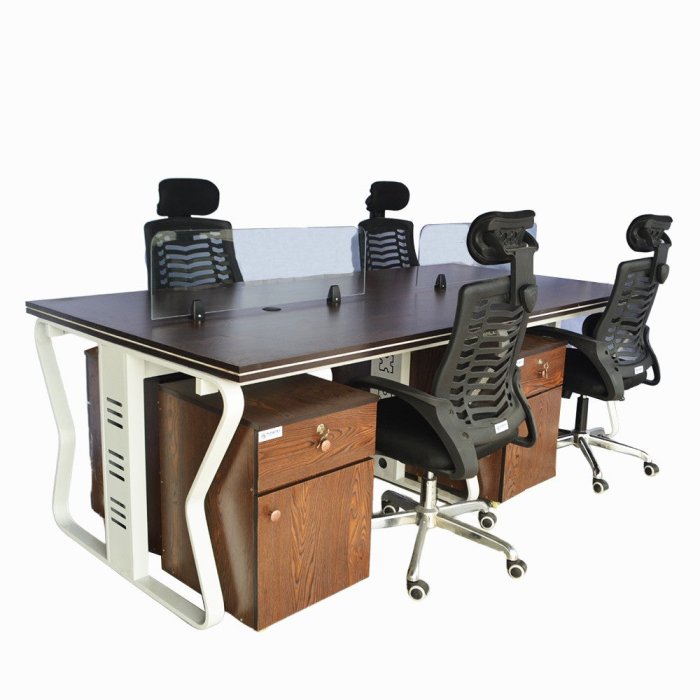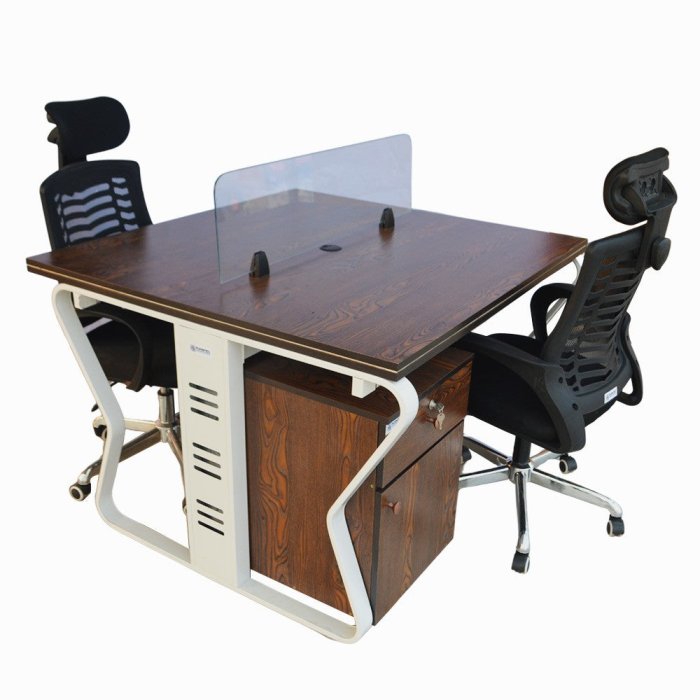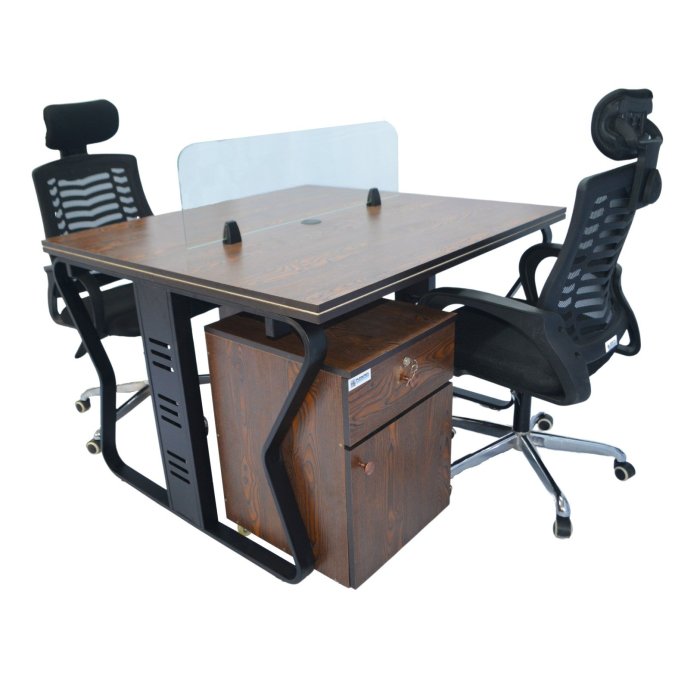
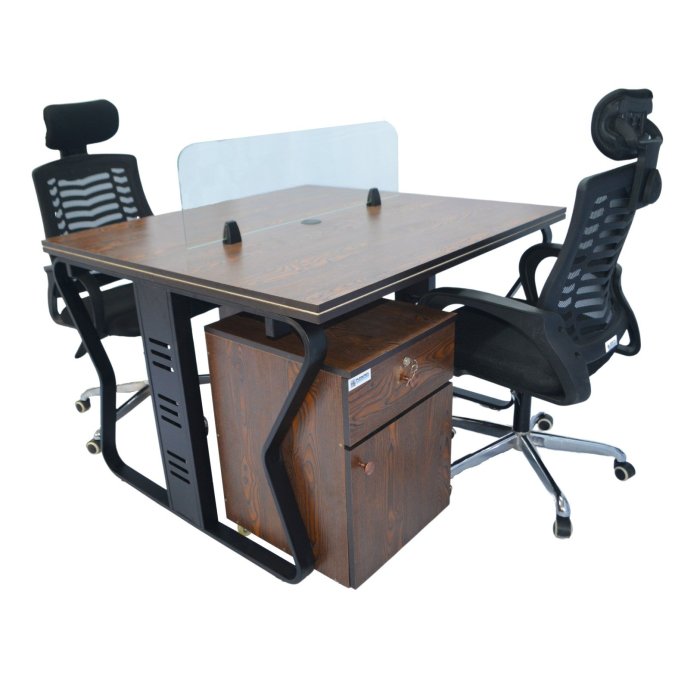
Workstation Office Table for 2 Person with Front Table(FT-003) Black
28174 tk 28174 tk
প্রোডাক্ট কোড: 638
| ঢাকার ভিতরে ডেলিভারি | ৳ 60 |
| ঢাকার বাইরে ডেলিভারি | ৳ 130 |
পন্যের বিবরণ
Two-Person Workstation Design for Modern Offices
The FT-003 is built specifically for two-person teams sharing a single workspace. This dual-user office table gives each person their own dedicated desk area while maintaining a compact footprint that fits standard office layouts. Whether you're setting up a small team corner, a startup workspace, or a collaborative department area, this table handles the practical demands of shared desk work.
The black finish provides a professional look that works in any office environment—from corporate settings to creative studios to government offices. The neutral color hides dust and daily wear, making maintenance straightforward in busy workplaces.
Front Table Integration for Enhanced Workflow
The integrated front table component extends your usable work surface. This additional counter-top section sits at the front of the main desk and serves multiple functions in daily office work: monitor stands, document holders, desk accessories, or a secondary work zone for one of the two users. The front table keeps frequently-needed items within arm's reach without cluttering the main work surface.
The front table design keeps cable management and equipment organization clean. You can position peripherals—printers, scanners, document trays—on the front section, leaving the main desk clear for computing and paperwork.
Sizing and Space Planning
Two-person workstations save floor space compared to two separate desks. This table is sized to accommodate two standard office chairs without users bumping elbows, though exact dimensions should be confirmed for your specific room layout. The design works in offices of 80 to 200 square feet where multiple teams need individual desk assignments.
Measure your doorway, elevator, and hallway clearances before ordering. The two-person structure is delivered as one unit and should be positioned before assembly completion. Plan for at least 1.5 meters of clear floor space in front for chair movement.
Daily Desk Use and Practical Features
Office workers spend 6-8 hours daily at their desks. The FT-003 supports this extended use with a flat, stable work surface that holds monitors, keyboards, and paperwork without sagging. The table height is standard at approximately 75 centimeters—the typical desk height used across Bangladesh office environments.
The black color is practical for daily office life: coffee spills, pen marks, and dust are less visible than on light surfaces. Wipe-down cleaning takes seconds. The table surface accepts standard office equipment—desk lamps, computer monitors, document organizers—without special mounting or adaptation.
Two users mean two separate work zones. Each person controls their own space: their monitor position, their keyboard tray, their document area. This reduces workspace conflict and improves productivity in shared-desk situations.
Installation and Workplace Setup
The table arrives as components ready for assembly. Standard hand tools are required. Assembly typically takes 1-2 hours for two people. Once assembled, the table is stable and ready for immediate use—no special installation or wall-mounting needed.
This is a floor-standing unit suitable for any office: rented spaces, permanent offices, co-working facilities. It does not require permanent attachment or structural modification to the building.
অফিস পরিবেশের জন্য দ্বি-ব্যবহারকারী ওয়ার্কস্টেশন
FT-003 হল একটি দুই-জনের ডেস্ক যা একই সাথে দুইজন কর্মচারীকে আলাদা কাজের জায়গা দেয়। বাংলাদেশের অফিসে যেখানে জায়গার সীমাবদ্ধতা রয়েছে, এই ডেস্ক দুটি আলাদা কর্মক্ষেত্র তৈরি করে একটি একক ডেস্কের মধ্যে। কালো রঙের ফিনিশ পেশাদার দেখায় এবং দৈনন্দিন অফিসের ধুলা ও দাগ লুকিয়ে রাখে। সামনের টেবিল অংশটি মনিটর স্ট্যান্ড, ডকুমেন্ট হোল্ডার, অথবা দ্বিতীয় কাজের জায়গা হিসেবে কাজ করে।
এই ডেস্ক দুই জন কর্মচারী একসাথে কাজ করার জন্য ডিজাইন করা হয়েছে। প্রতিটি ব্যবহারকারী তাদের নিজস্ব চেয়ার, মনিটর এবং কীবোর্ড রাখতে পারে কোনো সমস্যা ছাড়াই। স্ট্যান্ডার্ড উচ্চতা (৭৫ সেন্টিমিটার) বাংলাদেশের সব অফিসে ব্যবহৃত হয়। দৈনিক দীর্ঘ কাজের জন্য সমতল, মজবুত পৃষ্ঠ রয়েছে।
ইনস্টলেশন সহজ এবং দ্রুত—কোনো বিশেষ সরঞ্জাম বা দেয়ালে স্থায়ী সংযোগের প্রয়োজন নেই। সাধারণ হাতের সরঞ্জাম দিয়ে দুই ঘণ্টায় সম্পূর্ণ প্রস্তুত করা যায়। ভাড়া অফিস, চিরস্থায়ী অফিস বা সহ-কর্মক্ষেত্রে সমানভাবে উপযুক্ত। কেবল নিশ্চিত করুন যে দরজা এবং হলওয়ে থেকে যথেষ্ট স্থান রয়েছে।