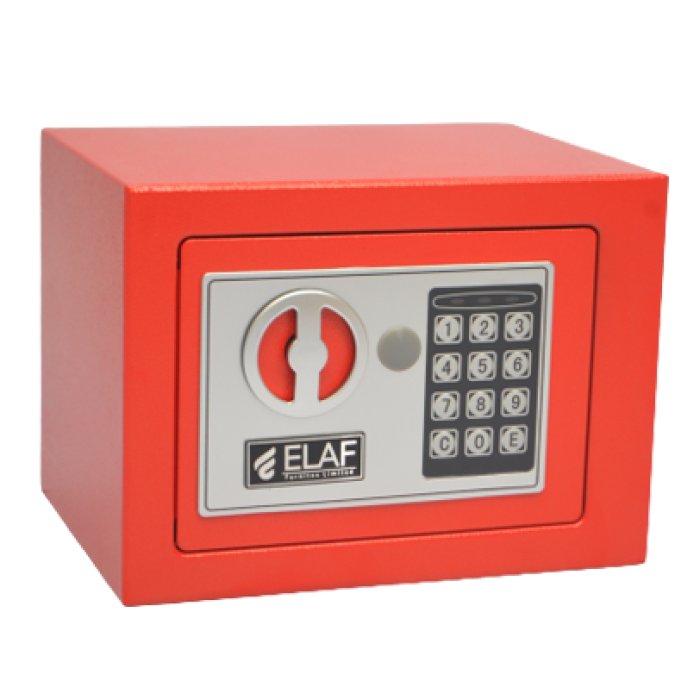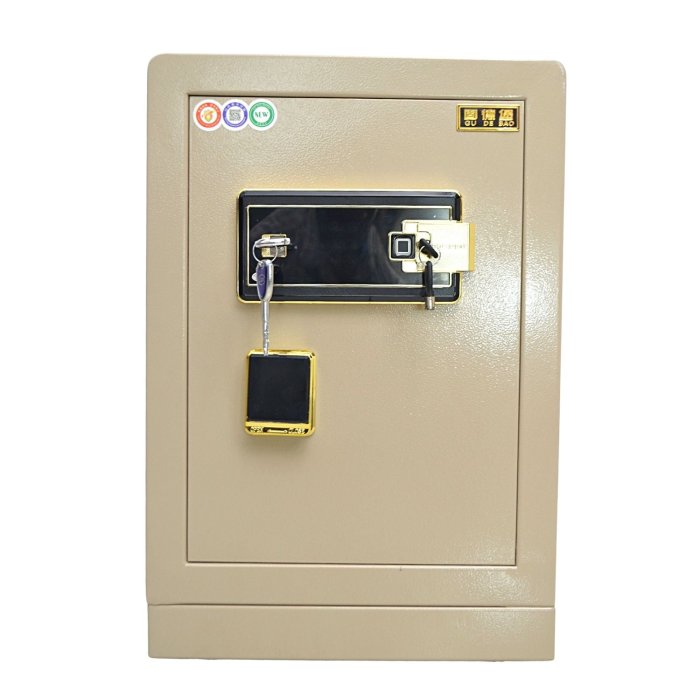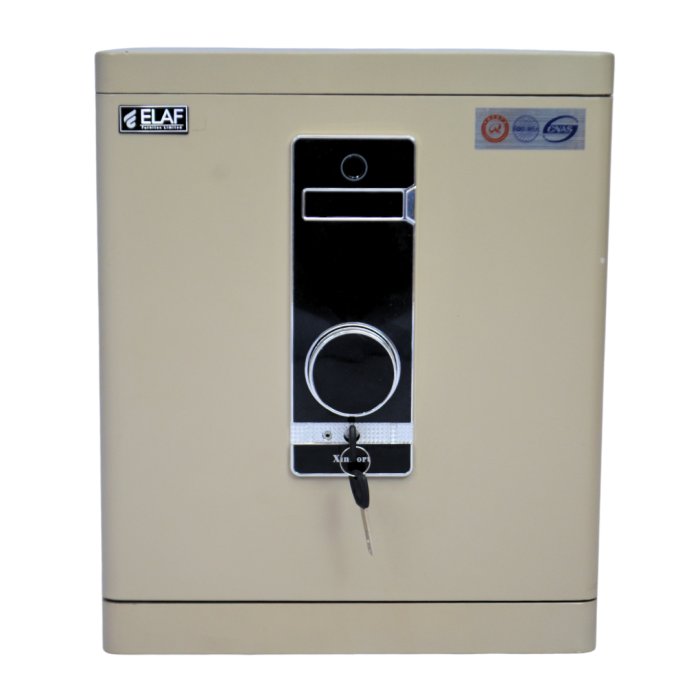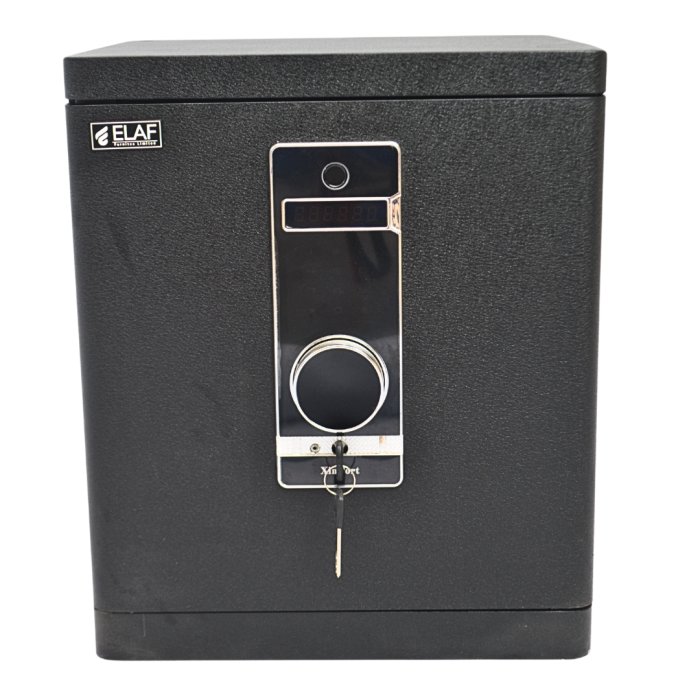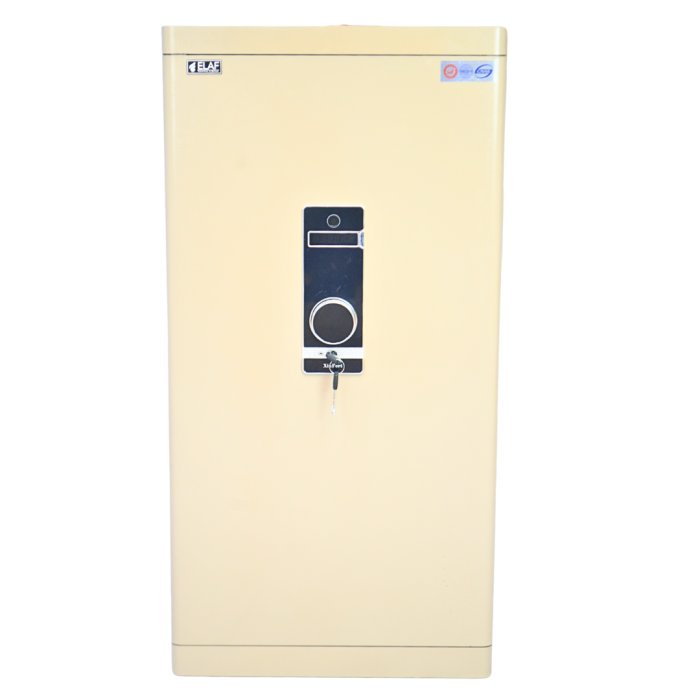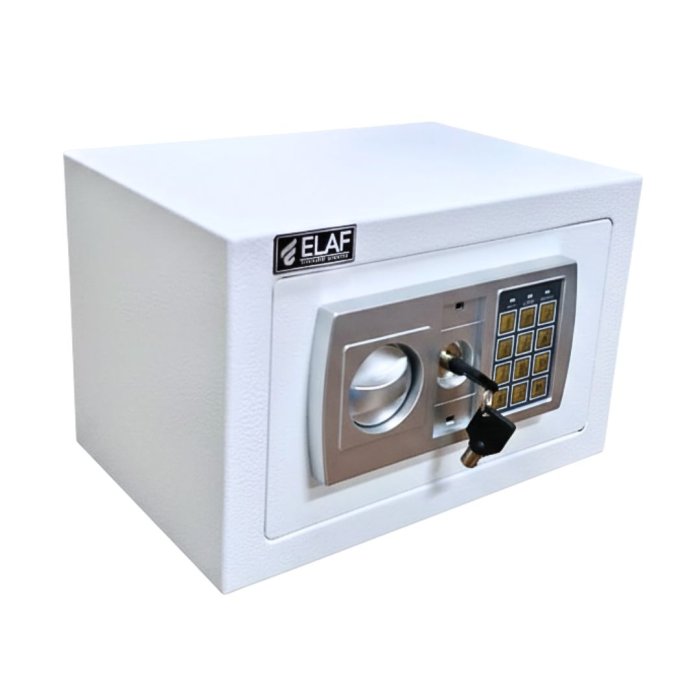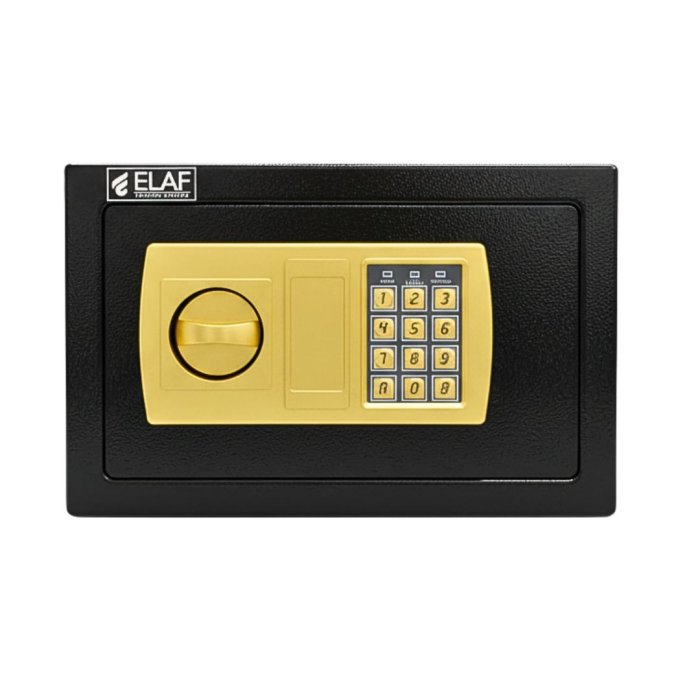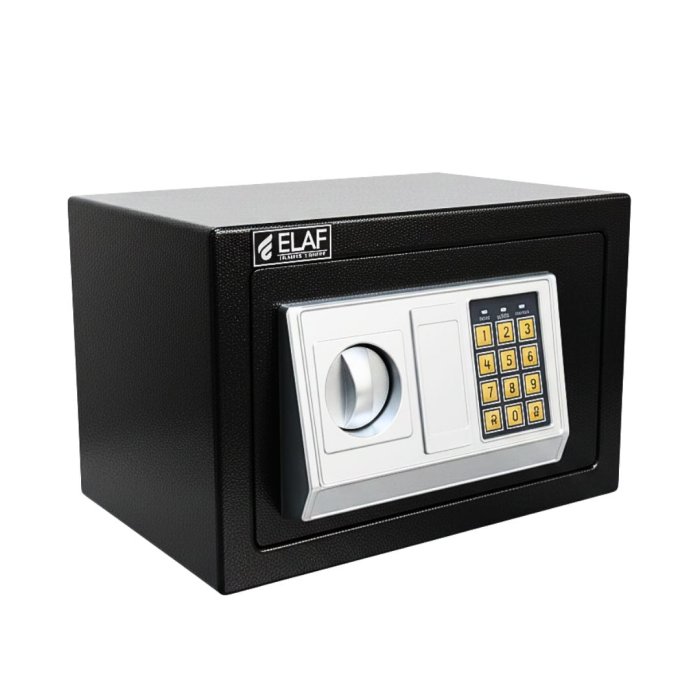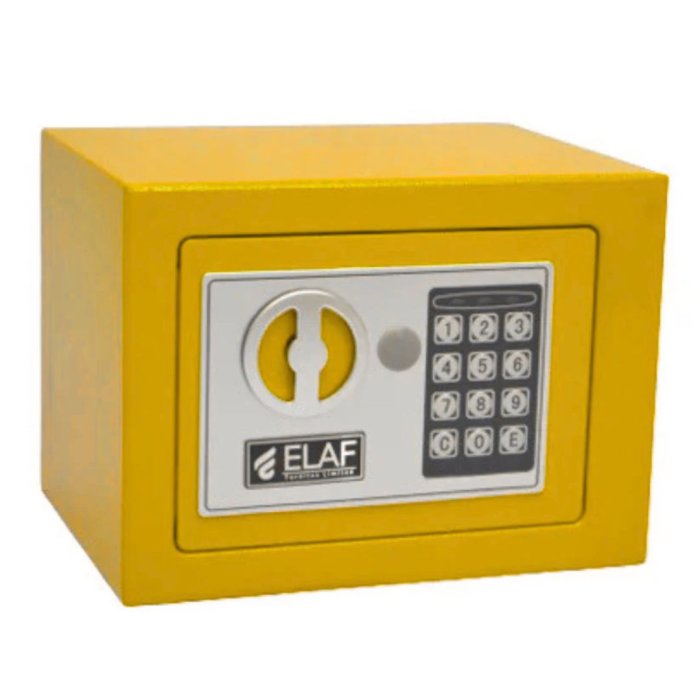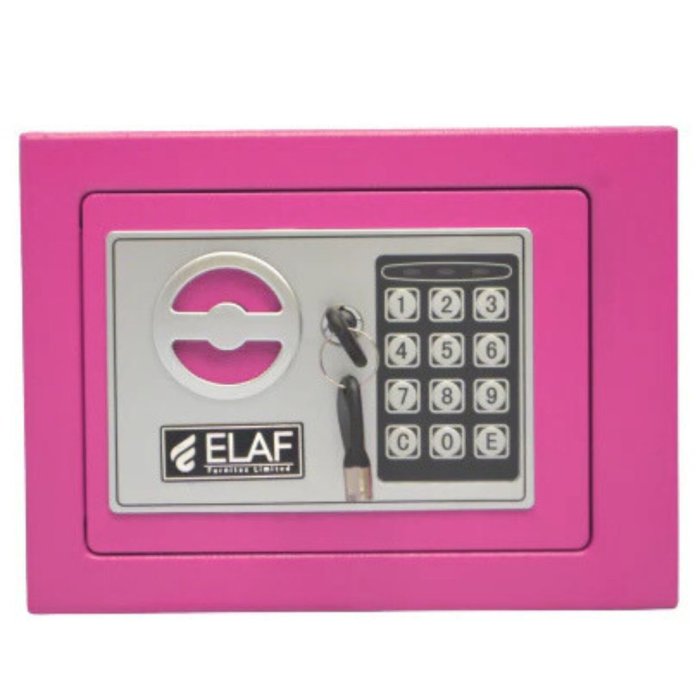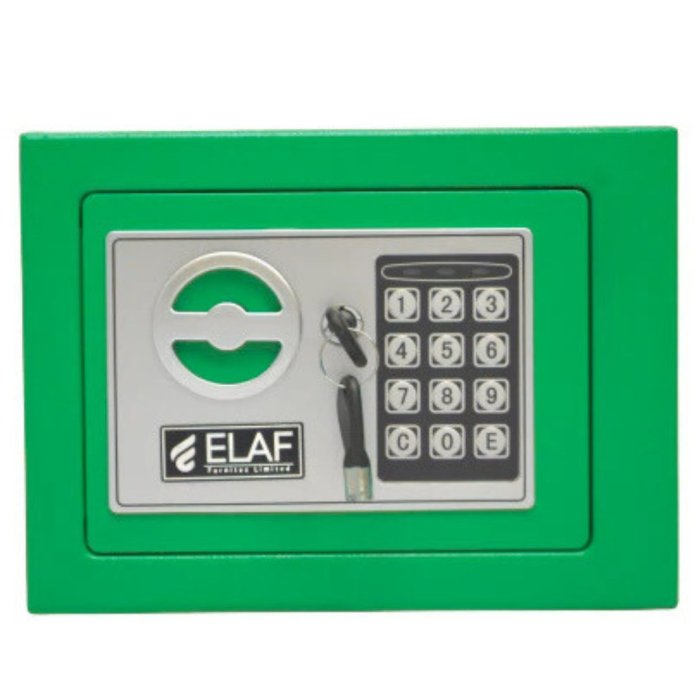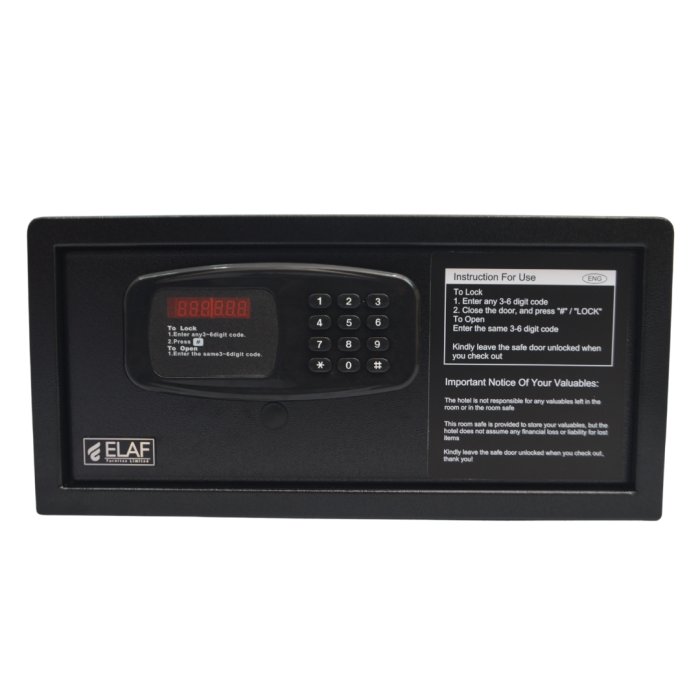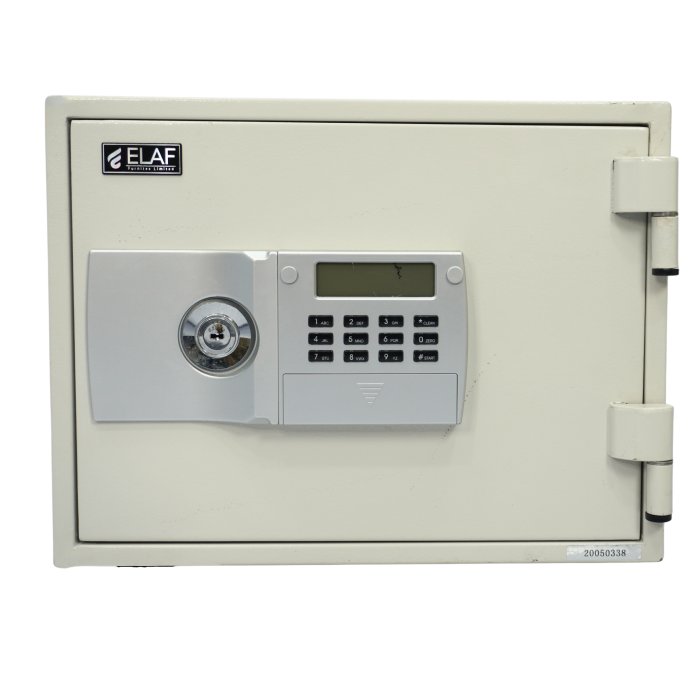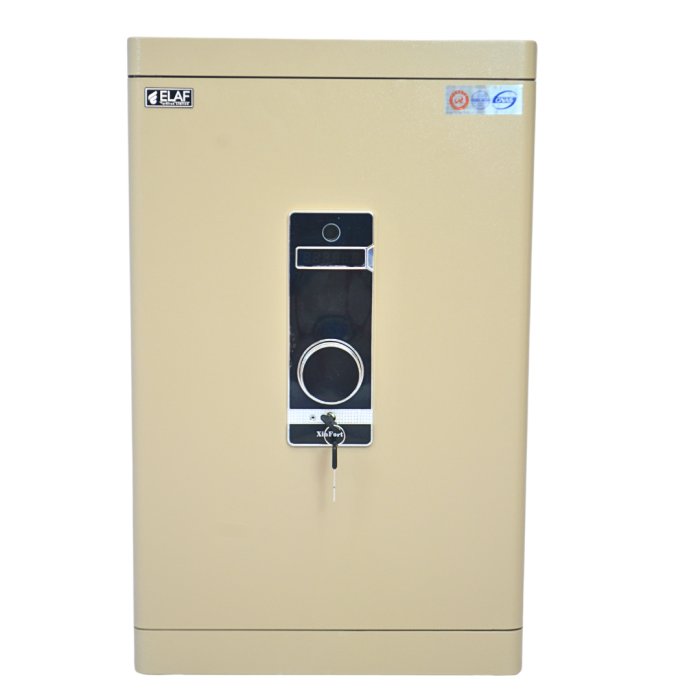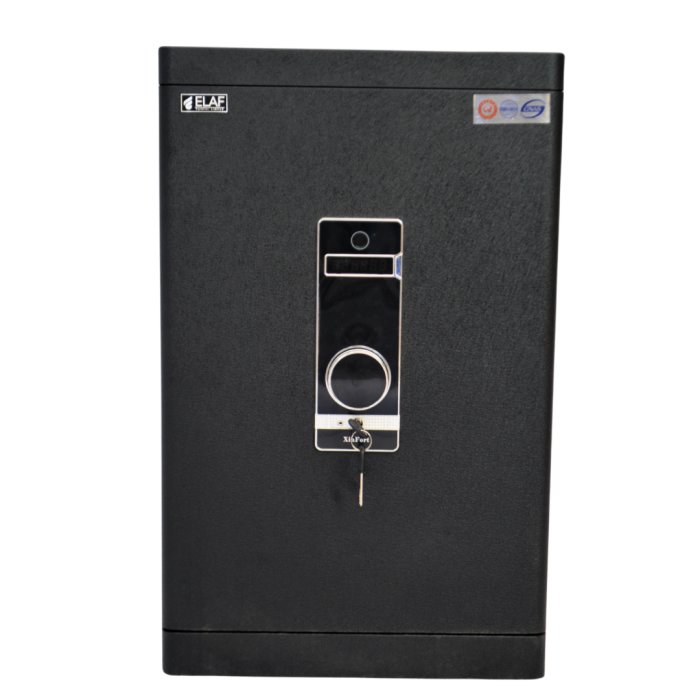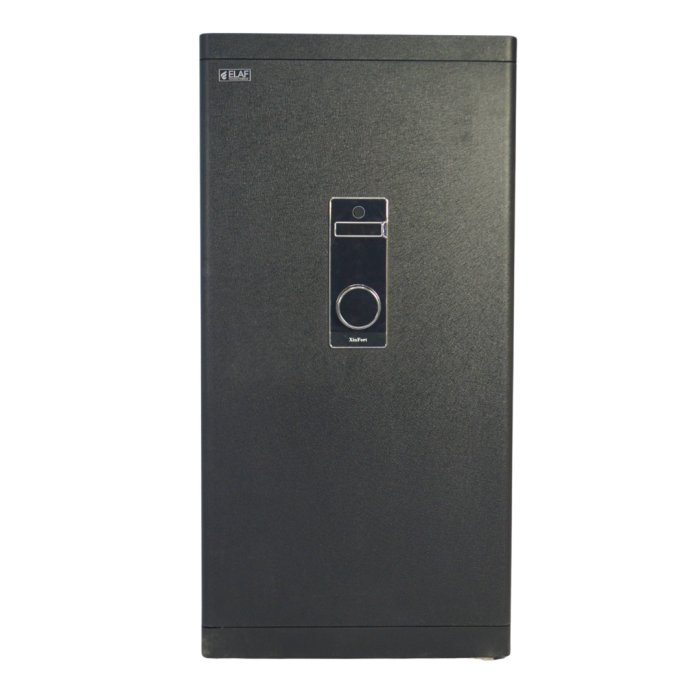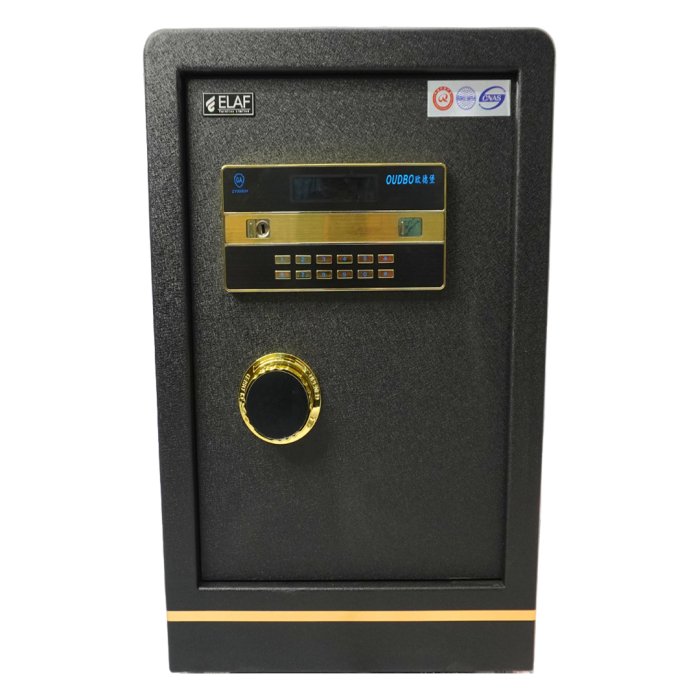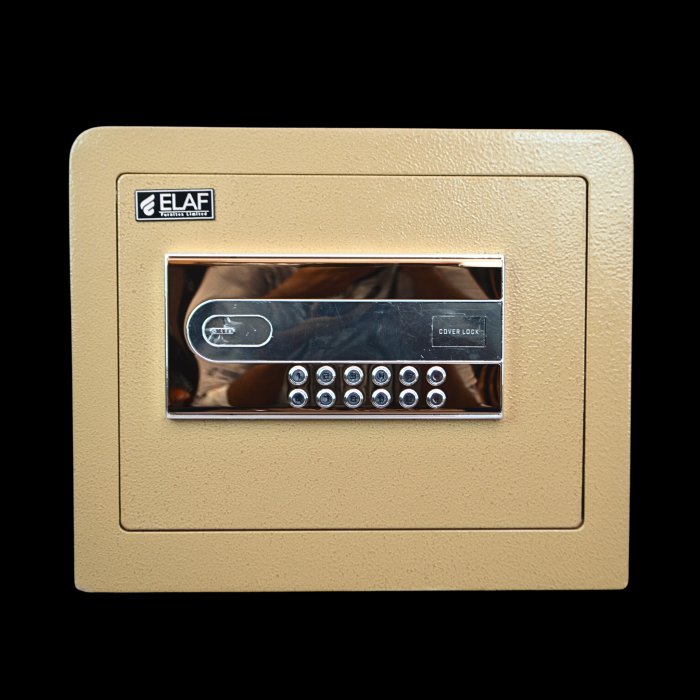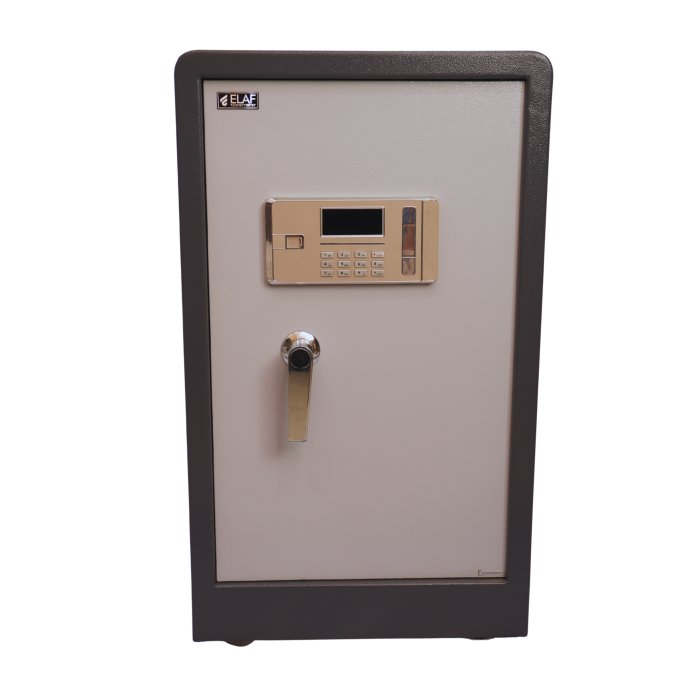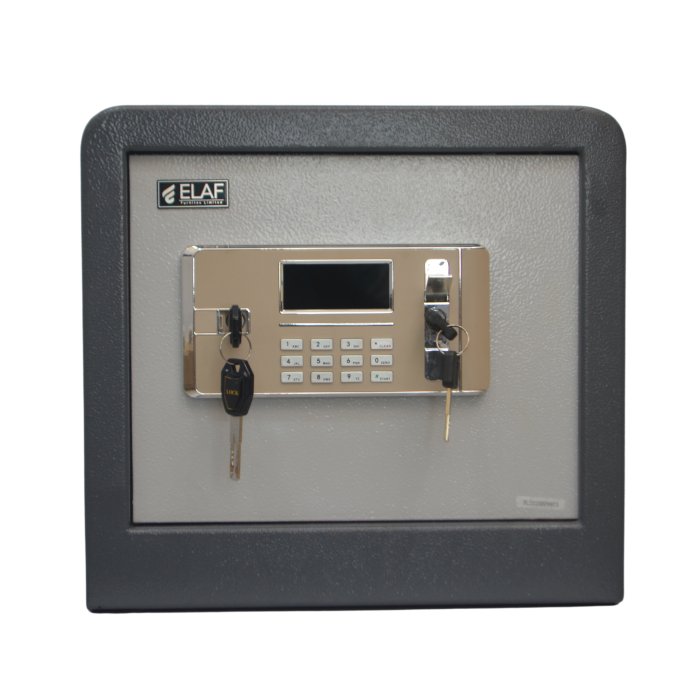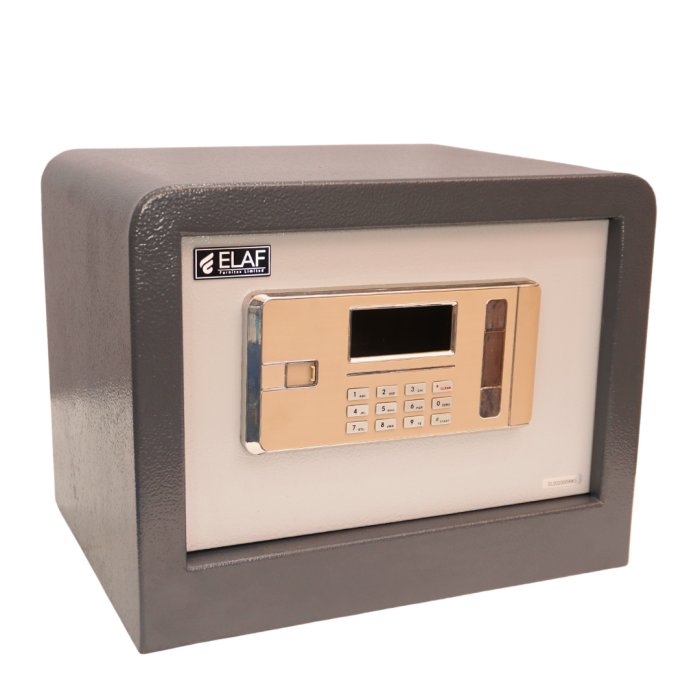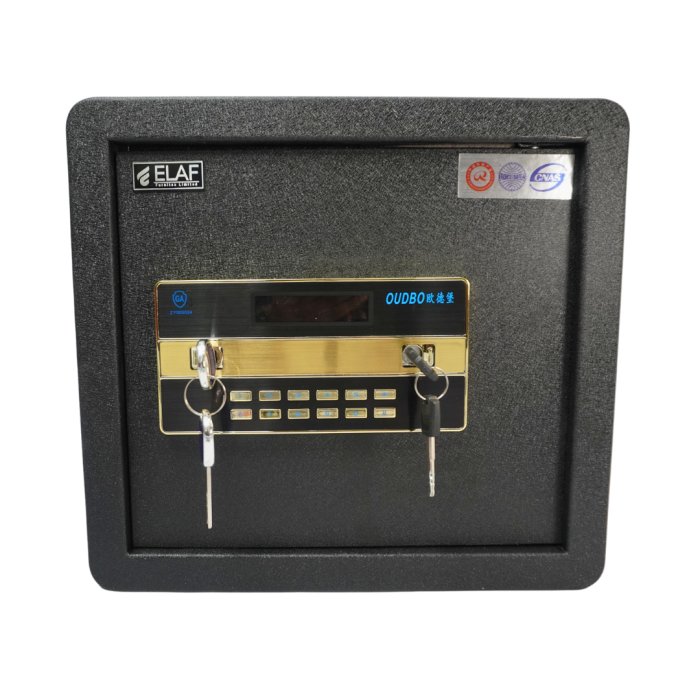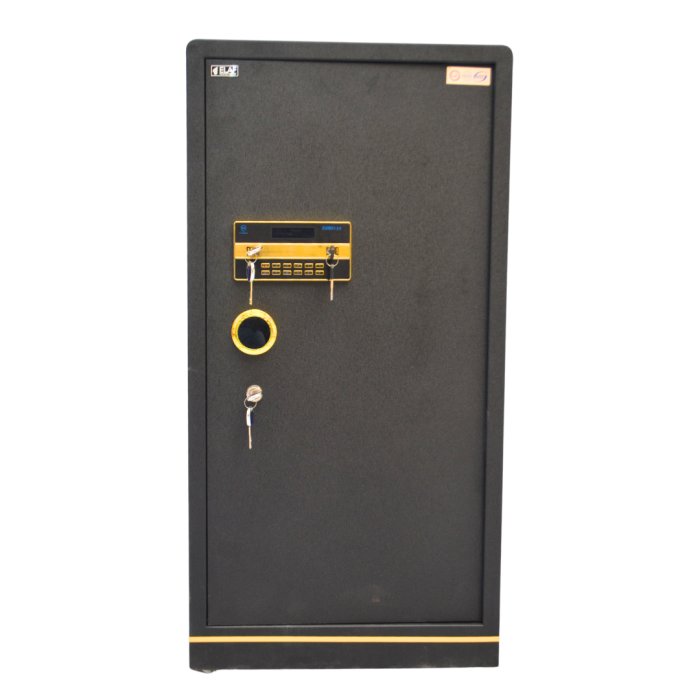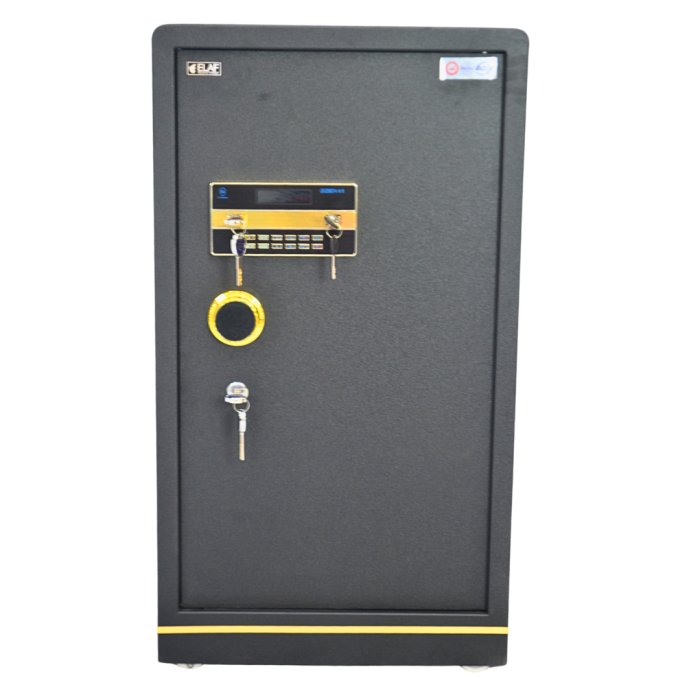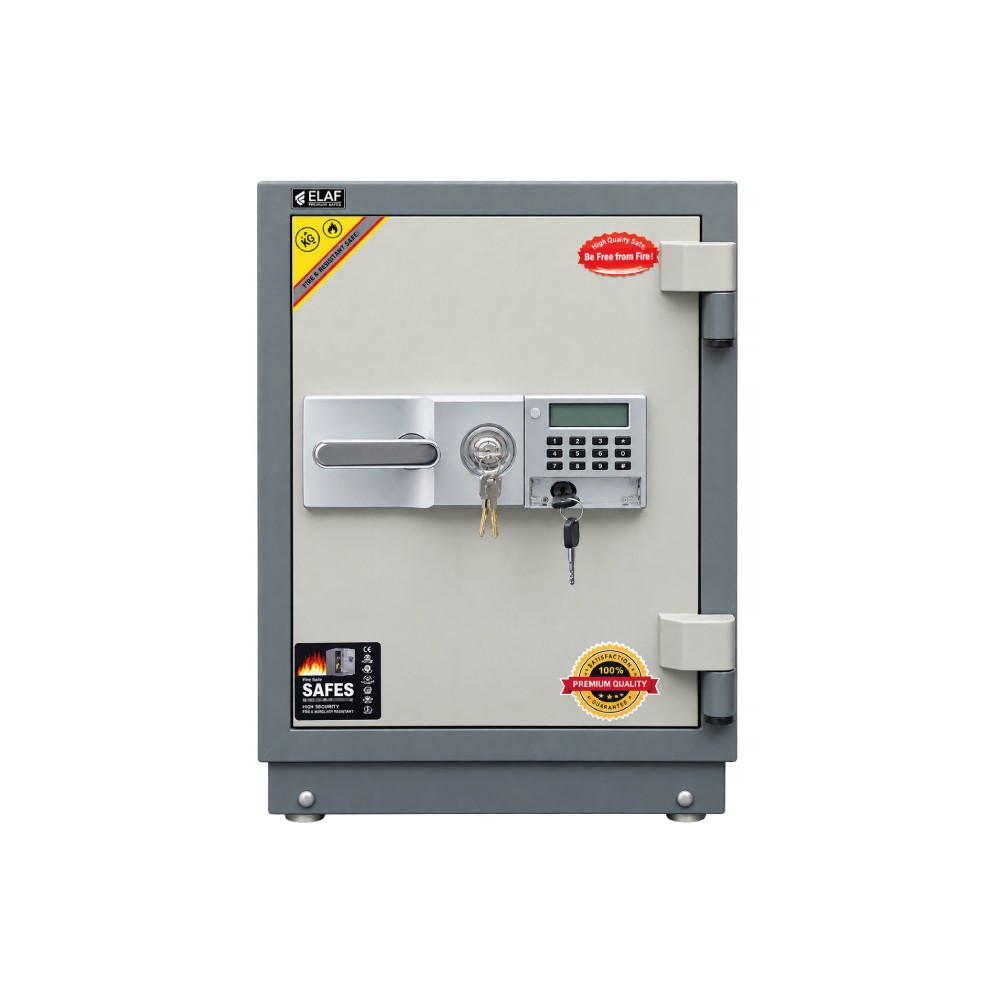
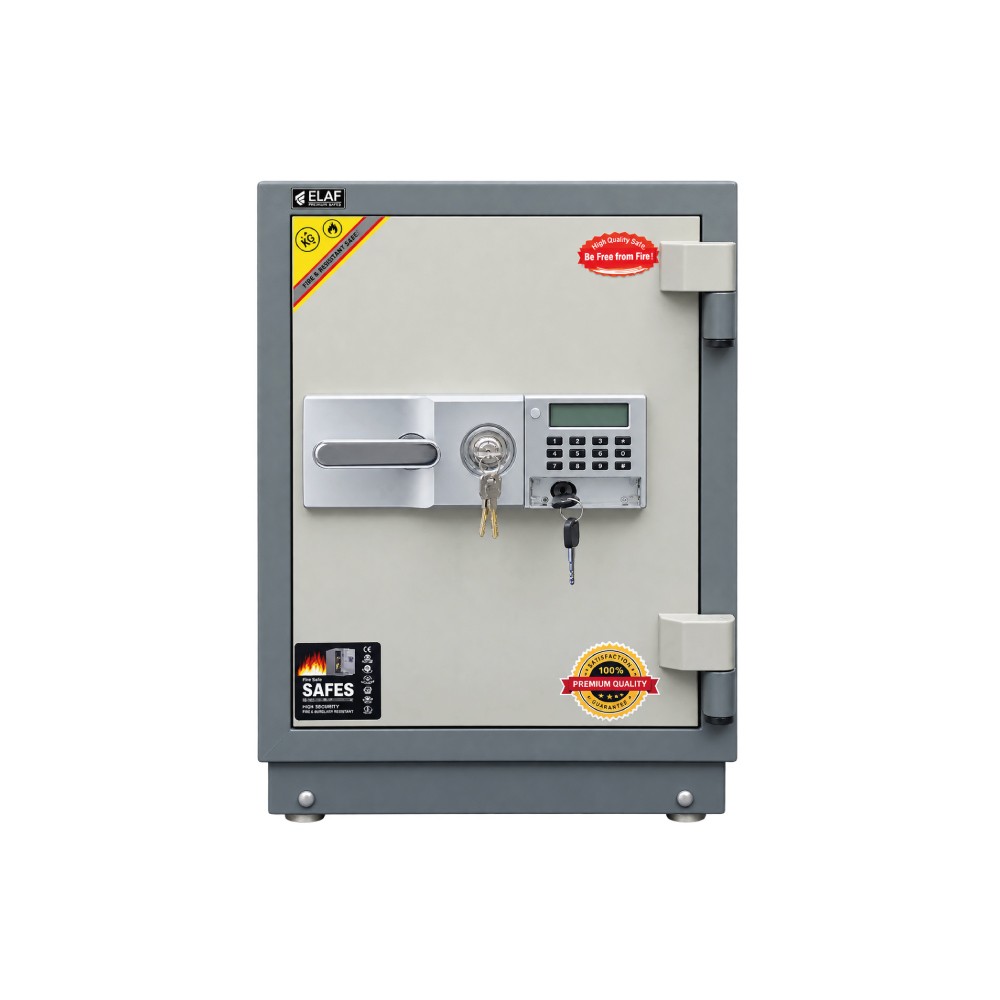
ELAF DIGITAL SAFETY LOCKER (FT-K3-720)
158080 tk 158080 tk
প্রোডাক্ট কোড: 481
| ঢাকার ভিতরে ডেলিভারি | ৳ 60 |
| ঢাকার বাইরে ডেলিভারি | ৳ 130 |
পন্যের বিবরণ
Secure Digital Storage for Your Workspace
The ELAF Digital Safety Locker (FT-K3-720) is built for professionals who need reliable document and valuables storage at their desk or office. Designed with workplace security in mind, this digital locker offers straightforward access control so you can focus on your work without worry. Whether you're securing client files, personal documents, or small valuables during the workday, this unit fits naturally into any office environment.
Digital access means no lost keys and no complicated mechanical locks to maintain. The keypad entry system lets authorized users open the locker quickly while keeping unauthorized access out. This is practical security for a busy desk—fast to use, easy to manage, and built to last through daily workplace use.
Sizing and Placement at Your Desk
At 720mm capacity, the FT-K3-720 is sized to hold standard office documents, folders, tablets, and small personal items without dominating your workspace. The compact footprint means it works as a under-desk unit, in a cabinet, or on a shelf without creating clutter. For teams sharing office space, this locker provides individual security within a shared environment.
The solid build quality ensures stability whether sitting on a floor, shelf, or desk surface. No assembly headaches—position it, set your access code, and it's ready for daily use. The exterior finish resists marks and wears well in typical office conditions.
Daily Workplace Use and Access
Office work demands quick, reliable storage you can trust. The digital keypad gives you instant access without fumbling for keys or combinations. Multiple access codes can be programmed, making it suitable for shared office settings where different people need entry at different times. Lock and unlock cycles are smooth and responsive, built for dozens of daily uses.
The locking mechanism is engineered for frequent use—not a one-time safe, but a working locker for your daily professional life. Interior space is uncluttered, giving you room to organize documents and items efficiently. The digital system requires minimal maintenance and no regular servicing.
Security and Peace of Mind at Work
Digital locking technology provides solid security for a standard office environment. Your access code is personal and changeable, so if team members change or if you want to refresh your settings, the system adapts to your needs. The sturdy steel construction resists casual tampering, giving you straightforward peace of mind during the workday.
No need for backup keys or worries about lost combinations. Your digital code is the only access path. The locker is designed to secure against opportunistic access, making it suitable for holding sensitive documents, client confidential materials, or personal valuables that shouldn't sit openly at your desk.
Practical Features for Office Environments
- Digital keypad entry system with programmable access codes
- 720mm storage capacity for standard office documents and small items
- Solid build quality rated for daily workplace use
- Compact sizing that fits under desks, in cabinets, or on shelves
- Steel construction for durability in office settings
- No keys to lose or combinations to remember
- Suitable for individual or shared office spaces
- Quick access—designed for frequent daily use, not emergency-only storage
আপনার অফিসের জন্য নির্ভরযোগ্য ডিজিটাল লকার
ELAF Digital Safety Locker (FT-K3-720) হল একটি আধুনিক কর্মক্ষেত্রের জন্য সহজ এবং নির্ভরযোগ্য সংরক্ষণ সমাধান। আপনার ডেস্কে গুরুত্বপূর্ণ কাগজপত্র, ফাইল এবং ব্যক্তিগত জিনিস সুরক্ষিত রাখতে এই লকারটি প্রতিদিনের অফিস ব্যবহারের জন্য ডিজাইন করা হয়েছে। ডিজিটাল কীপ্যাড সিস্টেম মানে আপনাকে চাবি হারানোর চিন্তা করতে হবে না এবং জটিল সংমিশ্রণ মনে রাখতে হবে না। কর্মচারী থেকে শুরু করে ম্যানেজার পর্যন্ত, প্রত্যেকে এই লকারে তাদের নিজস্ব কোড সেট করতে পারে এবং দ্রুত প্রবেশাধিকার পেতে পারে।
720mm ক্ষমতা সহ, এটি আপনার ডেস্কে বা ক্যাবিনেটে সহজেই ফিট হয়ে যায় এবং কর্মক্ষেত্রকে গোলমেলে করে না। মজবুত স্টিল তৈরি লকারটি প্রতিদিনের অফিস ব্যবহারের জন্য তৈরি—এটি শুধু একটি জরুরি নিরাপদ নয়, বরং আপনার দৈনন্দিন কাজের সঙ্গী। তালা এবং খোলার প্রক্রিয়া মসৃণ এবং প্রতিক্রিয়াশীল, সারাদিন ব্যবহারের জন্য তৈরি।
সংবেদনশীল ডকুমেন্ট, ক্লায়েন্ট কনফিডেনশিয়াল ম্যাটেরিয়াল বা ব্যক্তিগত মূল্যবান জিনিস আপনার ডেস্কে খোলা রাখার পরিবর্তে এখানে রাখুন এবং মানসিক শান্তি পান। এই লকারটি অফিস পরিবেশে ব্যবহারের জন্য সরল সুরক্ষা প্রদান করে—আপনার কাজে মনোযোগ দিতে পারবেন, সংরক্ষণ নিয়ে চিন্তা করতে হবে না।