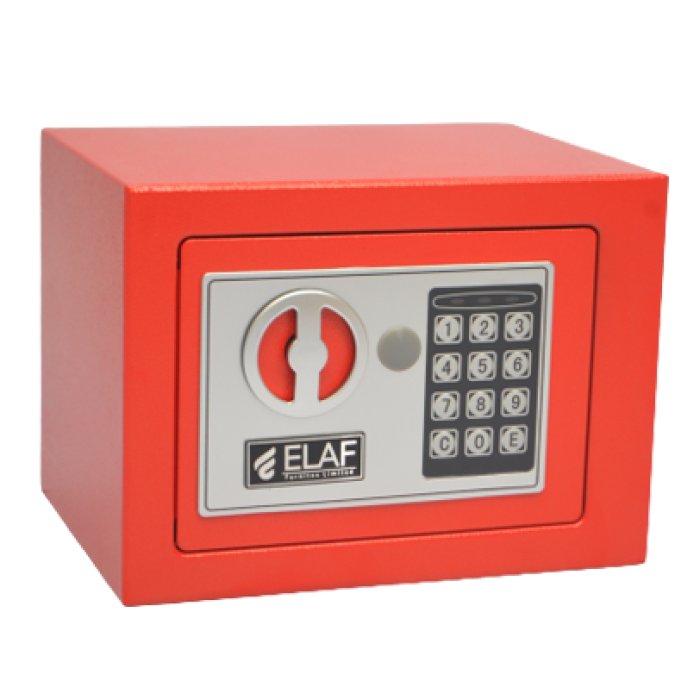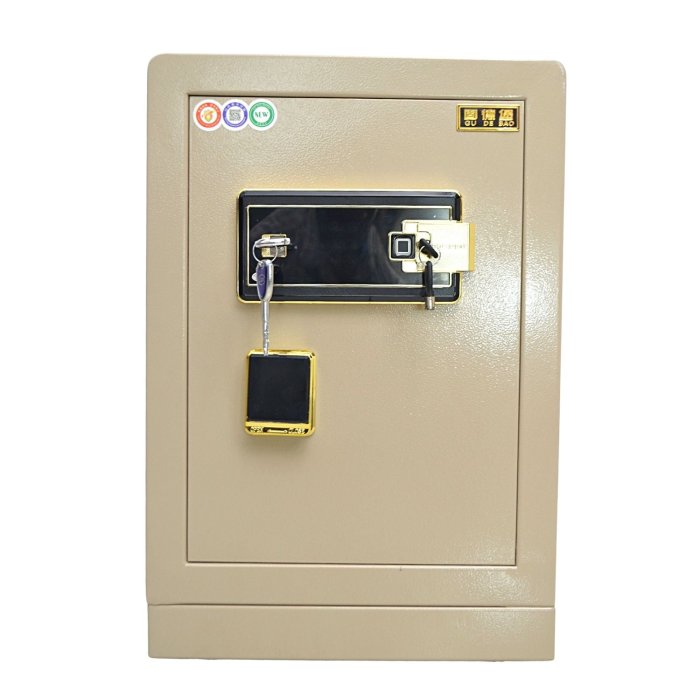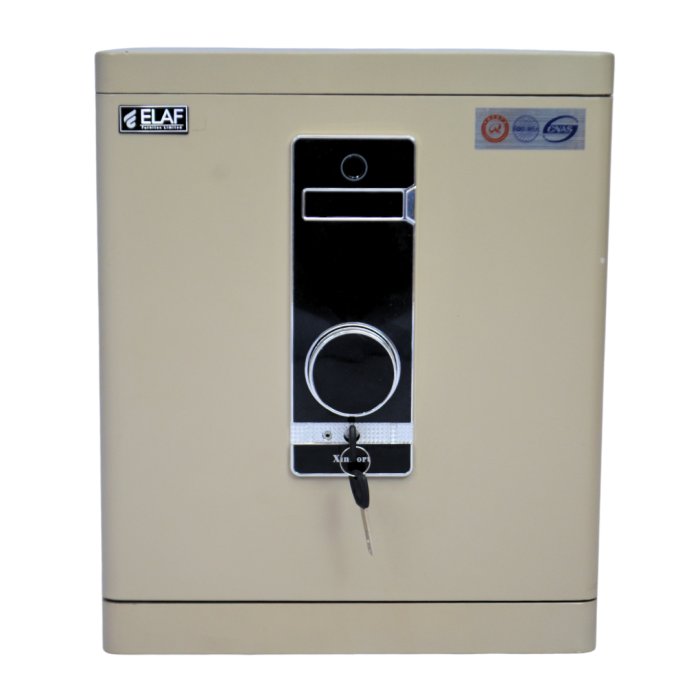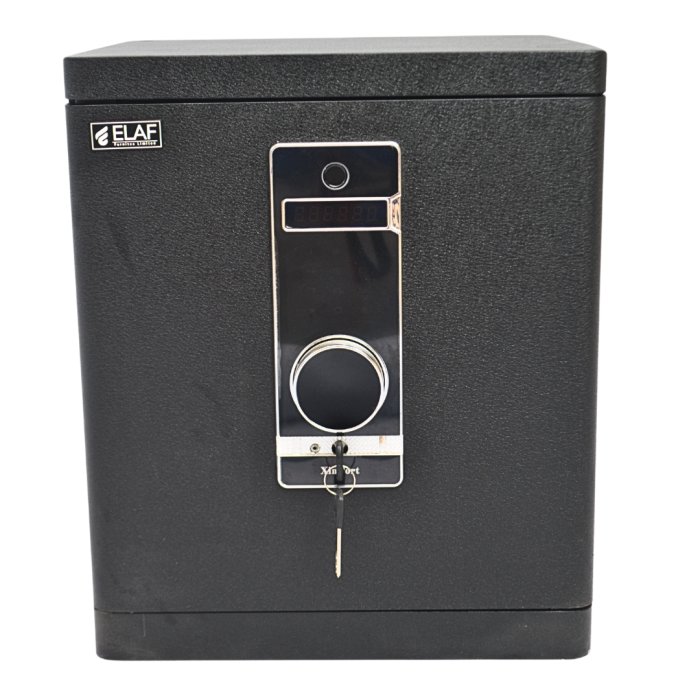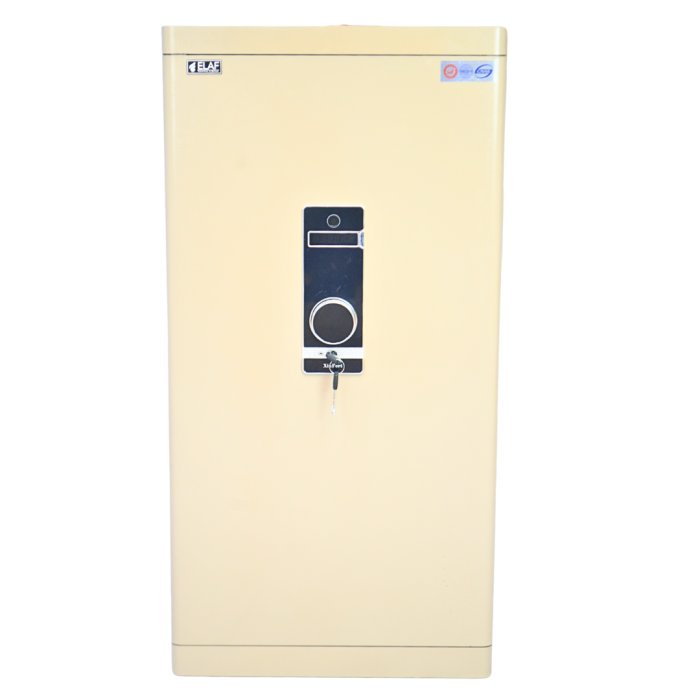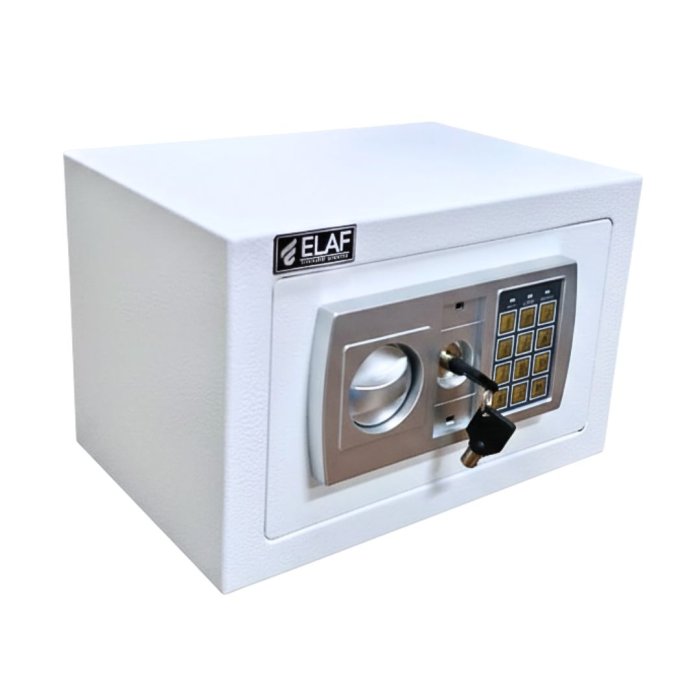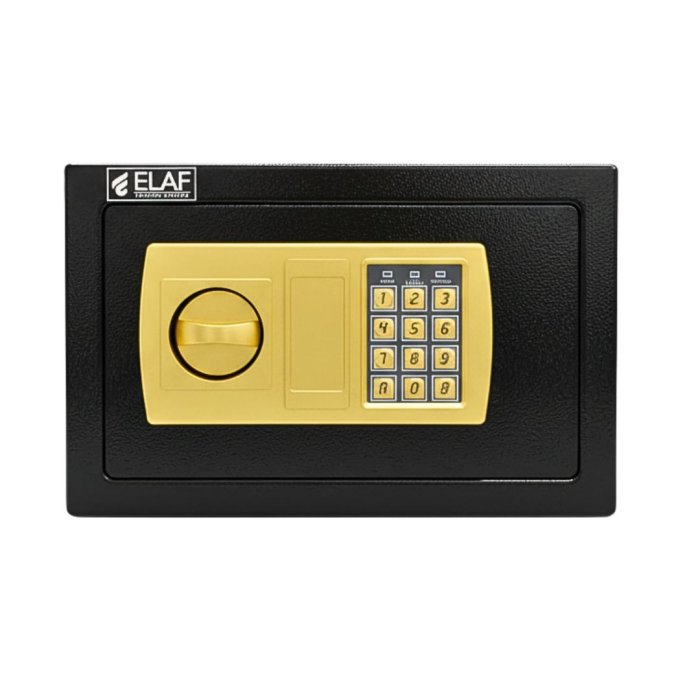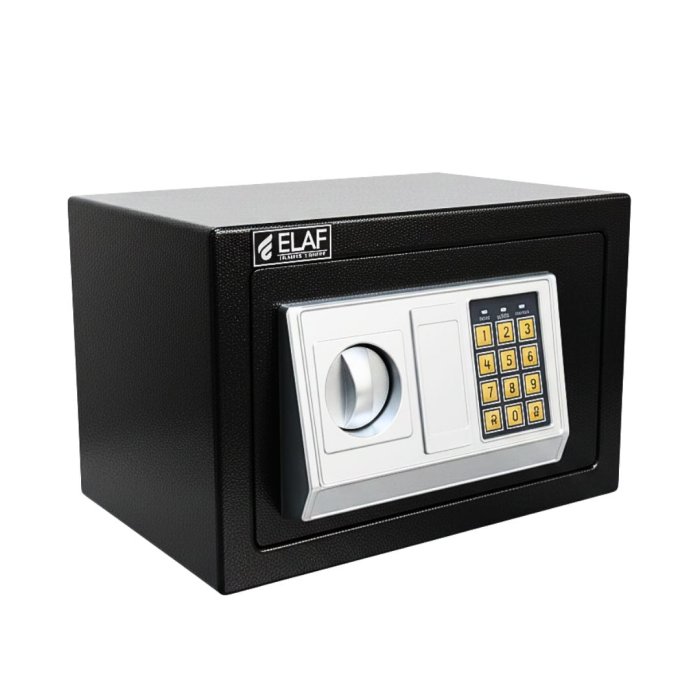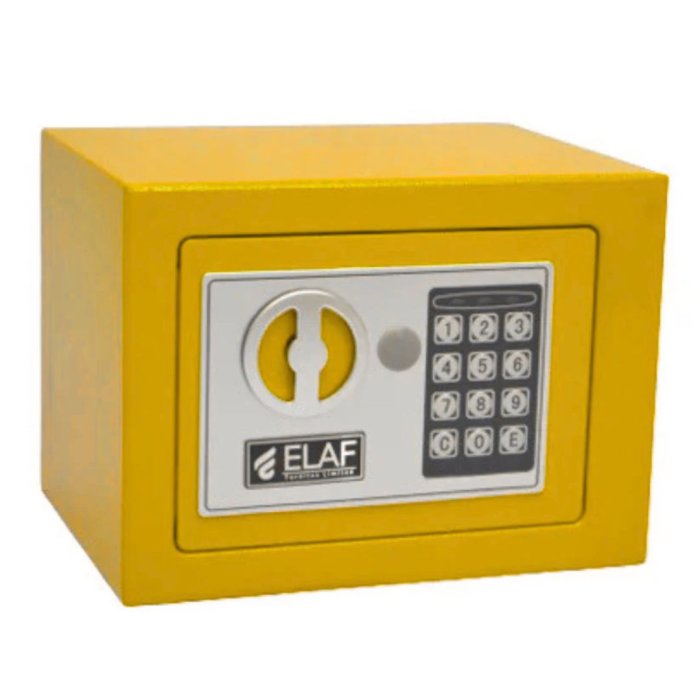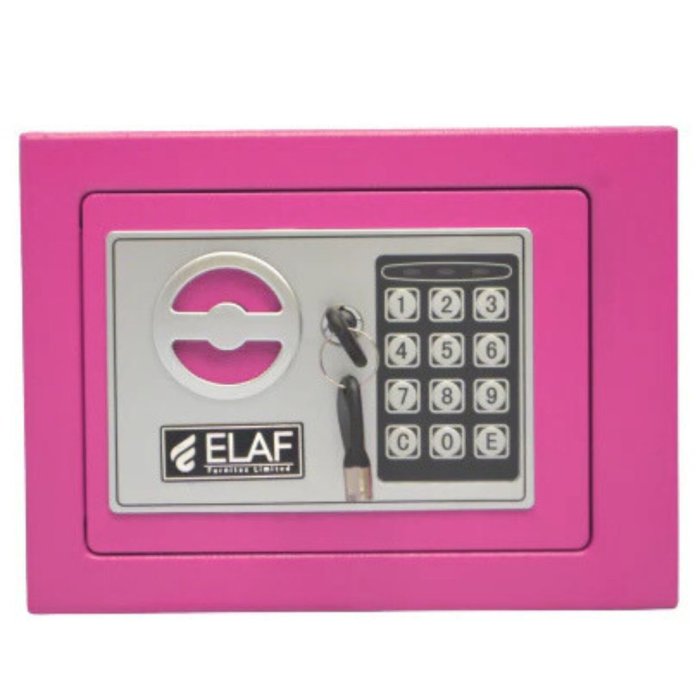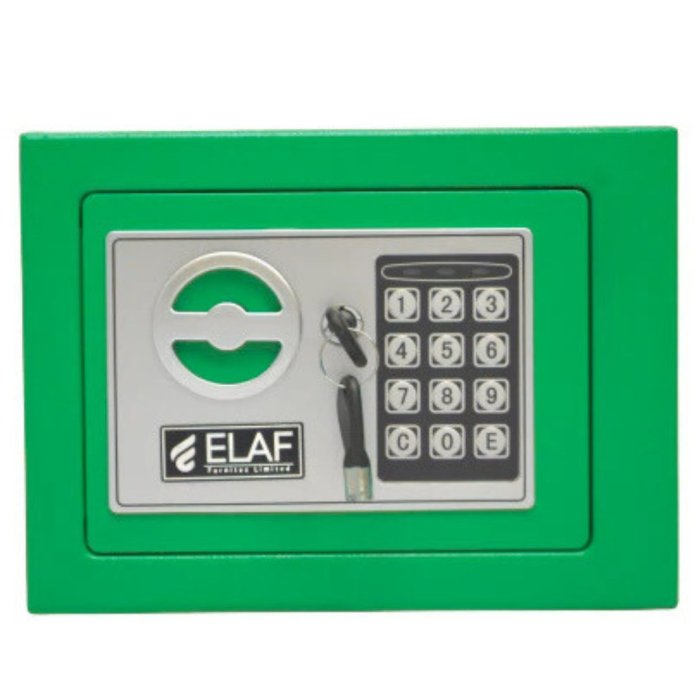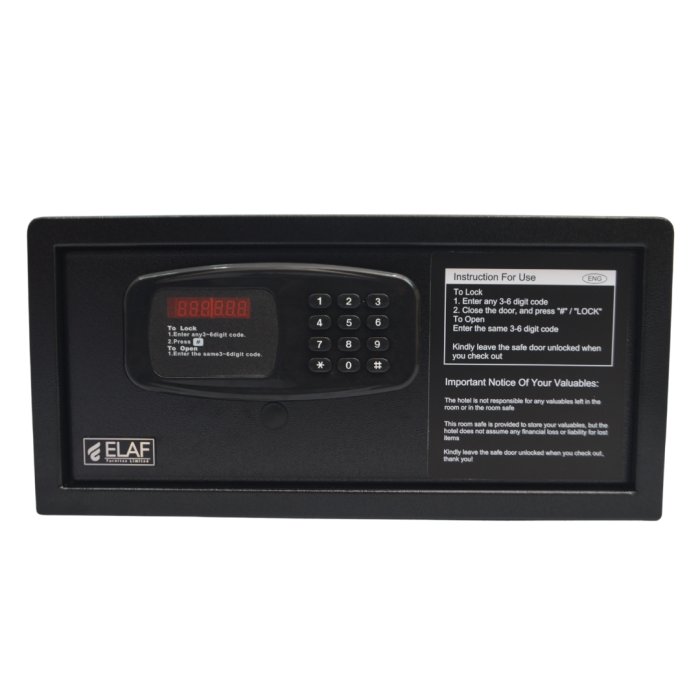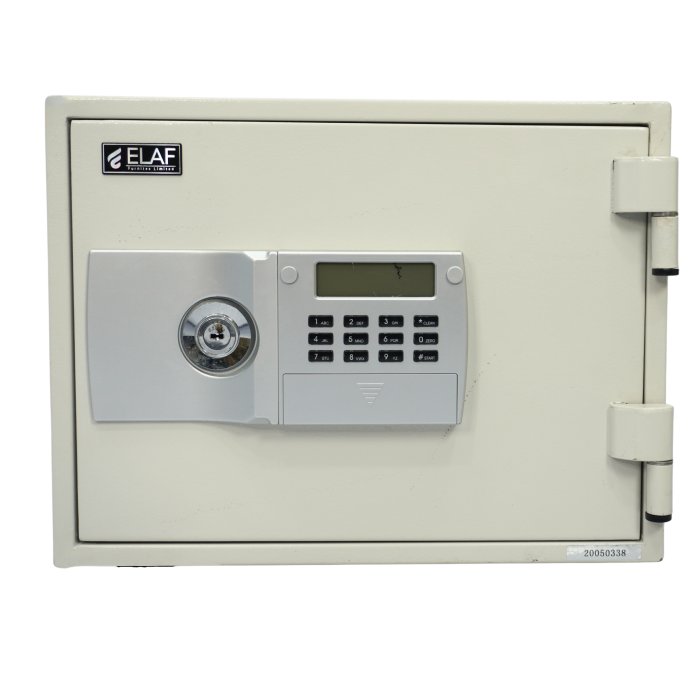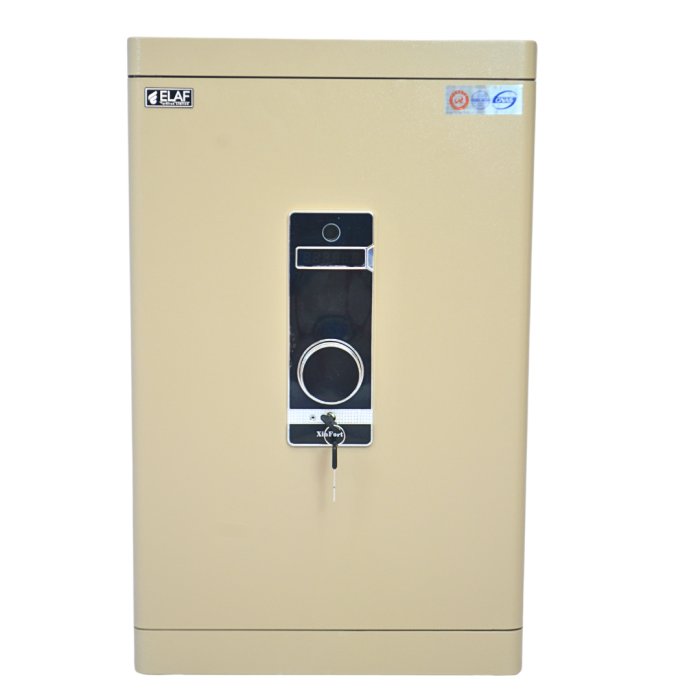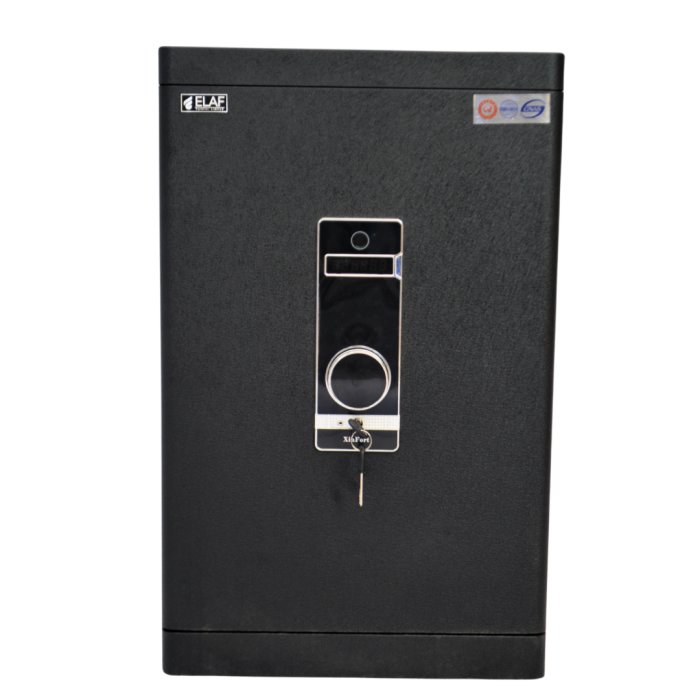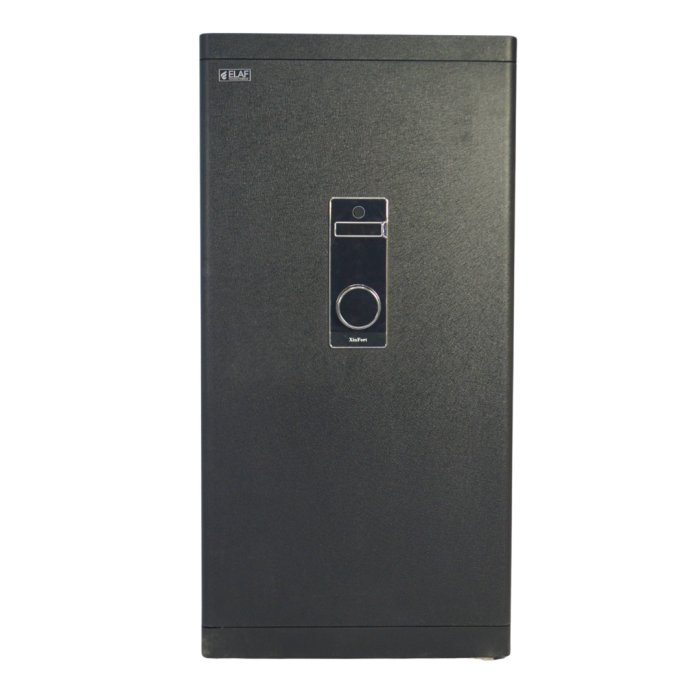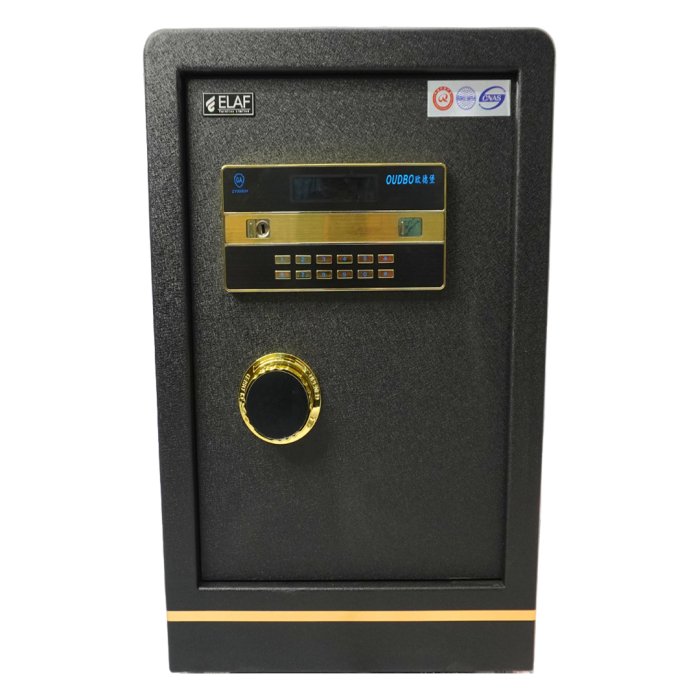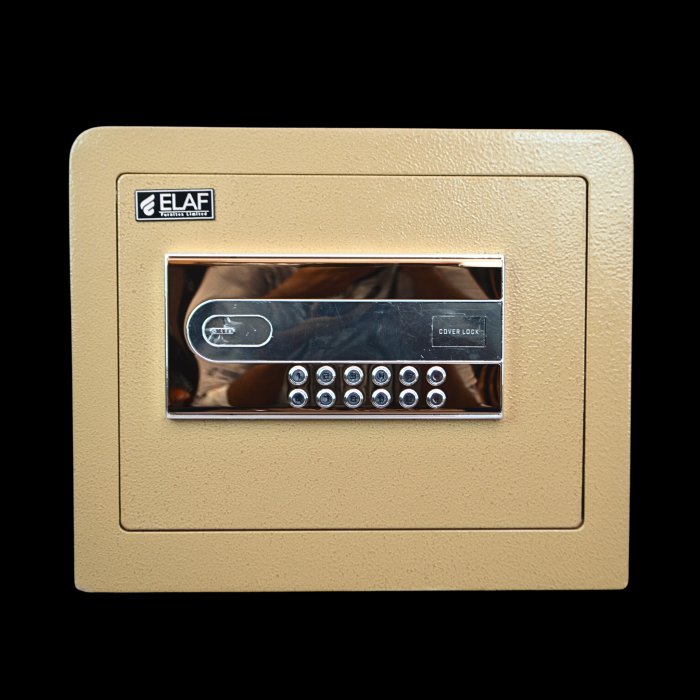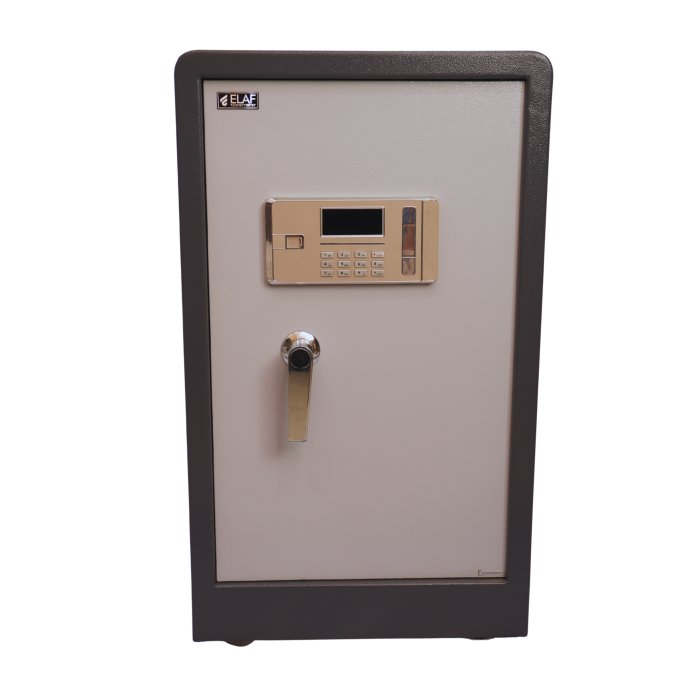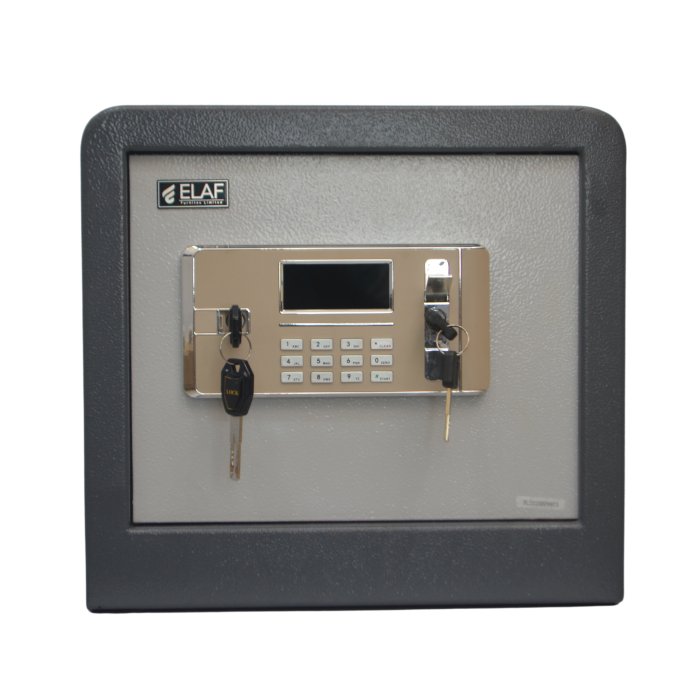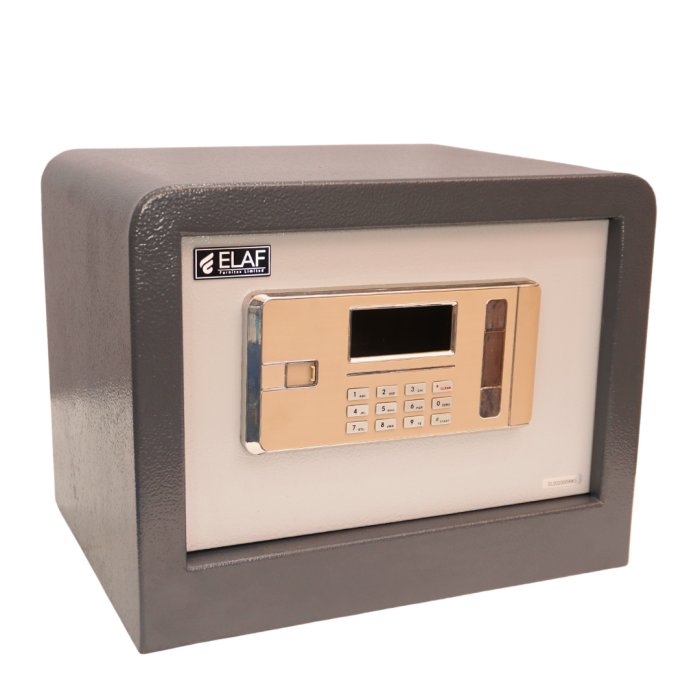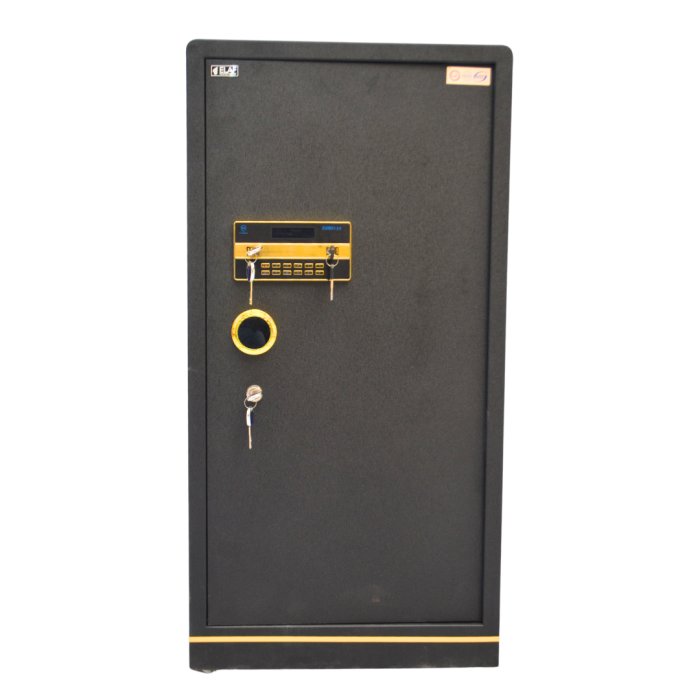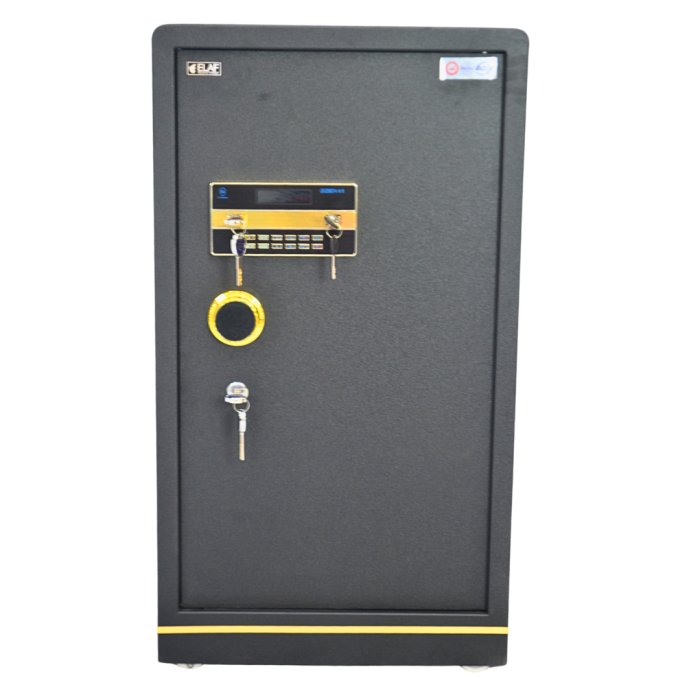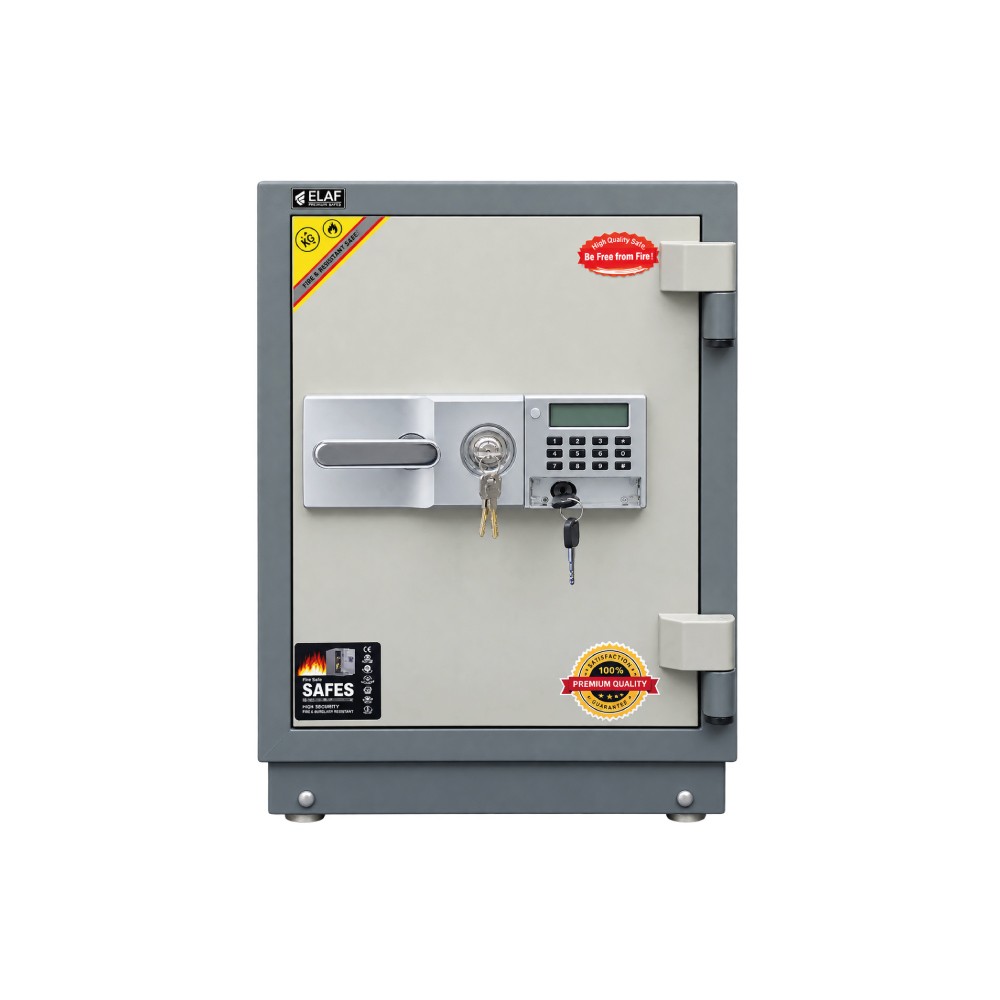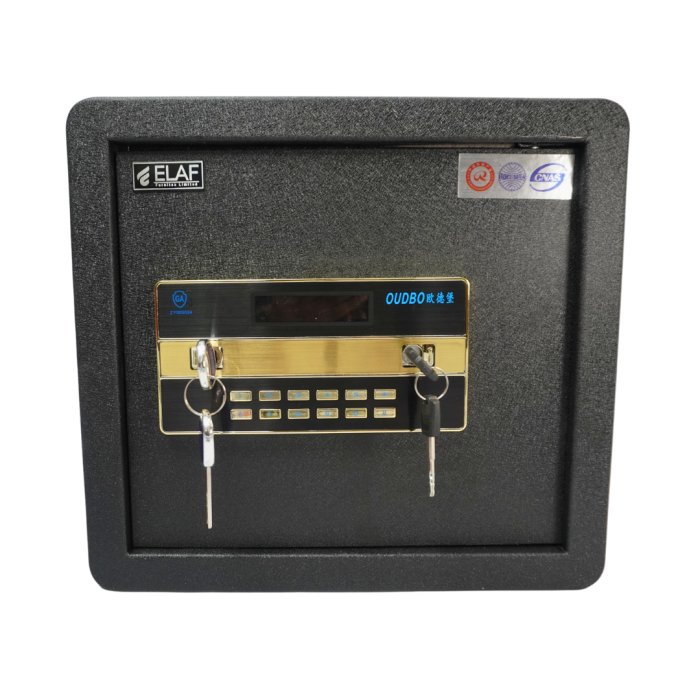
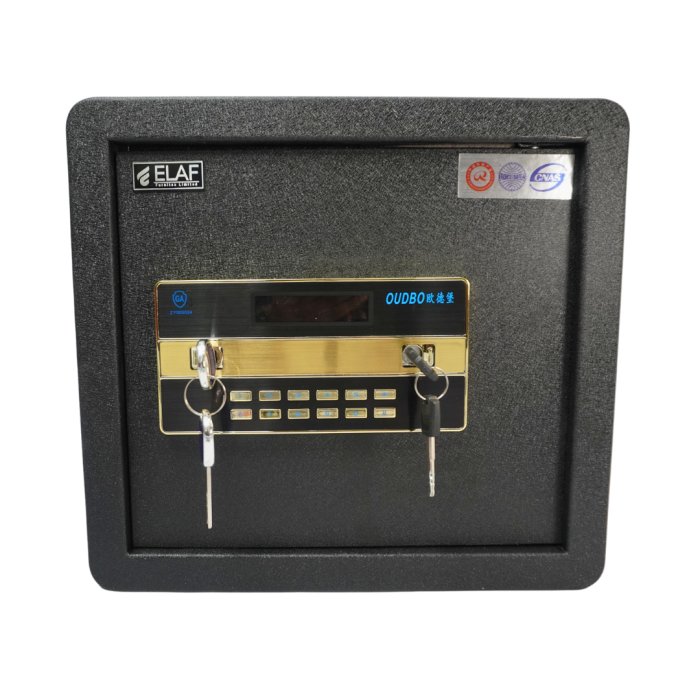
ELAF DIGITAL SAFETY LOCKER (FT-L300)
28184 tk 28184 tk
প্রোডাক্ট কোড: 484
| ঢাকার ভিতরে ডেলিভারি | ৳ 60 |
| ঢাকার বাইরে ডেলিভারি | ৳ 130 |
পন্যের বিবরণ
Secure Digital Storage for Your Workspace
The ELAF Digital Safety Locker (FT-L300) is built for the modern office where document security and quick access matter equally. Whether you're managing sensitive files, important papers, or valuables at your desk, this digital locker provides reliable protection without taking up excessive workspace. The compact design fits neatly beside or under your desk, keeping your essentials within arm's reach while remaining locked and protected throughout your working day.
Digital safety lockers have become essential equipment in busy office environments across Bangladesh. The FT-L300 responds to this workplace need with straightforward functionality designed around daily desk use. No complicated setup—install it, set your access method, and integrate it into your daily routine.
Smart Access for Daily Desk Work
The digital locking mechanism means you control who accesses the locker without managing multiple keys. Set a PIN code, and your sensitive documents, hard drives, or personal items stay secure during office hours. The interface is intuitive enough that any team member can use it without training, reducing friction in shared workspaces or when colleagues need supervised access.
For offices where desk space rotates between shifts or employees, the FT-L300 offers quick re-locking between users. No forgotten keys, no misplaced combinations written on sticky notes—just digital control that you can change as needed.
Sizing and Workspace Integration
The FT-L300 model designation reflects its practical proportions for desk-level storage. It's sized to hold document folders, portable hard drives, tablets, and small office valuables without dominating your work surface. The footprint allows placement on shelves, under desks, or in office cabinets where space is at a premium. In a typical office setup in Dhaka, Chittagong, or any Bangladesh business environment, this locker works as a secure addition to your existing desk infrastructure rather than a space replacement.
Weight and build quality ensure the locker remains stable during daily use—no tipping or shifting as you access it throughout your workday. The external casing is designed to withstand the wear of an active office environment.
Practical Office Security Without Complexity
A digital safety locker in your workspace addresses real office concerns: protecting client information, securing personal devices, safeguarding petty cash boxes, or keeping confidential files away from passing traffic. The FT-L300 handles these scenarios with straightforward locking that doesn't require IT support or complex administration.
The digital system is sealed—no external vulnerabilities like keyholes that collect dust or wear over time. Maintenance in your office is minimal, and the locker performs consistently whether it's your first week or your hundredth week using it.
Integration with Your Daily Workspace Routine
Morning arrival: unlock, retrieve your working documents. Midday: secure valuables during lunch break. End of shift: lock and leave. The FT-L300 fits this rhythm without adding steps to your day. The response time is immediate—no waiting for a mechanism to engage or disengage. It's built around the pace of actual office work, not theoretical security scenarios.
For offices managing multiple shifts or shared workspaces, the ability to reprogram access quickly means the locker adapts as your team rotates, without physical modifications or service calls.
ডিজিটাল সেফটি লকার আপনার অফিস কর্মক্ষেত্রের জন্য
ELAF Digital Safety Locker (FT-L300) বাংলাদেশের অফিস পরিবেশের জন্য ডিজাইন করা একটি নির্ভরযোগ্য সুরক্ষা সমাধান। আপনার ডেস্কে গুরুত্বপূর্ণ ফাইল, ব্যক্তিগত জিনিসপত্র, বা মূল্যবান ডকুমেন্ট সুরক্ষিত রাখতে এটি সহজ এবং কার্যকর। ডিজিটাল লক সিস্টেম মানে কোনো চাবির ঝামেলা নেই—শুধু একটি PIN কোড সেট করুন এবং আপনার জিনিসপত্র সারাদিন নিরাপদ থাকবে। ঢাকা, চট্টগ্রাম বা দেশের যেকোনো ব্যবসায়িক কেন্দ্রে, এই লকার আপনার ডেস্ক স্পেস কাজে লাগিয়ে সুরক্ষা যোগ করে।
FT-L300 মডেল সাধারণ অফিস ব্যবহারের জন্য সঠিক আকার নিয়ে আসে। এটি ডেস্কের নিচে, শেলফে, বা ক্যাবিনেটে সহজেই রাখা যায় এবং যেকোনো অফিস সেটআপের সাথে মানানসই। ভারী এবং মজবুত তৈরি, তাই দিনের পর দিন ব্যবহারে স্থিতিশীল থাকে। লকার খোলা-বন্দ করা দ্রুত এবং সহজ—সকাল অফিসে এসে আনলক করুন, দুপুরে মূল্যবান জিনিস ভেতরে রাখুন, সন্ধ্যায় লক করে চলে যান।
যখন আপনার অফিসে একাধিক শিফট বা টিম সদস্যরা একই ডেস্ক ব্যবহার করে, তখন PIN কোড পরিবর্তন করা খুবই সহজ। নতুন কোড সেট করুন এবং প্রাত্যন্তিক অ্যাক্সেস নিয়ন্ত্রণ করুন—কোনো প্রযুক্তিগত সহায়তার প্রয়োজন নেই। এটি বাস্তব অফিস নিরাপত্তার চাহিদা মেটায় এবং আপনার দৈনন্দিন কাজের গতি বাড়ায় না, বরং সহজ রাখে।