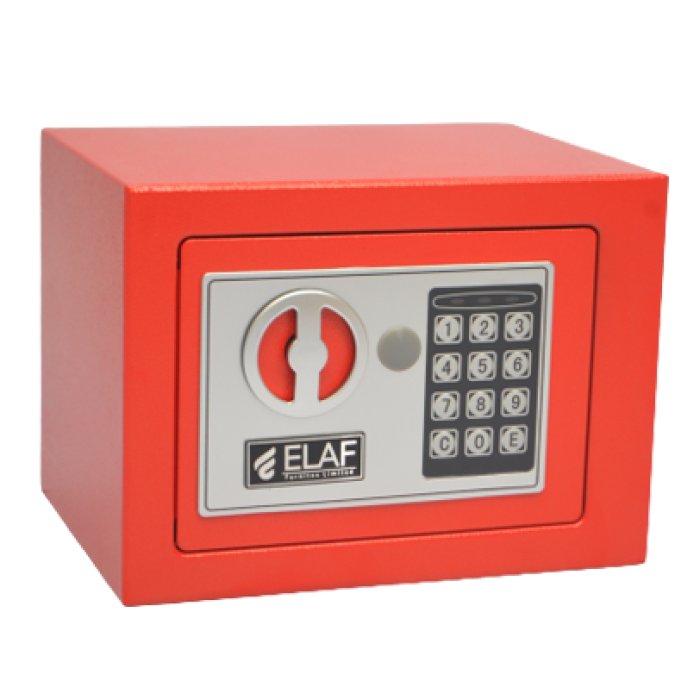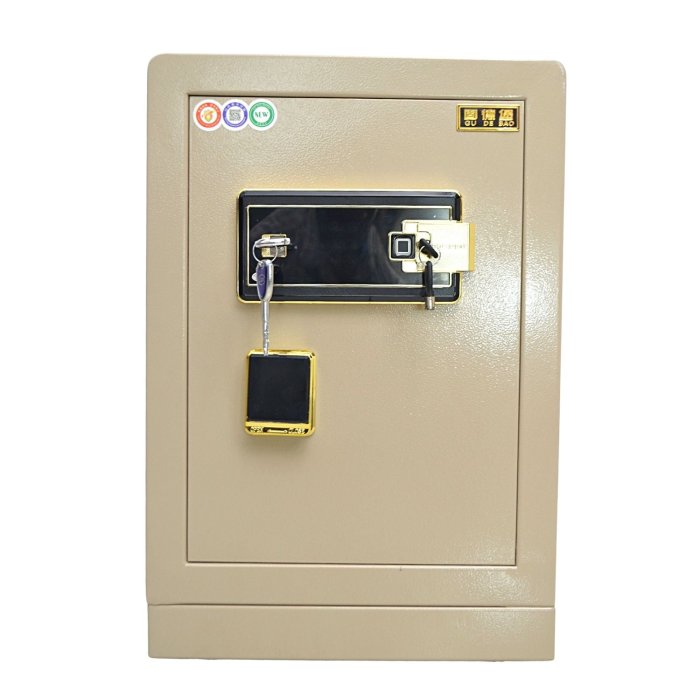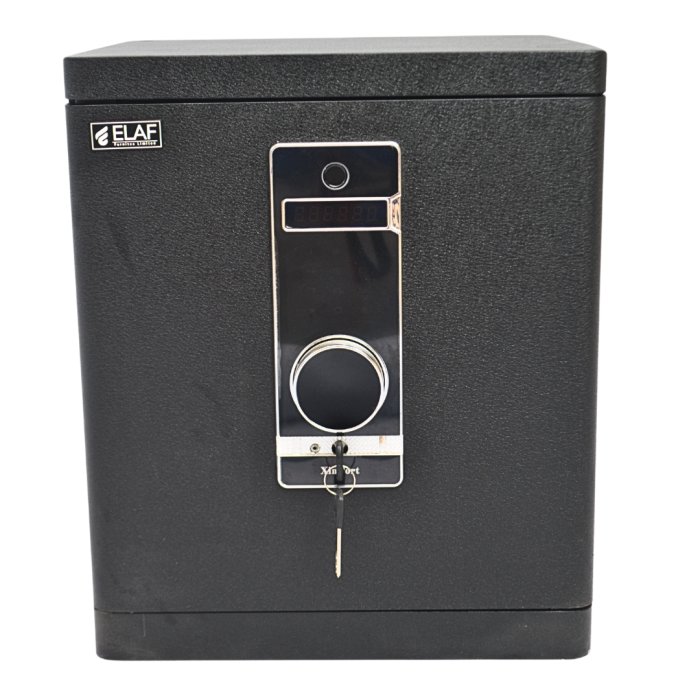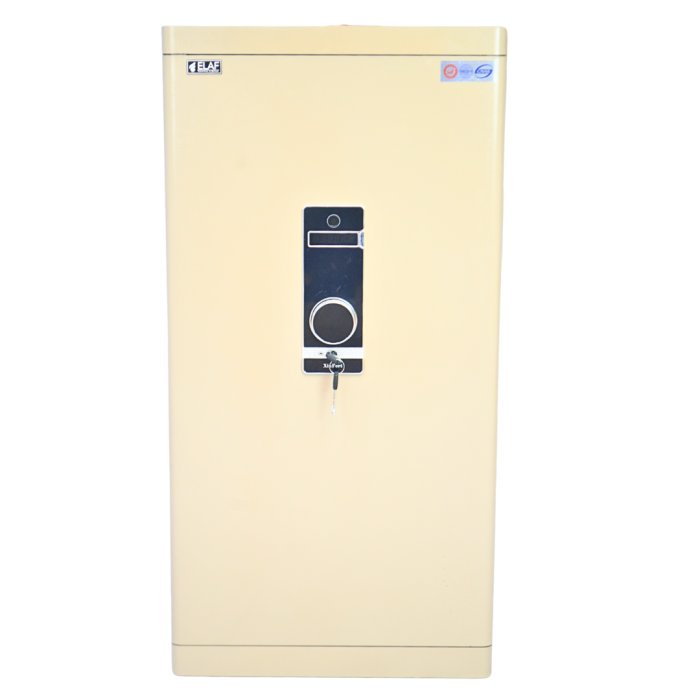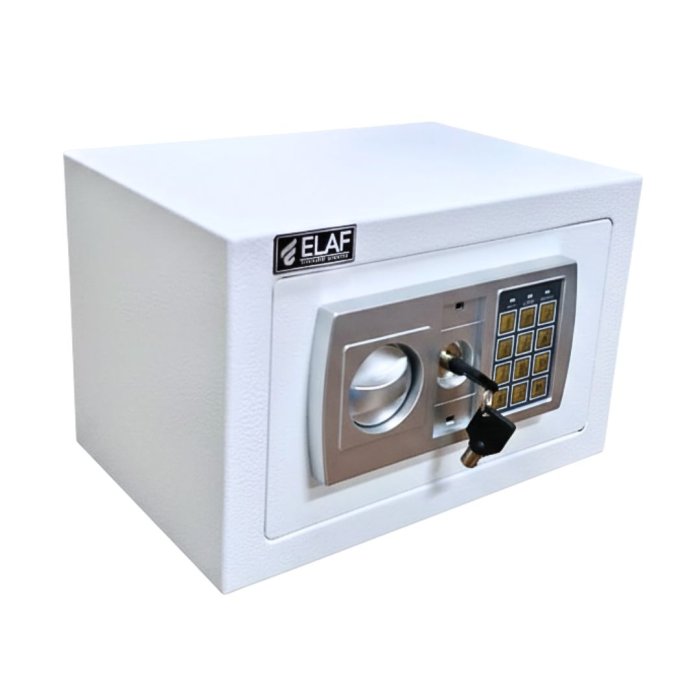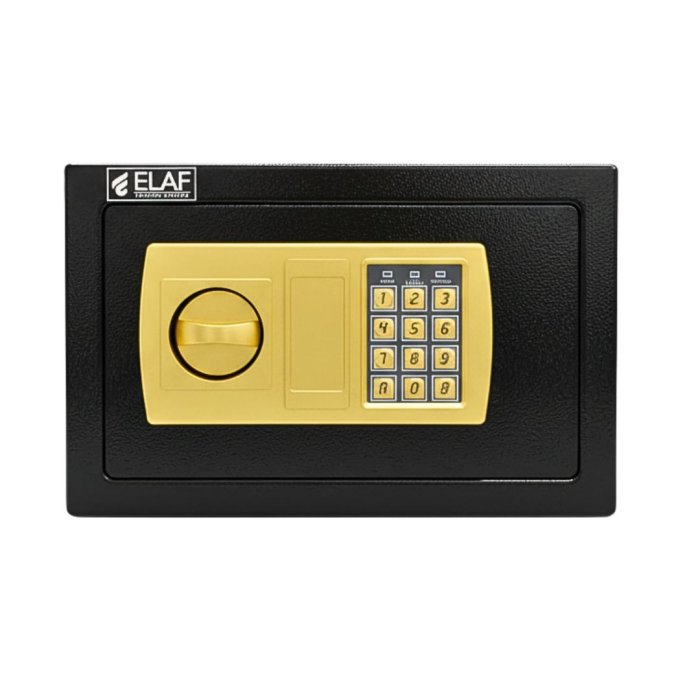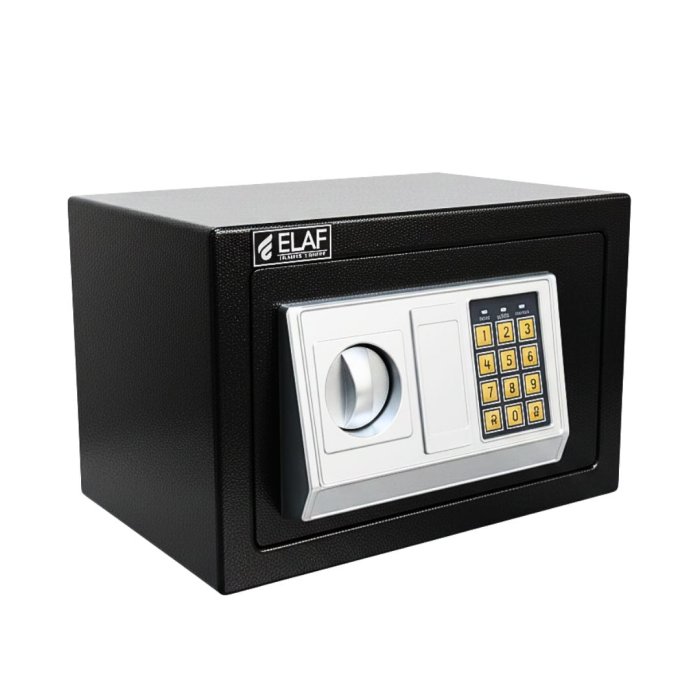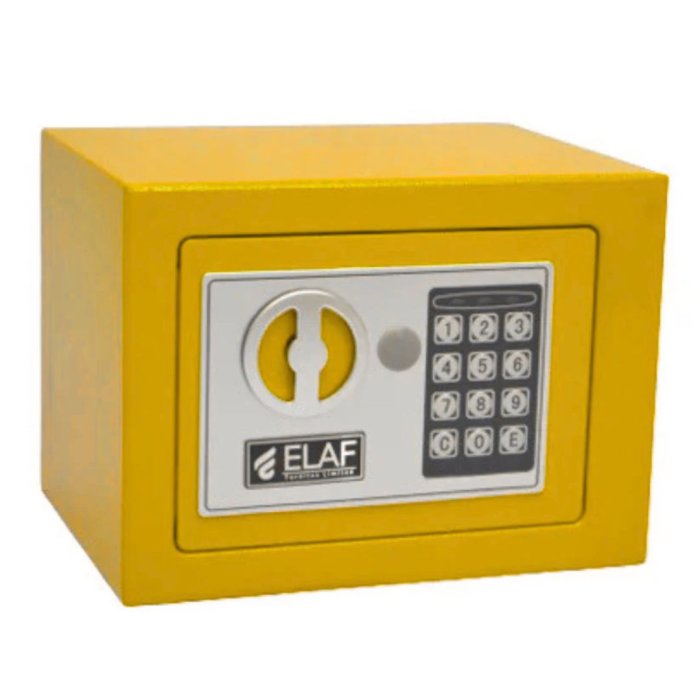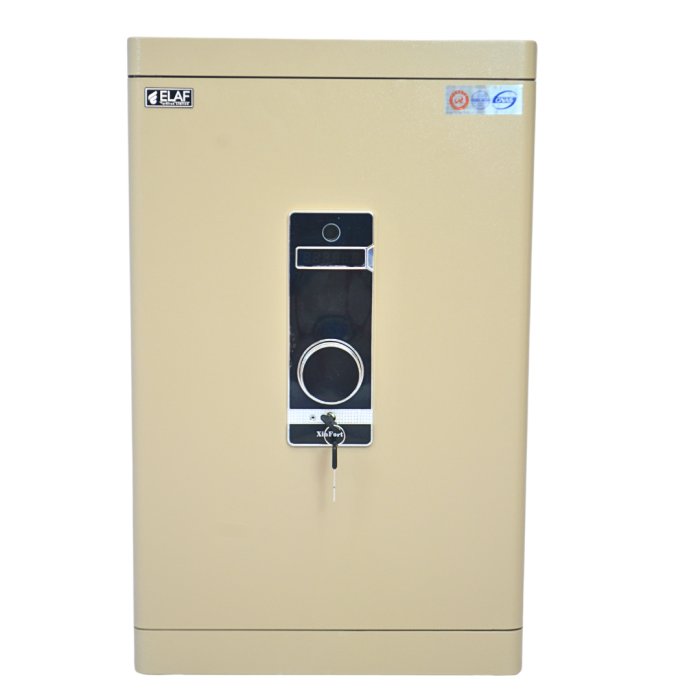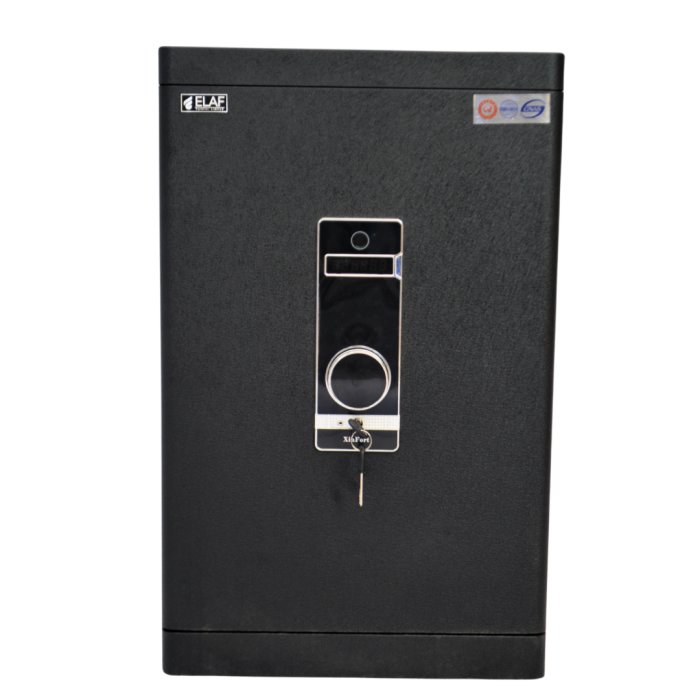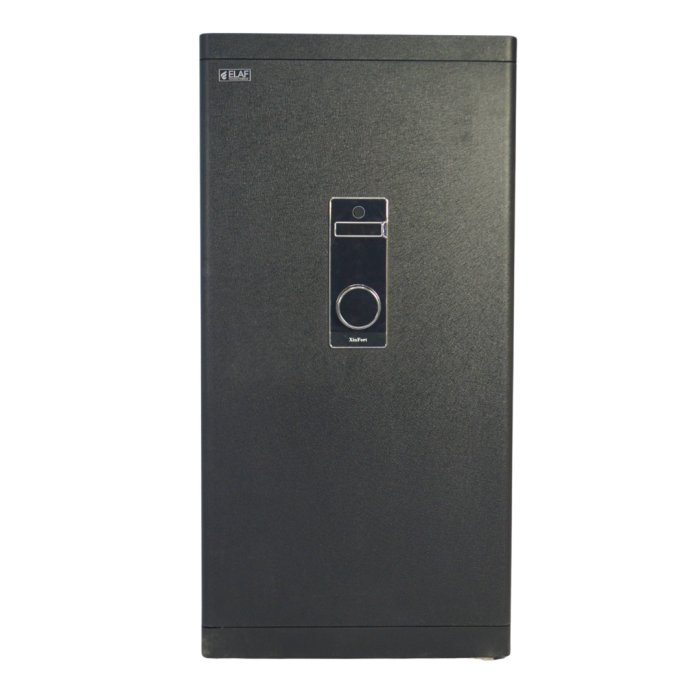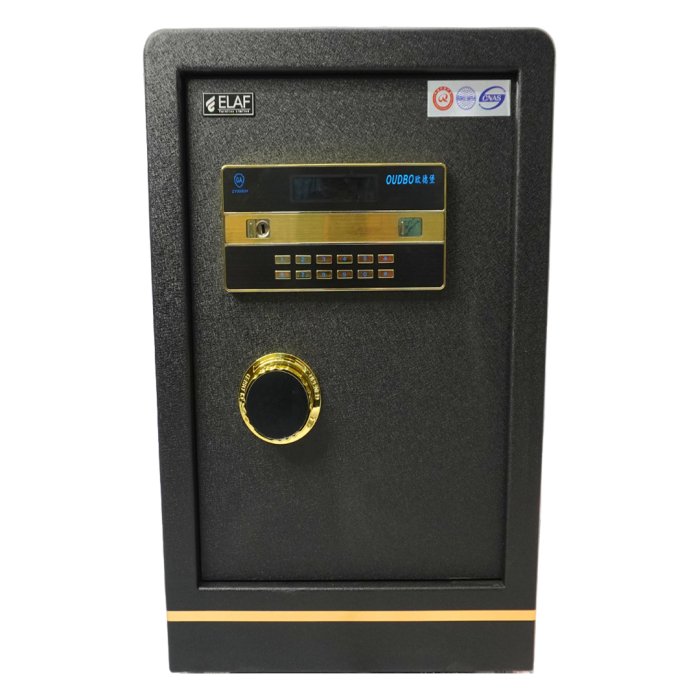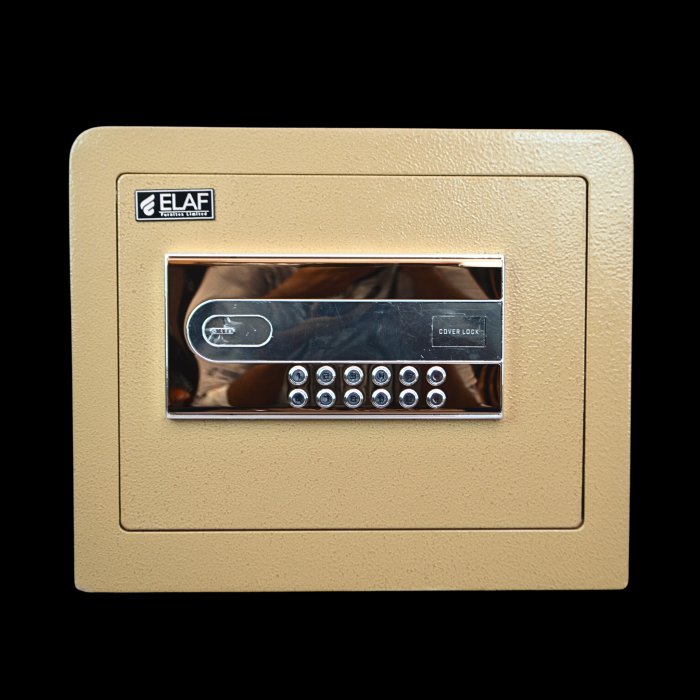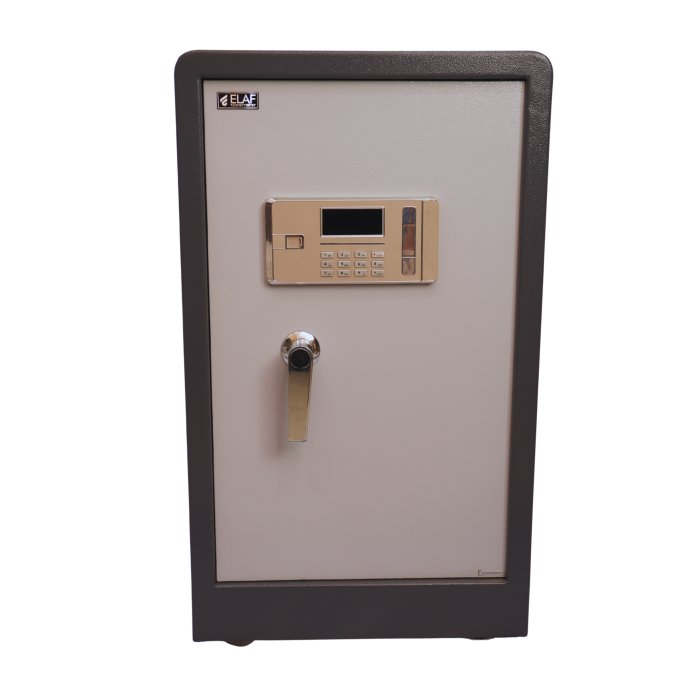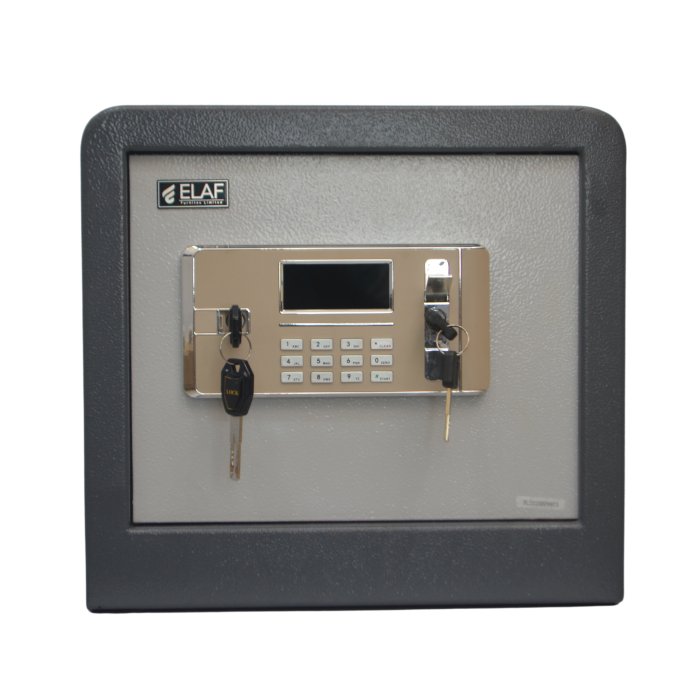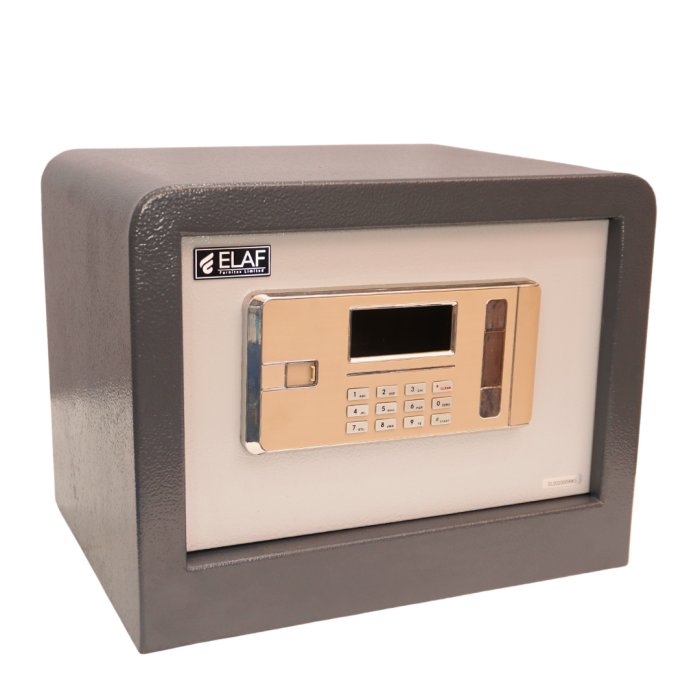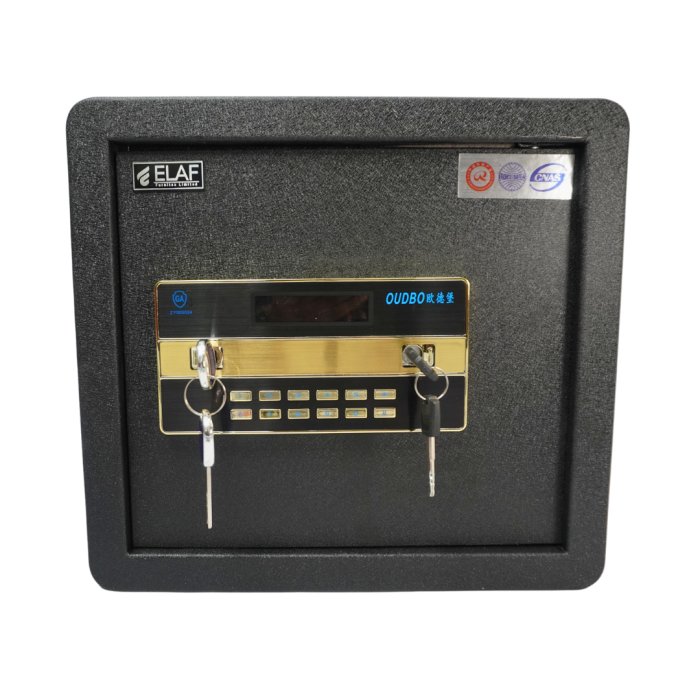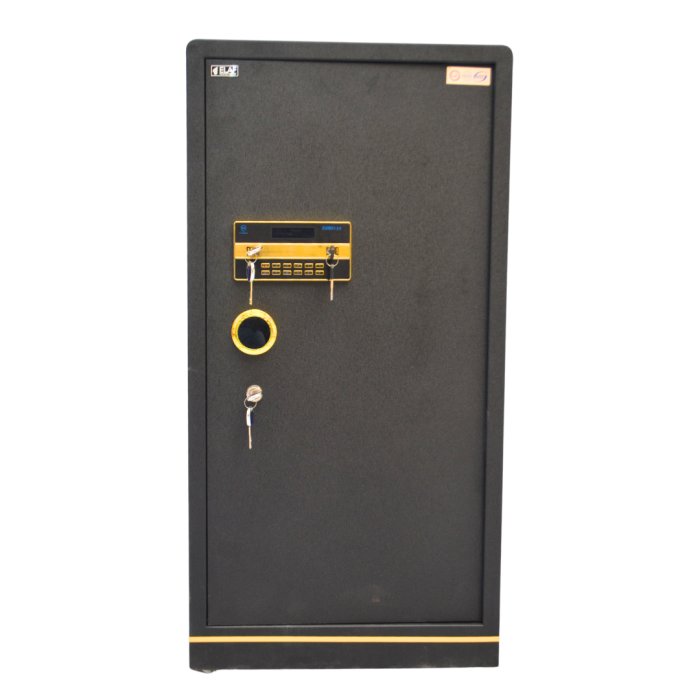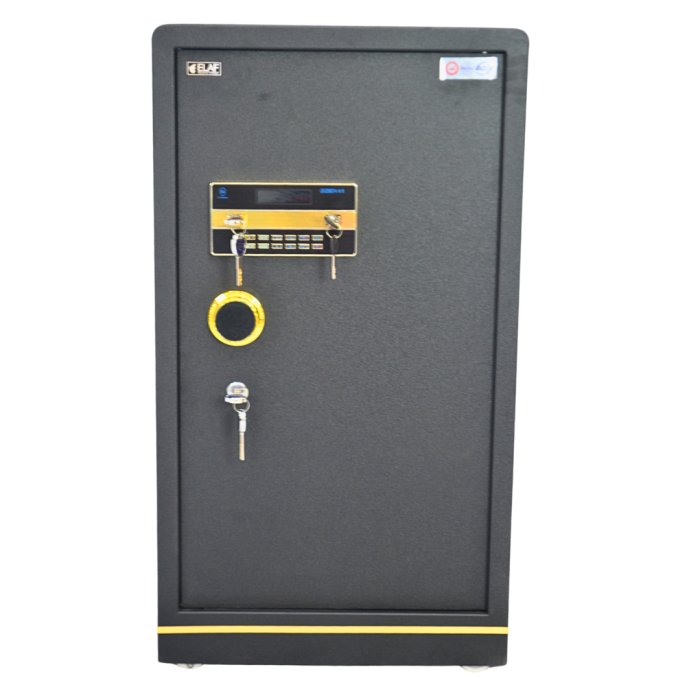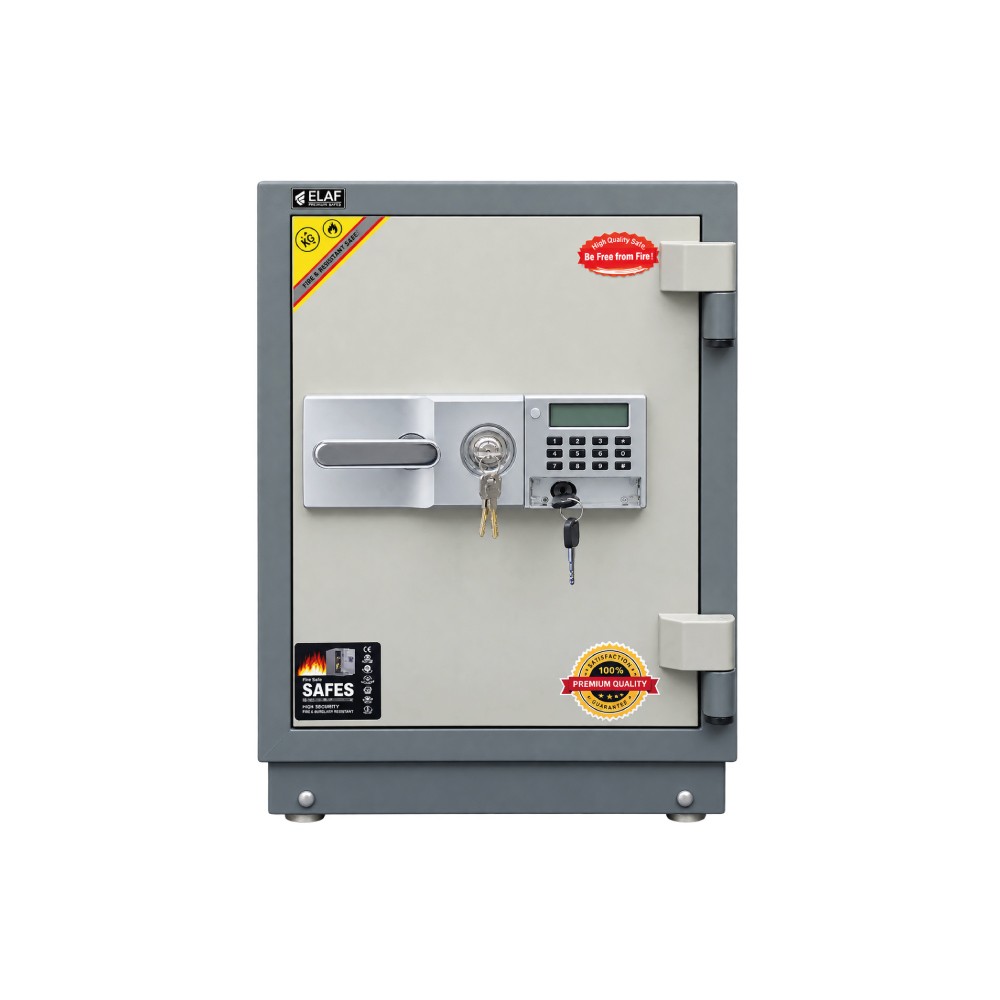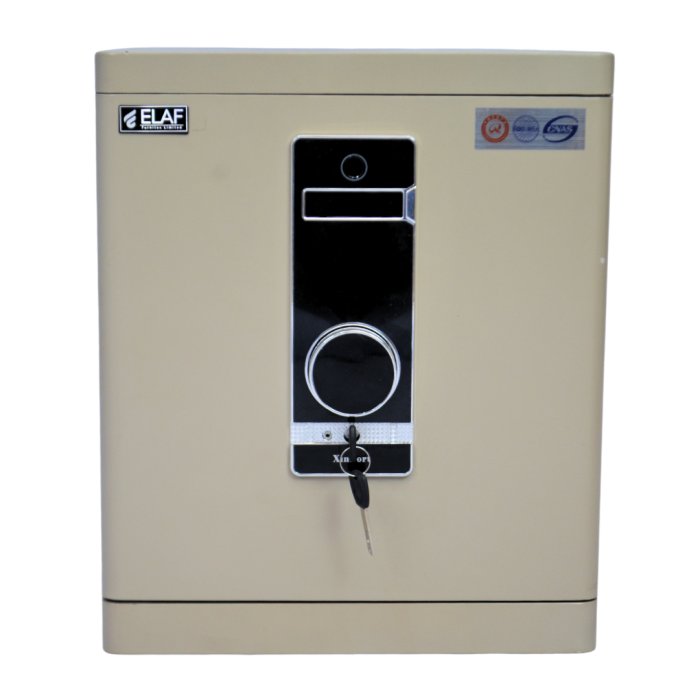
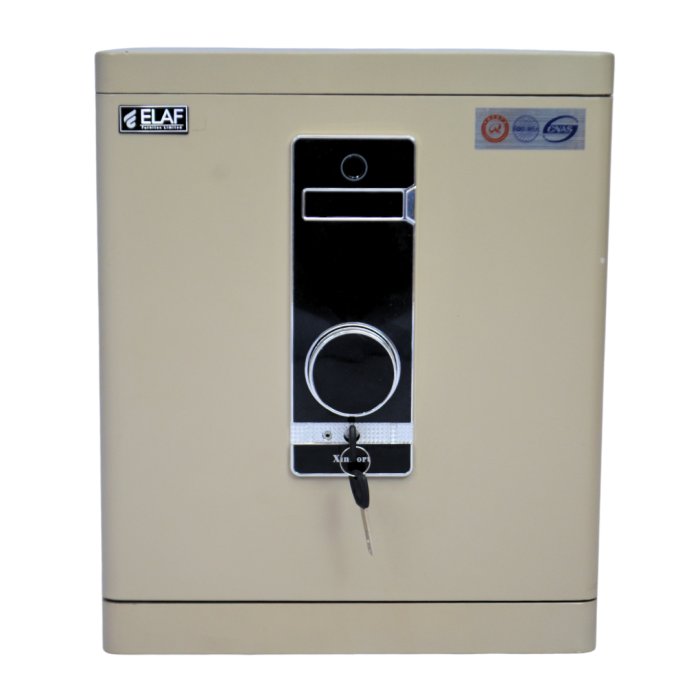
ELAF FINGERPRINT SAFETY LOCKER (FT-F450) White
78624 tk 78624 tk
প্রোডাক্ট কোড: 525
| ঢাকার ভিতরে ডেলিভারি | ৳ 60 |
| ঢাকার বাইরে ডেলিভারি | ৳ 130 |
পন্যের বিবরণ
Secure Your Office Valuables with Fingerprint Technology
The ELAF FINGERPRINT SAFETY LOCKER (FT-F450) in white is a compact, workplace-ready storage solution designed for your desk or office space. This fingerprint-enabled locker gives you quick, keyless access to your important documents, cash, cards, and small valuables while you work. No keys to lose, no codes to forget—just your fingerprint for reliable daily security.
Built for the modern office, this locker combines practical security with a clean white finish that fits seamlessly into any workspace aesthetic. Whether you're in a shared office, home workspace, or corporate environment, the FT-F450 delivers straightforward protection for items you need to keep safe during your workday.
Fingerprint Access for Daily Convenience
Biometric fingerprint technology means instant access when you need it. Unlike traditional locks, there's no fumbling with keys or remembering combinations. Simply place your registered finger on the sensor and the locker opens. This makes it ideal for busy desk work where you need fast, frequent access to your stored items. The fingerprint system is also more secure than a standard lock—your unique biometric signature can't be copied or lost.
The locker stores multiple fingerprints, so authorized users can access it quickly. Perfect for shared office spaces where a manager or team member may occasionally need to retrieve items, or for personal use with a backup fingerprint registered.
Sizing and Desk Placement
The FT-F450 is sized for practical desk deployment. Its compact footprint means it doesn't dominate your work surface or filing cabinet space. Designed to hold important small items—documents, passports, cash, jewelry, USB drives, and cards—it sits neatly alongside your monitor, keyboard, or office supplies. The white exterior keeps your workspace looking clean and organized rather than institutional or heavy.
This locker is lightweight enough to move between locations if needed, yet sturdy enough for daily use at your desk. It's engineered for the pace of office work: secure when you step away, accessible when you return.
Build Quality and Reliable Use
Built with a solid construction to withstand daily office use, the FT-F450 is made to last through years of opening and closing. The fingerprint sensor is calibrated for reliable recognition, reducing failed attempts and frustration during your workday. The white finish resists fingerprints and marks better than darker colors, keeping your locker looking professional on your desk.
Security is passive—no batteries to monitor or charging cables cluttering your workspace, depending on the model variant. This locker integrates into your work routine without adding maintenance burden. It's the kind of practical tool that works quietly in the background, protecting what matters while you focus on your work.
Why Choose Fingerprint Storage for Your Office
In a workspace where security matters but convenience is equally important, the ELAF FINGERPRINT SAFETY LOCKER represents a balance. You get genuine protection—items are physically locked and access is restricted to authorized fingerprints—without the friction of traditional locks. There's no key ring to carry, no code to share or reset. Your biometric access is personal, secure, and always with you.
Whether you're protecting confidential work documents, personal items, or valuables at your desk, the FT-F450 gives you peace of mind during your workday. Its clean white design means it belongs in a professional space, not hidden away out of sight.
আপনার অফিসের মূল্যবান জিনিস সুরক্ষিত রাখুন ফিঙ্গারপ্রিন্ট লকারের সাথে
ELAF FINGERPRINT SAFETY LOCKER (FT-F450) হল একটি আধুনিক, অফিস-বান্ধব নিরাপত্তা সমাধান যা আপনার ডেস্কে বা কর্মক্ষেত্রে ব্যবহারের জন্য ডিজাইন করা হয়েছে। এই ফিঙ্গারপ্রিন্ট-সক্ষম লকার আপনাকে গুরুত্বপূর্ণ ডকুমেন্ট, নগদ অর্থ, কার্ড এবং মূল্যবান ছোট জিনিসে দ্রুত, কী ছাড়াই প্রবেশাধিকার দেয়। কোনো কী হারানোর চিন্তা নেই, কোনো কোড মনে রাখার প্রয়োজন নেই—শুধুমাত্র আপনার ফিঙ্গারপ্রিন্ট দিয়েই নির্ভরযোগ্য দৈনন্দিন নিরাপত্তা পাবেন। সাদা ফিনিশ সহ এই লকারটি যেকোনো অফিস পরিবেশে সুন্দরভাবে খাপ খায়, একটি সাধারণ এবং পেশাদার চেহারা বজায় রেখে।
ফিঙ্গারপ্রিন্ট প্রযুক্তি মানে তাৎক্ষণিক প্রবেশাধিকার যখন আপনার প্রয়োজন। ঐতিহ্যবাহী তালার মতো নয়, এখানে কী নিয়ে ঝামেলা বা সংখ্যা মনে রাখার ঝামেলা নেই। শুধু আপনার নিবন্ধিত আঙুল সেন্সরে রাখুন এবং লকারটি খুলে যাবে। এটি ব্যস্ত ডেস্ক কাজের জন্য আদর্শ যেখানে আপনার দ্রুত, ঘন ঘন অ্যাক্সেসের প্রয়োজন হয়। FT-F450 এর কমপ্যাক্ট আকার মানে এটি আপনার মনিটর, কীবোর্ড বা অফিস সরঞ্জামের পাশে পরিপাটি করে বসে যায়, আপনার কাজের জায়গাকে সংগঠিত এবং পেশাদার দেখায়।
দৈনন্দিন অফিস ব্যবহারের জন্য দৃঢ় নির্মাণ সহ নির্মিত, এই লকারটি বছরের পর বছর খোলা এবং বন্ধ করার সময় টিকে থাকার জন্য প্রকৌশলী করা হয়েছে। ফিঙ্গারপ্রিন্ট সেন্সর নির্ভরযোগ্য স্বীকৃতির জন্য ক্যালিব্রেট করা হয়েছে, যা আপনার কর্মদিনে ব্যর্থ প্রচেষ্টা এবং হতাশা কমায়। সাদা ফিনিশ আপনার ডেস্কে পেশাদারিত্ব বজায় রাখে এবং অন্ধকার রঙের চেয়ে দাগ কম দেখায়। এটি হল সেই ধরনের ব্যবহারিক সরঞ্জাম যা আপনার কর্মপ্রবাহে নির্বিঘ্নে কাজ করে, যখন আপনি আপনার কাজে মনোনিবেশ করেন তখন গুরুত্বপূর্ণ জিনিসগুলি রক্ষা করে।