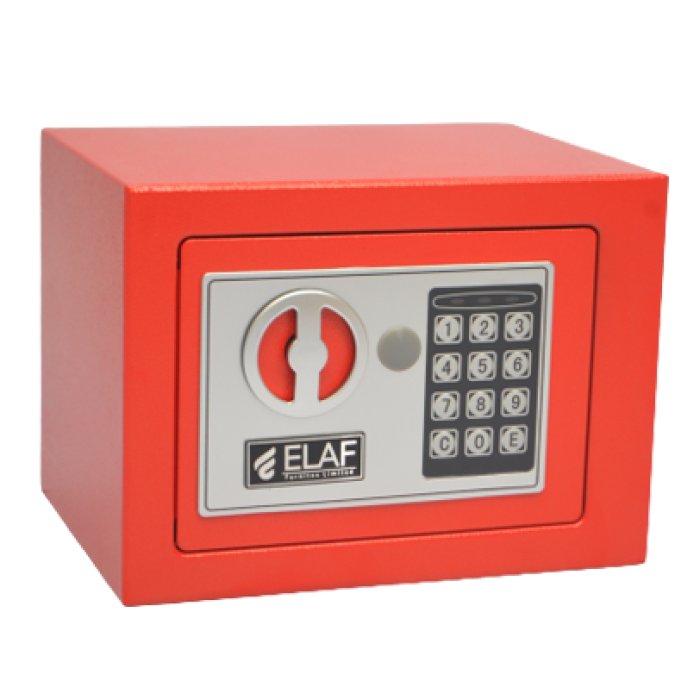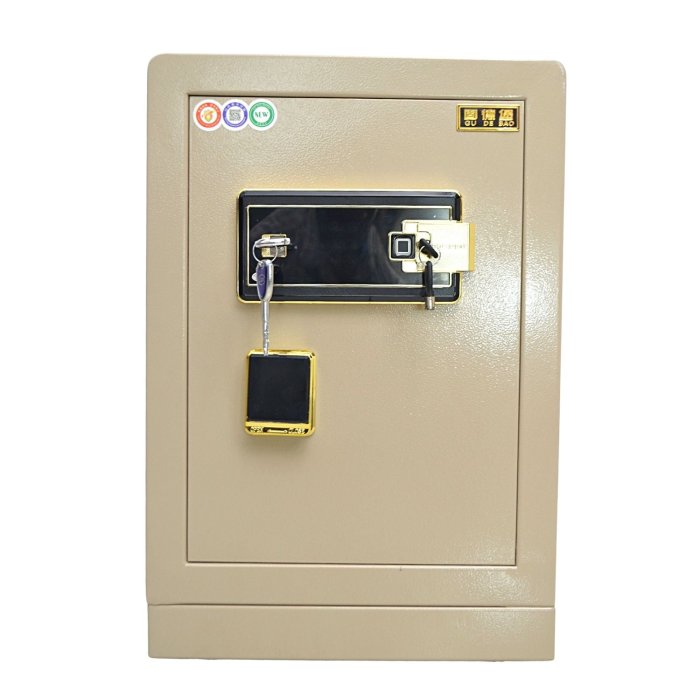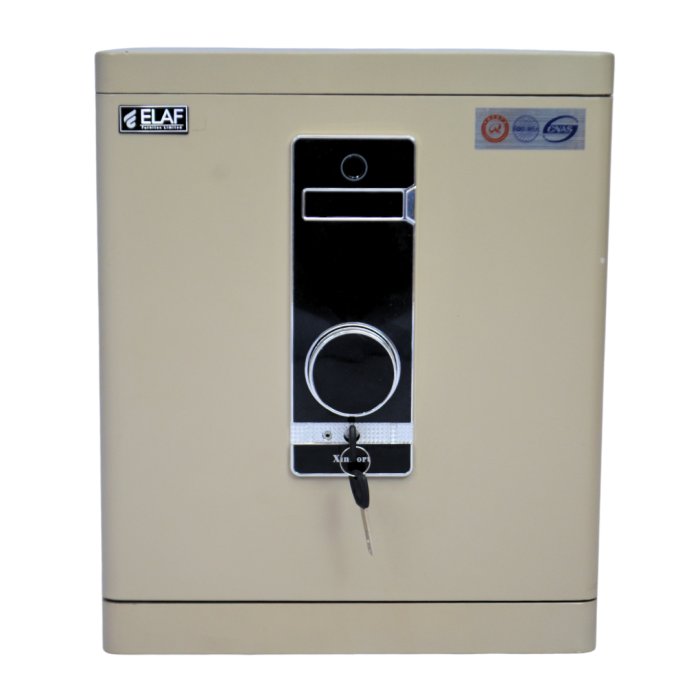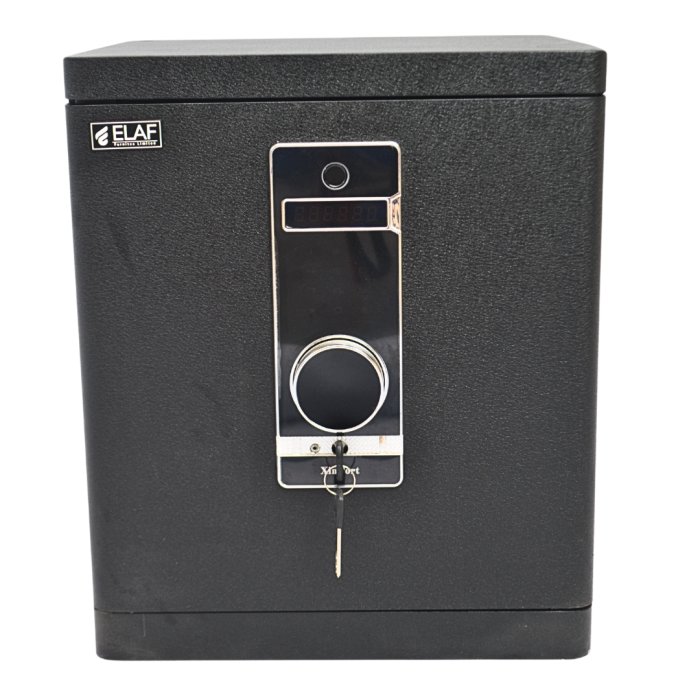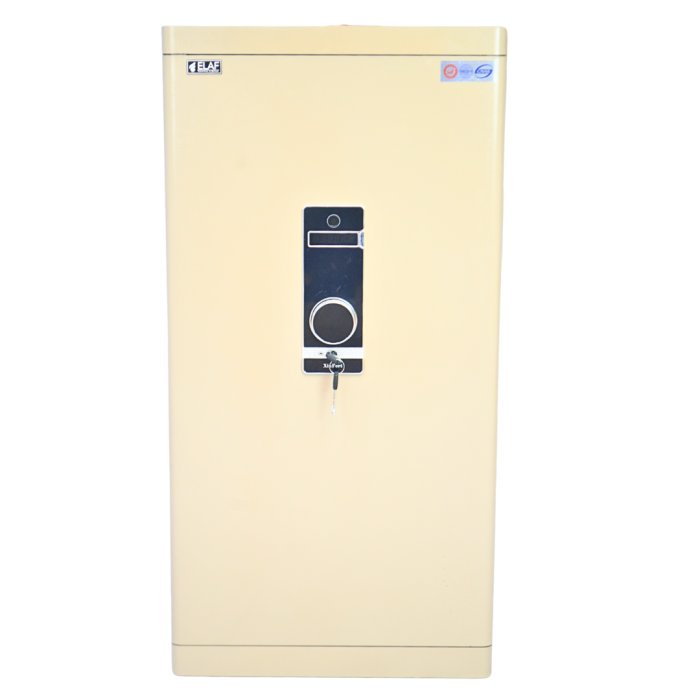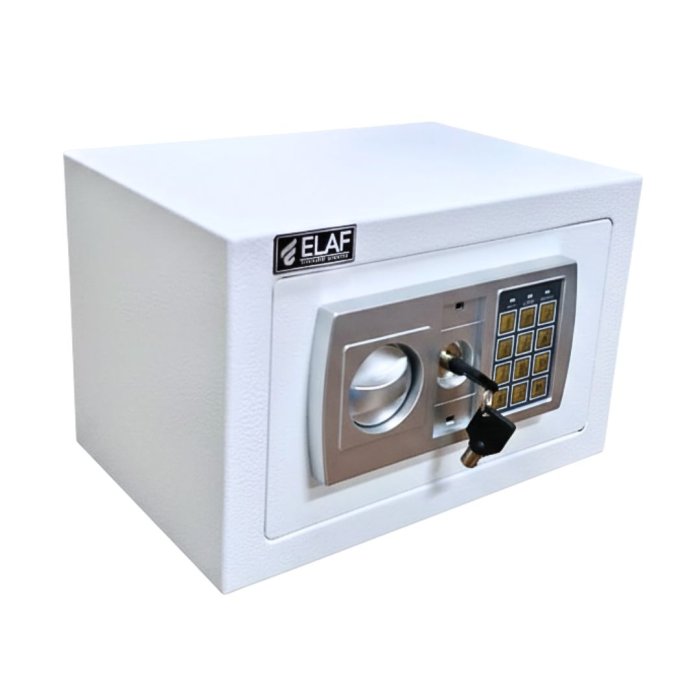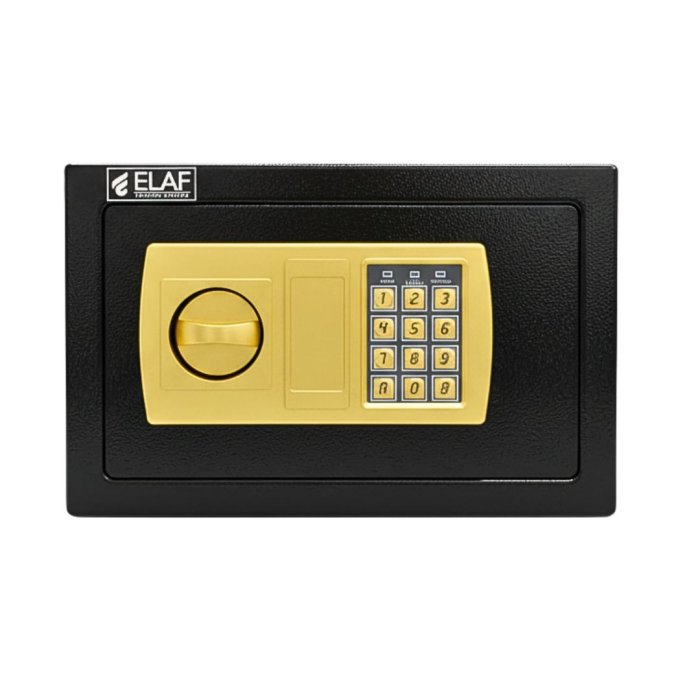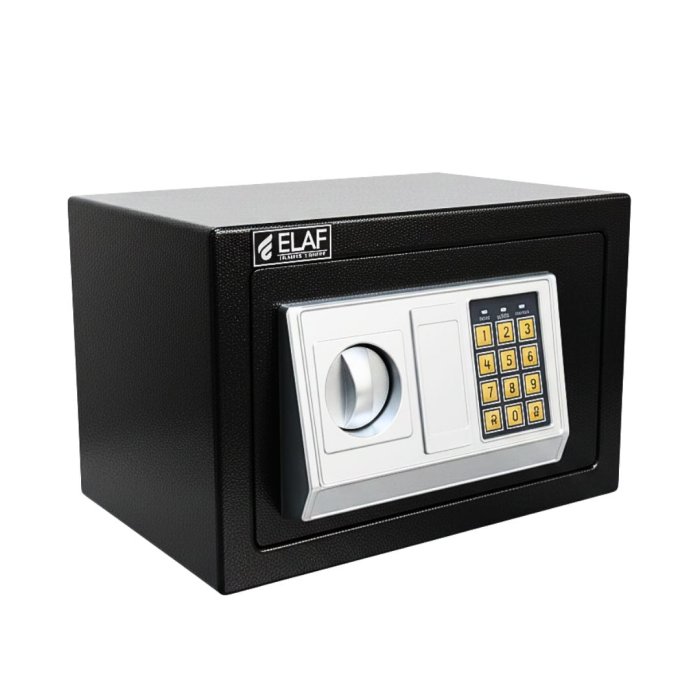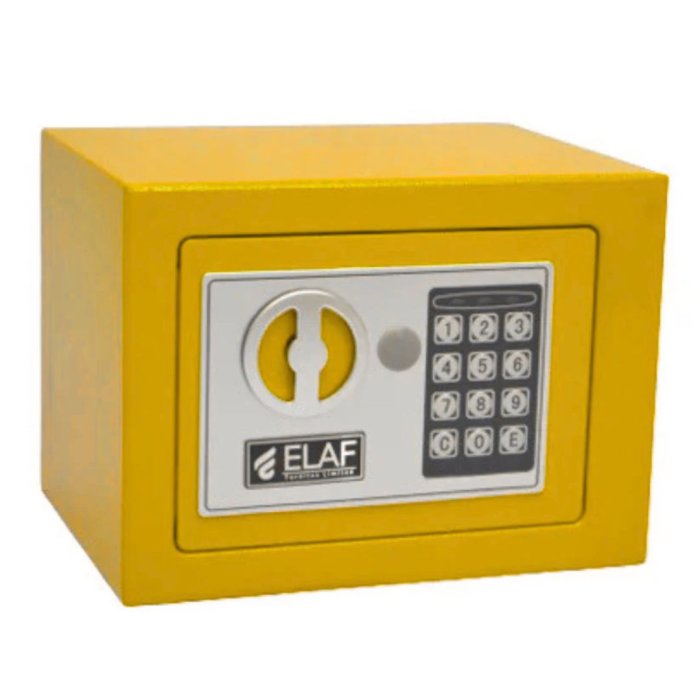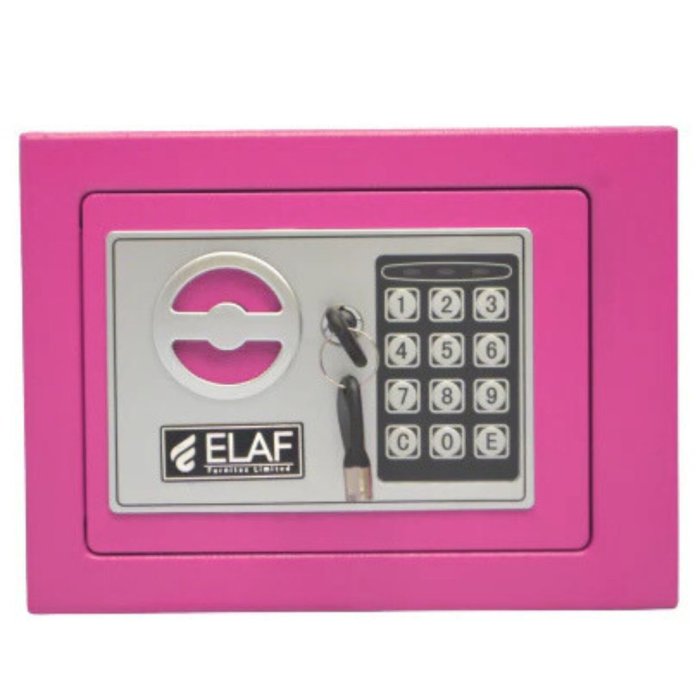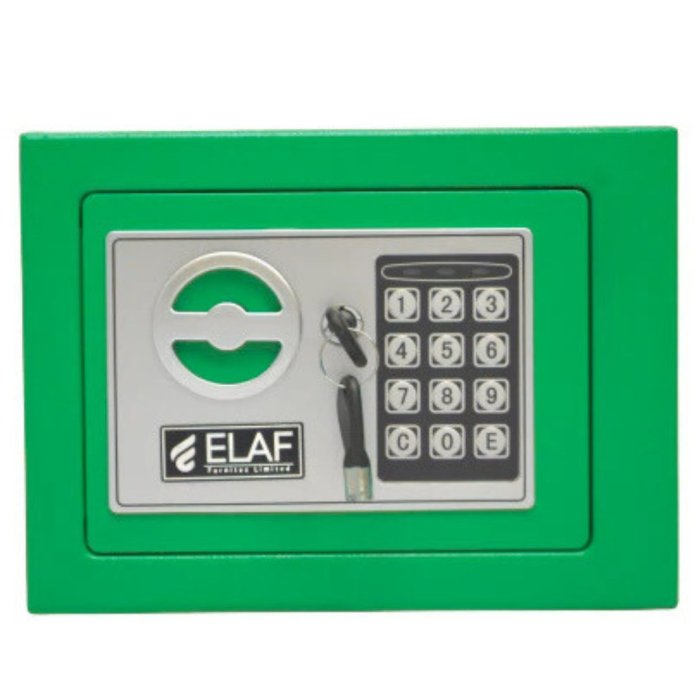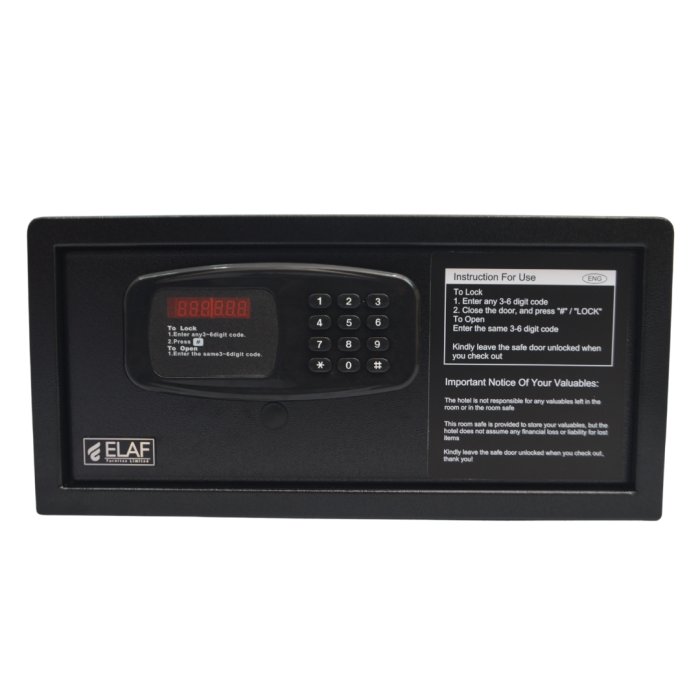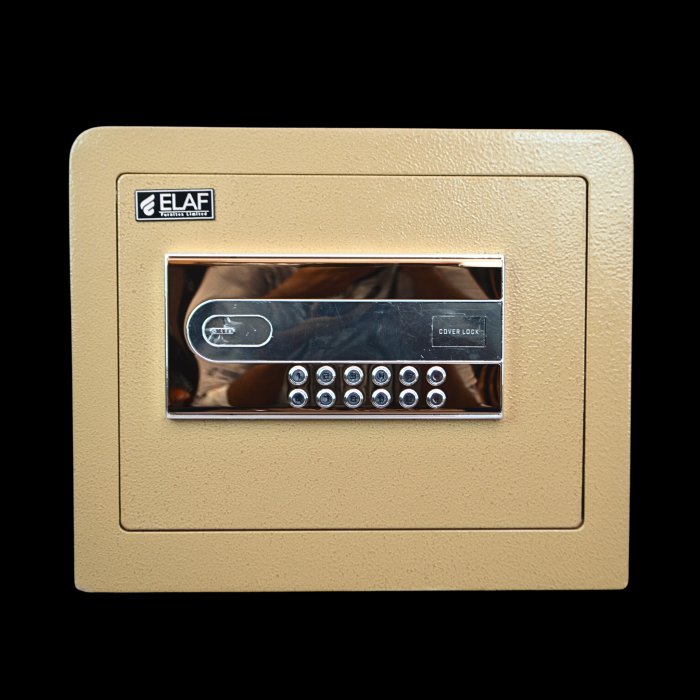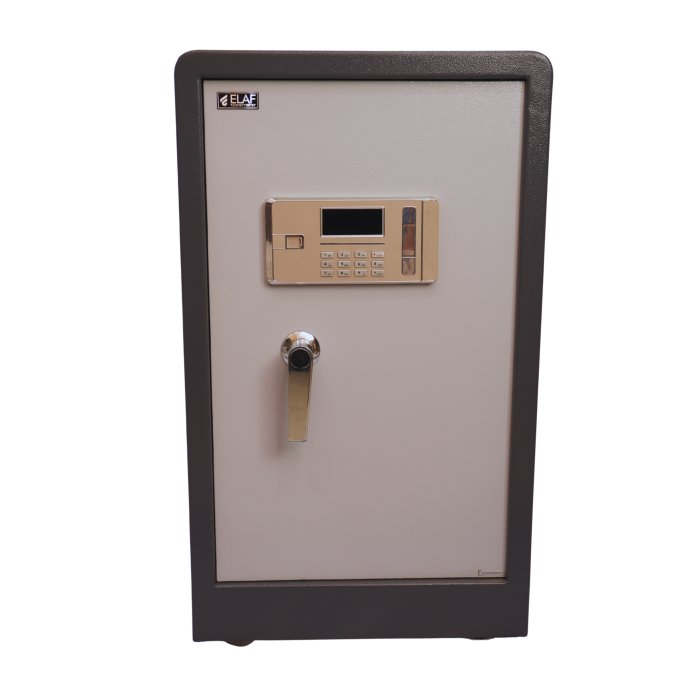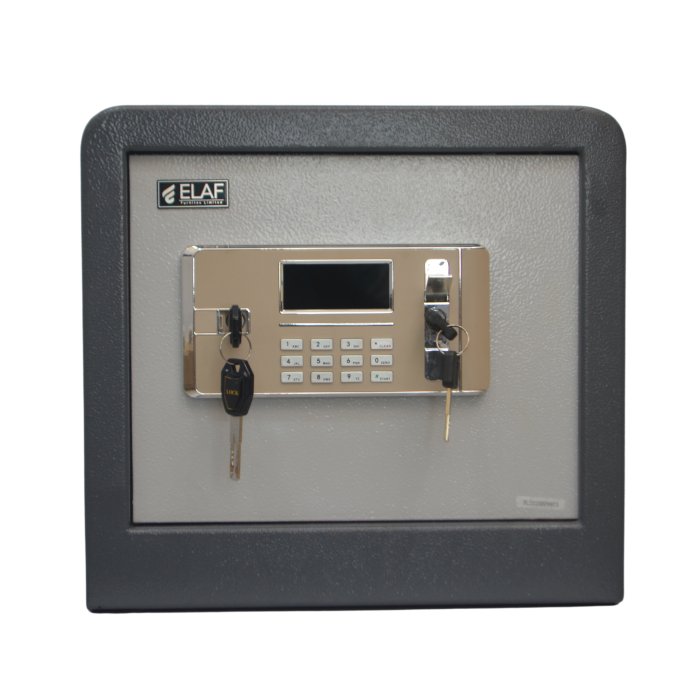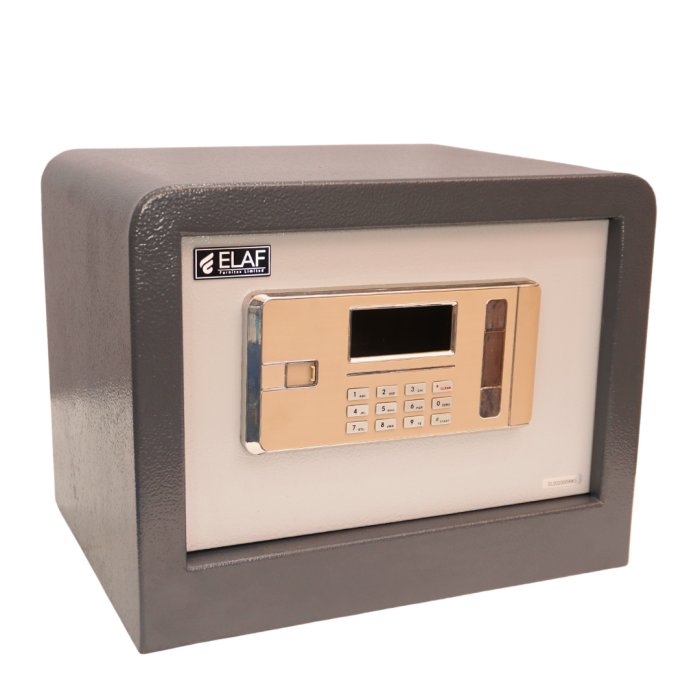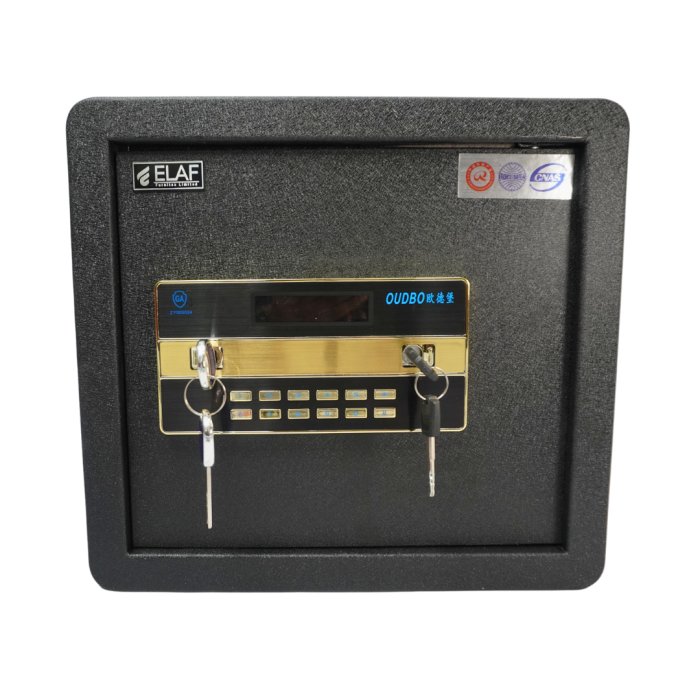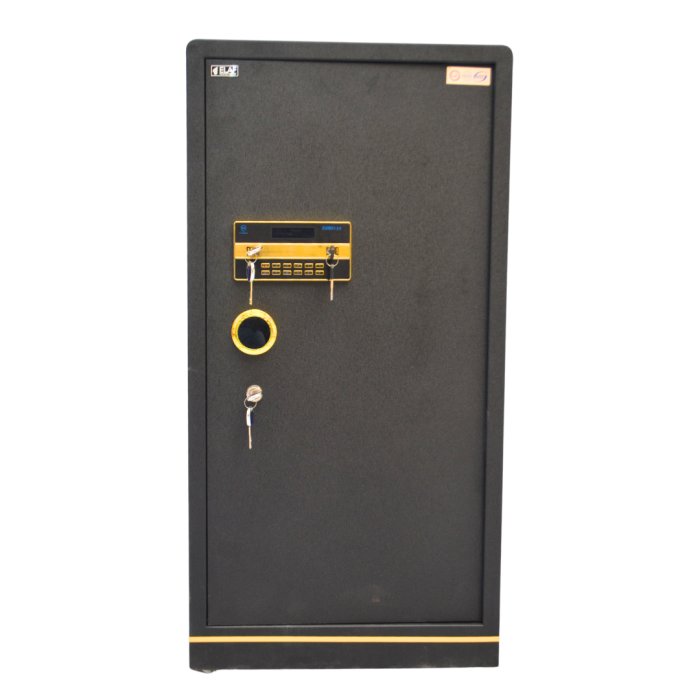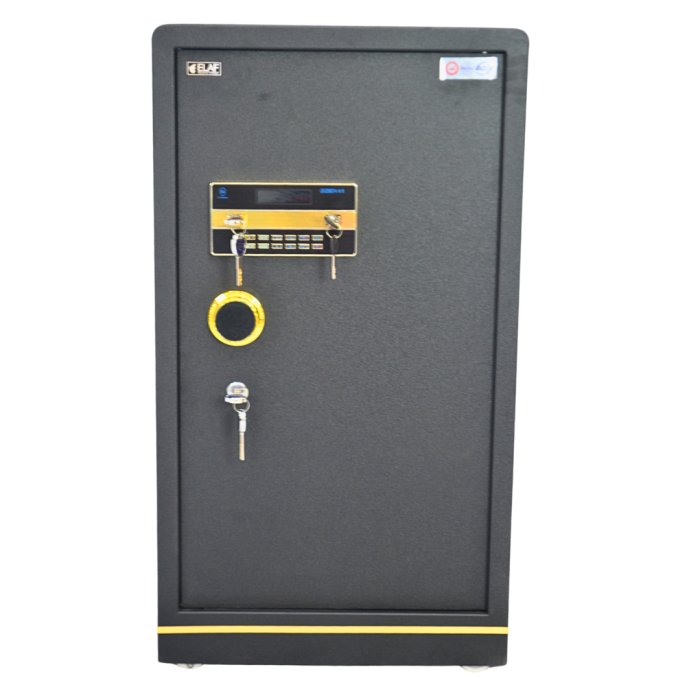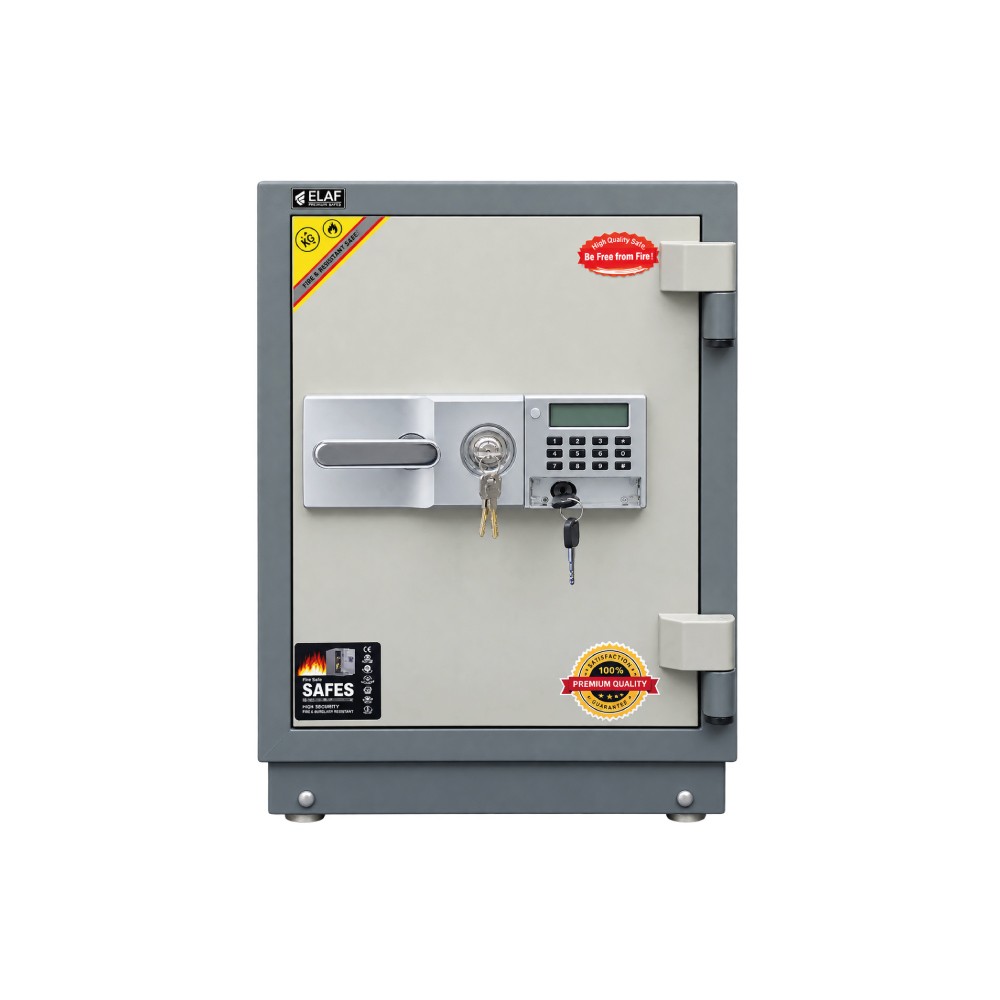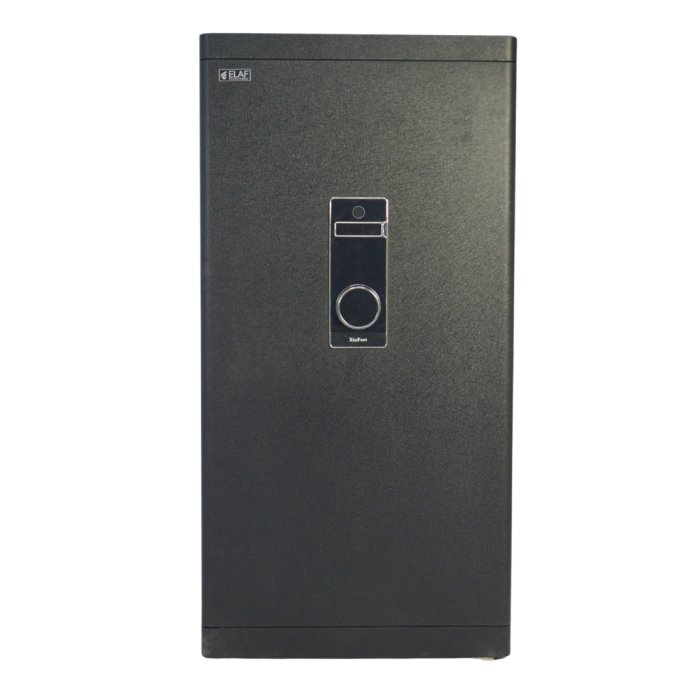
ELAF Fingerprint Digital Safety Locker (FT-F1000) Black
130000 tk 130000 tk
প্রোডাক্ট কোড: 490
| ঢাকার ভিতরে ডেলিভারি | ৳ 60 |
| ঢাকার বাইরে ডেলিভারি | ৳ 130 |
পন্যের বিবরণ
Secure Your Office Valuables with Fingerprint Technology
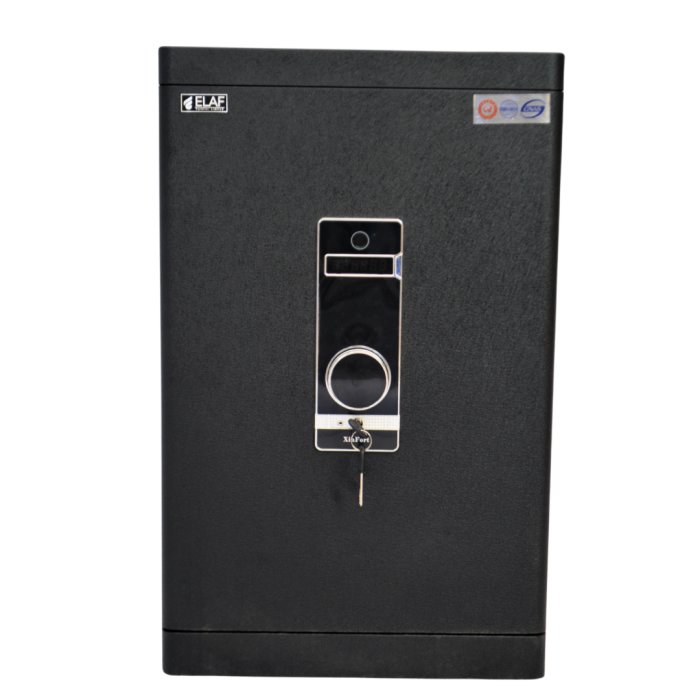
The ELAF Fingerprint Digital Safety Locker (FT-F1000) in black is built for the modern workplace. Whether you're securing documents, cash, or personal items at your desk, this compact locker uses advanced fingerprint recognition to keep unauthorized access out. No keys to lose, no codes to forget—just your fingerprint, every time.
At your workspace, security shouldn't complicate your day. This locker sits neatly on or under your desk, taking up minimal floor or surface space while providing real protection for items you need to keep safe during work hours. The black finish blends seamlessly with standard office furniture and décor.
Fingerprint Access for Daily Workplace Use
Fingerprint-based entry means faster access than typing a code or hunting for a key. Register your fingerprint once, and you're set for daily use. The digital system recognizes your print instantly, letting you open the locker in seconds—perfect for the pace of a busy office day.
The FT-F1000 stores multiple fingerprints, so you can grant access to trusted colleagues or managers if your workplace requires shared responsibility over certain valuables. Setup is straightforward and doesn't require IT support or complex configuration.
Durable Build for Desktop or Floor Placement
Built with a sturdy black steel construction, this locker is designed to handle regular workplace use without degradation. The locking mechanism is solid and reliable—no rattling, no loose panels. It's built to last through years of daily opening and closing at your desk.
The compact footprint means it fits comfortably in spaces where larger safes won't work. Whether you mount it under a desk, place it on a shelf, or position it in a cabinet, the FT-F1000 adapts to your workspace layout. The black color won't show wear or dust as easily as lighter finishes.
Battery-Powered Operation for Office Environments
The digital fingerprint system runs on batteries, so you don't need to route power cables or worry about outlet placement. Battery life is measured in years under normal office use, and the system will alert you before the batteries run too low. Keep spare batteries on hand and you're covered for the life of the locker.
In a power outage, your items stay secure. There's no electrical dependency, just a simple battery backup system that keeps the fingerprint reader and locking mechanism working reliably. This makes the FT-F1000 a dependable choice for any office, regardless of electrical infrastructure.
What's Included and How to Get Started
You receive the ELAF FT-F1000 locker, batteries, and basic documentation covering fingerprint registration and daily operation. Setup takes minutes: install batteries, register your fingerprint through the digital interface, and begin using it immediately. No professional installation or calibration is needed.
This locker is suitable for individual use at a single desk or shared use among a small team. It's practical, reliable, and designed with workplace efficiency in mind. Ideal for offices, co-working spaces, or any professional environment where securing small valuables is part of the daily routine.
আপনার অফিসের মূল্যবান জিনিসপত্র সুরক্ষিত রাখুন আঙুলের ছাপ প্রযুক্তিতে
ELAF Fingerprint Digital Safety Locker (FT-F1000) কালো রঙের এই লকারটি আধুনিক কর্মক্ষেত্রের জন্য তৈরি। ডেস্কে বসে গুরুত্বপূর্ণ ডকুমেন্ট, নগদ অর্থ বা ব্যক্তিগত জিনিসপত্র সুরক্ষিত রাখুন। এতে রয়েছে আধুনিক ফিঙ্গারপ্রিন্ট প্রযুক্তি যা অননুমোদিত প্রবেশ রোধ করে। চাবি হারানোর দরকার নেই, কোড মনে রাখতে হবে না—শুধু আপনার আঙুলের ছাপ যথেষ্ট।
অফিসে সুরক্ষা মানে জটিলতা নয়। এই লকারটি ডেস্কের উপরে বা নিচে রাখা যায়, খুব বেশি জায়গা নেয় না। কালো রঙের ফিনিশ যেকোনো অফিস ফার্নিচারের সাথে সুন্দরভাবে মিলে যায়। দিনের পর দিন ব্যবহারে এর মান অক্ষুণ্ণ থাকে এবং কখনো ঝুলঝুলে বা আলগা হয় না।
আপনার ফিঙ্গারপ্রিন্ট একবার রেজিস্টার করলেই প্রতিদিন সেকেন্ডের মধ্যে খুলে যায়—এটি অফিসের তাড়াহুড়ার জন্য আদর্শ। ব্যাটারি চালিত সিস্টেমে কোনো বিদ্যুতের ঝামেলা নেই, এবং বছরের পর বছর চলে। সেটআপ খুবই সহজ, কোনো টেকনিক্যাল সাপোর্টের প্রয়োজন নেই। একাধিক আঙুলের ছাপ রেজিস্টার করা যায়, তাই দলের সদস্যদের অ্যাক্সেস দিতে পারেন যদি প্রয়োজন হয়।