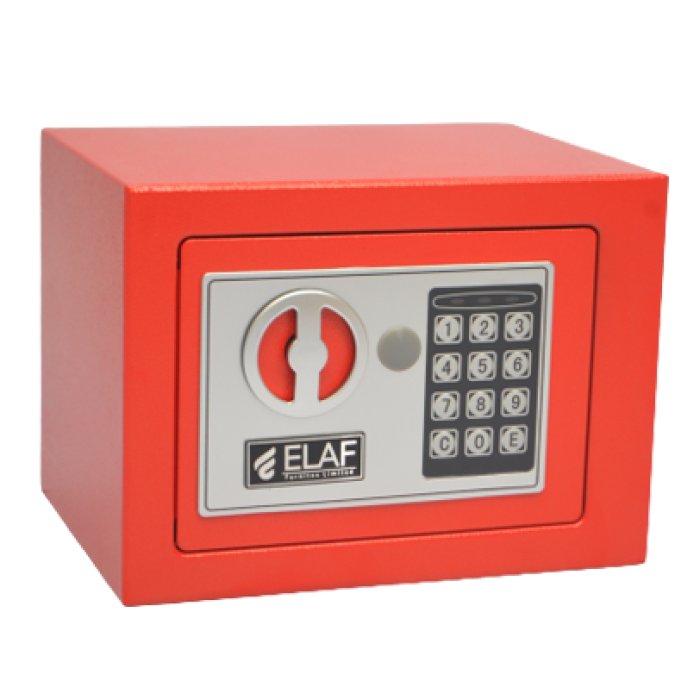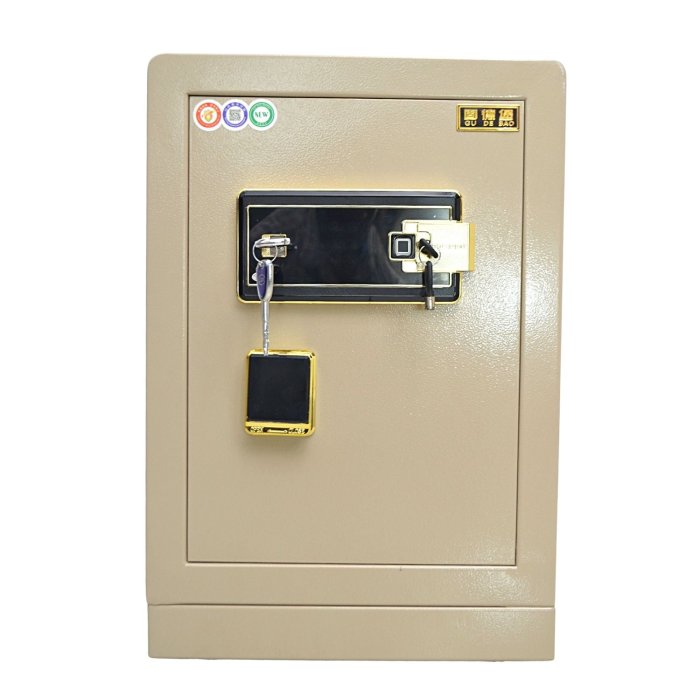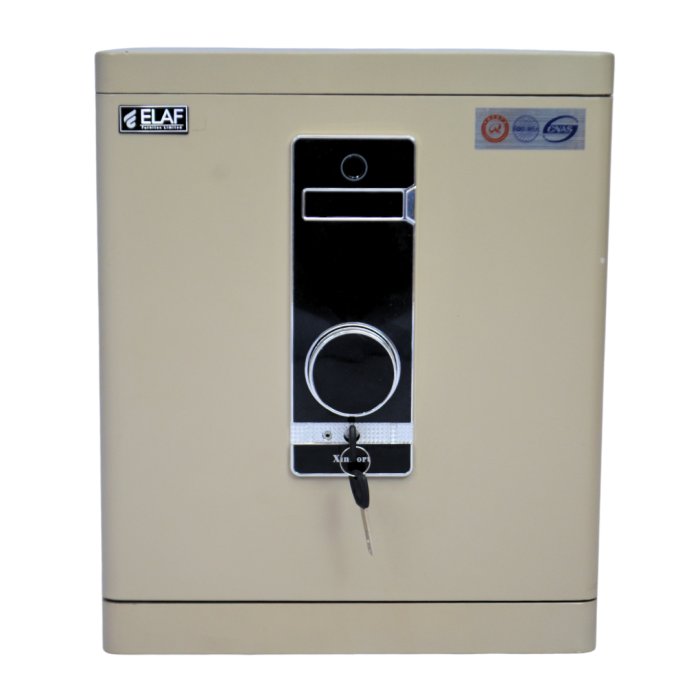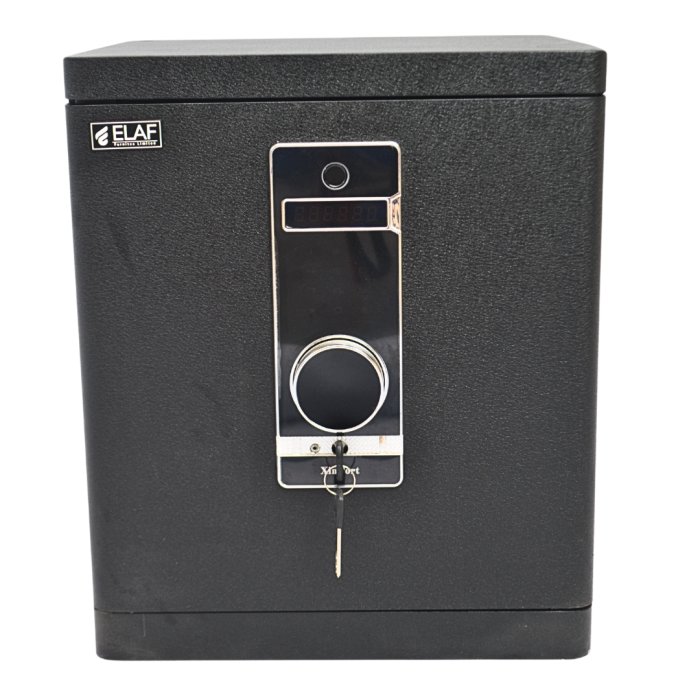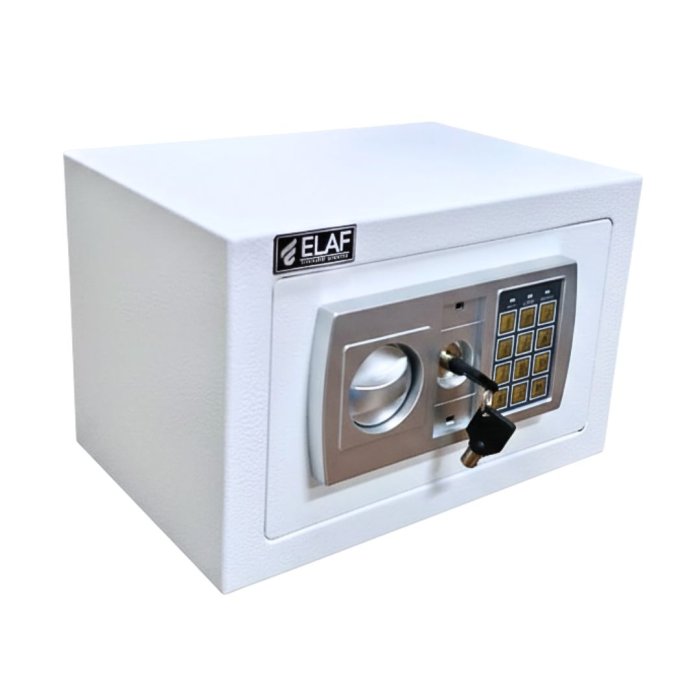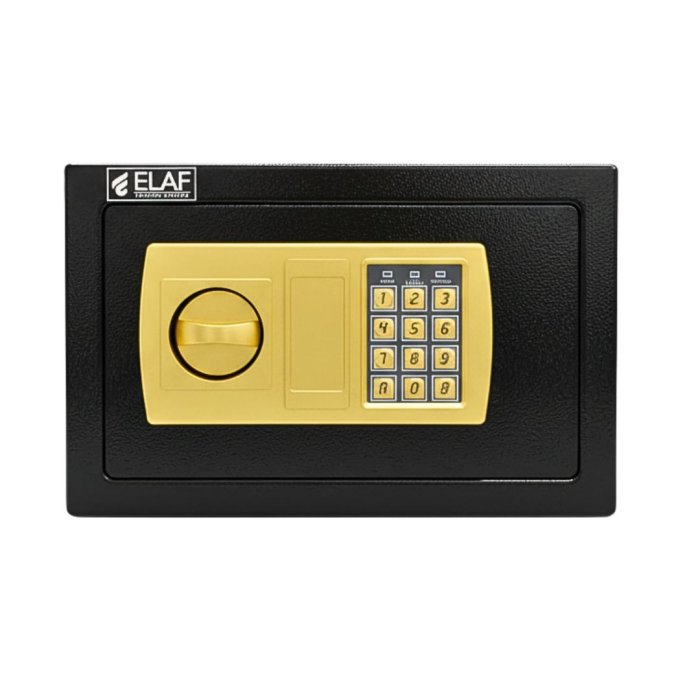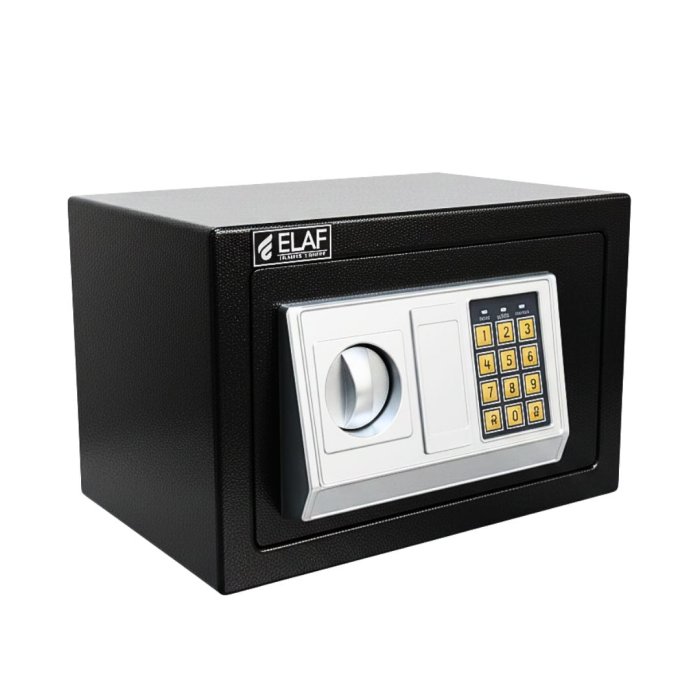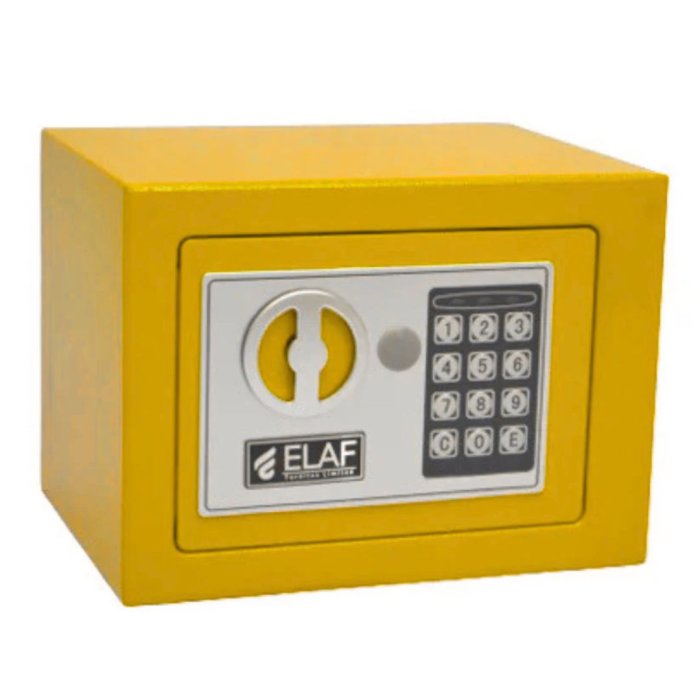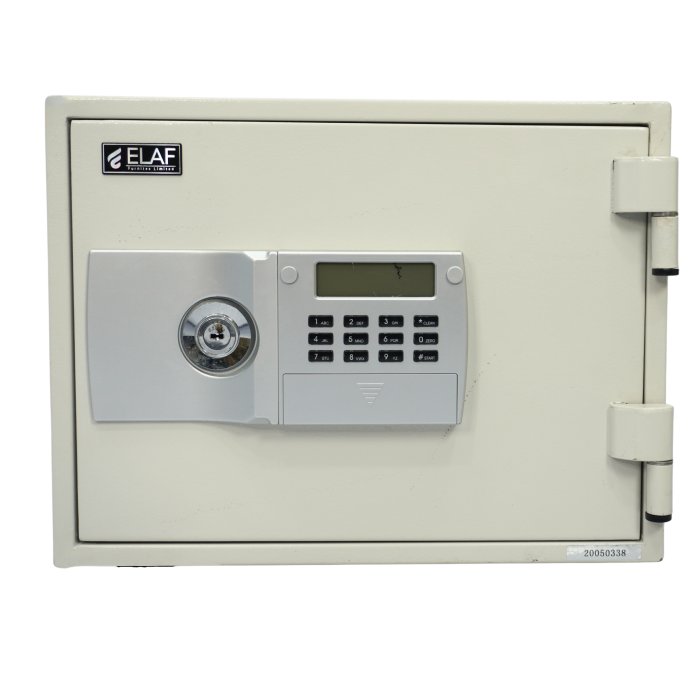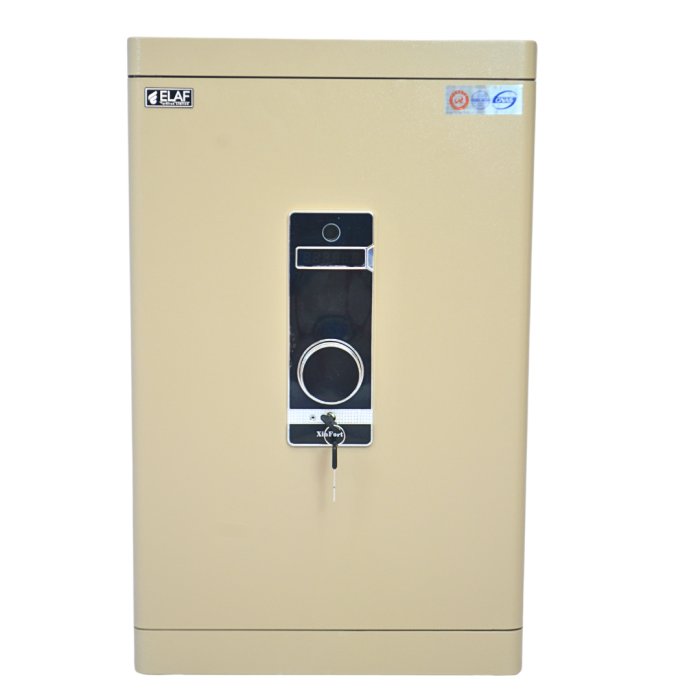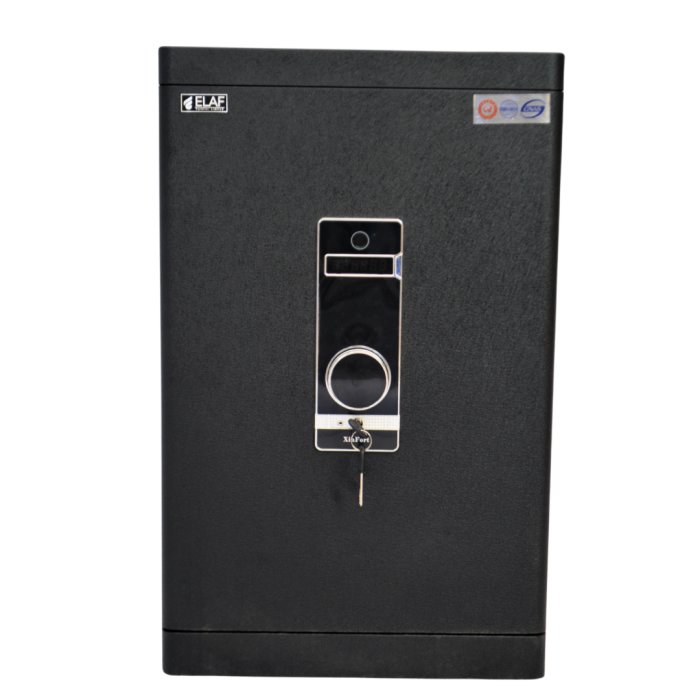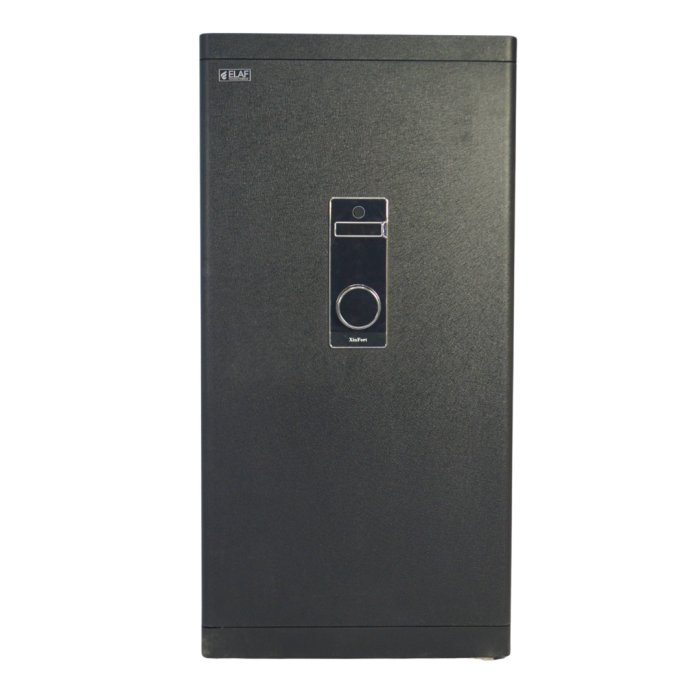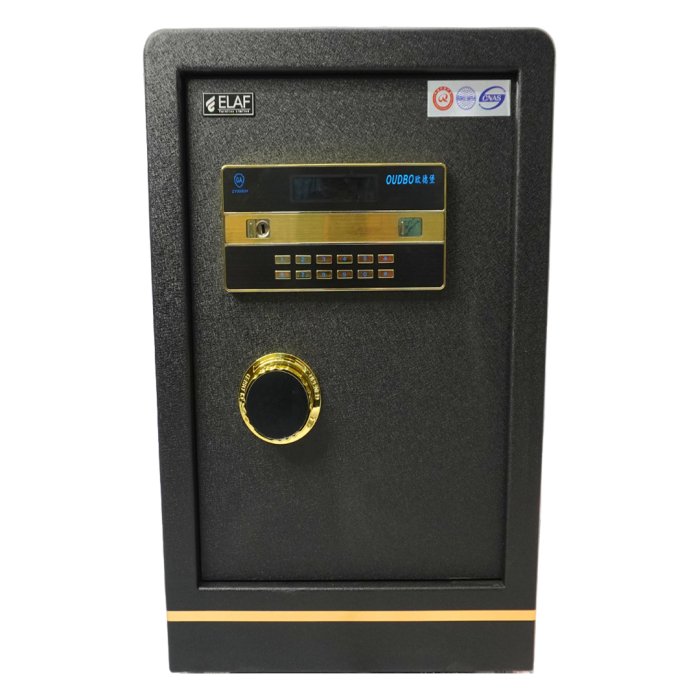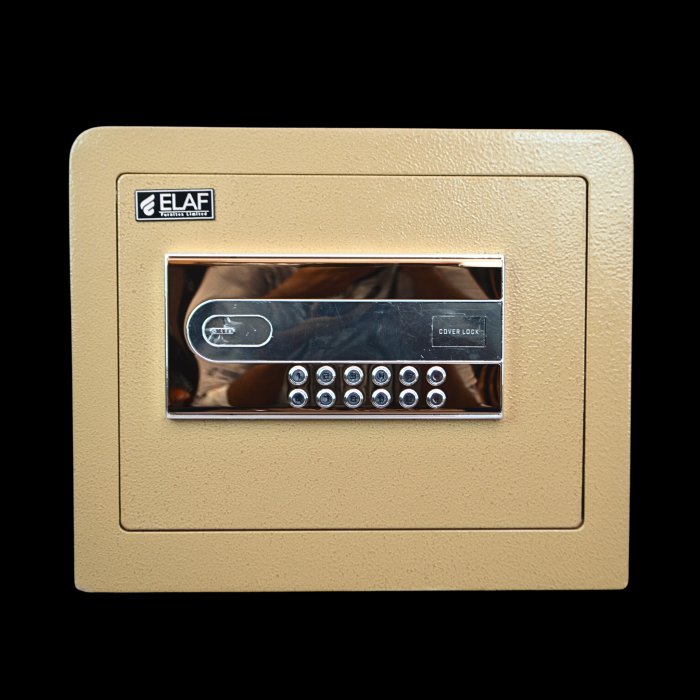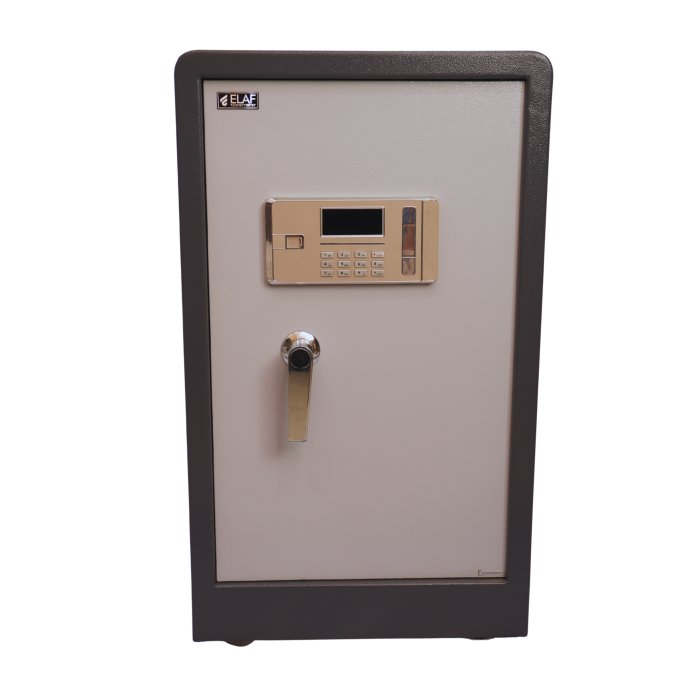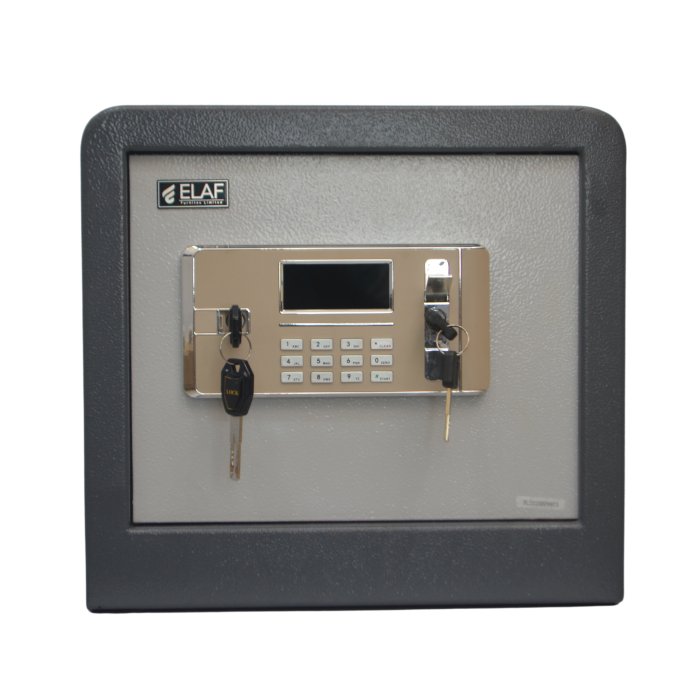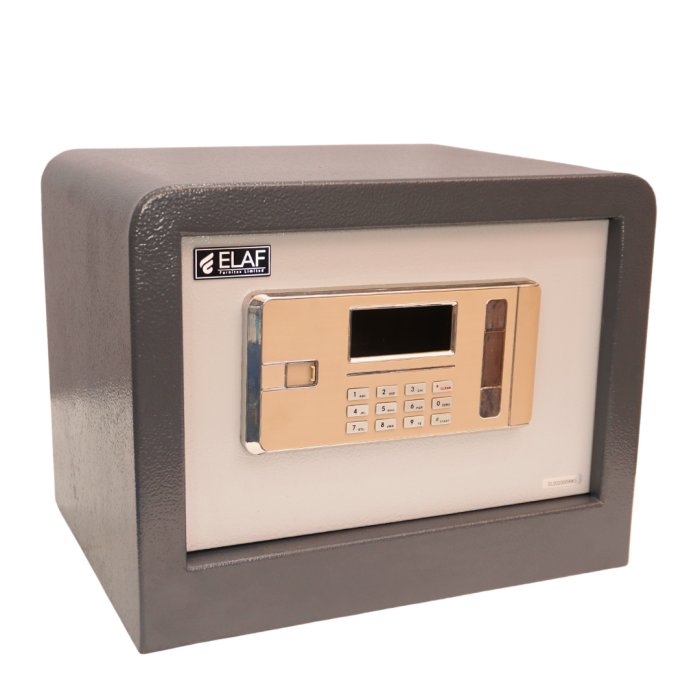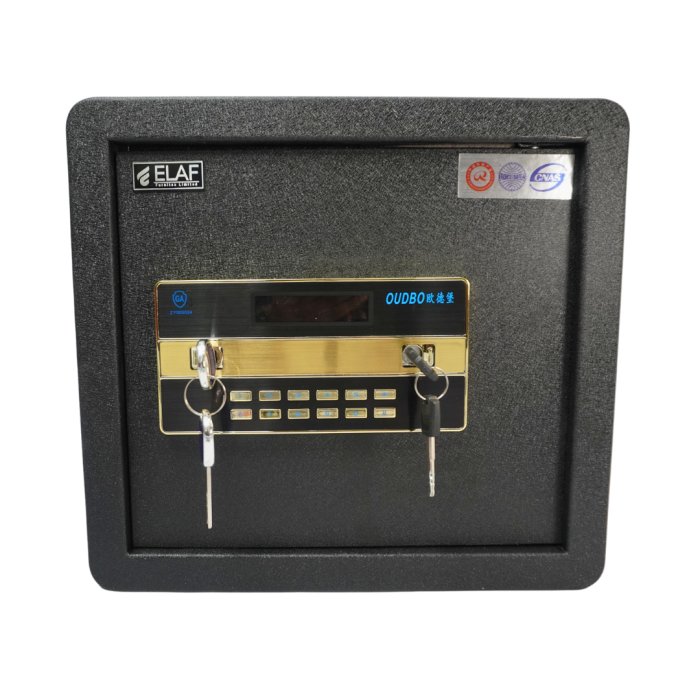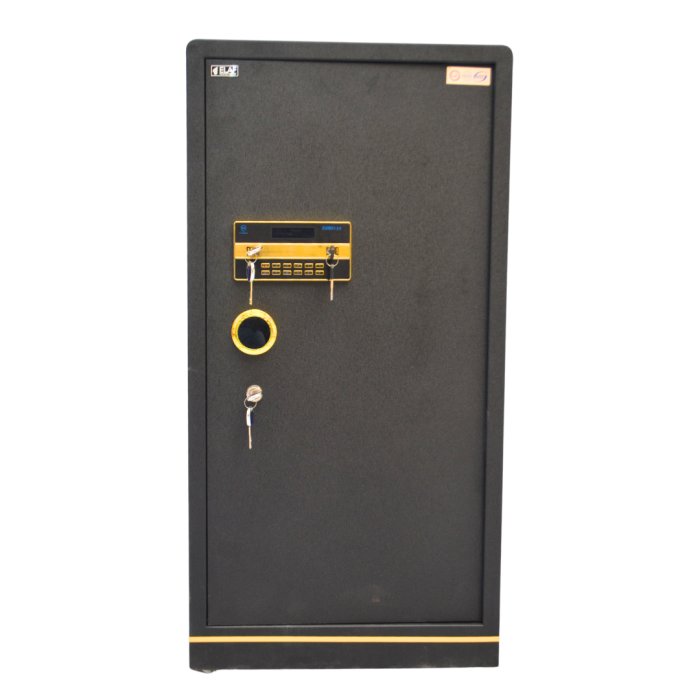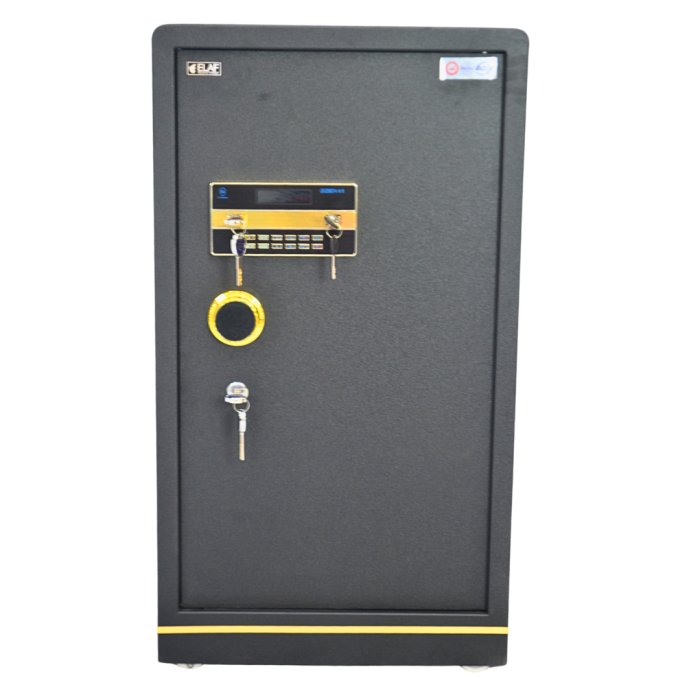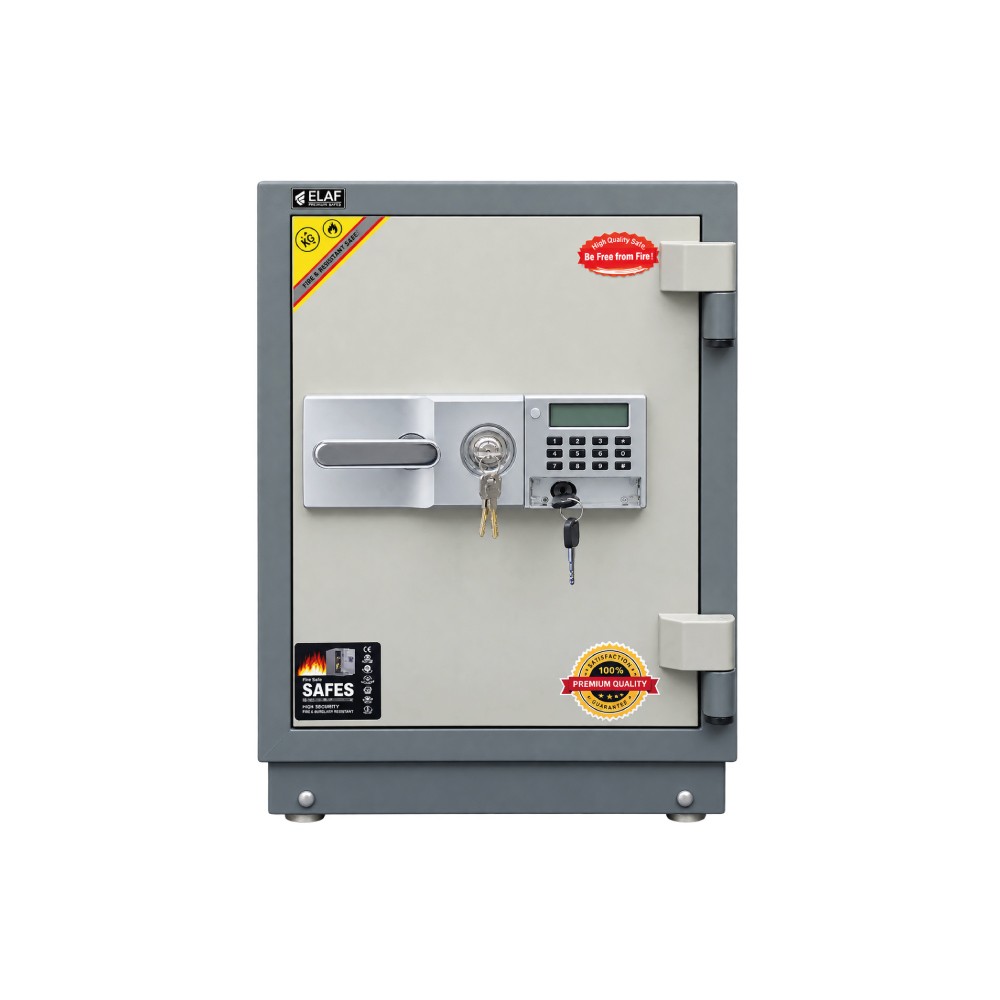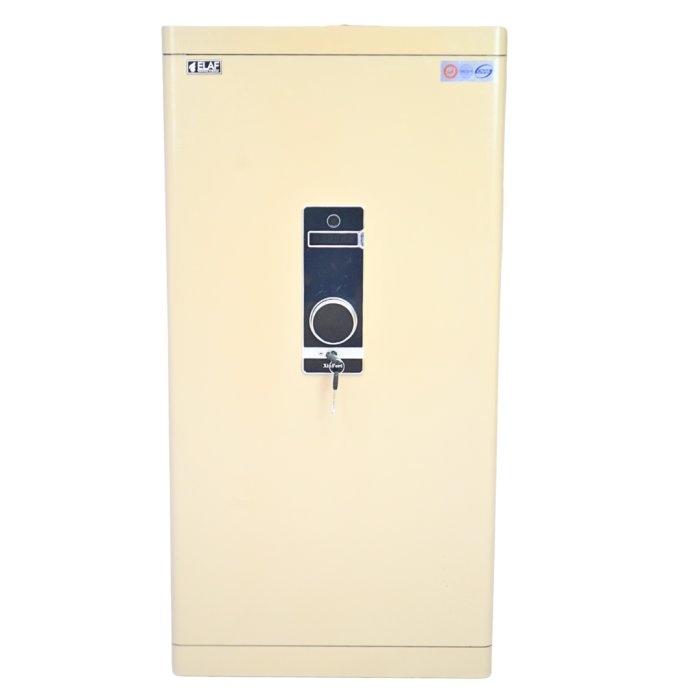
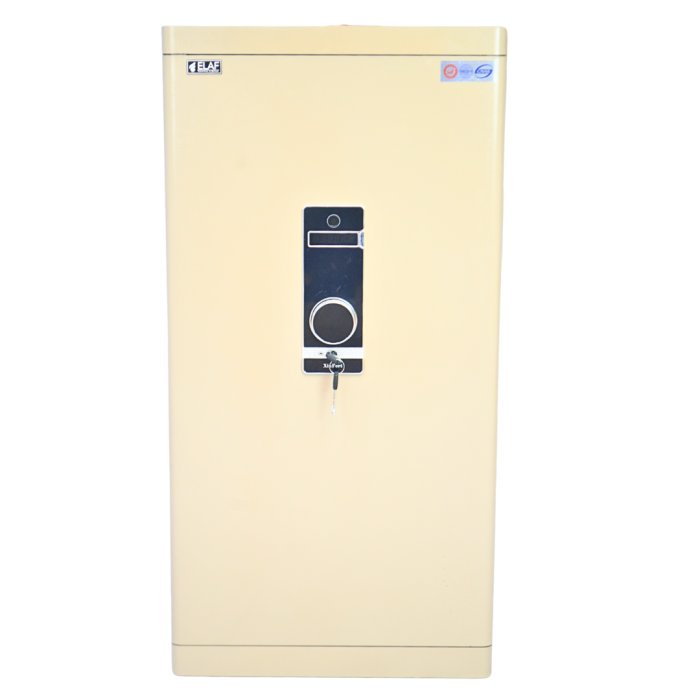
ELAF FINGERPRINT SAFETY LOCKER (FT-F1000) White
130000 tk 130000 tk
প্রোডাক্ট কোড: 523
| ঢাকার ভিতরে ডেলিভারি | ৳ 60 |
| ঢাকার বাইরে ডেলিভারি | ৳ 130 |
পন্যের বিবরণ
Secure Your Office Valuables with Fingerprint Technology
The ELAF FINGERPRINT SAFETY LOCKER (FT-F1000) in white is built for professionals who need reliable desk-side security without fuss. Whether you're storing confidential documents, cash, jewellery, or personal items at your workspace, this locker combines modern fingerprint access with sturdy construction. No keys to lose, no combinations to forget—just your fingerprint, every time.
Fingerprint recognition means faster access during your workday. Place your finger on the sensor, and the locker opens in seconds. This makes it practical for frequent use at your desk while keeping contents secure from casual access by colleagues or visitors. The system stores multiple fingerprints, so you can grant access to trusted team members if needed.
Sizing and Desk Placement
Designed with office workflow in mind, the FT-F1000 fits neatly on or beside a standard desk. Its compact white cabinet blends into modern workspace aesthetics—whether in a private office, shared workspace, or home office setup. Measure your desk area before ordering to ensure it suits your layout. The unit is meant to sit on a stable surface; it's not designed for wall mounting.
Internal compartment space is sufficient for A4 documents, small valuables, and everyday office items you want to keep secure. Check the internal dimensions against what you plan to store. The white finish maintains a professional appearance throughout your workday.
Daily Use and Reliability
Fingerprint lockers are built for frequent daily access. The ELAF FT-F1000 handles regular use without degradation. Each time you use it at your desk, the fingerprint sensor responds reliably. This makes it practical for items you retrieve and secure multiple times per day—not just a once-a-week storage box.
Battery backup ensures the locker remains accessible even during power interruptions. Check the manual for battery type and replacement intervals so you're never locked out of your own desk security. Keeping fresh batteries on hand is part of standard workplace maintenance.
Security Features and Build
The locker body is constructed to resist casual tampering. The locking mechanism is electronic and solid—designed to protect contents from accidental access or opportunistic theft in a busy office. The fingerprint sensor itself is a secure access point; only enrolled fingerprints will unlock the door.
The white colour option suits professional environments and is easy to keep clean during regular desk use. Fingerprint sensors can accumulate dust or moisture from frequent touching; wipe the sensor occasionally with a soft, dry cloth to maintain responsiveness.
Setup and Fingerprint Enrollment
Installation is straightforward for a desk-based unit. Place it on your chosen surface, ensure it's level and stable, and follow the manual to enroll your fingerprints and any others you authorise. The setup process takes minutes and requires no tools. Once enrolled, your fingerprint becomes your access key—no additional keys, cards, or passwords needed at your desk.
The manual will guide you through changing default settings, adding or removing fingerprints, and basic troubleshooting. Keep the manual accessible for reference, especially if multiple people in your office use the same locker.
হোয়াইট কালারের এলাফ ফিঙ্গারপ্রিন্ট সেফটি লকার (এফটি-এফ১০০০)
আপনার অফিসের ডেস্কে রাখার জন্য এই ফিঙ্গারপ্রিন্ট লকার একটি আধুনিক সমাধান। গুরুত্বপূর্ণ কাগজপত্র, টাকা, গহনা অথবা ব্যক্তিগত জিনিস সুরক্ষিত রাখতে এটি দৈনন্দিন ব্যবহারের জন্য উপযুক্ত। ফিঙ্গারপ্রিন্ট সেন্সর ব্যবহার করে আপনি মাত্র কয়েক সেকেন্ডে লকার খুলতে পারবেন। চাবি হারানোর চিন্তা নেই, কোনো কম্বিনেশন মনে রাখার প্রয়োজন নেই—শুধু আপনার আঙুলের ছাপ। সিস্টেমে একাধিক ফিঙ্গারপ্রিন্ট সংরক্ষণ করা যায়, তাই প্রয়োজনে আপনার বিশ্বস্ত সহকর্মীদেরও অ্যাক্সেস দিতে পারেন।
এফটি-এফ১০০০ আপনার ডেস্কের পাশে বা উপরে রাখার জন্য ডিজাইন করা হয়েছে। সাদা রঙের এই ক্যাবিনেট আধুনিক অফিসের সাথে পুরোপুরি খাপ খায়—একটি ব্যক্তিগত অফিস হোক, শেয়ারড ওয়ার্কস্পেস হোক বা হোম অফিস। আপনার ডেস্কের স্থান অনুযায়ী এটি নির্বাচন করুন। ভিতরের বগিতে এ৪ কাগজ, ছোট মূল্যবান জিনিস এবং দৈনন্দিন অফিসের জিনিস রাখা যায়। যা রাখতে চান তার মাপ আগেভাগে দেখে নিন।
এই লকার প্রতিদিন বারবার ব্যবহারের জন্য তৈরি। ফিঙ্গারপ্রিন্ট সেন্সর নির্ভরযোগ্য এবং দ্রুত সাড়া দেয়। বিদ্যুৎ চলে গেলেও ব্যাকআপ ব্যাটারি আপনার লকার খুলতে সাহায্য করবে, তাই আপনি কখনো আটকে থাকবেন না। নিয়মিত ব্যাটারি পরীক্ষা করুন এবং প্রয়োজনে পরিবর্তন করুন। লকারের শরীর মজবুত এবং নিরাপদ—অফিসে অযাচিত প্রবেশ বা ছোট চুরি থেকে আপনার জিনিস রক্ষা করে। সাদা রঙ পরিষ্কার রাখা সহজ। ফিঙ্গারপ্রিন্ট সেন্সর মাঝেমাঝে নরম কাপড় দিয়ে মুছে দিন যাতে তা ভালোভাবে কাজ করে।